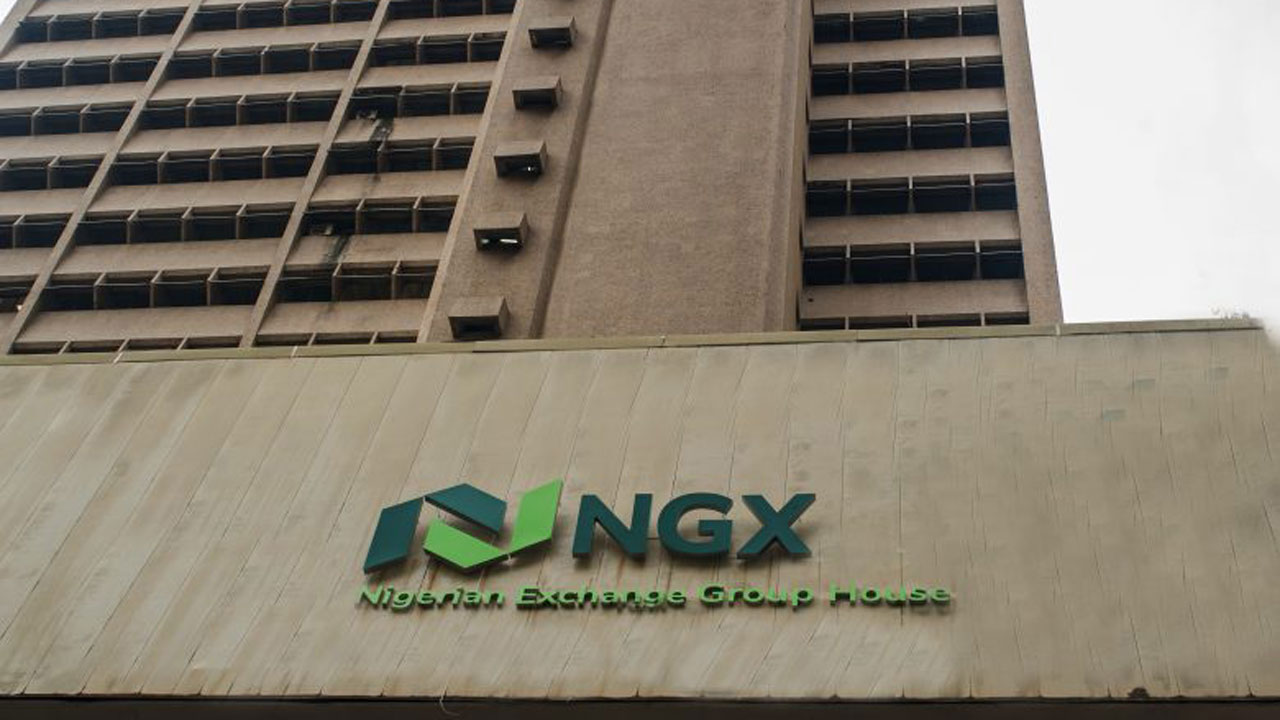
On March 16, the Nigerian Exchange Group (NGX), the country’s stock exchange, rolled out two short‑dated index futures tied to its NGX 30 and Pension indices, giving investors a way to take a view (or bet) on the market without touching a single underlying share. Those contracts will expire on September 18, 2026.
It is not the exchange’s first brush with derivatives, but the emphasis this time is clearer: short tenors, simple index exposure, and a product that openly acknowledges speculation alongside hedging.
Between the lines: NGX’s real problem has never been a lack of instruments; it has been a lack of energy. Retail money has drifted to faster, flashier venues—crypto futures, offshore FX platforms, and, recently, prediction markets are competing for the pockets of young investors—where leverage, 24/7 trading, and big swings are the norm. These contracts look like an attempt to meet that behaviour halfway, by offering directional, time‑boxed trades inside a regulated wrapper instead of on a dodgy app.
On paper, everyone wins. Institutional investors, like pension funds, get a straightforward way to protect the value of the portfolios they already hold, and retail traders get a simple way to bet on where the overall market is headed instead of scrambling to buy and sell lots of individual stocks when prices move.
The catch: Leverage cuts both ways, and Nigeria’s investor education has not kept pace with its risk appetite. Which is why the timing feels less like a technical upgrade and more like a competitive answer.
Regulators openly say more young Nigerians now trade crypto than local equities. NGX’s new futures sit squarely in that reality, and leave us with a simple question: is this about deepening the capital market, or about trying to win back a generation that already decided the real action lives elsewhere?