New car sales in South Africa may be brushing up against record highs, but that momentum clearly isn’t flowing back into local factories. South Africans bought over 590,000 new vehicles in 2025, yet fewer than that were built locally. In November, local production stood at just over 554,000 units—barely up year-on-year—while Morocco crossed the 1 million vehicle production mark in December. After nearly a century at the top, South Africa has lost its crown as Africa’s auto manufacturing hub.
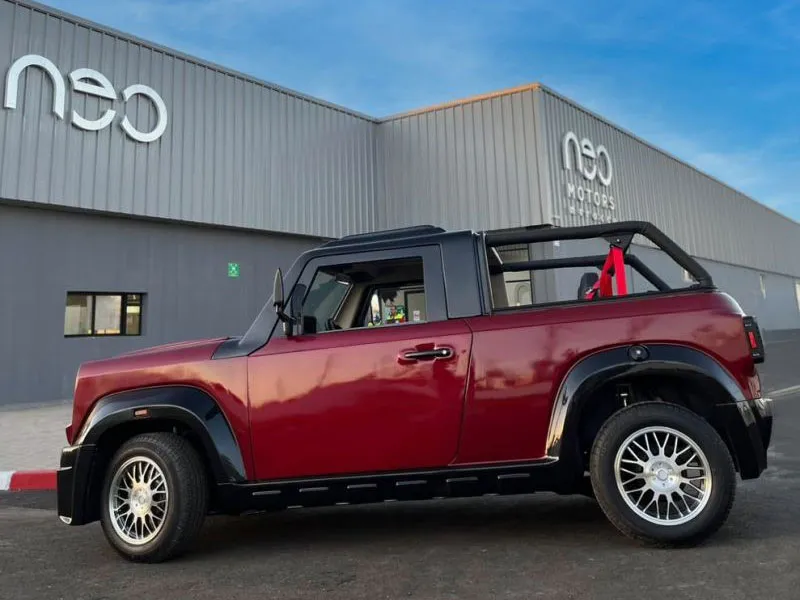
What caused this? This didn’t happen overnight. Morocco’s rise is the product of a long, deliberate industrial strategy: aggressive tax incentives, free-trade access to the EU, US, and China, and a willingness to bet early on electric vehicles (EVs). Renault and Stellantis set up shop years ago, EV production began in 2021, and a fully home-grown electric car, E-NEO Dial-E by Neo Motors, priced at MAD 100,000 ($10,740), is set to roll off the line in 2026. Tesla, the largest EV maker in the US, now has an official presence in Casablanca, Morocco, signalling global interest.
South Africa, by contrast, spent much of the past decade firefighting. Chronic load-shedding raised costs, dented productivity, and scared off fresh investment just as global automakers were rethinking where to place their next generation of plants. Eskom’s coal-heavy energy mix doesn’t help either, especially as carbon border taxes loom. A 150% EV investment tax rebate is finally coming, but only from March 2026, and arguably a few years late.
Between the lines: This isn’t just about cars. It’s about industrial policy credibility. Morocco showed investors consistency, cheap power, and a clear EV roadmap. South Africa offered uncertainty, energy risk, and policy drift. Catching up is still possible—the skills and infrastructure exist—but reclaiming leadership will require more than incentives. It will require reliable electricity, faster policy execution, and a clear signal that auto manufacturing, not just consumption, still matters.
Global EV market leaders are finding their way to South Africa for its perceived uptake potential, but that same enthusiasm is yet to catch up with local manufacturing setup.