




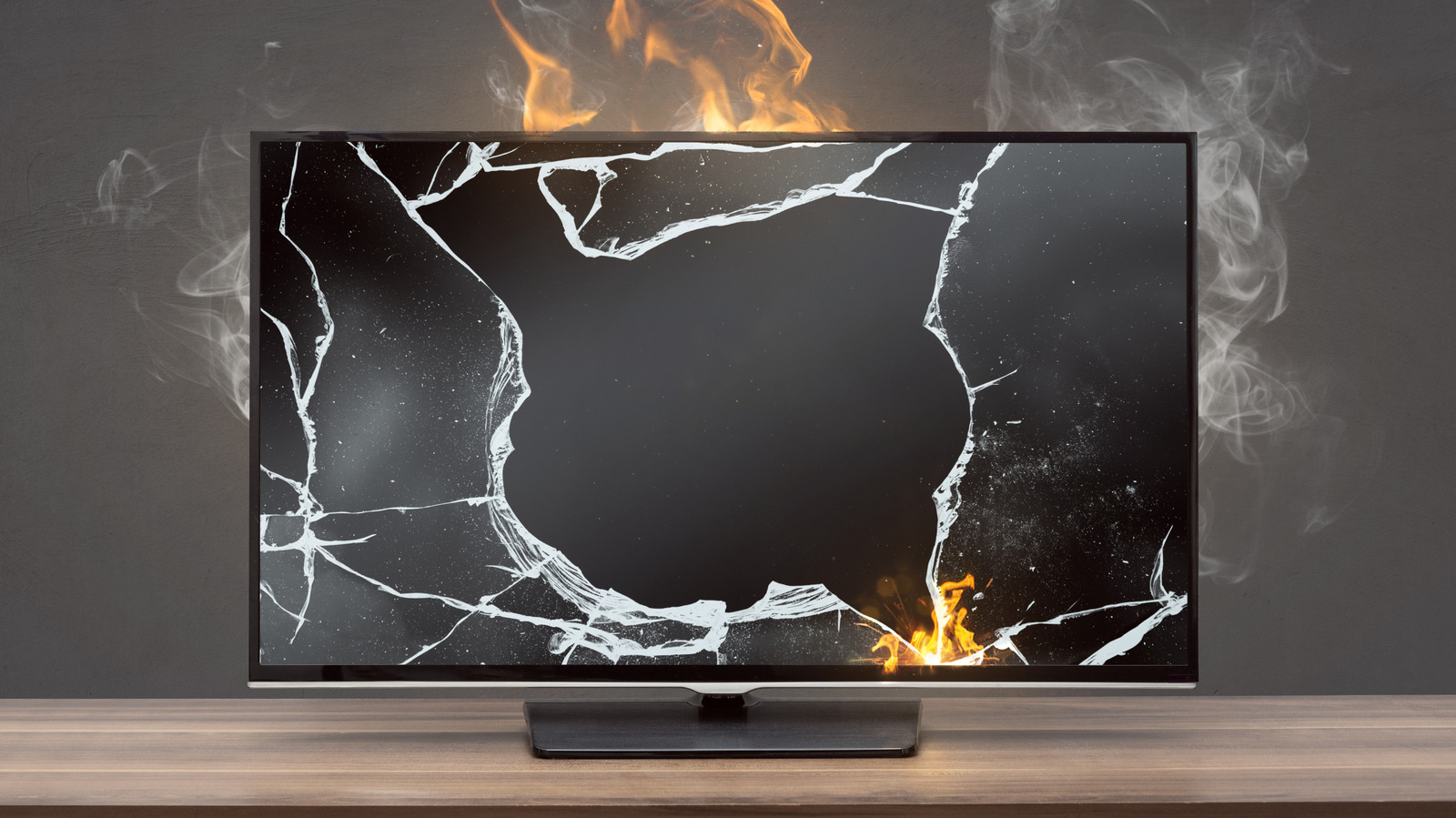
When you think about it, TVs really just have one job: Showing moving pictures. How could it be possible for brands to mess up manufacturing to the point of endangering consumers or eliciting lawsuits? Well, when you take a look at the worst TVs ever made, you start to realize that there are many pitfalls that manufacturers need to avoid, even if the goal of creating a large screen seems simple.
Televisions contain delicate components that can easily malfunction if the interior engineering isn’t perfect. They are large appliances that people keep in their homes and around their families, so it’s also important to be thoughtful about safety or privacy. When manufacturers neglect these design elements, the result is a failed product — sometimes even a dangerous one. We researched historic TV recalls, lawsuits, and general user sentiment to find five of the worst TVs ever sold to end consumers.
Sony Bravia KDL Series

In 2011, Sony recalled 1.6 million LCD TVs after a customer reported a small fire and smoke from the television. The issue stemmed from a faulty component that caused overheating, melting, and, of course, fire. There were a total of 11 incidents involving the recalled TVs, none of which resulted in any injuries. The reports all came from within Japan, but the recall was global in scale. Eligible consumers were able to request a free inspection and repair of the recalled units.
The recall affected Sony Bravia 40-inch TVs manufactured between 2007 and 2008. The models impacted by the recall were part of the KDL-40 series. Sony still manufactures TVs under the Bravia brand, which is very respected in the market and helps make Sony one of the best smart TV brands.
LG 86-inch UQ and NanoCell Series
The U.S. Consumer Product Safety Commission reported a recall of certain 86-inch LG smart TVs on January 12, 2023. The TVs in question were free-standing units that were prone to instability on the stand, causing them to tip over. There were 12 reports of tipping from consumers, and while there were no actual injuries, it’s easy to imagine a child or pet becoming stuck under the massive 86-inch panel.
Approximately 52,000 units with the model numbers 86UQ8000AUB, 86UQ7070ZUD, 86UQ7590PUD, and 86NANO75UQA were recalled. These UQ and NanoCell Series models were regarded as solid entry-level smart TVs with decent selections of apps and features, but having budget-friendly build quality may have been the downfall for the 86-inch version that was recalled.
LG still makes UQ and NanoCell TVs, but recent models don’t seem to present the same safety hazards as the ones recalled in 2023. To be on the safe side, always check the model number of a TV before buying, and consider buying a TV from big retailers like Costco to get a better warranty policy.
Samsung J5200 Series
An 18-page class action lawsuit was filed against Samsung in 2018 when consumers found that certain LED TVs would overheat to the point of becoming unusable. Consumers reported permanent vertical lines and other screen defects due to excessive heat from normal use. Thousands of customers were eligible to join the class action, pursuing compensation for the approximately $300 price of the defective product and other damages.
The plaintiff who initiated the class action was a customer who experienced issues with his Samsung J5201 TV, purchased from a Best Buy store in the state of New York. However, the lawsuit stated that the overheating defect affected many model series, from the 5200 to the 7200 models. The lawsuit also argued that Samsung knew of the defect since at least 2015, implying that the company breached warranty policies and falsely advertised the product. Ultimately, no units were recalled from the series that were affected by the alleged defect.
Coby TFTV3229
Coby is a much lesser-known TV manufacturer, namely because the company went out of business in 2013. That same year, a recall notice was issued by the U.S. Consumer Product Safety Commission for 8,900 Coby 32-inch flat screen televisions. The notice explained that an electronic component in the aforementioned TVs was prone to failure, causing them to catch fire and ignite nearby objects. The exact units affected by the recall were those with the model number TFTV3229 and serial numbers containing M07 or M10.
There were six reported incidents of the aforementioned televisions overheating or catching fire, including one instance in which the fire scorched a nearby wall. Coby was already out of business, though, and the company that purchased its assets did not assume liabilities or customer warranties in the process. Luckily, several retailers, including Best Buy and Toys R Us, voluntarily recalled the televisions themselves. Affected consumers were able to receive a remedy in the form of refunds or replacements.
Vizio Smart Interactivity TVs
Vizio entered the smart TV game in 2010 with the XVT Series. From 2014 to 2017, Vizio smart TVs installed a feature called Smart Interactivity that allegedly recommended new programs. This was a type of automatic content recognition that continuously scans on-screen content to build a profile based on the user’s preferences. So, what made Vizio’s Smart Interactivity-enabled lineup one of the worst in television history? It was the fact that Vizio exploited the collected data for corporate gain.
In 2017, the Federal Trade Commission filed a complaint against Vizio, stating that the manufacturer collected and sold personal user information to third parties for the sake of targeted advertising. Vizio agreed to pay $2.2 million to settle the charges. Effectively, their TVs were spying on user activities for marketing purposes.
Vizio still uses automatic content recognition in its smart TVs, though it’s now branded more transparently as Viewing Data on more recent models. Vizio lost a lot of trust due to its misuse of customer data, which is reflected in public sentiment toward the company. A whopping 85% of Vizio’s Consumer Affairs reviews are 1-star ratings. The fact that manufacturers can remotely abuse smart features and AI integration should be a constant reminder that even if your television looks great and works perfectly, it can still be one of the worst TVs ever made.


