We’ve all seen it — the brands that go viral for all the wrong reasons. A tone-deaf tweet during a crisis, a campaign that lands with a thud, a comment section that turns into a catastrophe. Social media failures are, frankly, entertaining to watch from the outside.
But that’s not what today is about. Today is about the other side of the coin: the brands absolutely crushing it on social media. The ones with strategies so sharp, voices so consistent, and content so good that their competitors are probably taking screenshots. 📸
Whether B2C or B2B, these companies have figured out something most brands haven’t — and there’s a lot to learn from each of them. Let’s dive in together!
B2C Brands That Get Social Media
We’ll start with a few examples in the business-to-consumer segment. For each, we’ll look at how they’re presenting themselves on their socials and what is the X factor that makes their social media strategy so, so good!
Duolingo — Unhinged, On Purpose
Duolingo’s social media strategy is one of the most studied cases in modern brand marketing. The language-learning app built its entire persona around its mascot, Duo the owl, who is portrayed as chaotic, passive-aggressive, and obsessed with making you complete your Spanish lesson. On TikTok alone, Duolingo has amassed tens of millions of followers by leaning fully into absurdist humor.
What makes it work isn’t randomness — it’s a very deliberate brand voice executed with consistency. Every post, comment, and stitch feels like it came from the same slightly unhinged owl. The team participates in trending audio and meme formats but always bends them to fit their character. The result? A language app that people actually want to follow, share, and engage with.
👩🏻🏫 THE LESSON: A distinctive brand persona, executed consistently, is worth more than a polished content calendar. Commit to a character and go all in.
Ryanair — Savage, Self-aware, and Brilliantly Cheap
Ryanair is an airline that charges you to breathe near the overhead bins. And yet, on TikTok and X (Twitter), they’re one of the most beloved brand accounts in Europe. Their secret? Radical self-awareness. Ryanair’s social team leans into every complaint, every joke at their expense, and every stereotype about budget flying. And they turn all of it into content.

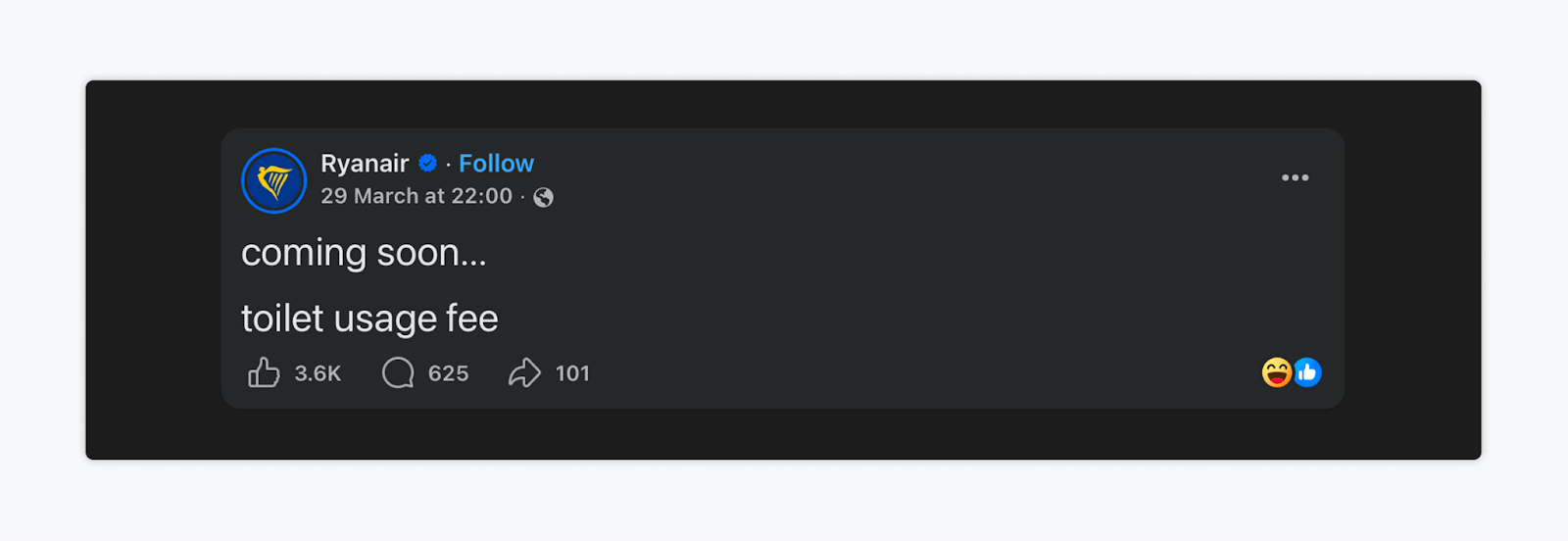
Comments like “Why does Ryanair charge for everything?” get replied to with a sarcastic gif. Memes about cramped seats are reshared. They don’t defend the brand; they are in on the joke. Audiences who expected corporate spin get comedy instead, and they love it.
👩🏻🏫 THE LESSON: Don’t be afraid of your brand’s weaknesses. When customers are already joking, the most powerful move is to join them.
Nike — Identity Over Product
Where Duolingo and Ryanair win through humor, Nike wins through aspiration. One of the most striking things about Nike’s social media is how rarely they talk about shoes. Instead, their feeds are built around athletes, stories, movements, and moments — content that makes you feel something before it ever asks you to buy anything. On Instagram, TikTok, and YouTube, Nike positions itself not as a retailer but as a cultural institution that believes in human potential.

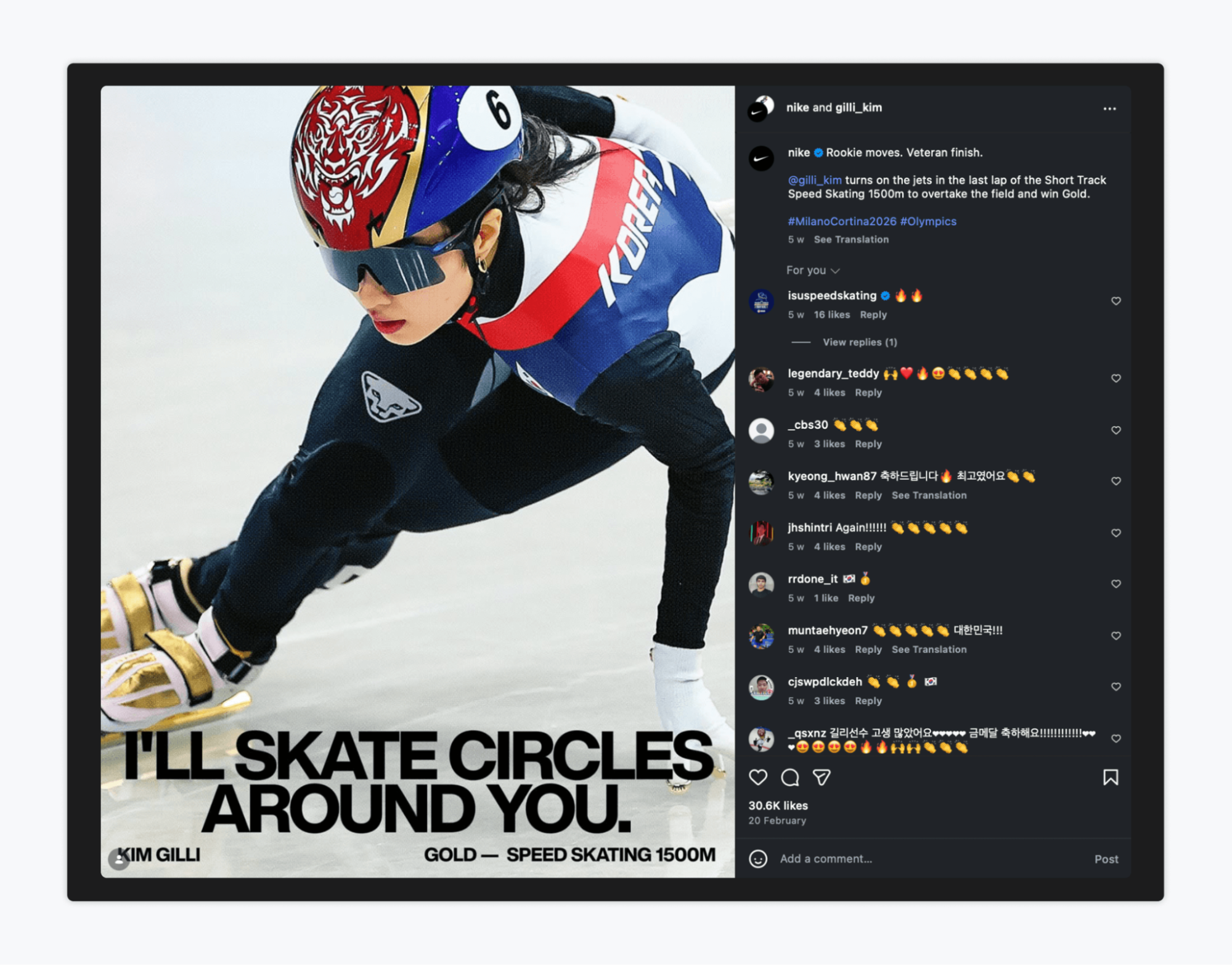
Their community-building goes beyond content, too. Nike amplifies everyday athletes alongside professional ones, creating a sense that their brand belongs to everyone who has ever laced up and pushed themselves.
👩🏻🏫 The LESSON: The most powerful social media isn’t about what you sell. Make it about what it stands for. Build an identity your audience wants to be part of.
B2B Brands That Aren’t Boring
B2B companies have historically treated social media as an afterthought. A place to push press releases and announce product updates. A new generation of B2B brands has thrown that playbook out entirely.
📚 Related Read: 12 B2B Social Media Content Ideas to Avoid Boring Campaigns
Notion — Building a Movement, Not Just an Audience
Notion sells productivity software. On paper, that’s a hard sell on social media. In practice, Notion has created one of the most vibrant brand communities on the internet. Their social strategy centers on empowering their users (called “Notion Ambassadors”) to share templates, workflows, and personal setups, essentially turning their product into a creative canvas that people are proud to show off.


On X (Twitter) and YouTube, Notion regularly amplifies user-created content, showcases creative use cases, and participates in productivity conversations without being preachy.
👩🏻🏫 The LESSON: In B2B, your power users are your influencers. Build programs that give them reasons to share, and then amplify them relentlessly.
HubSpot — Teaching as a Growth Strategy
HubSpot has long been the gold standard for content marketing, and their social media presence is a masterclass in leading with value. Rather than promoting features, HubSpot’s social channels consistently deliver free education: quick marketing tips, data-backed insights, industry benchmarks, and tactical breakdowns that practitioners can use immediately.
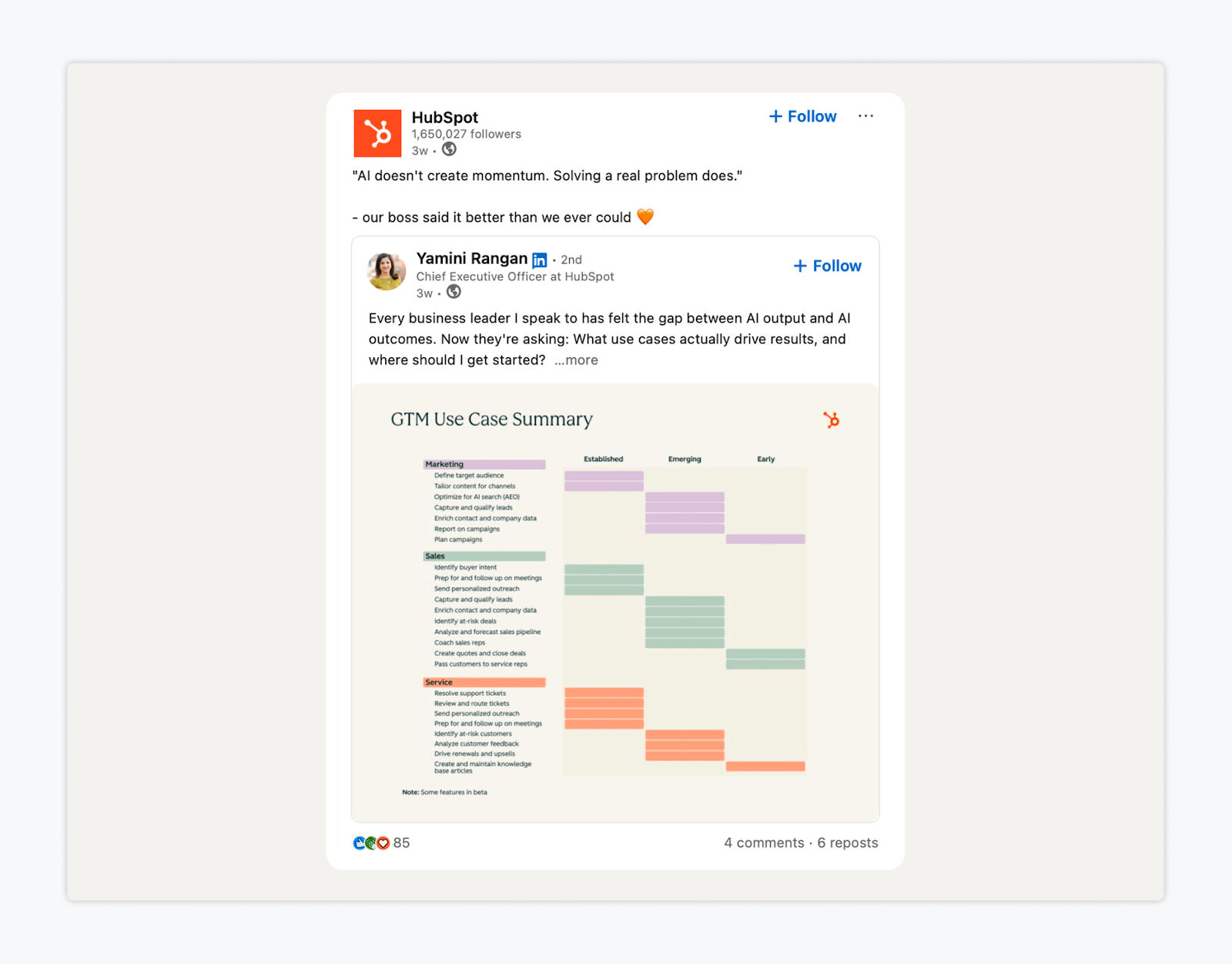
LinkedIn is where HubSpot particularly excels. Their posts consistently spark conversation among marketing and sales professionals — not because they beg for engagement, but because the content is genuinely useful. The downstream effect is predictable: people who learn from HubSpot tend to buy from HubSpot. Social becomes a top-of-funnel engine disguised as helpfulness.
👩🏻🏫 THE LESSON: Teach your audience something useful before you ever ask them for anything. Generosity builds trust faster than any ad ever will.
Shopify — Putting the Entrepreneur at the Center
Shopify’s social media strategy is built on a deceptively simple idea: make your customer the hero. Rather than broadcasting product updates or platform milestones, Shopify’s feeds are full of founder stories. Every post is a reminder of what the platform makes possible, told through the people actually living it.


This storytelling-first approach works across every channel (Instagram, TikTok, and LinkedIn) because the content transcends the product. You don’t need to be a Shopify merchant to be moved by a great founder story. That emotional reach expands their audience far beyond their direct customer base, keeping Shopify top of mind at the exact moment someone decides they’re ready to start selling. It’s brand building and pipeline generation wrapped into one.
👩🏻🏫 THE LESSON: In B2B, your customers’ wins are your best content. Lead with their stories, and your product sells itself in the background.
FAQs
The best brands on social media share a few key traits: a consistent, recognizable voice; content that puts the audience first; and a willingness to show up as something more interesting than a corporate logo. Whether it’s Duolingo’s chaotic humor or Shopify’s founder storytelling, the top-performing accounts all have one thing in common — they’ve made a clear creative choice and committed to it, instead of trying to please everyone with safe, forgettable content.
Absolutely! And the brands doing it well prove that B2B doesn’t have to mean boring. Humor works in B2B when it’s rooted in a genuine understanding of your audience’s daily frustrations and professional reality. The key is consistency: a one-off funny post is a fluke, but a brand that’s reliably witty becomes one people actually want to follow.
Social media brand management is the process of shaping and maintaining how a brand is perceived across social platforms. It covers everything from defining a consistent brand voice and visual identity to planning and publishing content, engaging with followers, and responding to comments or crises.
How to Be as Good As These Brands
Look at every brand on this list, and you’ll find the same things underneath the surface. A clear, consistent voice. A deep understanding of their audience. A willingness to show up as something more interesting than a logo. And behind the scenes: a process that lets good ideas actually make it out the door.
Great social media doesn’t happen by accident. It’s the result of teams that trust each other, workflows that don’t create bottlenecks, and tools that make collaboration feel effortless rather than exhausting.
That’s where Gain comes in. Gain is a social media management tool built to streamline content creation, review, and client approvals, so your team spends less time chasing sign-offs and more time making content worth sharing. Whether you’re managing one brand or fifty, Gain keeps everyone on the same page without the back-and-forth chaos.
And, if you run an agency and want to give your clients that same level of confidence in their social content, Gain’s Agency Partners program might be worth a look. These are agencies that place a high value on client collaboration and use Gain to provide their clients with a top-notch approval experience.
👉 Explore Gain’s Agency Partners.