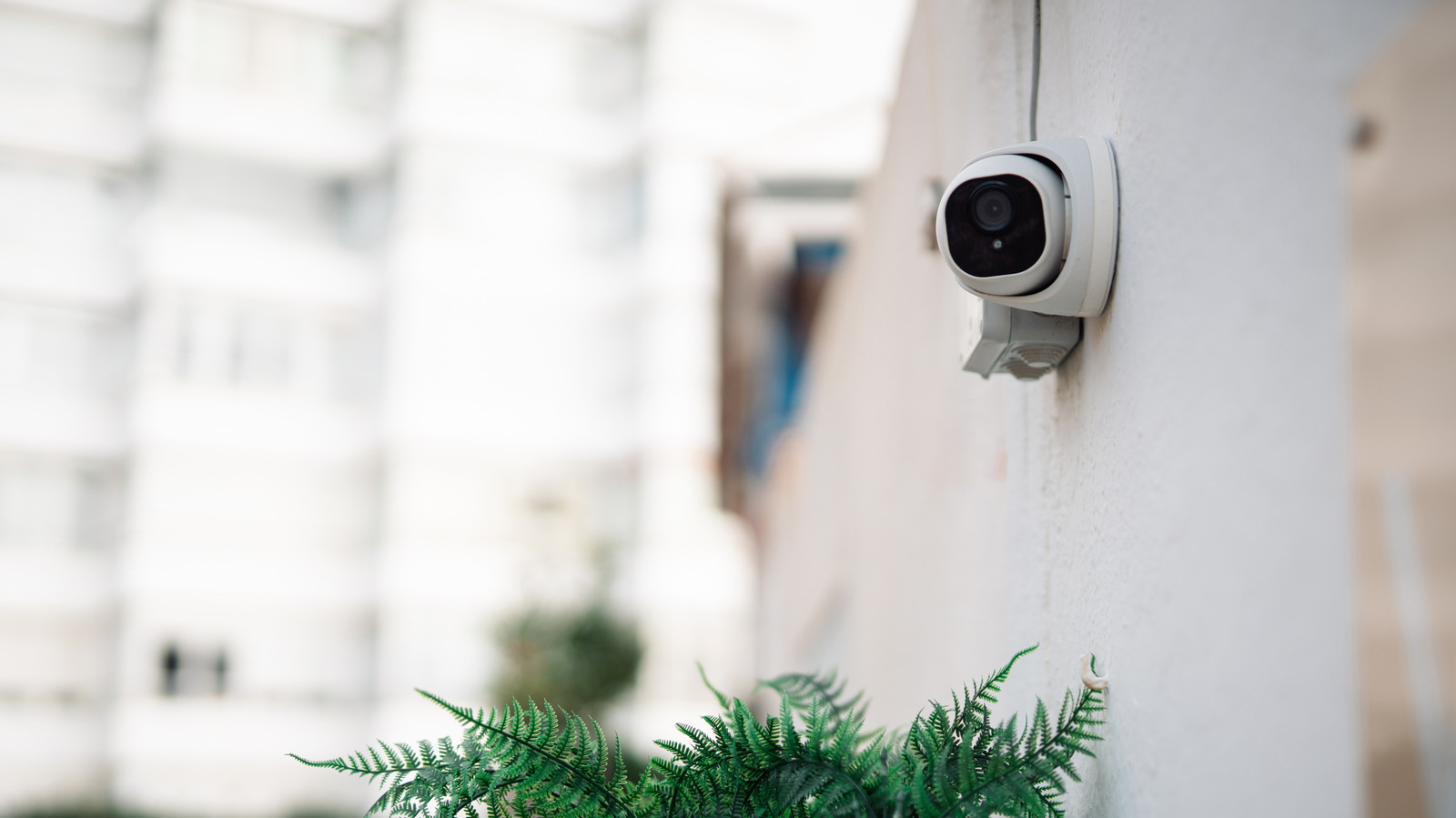
A big part of how security cameras safeguard you is by being seen. Visible cameras on your door are a deterrent; most burglars back away when confronted by a well-secured house. This is why most security systems, both indoor and outdoor, focus on coverage rather than stealth, opting to have the cameras be clearly visible. But it can sometimes be a good idea to have a more unobtrusive security setup as well. And some of the best-rated indoor security cameras are surprisingly affordable.
Hidden cameras can reveal theft or problematic behaviors, safeguarding your house and family. Even if you don’t have any staff to monitor, hidden cameras can be useful as a final layer of defense. Visible cameras are vulnerable to sabotage or vandalism, leaving you without any footage to identify the culprits. Hidden surveillance cameras can furnish you with this evidence even when your more obvious layers of security have been removed or evaded.
Do keep in mind that the laws governing hidden cameras and consent vary by location. Any cameras pointed at your neighbours are strictly a no-no, and even indoors, you should not cover bathrooms or other private areas. It might also be a good idea to get a security camera with local storage instead of cloud services that can leak your data.
Alongside motion sensors

Motion sensors are often installed in entryways to detect intrusions, but aren’t always accompanied by a camera. Thieves usually ignore these entirely, since a motion detector cannot record any crucial evidence. An oversight you can take advantage of to disguise a camera. Motion sensors already look the part, so any cameras combined with these devices don’t look out of place. This helps them monitor the entranceway, recording all entering people.
There are even security camera models designed to look like motion sensors. They save the effort of manually integrating the camera and can be deployed directly. And if you get a model with built-in motion detection, it will be triggered by movement, as a motion sensor is supposed to. Aesthetically, this kind of setup looks far better than a dome camera mounted separately on the wall.
That being said, this approach has its drawbacks as well. The camera is not exactly hidden from view; it is just disguised as part of a motion detection setup. This means that any vandalism or attempts to destroy the system will affect it as well. An approach like this also doesn’t work for monitoring employees or staff, as you are unlikely to have motion detectors in the rooms. Even for securing your entrances, this will fall short, as robbers can use windows and other points of ingress that will not be covered.
Mount on high ceilings
A challenge when deploying cameras close to the ground is getting a good field of view of the room. You can install a 360-degree view camera, but a swiveling camera isn’t exactly hidden. The answer to this dilemma is to install it at a high vantage point. The adage that people don’t look up is true, and a camera concealed far above eye level can take in the whole room without being spotted.
The best spot for this is the very corner of a high ceiling. The camera is hidden from many angles simply because it is the point where three walls meet, and the position leaves few dead spots. Alternatively, you can place the camera behind curtain rods or vents, blocking them from view entirely. Take care not to obstruct the camera lens, however.
Another advantage of installing a hidden camera in a high corner is that it handles the wiring, too. Normally, the wires trailing from a camera are a dead giveaway, but in this setup, you can route the cables behind the wall, hiding any telltale signs of the device. Of course, you can also use battery-powered wireless cameras, but it is not recommended. Such cameras need to be removed and recharged frequently, which is difficult when installed in such a high spot.
On a bookshelf
A camera mounted on a bare wall draws attention simply because it stands out. To hide a camera, sometimes all you need is to place it against a more crowded background. Shelves full of small objects, for example, are perfect for hiding a camera in plain sight. The mass of objects divides attention, hiding the camera indirectly.
This works best with a taller shelf to give the camera a good viewing angle. Furniture like bookshelves or tall cabinets is ideal for this. Of course, there are still wires to consider, and it can look odd to have the cables coming out of a bookshelf, so some creative positioning might be required. Alternatively, you can use a battery-powered camera to eliminate that issue, but it will require you to pick it up and charge it periodically, which is easy when the camera is just on a shelf.
One thing to keep in mind is that while you want to place other objects around the camera to conceal it, you don’t want to end up hiding the lens itself. Which is an easy mistake to make as you continue using the rest of the shelf. While placing and removing other objects, you can accidentally black the lens, or push the camera askew.
Inside storage
So far, we have looked at ways of indirectly hiding the cameras by using the environment or location. But all of these methods are useless against an observant burglar who will take note of the visible lenses and disable the cameras. The solution? Hide the cameras inside storage boxes. The camera lens just needs some light coming in. A camera placed inside a laundry basket, for example, can still record video while not being clearly visible from outside.
You can do this with cardboard boxes and other storage as well, by making some holes for the camera to peek through. Obviously, this may look unnatural, so boxes with a mesh design or baskets are best for this purpose. While the camera is well hidden this way, it also creates some challenges. One is visibility: While the camera can look through a mesh or small holes, it receives little light, which can lead to unclear footage. This is why night vision cameras are recommended for such setups.
Another concern is how to handle the power and connection cables. Wires going into a basket are very suspicious, even if the camera itself is not visible. A solution is to put this basket on a shelf where the wires can go behind the furniture and be concealed. Otherwise, you can also use a battery-powered camera or even turn cheap webcams into a home security system.
With a disguised object
While you can hide a security camera inside a basket or a storage box, having baskets lying around in strategic spots around the house will look weird. Not to mention that this is a jury-rigged solution instead of an actual object made for this purpose, so your camera may not get the best view either. A better way to hide the camera is to get specifically designed false objects.
You can buy some nearly invisible smart home gadgets designed to hide a camera inside. These objects are hollow, with transparent windows for the camera lens to look out, and small openings for the cables as well. Some have built-in cameras, while others are enclosures that must be outfitted with cameras. The idea is to put them up normally in a visible shelf or desk, with the camera sitting discreetly inside. As with the other options, the wires can give things away if they are not arranged correctly.
This is perhaps the most convenient way to place a hidden security camera in a room, requiring the least manual effort and being difficult to spot at a glance. Just make sure the disguised object you are getting fits your security camera. Larger options, such as photo frames or decorative items, might be better for this reason. Even then, objects like this work best for the living room with multiple shelves, not bare hallways.
Using a camera skin
Placing cameras inside objects is one strategy for hiding them, but it is not a universal solution. It only works in places with a lot of shelves or furniture. For places with bare walls and little storage, you need a different method. So instead of hiding the camera within fake objects, consider camouflaging them instead. The default camera look of a sleek white or black body is too distinctive, whether placed against furniture or a wall. That’s why camera skins are a thing.
Like a phone skin, it is a covering that gives your camera a different look. Except here it is not for aesthetics, but to let the camera blend in. There are many types of these skins, but the most popular ones are ghillie skins with wood textures used for trail cameras and in dark yards. The idea is to have the camera blend into the greenery, which can help it blend in more naturally. For indoors, this could mean them inside potted plants, where the camera is concealed by the foliage.
This method is ideal for hiding a security camera in passages and hallways without furniture. You can place a potted plant, put the right type of skin on the camera, and install it within its branches. Do keep the watering situation in mind; you don’t want to drench the camera’s lens and get it all muddy, and the same goes for rain. It might be worth picking one of the best outdoor security cameras to ensure it’s waterproof.
Within fixtures
Motion sensors and shelves, fake photo frames and houseplants — all these methods involve hiding the security camera using some object or another. How do you hide cameras against the wall itself, without relying on furniture or items? That requires a bit more work, but it is certainly doable. The best way is to utilize the built-in fixtures in the walls. Windows, for example, can be outfitted with a security camera, giving it a good view of the room while remaining unobtrusive. There is no glare through the glass if you turn the IR lights off, which limits its use in low-light situations, but it is otherwise great for staying hidden.
You can also hide cameras in decorative light fixtures. Such fixtures usually involve a lot of empty space with see-through glass or slits, which can be used to house a camera. This also gives you a handy avenue for concealing the wiring by running it parallel to the light’s own connections. A camera like this is very well hidden, has a good view of the room, and is virtually impossible to reach and disable.
If you don’t like the idea of messing with the light fixtures (or don’t have any in the room you want to surveil), you can get cameras that are installed directly in the ceiling as well. Fisheye lens cameras are designed to look like smoke alarms and can be mounted on any ceiling to observe the whole room effectively without giving anything away.
Get a mini camera
Standard security cameras aren’t the smallest things, so hiding them can be tricky. Even with the best methods, observant eyes can pick out the large lenses or the cables emerging from behind them. Which is why mini cameras are a thing. Even when placed openly, they are hard to spot, and when properly hidden or disguised, they become even more difficult to detect.
Of course, a tiny camera like this doesn’t give you the best picture quality. That being said, cameras have advanced greatly over the years, and modern phone cameras can often give amazing shots with their tiny lenses. These mini cameras can often be similar, even equipped with advanced features like night vision. For a security camera, the visual quality is more than good enough.
Many of the mini camera models in the market don’t even look like cameras. They are designed by default to be hidden, often looking like false objects (like a car key) that can be placed on a table or shelf without looking out of place. The only drawback of these cameras is that they are battery-powered, so you need to recharge them frequently. To overcome this, a few plug-in mini cameras are also available that can be plugged directly into the socket. Looking like phone chargers, they blend in while giving you footage of the room.