The Ford F-150 Lightning seems to be stuck in this weird middle lane. It is one of the most popular electric trucks in the country, but also shows up approaching the bottom of Consumer Reports’ charts. That mix is not as contradictory as it looks. The truck keeps selling because it rides on the strength of the F Series line. Many buyers already trust that badge; they know what they are getting, and the electric versions still behave like the work trucks they are used to. According to Consumer Reports, the Lightning delivers on a lot of aspects owners care about. The outlets’ reviews state the EV’s cabin is comfortable, the bed and frunk can store plenty of cargo, and the car can even power a home during an outage — an advantage over most EVs.
When Consumer Reports reviews electric vehicles (and vehicles in general), the outlet doesn’t focus on whether the truck is enjoyable or practical; it is asking how often components break and what owners report over time. Many EV trucks tend to struggle here due to issues such as poor drivetrains and electronic systems. The Lightning sits right in the middle of that complexity, so even when it sells well, the electric truck still suffers from many of the growing pains that came with being an early-generation electric pickup.
Why the Lightning scores so low
Consumer Reports has been consistent about where the Ford F-150 Lightning runs into trouble. In its most recent reliability surveys, the truck scored below average, mainly because owners reported issues in categories such as in-car electronics and electric drive system components. CR doesn’t break these down publicly at a granular level, but the outlet does group them under the same elements where many early EVs tended to struggle.
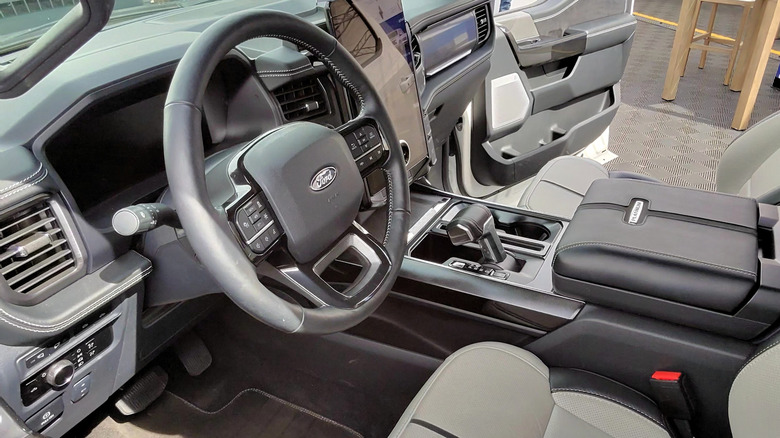
Electronics have been a predictable weak spot. The Lightning carries far more tech than a standard F-150, and includes features such as a large central touchscreen, onboard power outlets, and hardware essential for home backup capabilities. Furthermore, Consumer Reports keeps pointing out that “in-car electronics” are a problem spot for a lot of new EVs, and while the Lightning is no different, the problem isn’t unique to Ford. Cars such as Rivian’s R1T and GMC’s Hummer EV also run into similar issues and end up in the same lower end of CR’s reliability charts. However, the Lightning has more units on the road, so the volume of reported issues is naturally higher.
These issues don’t mean the F-150 Lightning is fragile; they just indicate that early EV trucks tended to be rougher around the edges. The overall platform still packs a lot of new hardware, software, and electrical systems into a single product, and first-generation tech usually shows more variance before things settle. The day-to-day driving experience is still strong for most owners, but the reliability data is clear about where these early EV pickups need to grow.
Why the Lightning still sells so well
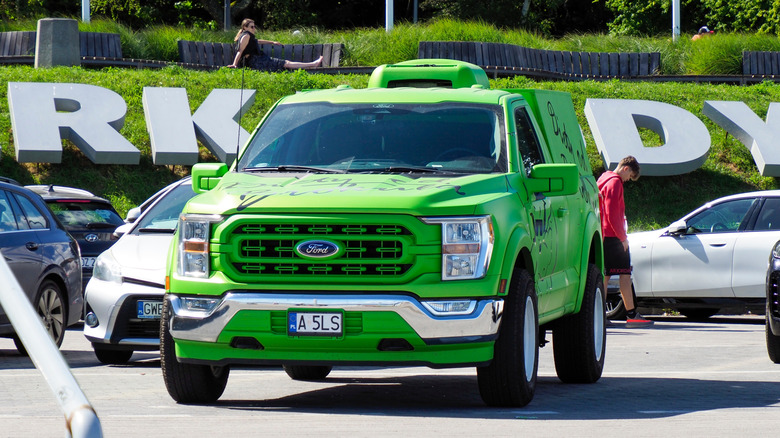
The market for electric trucks is still pretty thin, and Ford’s name still carries weight, but there is a practical factor that explains why the Lightning sells so well.
There is also the practical factor. For a lot of owners, the F-150 Lightning can easily tackle most tasks. The truck can haul gear, tow within advertised limits, handle school runs, and show up on job sites without drama. Charging stays predictable enough that many people build it into their routines. Furthermore, the truck’s range fits everyday suburban driving without making life complicated, and the option to power parts of your home during an outage is one of those features that sticks in people’s minds.
Ford has also been steady about fixing early issues. Software patches roll out regularly; more recent builds have cleaner thermal management, and the company has shown a willingness to refine the platform rather than pretend everything is perfect. This behavior might help soften the impact of CR’s score. Reliability data is definitely important, but real-world convenience (such as including Apple CarPlay Ultra) and trust in the brand shape sales far more. The Lightning fits neatly into that middle ground, which is why it continues to lead the pack even while its reliability numbers lag behind.


![Clean Code: Concurrency Patterns, Context Management, and Goroutine Safety [Part 5] | HackerNoon](https://hackernoon.imgix.net/images/ZTiVtl9TF6Mqdq0GSgDuxuALFDX2-y60231u.png "Clean Code: Concurrency Patterns, Context Management, and Goroutine Safety [Part 5] | HackerNoon")