While Silicon Valley argues over bubbles, benchmarks, and who has the smartest model, Anthropic has been focused on solving problems that rarely generate hype but ultimately determine adoption: whether AI can be trusted to operate inside the world’s most sensitive systems.
Known for its safety-first posture and the Claude family of large language models (LLMs), Anthropic is placing its biggest strategic bets where AI optimism tends to collapse fastest, i.e., regulated industries. Rather than framing Claude as a consumer product, the company has positioned its models as core enterprise infrastructure—software expected to run for hours, sometimes days, inside healthcare systems, insurance platforms, and regulatory pipelines.
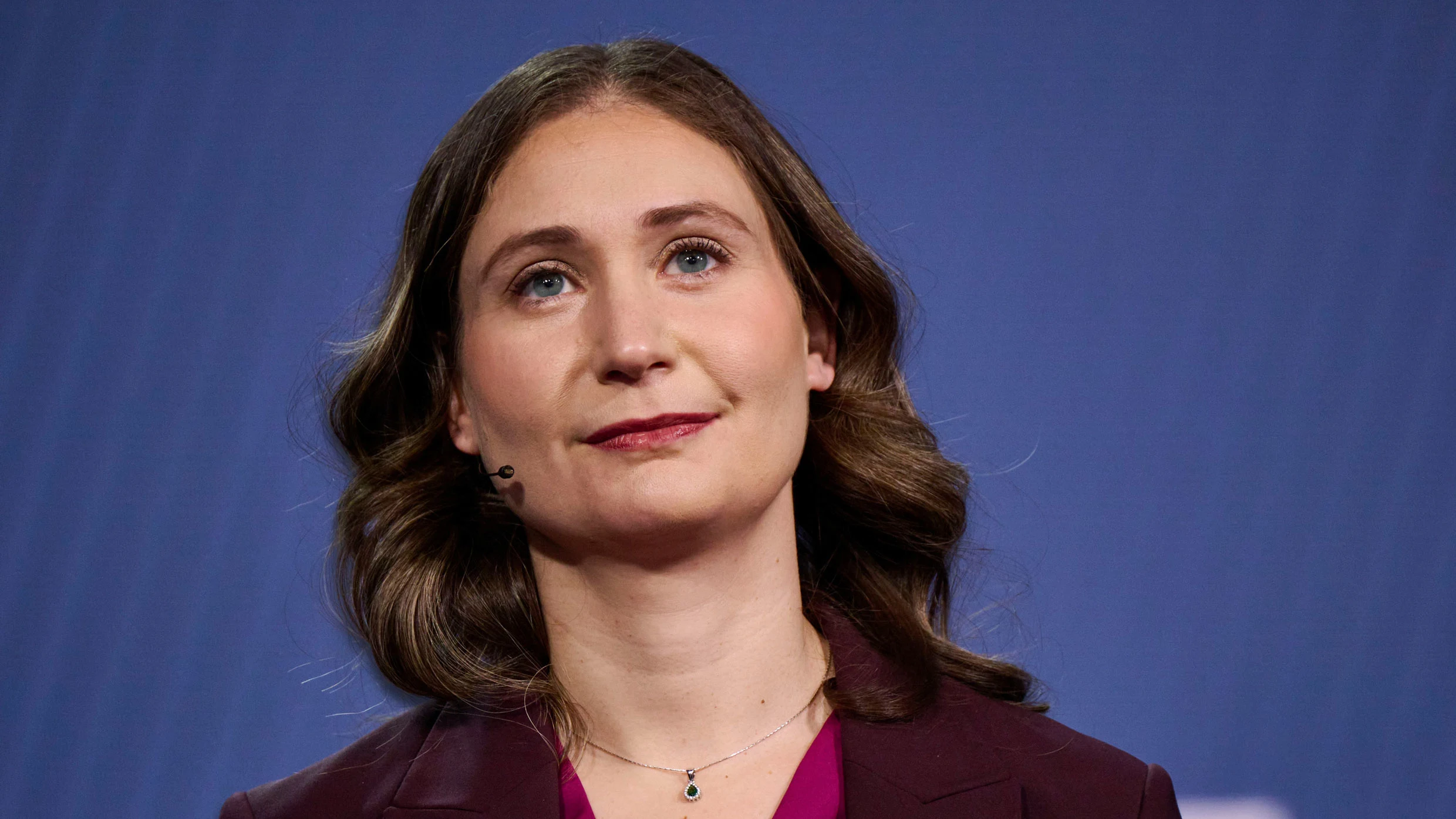
“Trust is what unlocks deployment at scale,” Daniela Amodei, Anthropic cofounder and president, tells. Fast Company in an exclusive interview. “In regulated industries, the question isn’t just which model is smartest—it’s which model you can actually rely on, and whether the company behind it will be a responsible long-term partner.”
That philosophy took concrete form on January 11, when Anthropic launched Claude for Healthcare and Life Sciences. The release expanded earlier life sciences tools designed for clinical trials, adding support for such requirements as HIPAA-ready infrastructure and human-in-the-loop escalation, making its models better suited to regulated workflows involving protected health information.
“We go where the work is hard and the stakes are real,” Amodei says. “What excites us is increasing expertise—a clinician thinking through a difficult case, a researcher stress-testing a hypothesis. Those are moments where a thoughtful AI partner can genuinely accelerate the work. But that only works if the model understands nuance, not just pattern matches on surface-level inputs.”
That same thinking carried into Cowork, a new agentic AI capability released by Anthropic on January 12. Designed for general knowledge workers and usable without coding expertise, Claude Cowork can autonomously perform multistep tasks on a user’s computer—organizing files, generating expense reports from receipt images, or drafting documents from scattered notes. According to reports, the launch unintentionally intensified market and investor anxiety around the durability of software-as-a-service businesses; many began questioning the resilience of recurring software revenue in a world where general-purpose AI agents can generate bespoke tools on demand.
Anthropic’s most viral product, Claude Code, has amplified that discomfort. The agentic tool can help write, debug, and manage code faster using natural-language prompts, and has had a substantial impact among engineers and hobbyists. Users report building everything from custom MRI viewers to automation systems entirely with Claude.