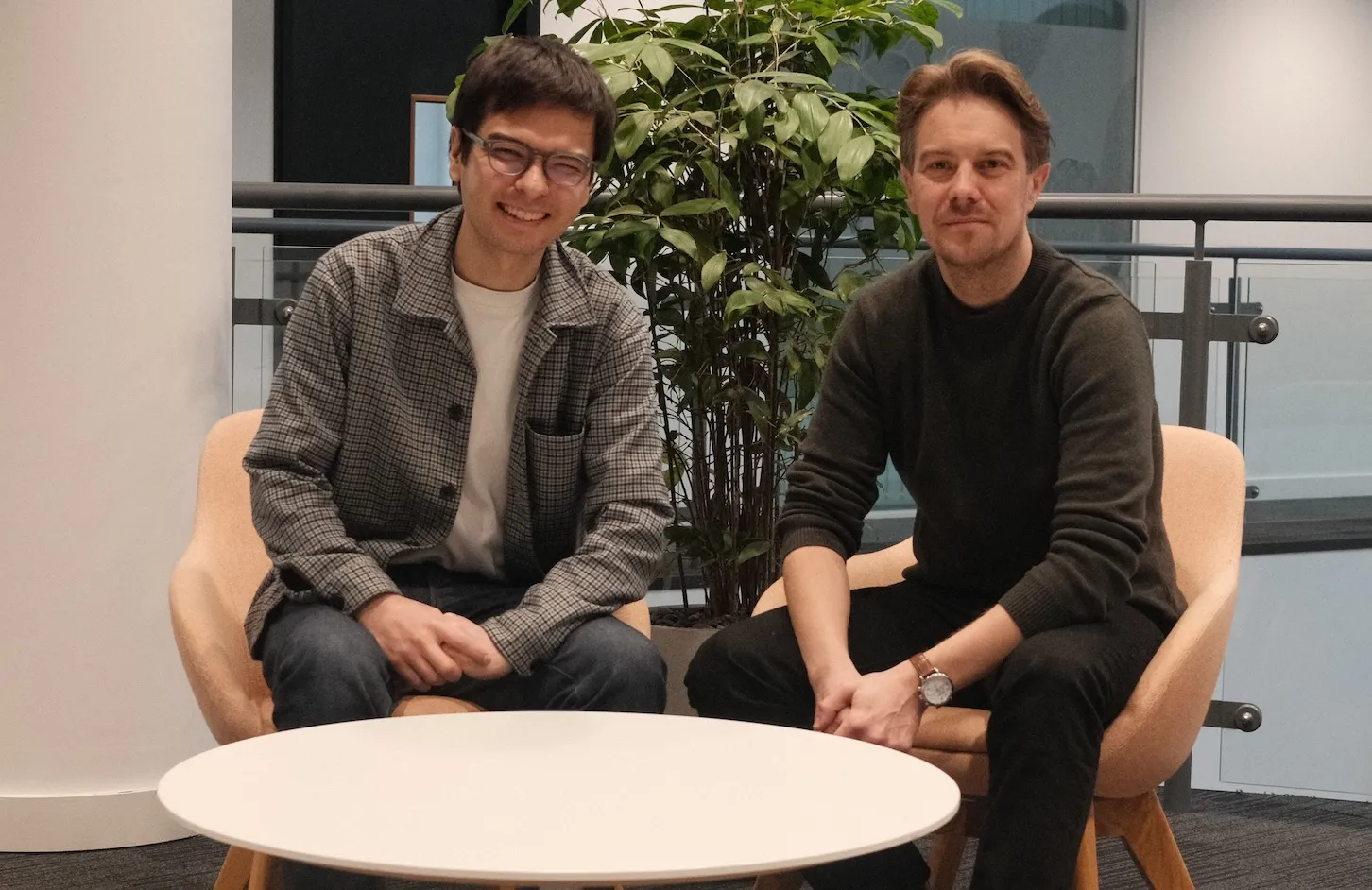
Ternary Therapeutics, a biotech startup building an AI platform to create a class of medicines known as “molecular glues”, has secured a £3.6m seed investment.
The London-based business was founded in 2024 to develop a platform combining machine learning and physics-based molecular modelling and rapid laboratory testing to design a new class of medicines known as molecular glues.
According to Ternary, these are drugs supposedly capable of targeting proteins long considered ‘undruggable’.
The startup noted that while the approach has been produced in the past, most molecular glues have been discovered by chance, whereas it is building a system to design them deliberately.
It claims its AI models predict how proteins behave and suggest molecules that could bring them together. These are then tested by researchers who feed the results back into the system so the next round of designs becomes progressively more accurate.
“Molecular glues have delivered some of the most exciting breakthroughs in drug discovery over the past decade, but historically they’ve been discovered largely by chance rather than through a systematic process,” said Ternary co-founder Dr Chris Tame.
“Our platform is designed to change that by combining physics-informed AI with rapid experimental validation to engineer these molecules intentionally and at scale. That allows us to approach drug discovery more like an engineering problem than a process of trial and error.”
The seed investment was led by daphni and included participation from Pace Ventures, the i&i Biotech Fund and the UK Innovation & Science Seed Fund, managed by Future Planet Capital.
“Designing molecular glues predictably is one of the hardest problems in drug discovery. Ternary has built a disciplined platform that integrates machine learning, physics and experimental biology to tackle that challenge,” said daphni investor Cristian Pinto.