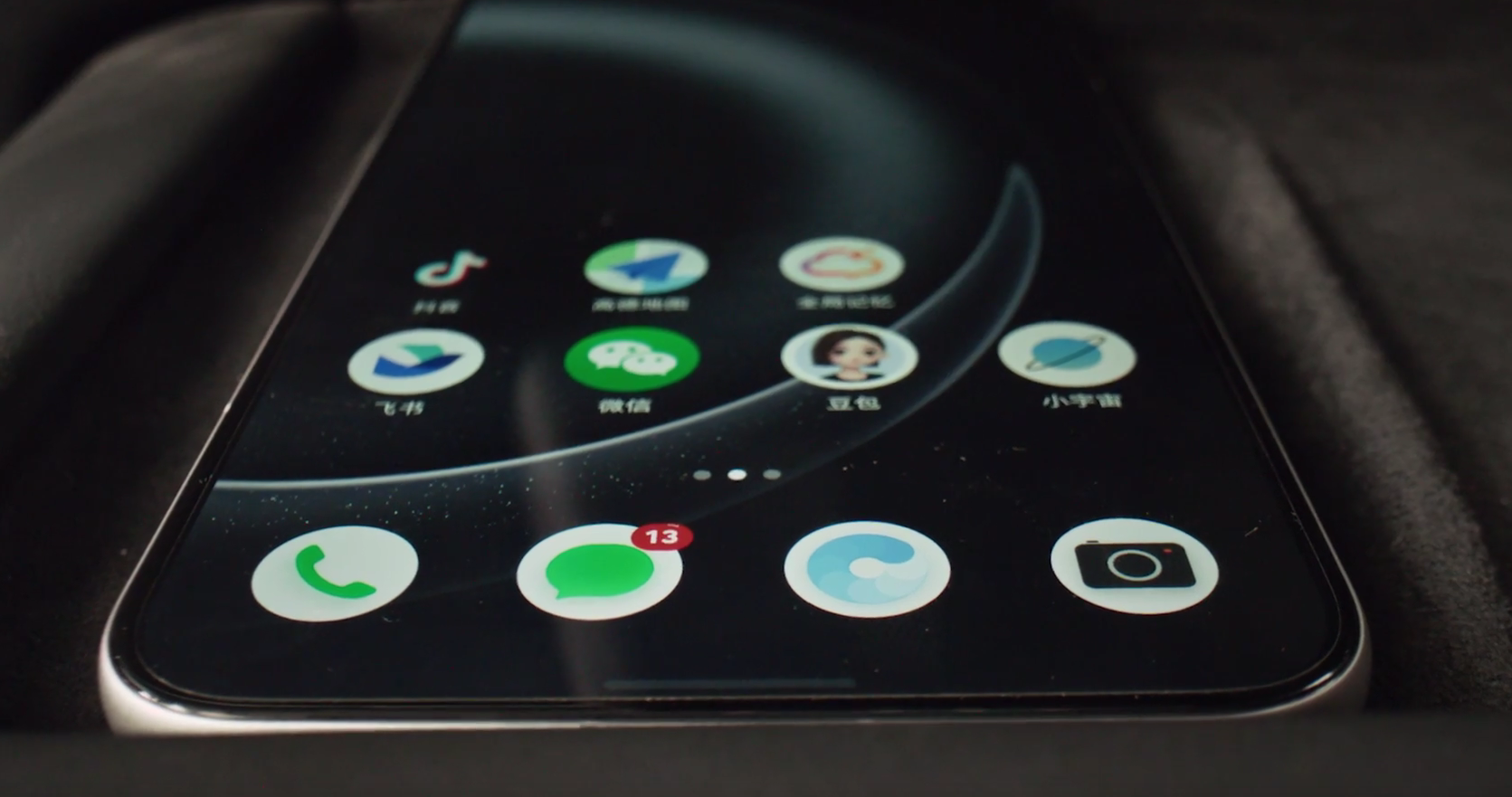
ByteDance is pushing ahead with partnerships with hardware makers including Vivo, Lenovo and Transsion to develop AI smartphones, aiming to preinstall AIGC plug-ins on their devices. Several Vivo employees confirmed to Jiemian News that Vivo and ByteDance have already agreed to cooperate and are currently discussing the specifics of the partnership.
Why it matters: ByteDance’s move is intended to gain user access through preinstalled AIGC plug-ins, to reverse AI’s current passive role at the execution level, and to explore new ways to monetize traffic.
Details: The move will create a new AI ecosystem model combining internet giants and hardware manufacturers. The strategy signals a shift in China’s AI smartphone market from a phase of independent development to one of collaborative ecosystem building.
- ByteDance plans to waive custom development fees and share revenue from Token sales, letting smartphone manufacturers earn directly from traffic distribution, subscriptions, and secondary traffic, sources said. The collaboration model is designed to create a new path for monetizing user traffic and to allow manufacturers to benefit from it. Discussions on the plan are still at an early stage.
- ByteDance plans to push traffic to mid-range smartphones priced above RMB 2,000 ($285), which will start with newly released models from phone manufacturers and later extend to other devices via OTA (Over-The-Air) system updates, according to Jiemian.
- Once the scale reaches 150–200 million devices, it will compete with other internet companies. Sources said that ByteDance’s strongest channels are currently overseas, and AI smartphone campaigns will most likely also focus on overseas markets.


Context: On December 1, ByteDance and ZTE launched the Nubia M153 prototype with a preview version of Doubao, ByteDance’s in-house AI assistant. Priced at RMB 3,499 ($495), the device is positioned as an AI-native smartphone.
- Its core advantage lies in Doubao Mobile Assistant’s high-privilege agent capabilities, which allow it to execute complex tasks across apps, such as ordering food, sending WeChat messages, and comparing prices while shopping. This is made possible by the deep integration of its GUI-based multimodal large model with system-level permissions.
- However, the phone also faces several challenges after its release. Some major apps have restricted Doubao Mobile Assistant’s access due to security concerns—for example, WeChat may report an abnormal environment, and Taobao may trigger human verification. Additionally, Doubao Mobile Assistant has certain limitations in execution speed and handling dynamic content.
Related