




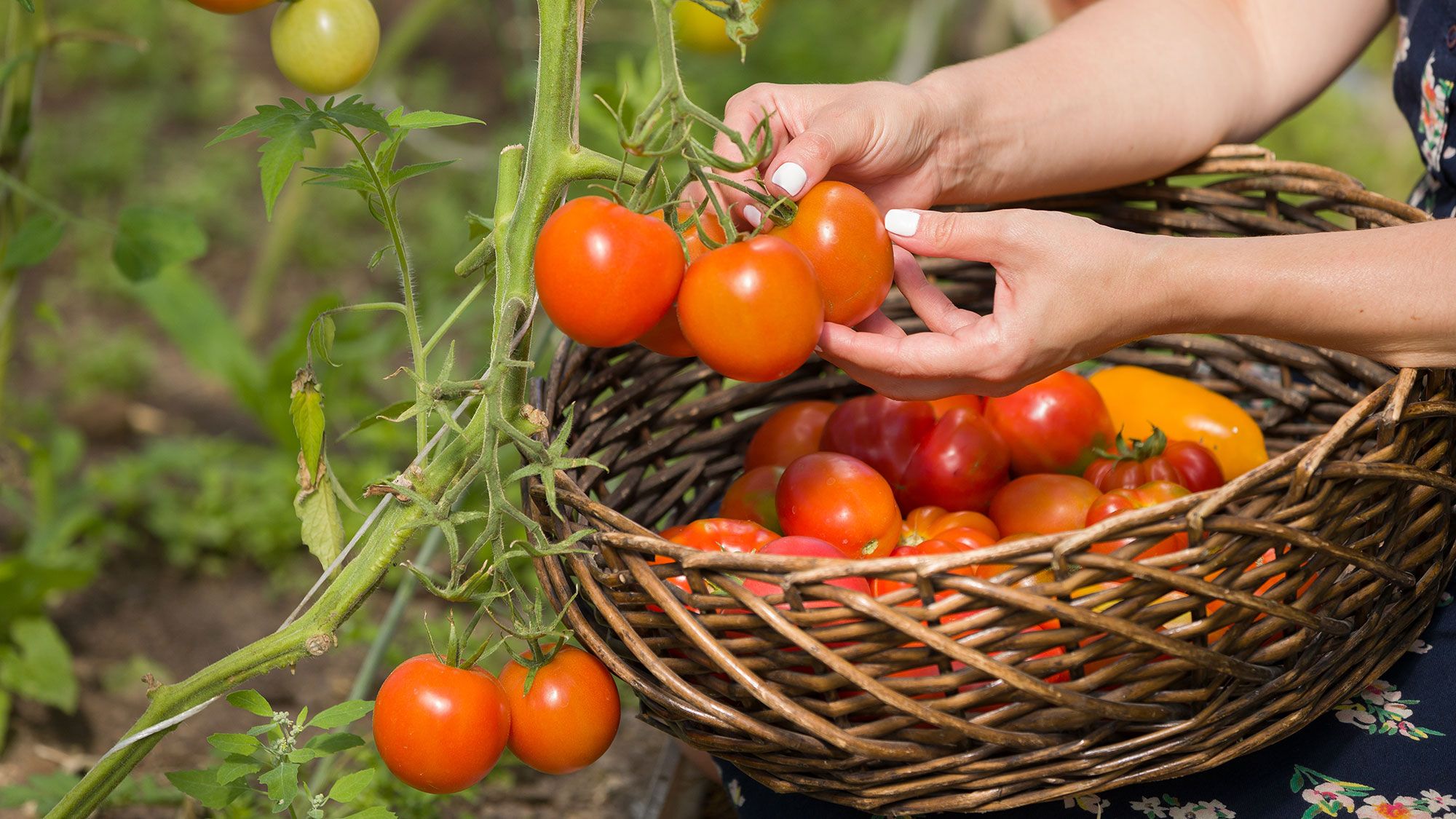
Growing tomatoes is one of the most accessible ways for people to produce their own food, making it a great choice for both experienced gardeners and amateur green thumbs. Not to mention that the vine is an attractive addition to the garden throughout its maturation – think of elegant green tendrils, the first blush of a newly formed fruit, the juiciness of a fully ripe tomato.
If you’re a fellow lover of tomatoes, then you’re probably wondering when you can get started on this year’s crop. Fortunately, the right time to plant could be sooner than you think.
Tips for growing tomatoes from seed
Before you put seeds in the soil, make sure you are well-versed in the tomato’s specific growing conditions. This will ensure that any plants will be suitably nourished and able to grow a bounty of tomatoes. A happy plant is a productive one!
Article continues below
“Growing your own tomatoes to enjoy in salads, soups, or canned sauces later in the year is a great way to incorporate fresh ingredients into your meals,” said Rebecca Sears, CMO & Resident Green Thumb at Ferry-Morse. “But like anything worthwhile, tomatoes require a bit of planning and patience.”
Broadly speaking, tomato plants prefer, warm temperatures, above 50 degrees F, and ideally settling in the 70–80 degrees F range during the day, plentiful direct sunlight, meaning 8+ hours per day when plants are mature, sufficient airflow between plants , and well-draining, fertile soil. Plus, don’t forget that tomatoes require consistent watering, especially during the hotter months of the year.
“Proper watering is key to healthy tomatoes,” explained Halina Shamshur, resident botany expert at plant identification and care app Plantum. “Always use room-temperature water, since cold water can stress the plants and cause the leaves to yellow, darken, or even become deformed. It’s best to fill a container with water and let it sit for a day before use. During summer, water your plants once or twice a week – or more often in hot weather – after the topsoil has dried slightly. “
Of course, different varieties may have slightly different preferences when it comes to sunlight, soil type, and overall climate. The good news is that this means there is almost definitely a tomato variety that is well-suited to your specific environment! For best results, take the time to review your specific seed type and learn of any variations in care that your tomato plant may need.
Can I start planting in April?
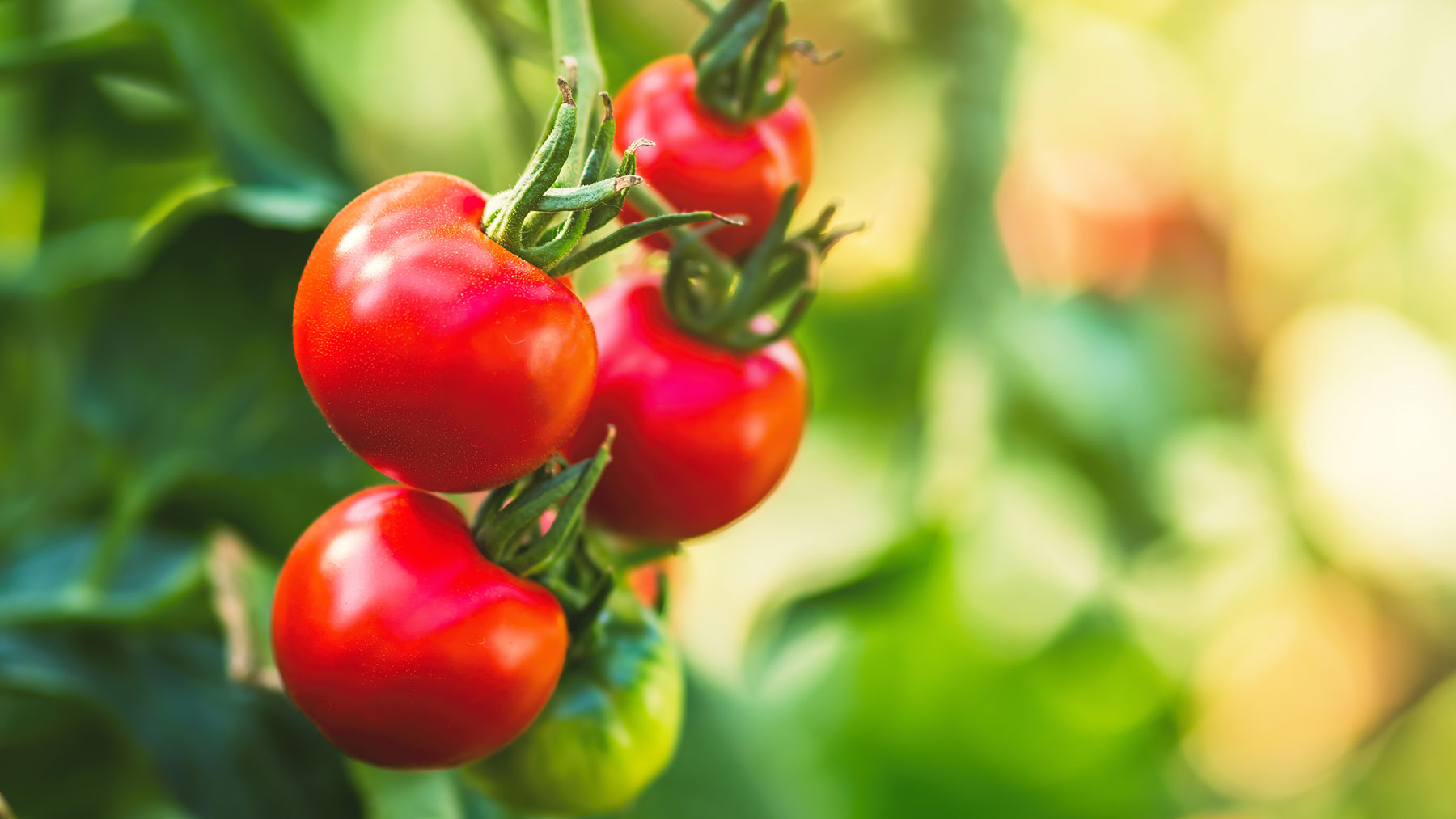

The US is a large agricultural region that spans many different growing zones, so the right time and method to plant tomato seeds will vary between regions. However, as a general rule of thumb, April is a suitable time to get your seeds started – as long as your current climate meets a specific criteria.
“Understanding your local climate and planting timeline is key to helping tomatoes establish properly and produce a successful harvest,” said Sears. “It’s important to consider frost timing and your growing zone. Because tomatoes are sensitive to cold, they should only be planted outdoors after the last expected frost, when both air and soil temperatures are consistently warm.”
The last average frost date is the most important detail to keep in mind when determining your planting schedule. If young tomato plants are caught by a surprise frost, that could kill them before they have a chance to strengthen and mature. Remember, these are summer icons for a reason! Tomatoes thrive in the warmer conditions of June, July, and August.
It’s important to consider frost timing and your growing zone. Because tomatoes are sensitive to cold, they should only be planted outdoors after the last expected frost, when both air and soil temperatures are consistently warm.
Rebecca Sears, CMO & Resident Green Thumb at Ferry-Morse
Protect your seedlings by waiting until after the last frost date before planting outdoors. In many parts of the US, especially those with temperate climes, this will be in early April. If you are in a hotter, southern region, then it may have already occurred earlier in the year; colder, northern regions may need to wait until later in April.
Fortunately, even if you are in a more northern growing region, or are simply experiencing a colder spring than usual, you can still begin growing your tomato plants. You will just need to start them indoors, either in the home or in a greenhouse, to produce the desired warmer conditions.
“If in April the daytime temperature is around 50–59°F (10–15°C) and the night-time temperature drops to 37–39°F (3–4°C), there’s no need to rush to plant them outdoors,” advised Shamshur.
Tips and tricks for planting tomatoes
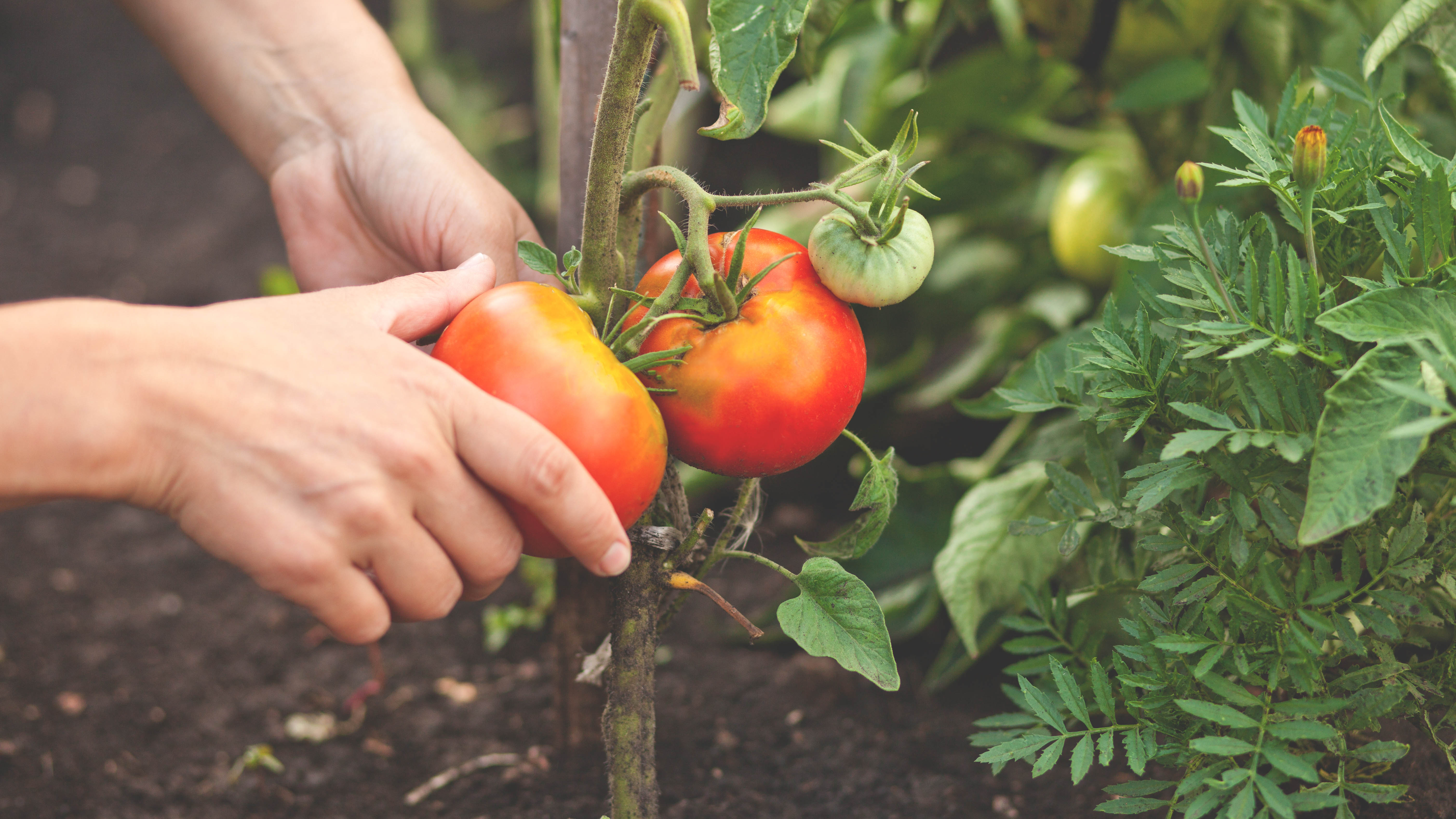

There’s nothing worse than being disappointed with a summer harvest, simply because you made a small error months before. Starting off on the right foot can make all the difference when it comes to an abundance of tomatoes later in the year. That’s one reason that, even if you live in warmer weather, many gardeners prefer to start tomato plants indoors because they have greater control over the growing environment.
To increase your chances of success, there are a few things to keep in mind. Firstly, how long does it take for your tomato variety to mature?
“Planting timing can also vary slightly depending on the tomato variety, with some types maturing faster or tolerating cooler conditions better than others,” states Sears. “Early Girl tomatoes, for example, mature in about 50-60 days, while Beefsteak tomatoes may take closer to 80-100 days.”
When deciding when to plant during the month of April, count backwards from when you’d like to begin harvesting your first crop. Some plants may need a head-start, while others may prefer a late-April planting.
Additionally, seeds started indoors will need to be hardened off before they’re transplanted outdoors. If you begin your tomato plants in an indoor environment, the shock of moving them outside can interrupt their growth. To minimize the disruption of the relocation, it is recommended to get the plants adjusted to the outdoor conditions by exposing them slowly over a two week period. This is known as “hardening.”
“Start by placing the seedlings outside for just an hour or two, then gradually increase the time by about an hour each day,” recommended Shamshur. “Choose a bright, sheltered spot protected from direct sunlight to prevent the leaves from getting sunburnt. On the day of planting, water the seedlings thoroughly so the soil ball stays intact when you remove them from their containers.”
Finally, consider the future size of your plants at full maturity. When you’re looking at a pile of seeds in your palm, it might be hard to envision a thriving tomato vine several feet tall.
But it’s important to carve out enough space at the beginning for when each plant reaches maturity. Make sure to space individual seedlings several inches apart to ensure sufficient airflow when they are larger. You will also want to have a supporting structure or trellis available for when the plants grow taller, so be sure there is sufficient room to accommodate that.
With any luck, you’ll have a juicy, bountiful tomato crop for summer.
Gardening essentials we love
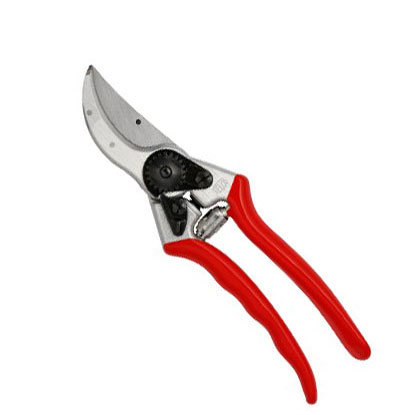



Amazing Stuff
Garden Gloves
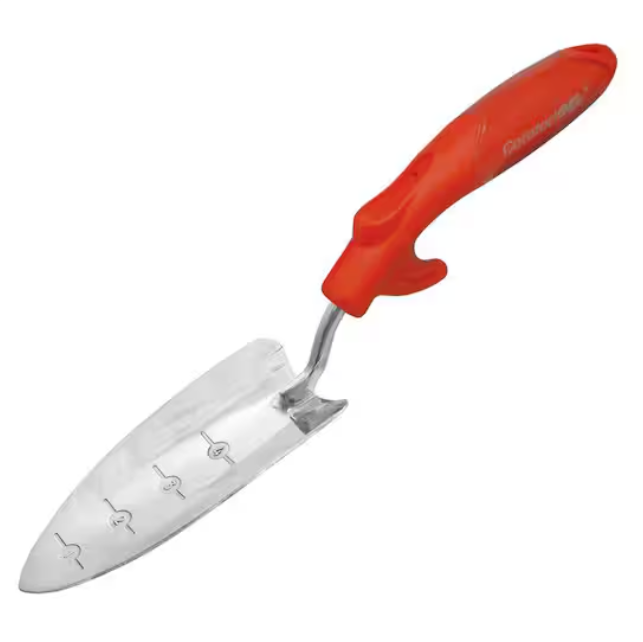

Corona
ComfortGEL 6.5 inch Stainless Steel Hand Trowel:



Follow Tom’s Guide on Google News and add us as a preferred source to get our up-to-date news, analysis, and reviews in your feeds.


