If we look for the general meaning of censorship, we’ll find something like this: “the suppression or removal of writing, artistic work, etc. that are considered obscene, politically unacceptable, or a threat to security” [Oxford Languages]. A key detail missing in that concept is according to whom. According to whom, is XYZ obscene, unacceptable, or a threat? Why? And why must everyone else accept that this “who” changes the truth just because they want to? You see, this is why crypto was born: to be censorship-resistant.
In our context, censorship-resistance happens when anyone, everywhere, anytime, is capable of accessing and using a crypto network, and no third party (government, company, or powerful individual) can stop them from doing so. Once data or a transaction is recorded in this system, it can’t easily be altered, blocked, or deleted, and nothing can prevent it from being recorded.
Let’s see how this plays out.
Why Censorship Resistance Matters in Finance
Besides writing or artistic works, monetary transactions can also be censored and stopped. Financial censorship is even common all across the world, and in many cases includes innocent people. For example, victims from oppressive regimes, in which ‘politically unacceptable’ and ‘threat to security’ mean they’re just disagreeing and being unfairly punished for it.
Banks and similar financial firms follow rules established by governments (no matter if they’re good or bad), and they can freeze any account at any moment. As we mentioned above, drastic cases include government oppression, but that’s not the only reason for censorship. PayPal, for instance, has a lot of frustrating cases.
In 2005, they blocked an account opened to raise Hurricane Katrina relief funds. After nearly $28,000 were donated in nine hours, the processor alleged fraud and froze the funds. They even refused to donate this money themselves. In 2010, WikiLeaks was its next victim, due to regulatory pressure. Other people have experienced censorship just because they don’t use their accounts enough, so, apparently, that’s suspicious.
No one should be able to impede you from transacting with your legitimately owned money, period. Cryptocurrencies were built to avoid this exact situation by providing a technical stack that cannot be tampered with.
Tech Doing the Magic in Crypto
We have some techniques that set crypto apart from banks or centralized companies as far as resistance to censorship and openness is concerned: a pseudonymous distributed network, political decentralization, and consensus mechanisms. They all vary from network to network, but they must be there to even give it a try at being immutable.
A distributed network is a system where many computers (called nodes) run the same software and keep copies of the same data. In this case, our software is the involved cryptocurrency.
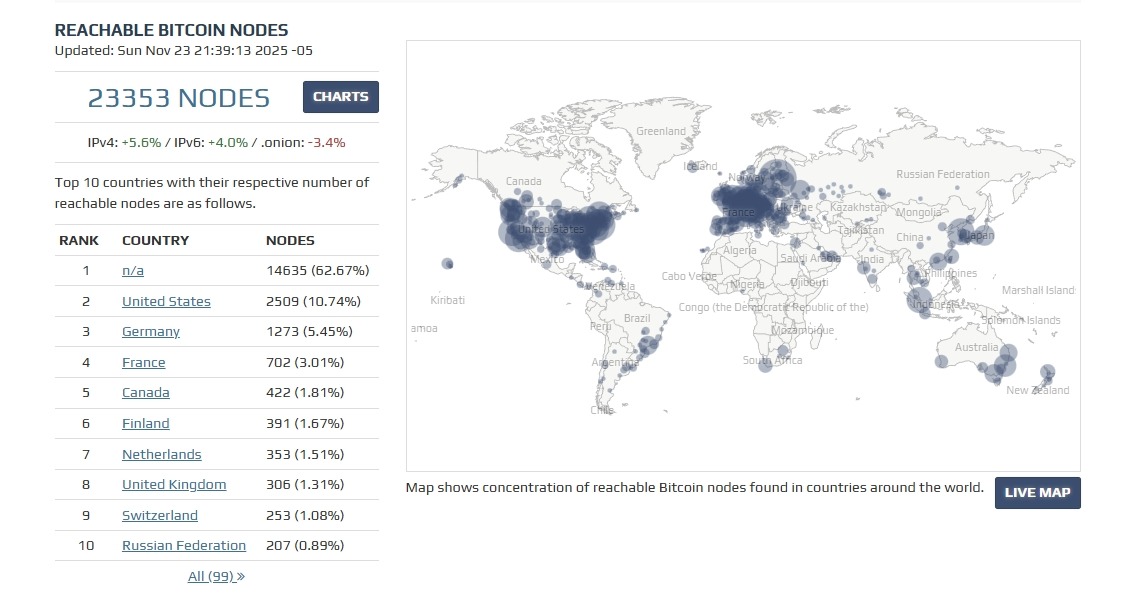

Instead of having a single central server, there are hundreds or thousands of devices worldwide running the same ledger of transactions. No identification for them is required, just a “pseudonym” —which could be an alphanumeric address. If one node goes out, the rest keep working, and anyone can be part of this. Anyone can be their own node.
Decentralized Consensus
Political decentralization implies that control of that distributed network is also distributed: no single party (company, organization, or individual) can make big decisions. In many cases, the code is open-source (anyone can check it and modify it), nodes are allowed to vote, and there are no companies behind. Even if there are, they shouldn’t hold the power to change the network.
Finally, consensus mechanisms are the processes that allow those nodes to agree on the same result, without needing to know or trust each other. They’re not a list of recommendations, but a set of strict, automated rules engraved in unchallengeable code. Examples of it include Proof of Work (PoW) and Proof-of-Stake (PoS).
By mixing these elements, we can avoid censorship most of the time, because there’s no single place or party to shut down or take over. If a powerful faction wants to block funds, they’d need to stop all these independent nodes at once or change all previous transactions. Furthermore, operations are governed solely by the rules of the code.
Good and Bad Examples
Bitcoin is, of course, the first example of this kind of decentralized currency. It’s not perfect (nothing is), but it’s been robust enough to get this far since its launch in 2009 by an anonymous author. It’s open-source, pseudonymous, and there’s no company or organization behind it. Just a network formed by thousands of nodes worldwide.
Its consensus mechanism is Proof-of-Work, in which every node must provide some ‘work’ by solving a complex cryptographic puzzle (crypto mining) before getting the right to add a new batch (block) of valid transactions.
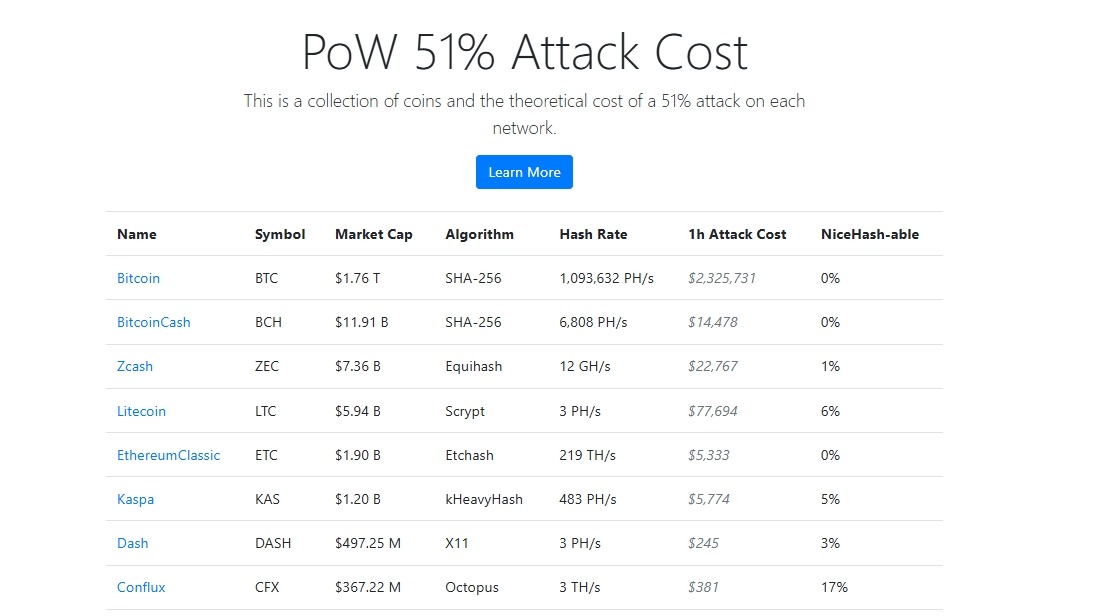
Until now, no one has been able to block Bitcoin transactions at the protocol level. There are some risks with a PoW system, though, because miners are the ones deciding which transactions to include in a block. A 51% attack could happen if most of the miners collude: they could change the blockchain history. However, this is unlikely and extremely expensive in big networks like Bitcoin. The cost is usually not worth it. While rewriting the history is expensive, preventing individual transactions from being included in blocks is possible and costs nothing, if the 51% majority of miners agrees to do so.

Ethereum is also a distributed, open-source network, but it uses another consensus mechanism: Proof-of-Stake. This one replaces miners and ‘work’ for “validators” and tokens. Nodes must block (stake) a certain number of coins if they want the right to approve transactions. This ‘right’ could lead to censorship, though. After the Tornado Cash sanctions, for instance, some validators simply played it safe and skipped the sanctioned transactions.
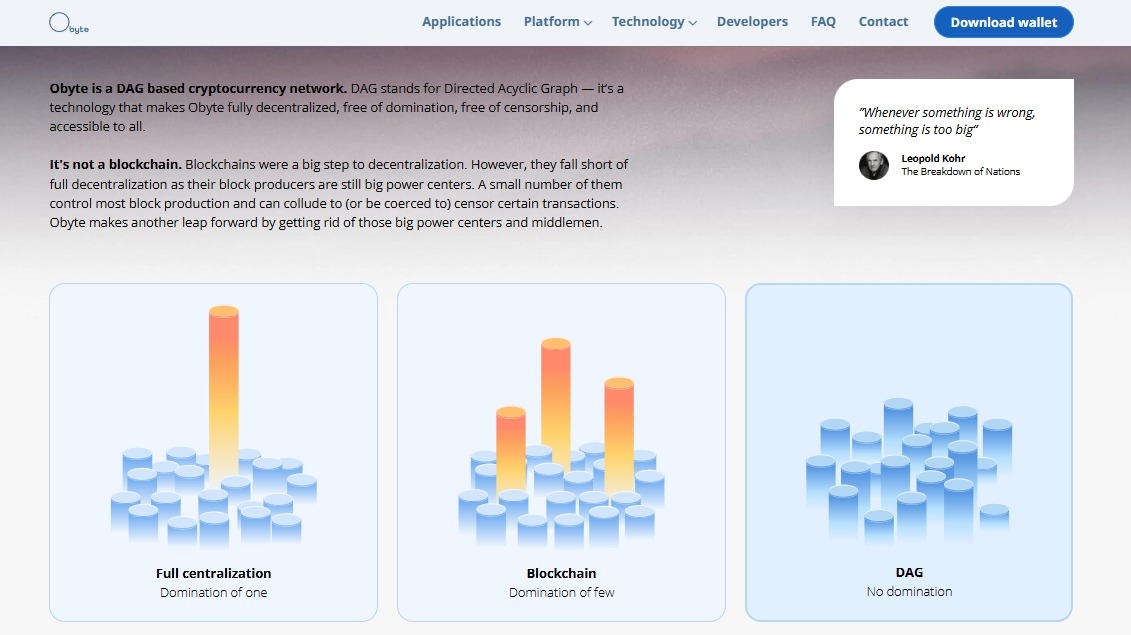
Obyte takes a step further by getting rid of all middlemen between a transaction and its final approval —including miners and “validators.” This crypto network uses a Directed Acyclic Graph (DAG) instead of a blockchain, which allows every user to add their own transactions to the system. No external approval needed. This way, Obyte is a more censorship-resistant and decentralized ecosystem.

Limits and Expectations
For better or for worse, cryptocurrencies aren’t disconnected from the traditional financial system… and that means their ‘decentralized’ powers have limits. If you want to trade them for your national currency, there’ll be compliance rules. Identity verification on exchanges. Risk of blocked accounts and frozen funds on exchanges, of course. No matter how censorship-resistant the crypto network is, per se, if you’re using the services of a middleman (a company). These are at the mercy of regulations and potential censorship.
Regulations are another big limit as well. Some countries have banned crypto entirely, or have put heavy limitations to its use. For instance, it’s completely illegal for individuals in Morocco to use crypto, and even a French man was arrested and jailed for it. Checking related laws in every jurisdiction is important to avoid trouble as a user, even if, in theory, no one can stop you from opening a wallet and using crypto.
Still, censorship-resistant crypto keeps improving. As tools become more decentralized and user-friendly, people can rely less on fiat currencies and middlemen and gain more control over their money, while regulated environments still exist in parallel.
:::info
Featured Vector Image by vectorjuice / Freepik
:::
n