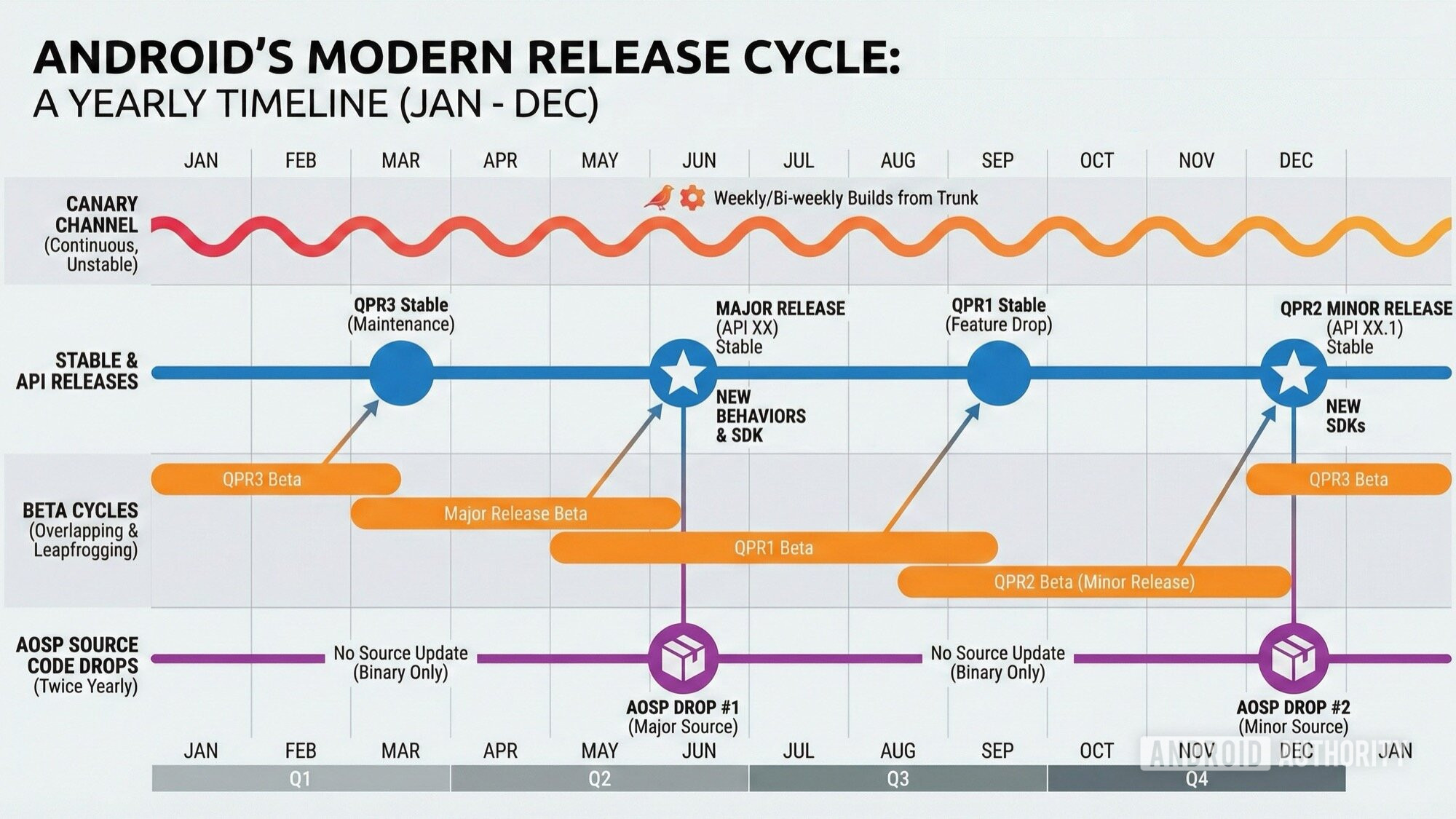
It’s all very messy. Even someone like me, whose job is to follow Android, kept getting confused by all the overlapping update cycles and feature releases. So I dug in and tried to make sense of the madness. The result is this single graph that visualizes and summarizes Android’s current, not-so-straightforward update state. Keep reading below the graph for the full explanation of what each release means and what you can expect from it.
Are you confused by Android’s QPRs, betas, Canary, SDK, and AOSP release timelines?
0 votes
Google’s plans can change at any time! The current schedule is what we expect based on Google’s historical release cycle and its more recent plans and changes. There may be a month’s difference, give or take, at each step of the release cycle, but this is the closest approximation we have.
Android’s 2026 yearly release in graph form

Rita El Khoury / Android Authority
In 2026, we expect Google to follow the same update blueprint it introduced in 2025, while accommodating more recent changes, such as the switch to a twice-yearly AOSP source code drop and the new frequent Canary releases.
Expected Android Canary 2026 release schedule
Let’s start with the most unstable, experimental, and developer-oriented version of Android: Canary. Google should carry on with its continuous builds throughout 2026. On average, Google has released a full new Canary build once a month in 2025, and we expect this to be the case for 2026.
Right now, if you flash the Canary 2601 (“26” for the year, “01” for the month) on your Pixel 6 or newer, or you try it out in Android Studio, you’ll get to experience some early Android 17 code and features such as a better-organized System Settings page and a rounder brightness slider. Likewise, towards the end of 2026, Canary releases will likely tease 2027’s Android 18 codename and features.
- January: Android Canary 2601
- February: Android Canary 2602
- March: Android Canary 2603
- April: Android Canary 2604
- May: Android Canary 2605
- June: Android Canary 2606
- July: Android Canary 2607
- August: Android Canary 2608
- September: Android Canary 2609
- October: Android Canary 2610
- November: Android Canary 2611 – hints of Android 18 should start here
- December: Android Canary 2612
Expected Android stable 2026 release schedule

Rita El Khoury / Android Authority
The timeline gets a bit more complicated when we move on to the betas and stable releases. But let me try to keep it as simple as possible.
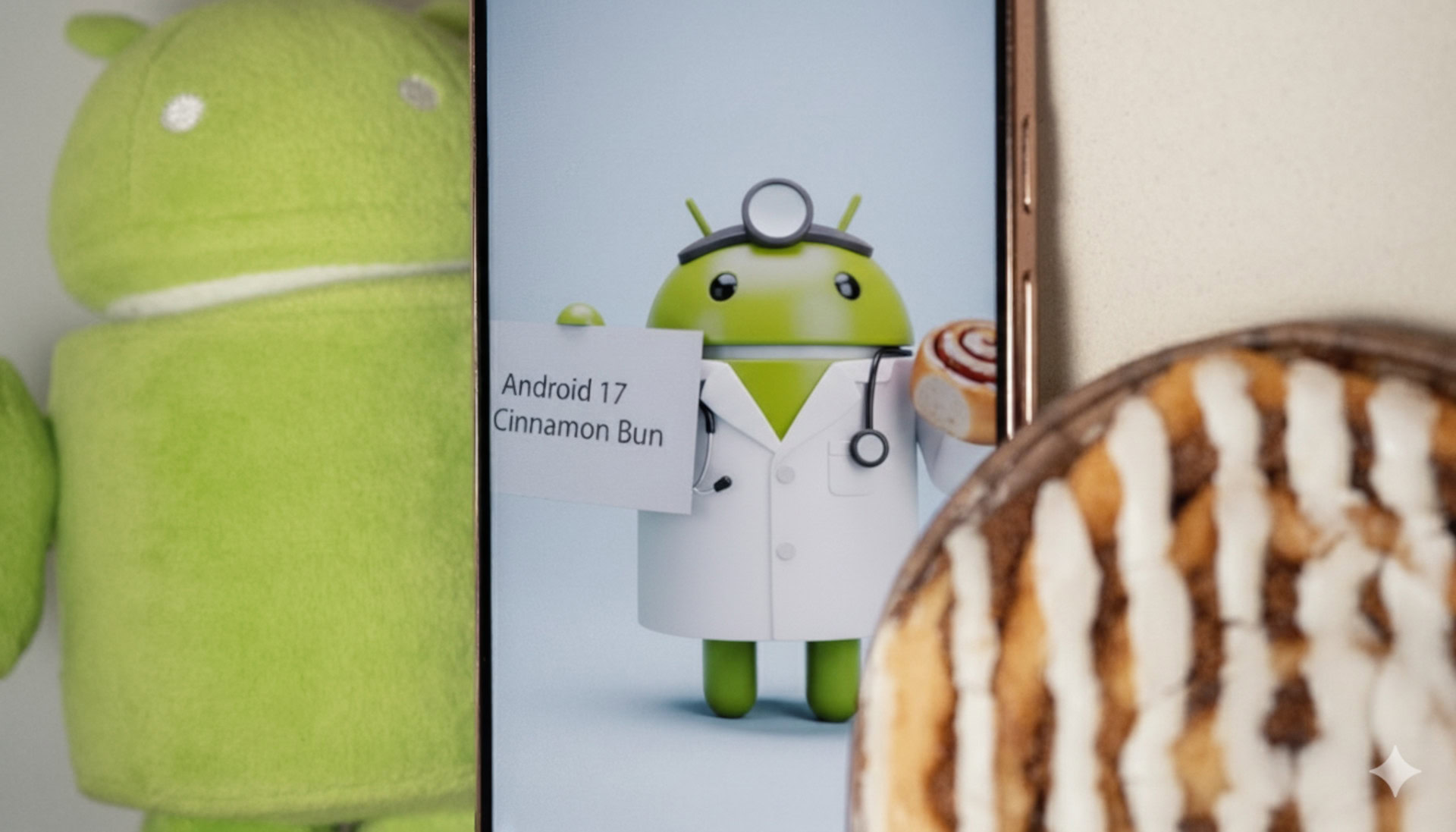
Android 17 Cinnamon Bun is expected to launch in its stable form for Pixels in Q2 2026, around June, to follow Google’s new release timeline. This will be the major SDK update: It will bring new capabilities for developers under API level 37 (the new Contacts Picker is a potential addition), and with it will come the full AOSP source code drop. Custom ROM developers will be able to use this code to build new versions and incorporate all the interesting Android 17 changes in their forks.
Google’s biannual schedule plans for another “minor” Android platform release in Q4, expected around December 2026. This mid-cycle release helps bring new APIs (likely under API level 37.1) and capabilities to Android without waiting another six months for the big update, and should keep it in line with the requirements of our fast-evolving times. Just like the major release, the minor update is accompanied by another AOSP source code release.
Between Q2 and Q4, Google will fill the void with smaller quarterly releases that mostly include visual and feature changes but don’t affect developers or how their apps behave on Android. Historically, Google has used the first release — “QPR1” for Quarterly Platform release 1 — to drop a bunch of Pixel-exclusive features, since it generally coincides with the new Pixel’s launch around September-October.
As for the final release or QPR3, it’s often a very minor upgrade that just smooths wrinkles and polishes features before the cycle starts again with another stable Android version. QPR3 usually happens in the first quarter of the following year. So, in 2026, we’ll see the QPR3 of Android 16 around February-March, whereas Android 17’s QPR3 will come in February-March of 2027.
- First quarter (March): Android 16 QPR3
- Very minor maintenance release, bug fixes, some new Pixel features, no new SDK/APIs
- Second quarter (June): Android 17
- Major new Android release, new SDK, API level 37, new source code
- Third quarter (September): Android 17 QPR1
- Big Pixel exclusive features, no new SDK/APIs
- Fourth quarter (December): Android 17 QPR2
- Minor Android release, minor SDK update, API level 37.1, new source code
Expected Android Beta 2026 release schedule

Adamya Sharma / Android Authority
Walking back from the stable versions, it’s easy to figure out a period of three to four months where each stable version is tested in beta. This public beta program is obviously more stable than Canary builds, and Google makes it easier for normal users like you and me to test. You can opt your device in to receive the beta at google.com/android/beta and leave the program at any time, either immediately by wiping your phone or by waiting a bit until there’s a newer, stable build to keep your data intact.
When you see something like “Android 17 QPR1 beta 2,” you should deduce that this is the second public beta being tested before the official release of Android 17 QPR1, i.e., it’s probably happening before the end of Q3 2026. With that in mind, this is what we’re expecting this year:
- January to March 2026: Android 16 QPR3 beta
- March to June 2026: Android 17 beta
- June to September 2026: Android 17 QPR1 beta
- September to December 2026: Android 17 QPR2 beta
- December to March 2027: Android 17 QPR3 beta
Notice that the March-to-June period is marked as an Android 17 “beta.” Historically, this used to be when Developer Previews were released, but 2026 will be different. Developer Previews have been sacrificed for Canary builds, as I’ve explained earlier, so we should jump straight to the betas in March.
Monthly security patches, Android and Pixel drops
On top of everything related to the Android platform release, Google will also be busy working on another set of updates. Expect monthly security patches for your phones, especially if you have a Pixel or a recent Samsung flagship, as well as two sets of “drops” for Pixels.
Google has toyed with the naming, schedule, and scope of these drops for a few years, but in general, the Android Feature Drop usually coincides with the QPR releases and brings some Pixel-agnostic app-centric changes to Android. Google Messages, Maps, and Photos are the biggest recipients of these.
Next to it, the Pixel Drop can really be anything Pixel-related, from phone to watch to buds. It sometimes happens at the same time as the QPR release, while at other times it might pop up unexpectedly in a random month. Pixel Drops usually pack Pixel-only features that may or may not come to other Android phones in the future.
Of course, as with anything Google, plans might change, and things could wiggle back and forth by a month or so, depending on how far along Google is in its development cycle, but this timeline should give you a general idea of what to expect from Android in all of 2026. And boy, are we in for a very busy year!
Don’t want to miss the best from Android Authority?


Thank you for being part of our community. Read our Comment Policy before posting.