The AI race just took a major turn to begin 2026 when China banned imports of Nvidia’s H200 chip. The decision, first reported by The Information and later clarified by Reuters, is somewhat vague, causing some observers to predict that it is intended to preserve Beijing’s flexibility in ongoing Sino-American trade negotiations. The impetus behind China’s newly imposed limits is equally opaque, with experts positing a variety of motivations, ranging from a desire to boost domestic chip production to potential security concerns and bargaining tactics. No matter the logic, however, the decision will have wide-ranging effects on Beijing’s AI development efforts.
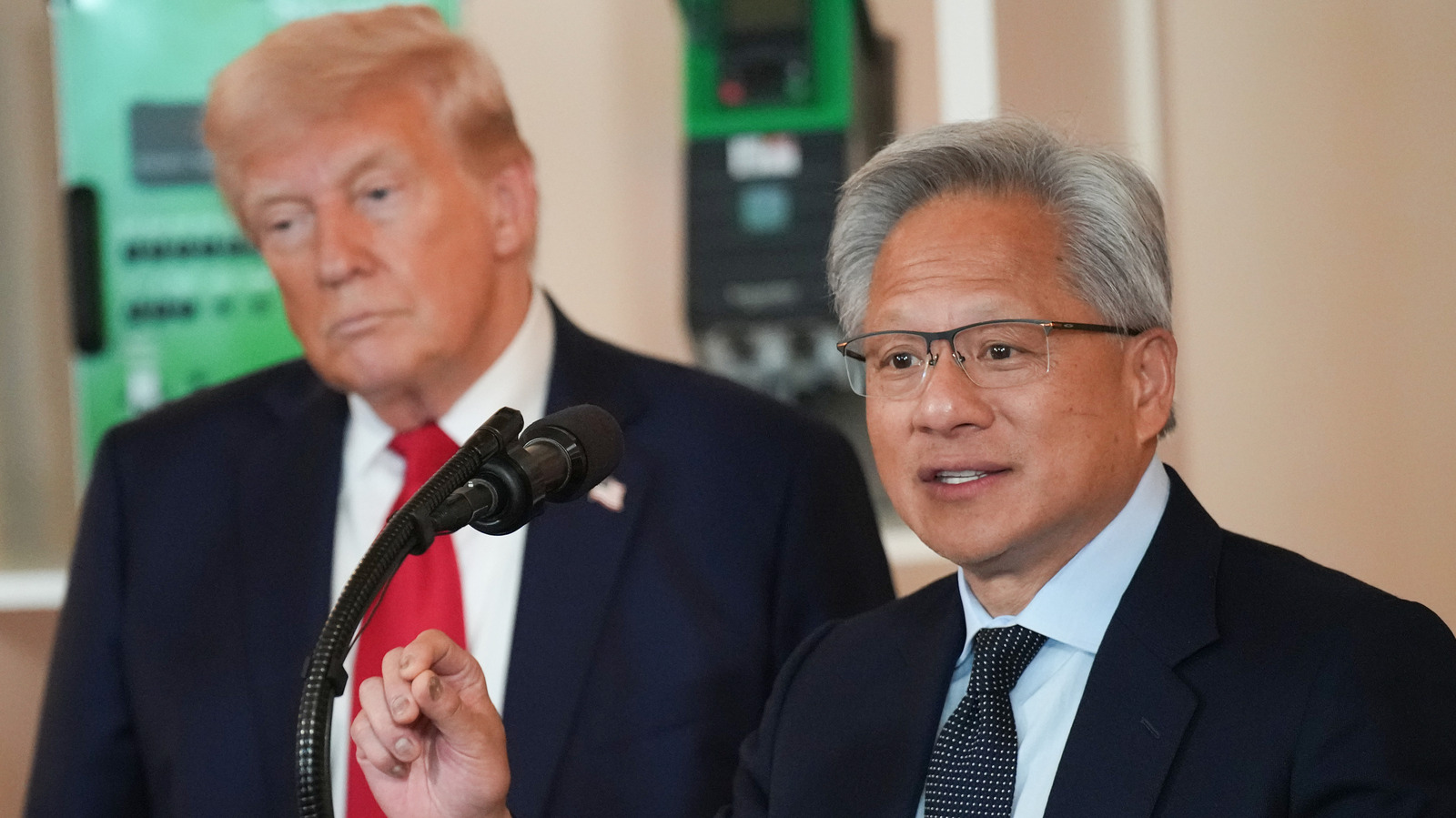
The move comes after the Trump administration approved Nvidia’s overtures to sell Chinese firms their H200 chips. The measure included several caveats, including a 25% cut for the U.S. government, roughly 10% higher than those imposed on the less powerful H20 in August. As the most advanced chip cleared for Chinese export, Nvidia’s H200 is a key AI accelerator critical to Beijing’s ongoing development of frontier AI systems. This is particularly true given the country’s difficulties in developing high-powered chips domestically. Trump’s decision sparked widespread criticism, as some worried that an infusion of Nvidia chips could undermine America’s technological advantages. Trump’s AI advisor, David Sacks, however, has argued the opposite, stating that fostering a dependence on American hardware could discourage Chinese competitors from focusing on chip development.
This political jockeying could have major repercussions across Nvidia’s business model, China’s AI production, and America’s AI-dependent economic growth. Whether Beijing will recant on its ban before Chinese developers can fill its Nvidia-sized void through a combination of domestic production, black market imports, and technological workarounds will likely determine the next phase of the AI arms race.
Weaning off Nvidia

Beijing’s ban comes a week after it directed companies to pause imports of the H200 in favor of domestic hardware. According to The Information, Chinese authorities first mulled counteracting Nvidia’s market dominance by requiring developers to buy a percentage of their chips from domestic manufacturers. Instead, it began imposing limits on H200 imports earlier this week, restricting purchases to “necessary” and “special” circumstances like development labs and university research. According to an inside source interviewed by Reuters, however, “The wording from the officials is so severe that it is basically a ban for now, though this might change in the future should things evolve.” Reportedly, Beijing likely plans to meet with firms regarding the pause to deliver additional guidance (via Reuters).
The back-and-forth reflects Beijing’s complicated road to AI dominance, underscoring a delicate balancing act between spurring domestic development and counteracting an entrenched dependence on Nvidia-made chips. According to Ray Wang, an analyst at SemiAnalysis interviewed by CNBC, roughly “60% of the leading AI models in China” depend on Nvidia’s AI hardware. This over-reliance on foreign chips could limit the long term autonomy of its AI industry. Conversely, cutting off access will certainly slow down progress in a time-sensitive race to market dominance. Historically, Beijing has viewed the H200 as a means of treading that line, allowing Chinese companies to keep pace while developing domestic chipmaking capacity. According to sources at Nvidia (via Reuters), Chinese firms had ordered more than $54 billion worth of H200 chips for 2026, totaling roughly 2 million, and far exceeding Nvidia’s 700,000 chip inventory. And while filling that void will likely prove difficult, the Financial Times reported in August 2025 that Chinese chipmakers are looking to increase the country’s chip production by 200% in 2026.
Complicated logic
On its surface, the Nvidia ban is rooted in counteracting its dependence on foreign chip manufacturers. It follows a similar restriction in September 2025, when the Cyberspace Administration of China (CAC) barred companies like Alibaba and ByteDance from testing Nvidia’s RTX Pro 6000D, a chip manufactured for the Chinese market (via Financial Times). The ruling came as Chinese firms were slated to order tens of thousands of the chip and suggested that Beijing was confident in its ability to craft domestic solutions. The geopolitical implications of China’s Nvidia dependence are complex, as Nvidia manufactures its chips alongside Taiwan Semiconductor Manufacturing Company, the world’s largest producer of advanced semiconductors. Conversely, China’s military would likely need the AI capabilities enabled by Nvidia’s Taiwan-made chips if it were to annex Taiwan in the near future. So although not a primary driving force of the decision, unshackling China’s AI development from its geopolitical rival is a strategic byproduct.
Beijing’s gripe with Nvidia likely extends beyond market dependence. Another sticking point may be security related. In July 2025, the CAC raised security concerns regarding Nvidia’s H20 chip, claiming it may include back doors enabling remote access, tracking, geolocation, and even kill switches. And while Nvidia vehemently denied these vulnerabilities, both Congress and the president have floated tightening export controls through location verification mandates on exported chips (via Reuters). Furthermore, Beijing’s questions parallel worries voiced by U.S. officials regarding widespread usage of DeepSeek and Huawei products.
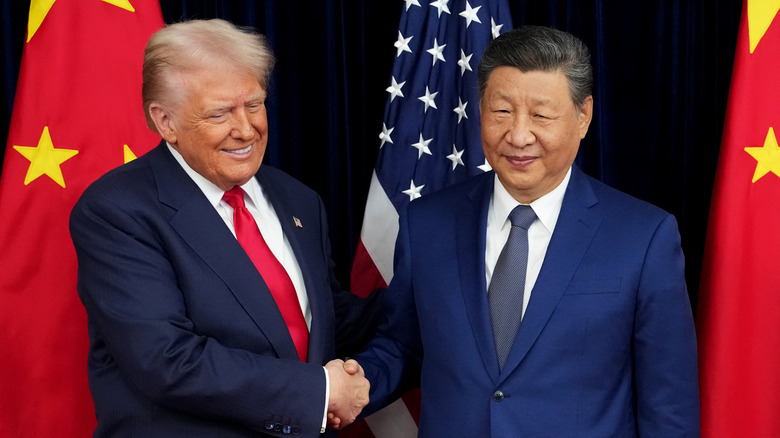
As it stands, China’s explicit motivations, timeline, and enforcement mechanisms for the ban remain unclear. Some observers speculate it is largely a bargaining chip in light of President Trump’s upcoming visit to Beijing in April. Whether the restrictions constitute a strategic shift in Beijing’s AI approach or a well-timed negotiation tactic, however, remains to be seen.