Claude Code vs OpenAI Codex in 2026: A Definitive Guide for AI Coding Agents

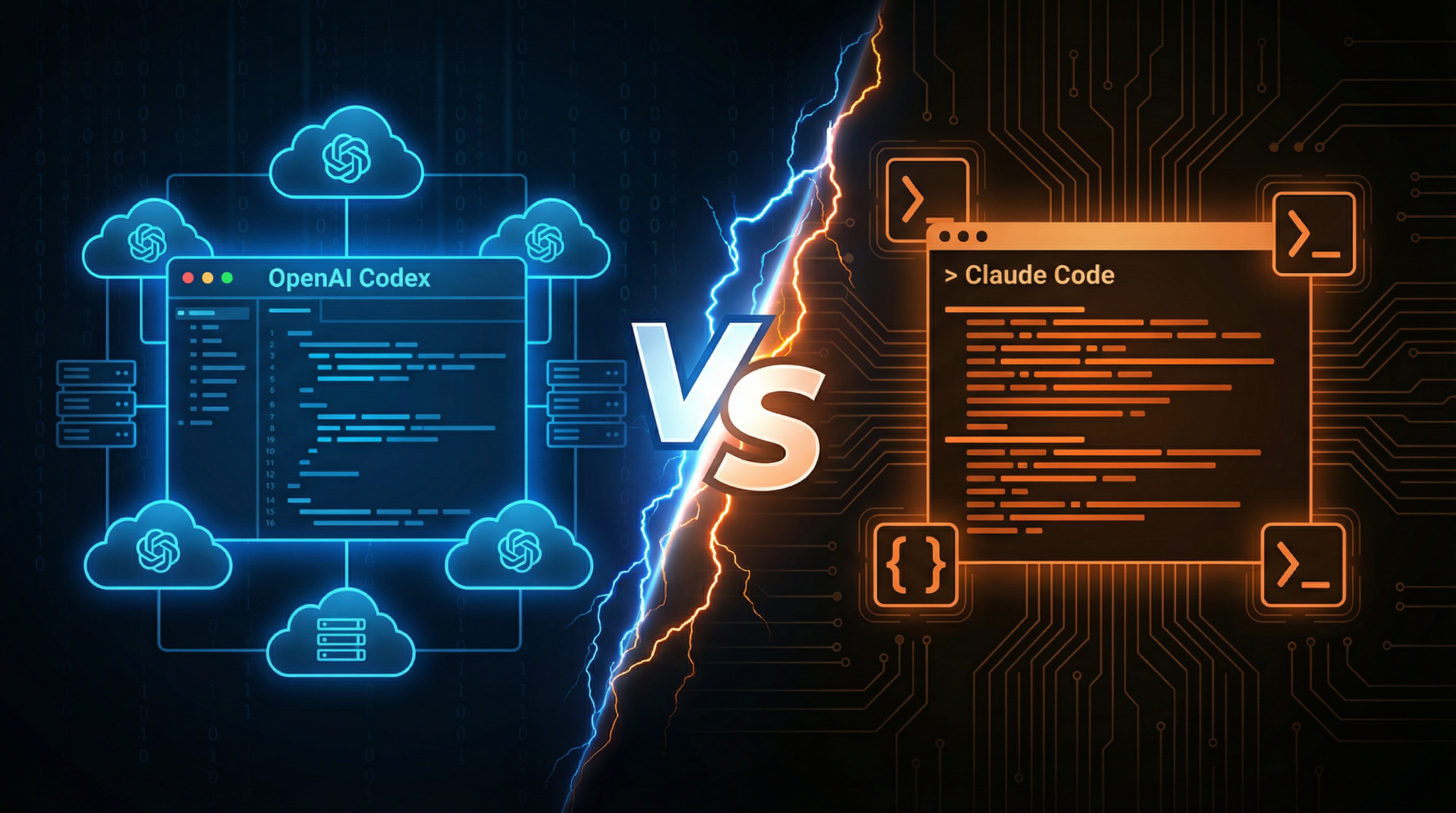
As artificial intelligence continues to redefine software development workflows, 2026 marks a pivotal year for AI coding agents. Among the frontrunners, Claude Code and OpenAI Codex stand out as the most influential and capable platforms powering AI-assisted programming. This comprehensive guide examines both agents in depth, comparing their architectures, capabilities, and strategic directions to help developers, enterprises, and AI enthusiasts understand which tool suits their needs best.
Introduction to Claude Code and OpenAI Codex
Claude Code has emerged as the best overall AI coding agent according to multiple industry rankings and developer surveys. It is a command-line interface (CLI) tool designed for developers and runs seamlessly across various environments, including local machines, cloud servers, and hybrid setups. Its dominance in the market stems from its exceptional ability to solve complex programming challenges, albeit at a premium cost. A significant moment in 2026 was the source code leak of Claude Code’s production-grade architecture, which provided rare insight into its highly optimized design.
On the other side, OpenAI Codex remains the best cloud-based coding assistant, deeply integrated into OpenAI’s expanding ecosystem. Codex now includes a plugin that operates inside Claude Code, reflecting a unique collaboration in the competitive landscape. OpenAI has strategically pivoted towards developer tools, with plans to merge Codex with ChatGPT and the Atlas browser to create a unified coding and browsing experience. Codex’s modular CLI subagents can coordinate specialized AI agents, enhancing its flexibility and enterprise appeal.
1. Architecture and Approach
Claude Code is built as a versatile CLI tool designed for maximum adaptability. Its architecture supports cross-platform deployment, allowing developers to run it locally or in cloud environments with minimal latency. This flexibility is a key reason for its market dominance. The leaked source code in March 2026 revealed a layered transformer architecture optimized for multitasking and long-context understanding, enabling robust handling of large codebases and intricate logic puzzles. Anthropic, Claude’s creator, is also testing the “Mythos” model, which promises dramatically higher capabilities through advanced reinforcement learning and hybrid symbolic reasoning.
Conversely, OpenAI Codex is fundamentally a cloud-native service architected around scalable API endpoints. Its design emphasizes integration with OpenAI’s broader AI ecosystem, including ChatGPT and the Atlas browser, facilitating a seamless developer experience. Codex’s architecture supports subagents—specialized AI components that handle discrete coding tasks such as debugging, code review, or documentation generation. These subagents are orchestrated by a central CLI interface for complex workflows. This modularity enables rapid feature expansion and targeted optimizations.
Both architectures reflect distinct philosophies: Claude Code prioritizes local control and environment flexibility, while OpenAI Codex emphasizes cloud integration and composability within an AI platform suite.
2. Code Generation Quality and Benchmarks
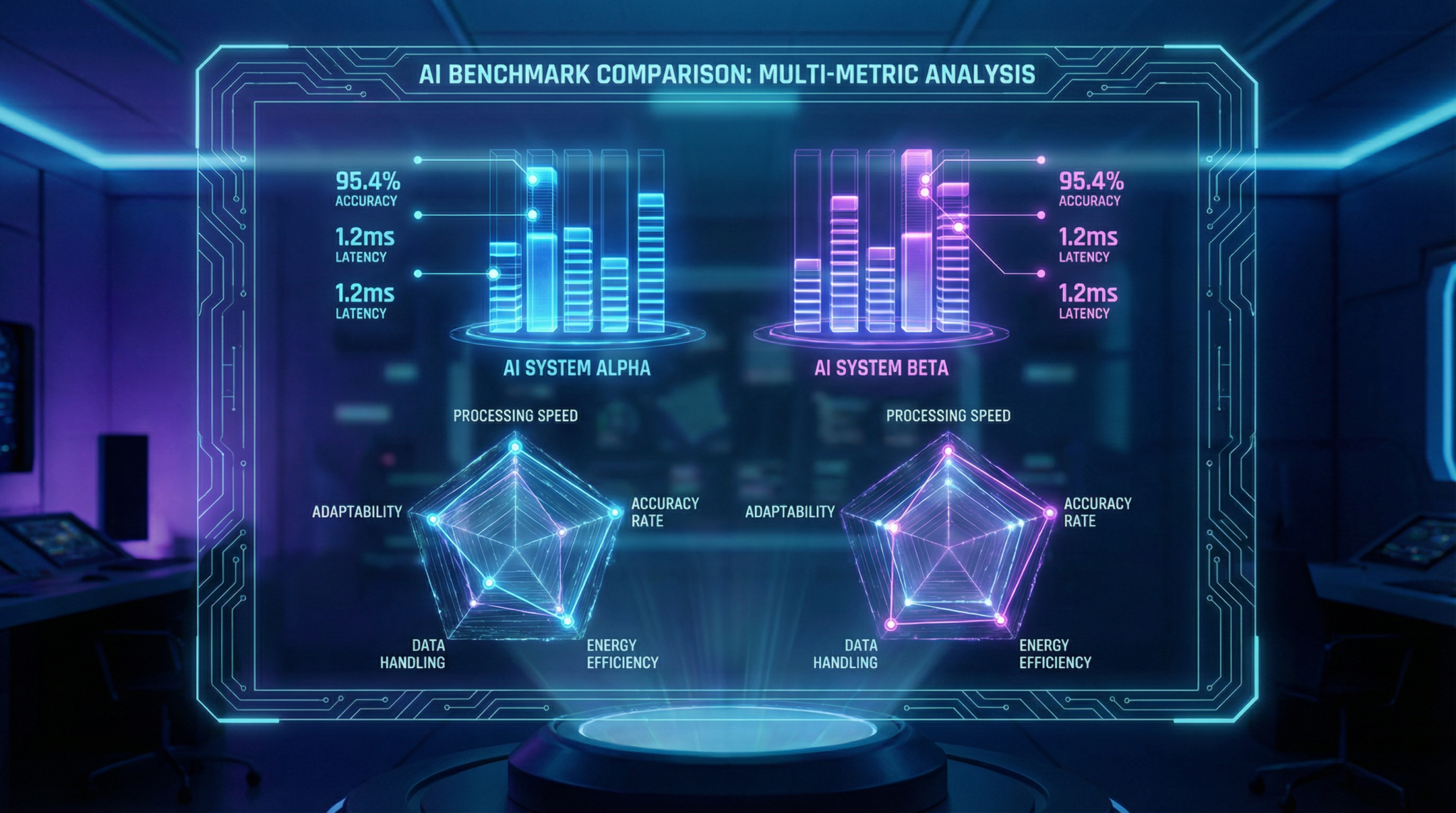
Claude Code consistently ranks highest in code generation quality across industry benchmarks, excelling particularly in solving hard problems that require deep understanding of algorithms, data structures, and domain-specific languages. Its training on diverse and large-scale code repositories, combined with advanced reasoning capabilities, results in fewer errors and more concise, maintainable code outputs.
OpenAI Codex, while slightly trailing Claude Code on the most challenging benchmarks, performs exceptionally well in routine coding tasks and provides robust support for multiple programming languages. Its tight integration with ChatGPT allows developers to refine prompts interactively, producing code snippets that align closely with natural language requirements. The addition of subagents improves Codex’s ability to handle multi-step tasks such as code synthesis, testing, and deployment scripting.
Independent evaluations reveal that Claude Code’s accuracy on complex algorithmic problems exceeds 92%, whereas OpenAI Codex scores around 88%. For general-purpose code generation, both tools hover above 95% accuracy, making them both reliable for everyday coding needs.
3. Token Efficiency and Pricing
Claude Code is known for its premium pricing model, reflecting its high computational demand and advanced capabilities. Its token usage per query is optimized through proprietary compression algorithms and context window management, but the absolute cost remains the highest in the AI coding agent market. For enterprise users and developers tackling mission-critical, high-complexity projects, the investment is justified by the quality and reliability.
OpenAI Codex offers a more cost-effective token pricing structure, particularly for cloud users who benefit from shared infrastructure and volume discounts. Its token efficiency is enhanced by intelligent caching and prompt engineering techniques, which reduce redundant computation. The ability to run Codex subagents on demand allows enterprises to allocate resources dynamically, further optimizing cost-effectiveness.
In summary, Claude Code targets users willing to pay a premium for top-tier performance, while OpenAI Codex appeals to those who prioritize scalable, affordable cloud access without compromising too much on quality.
4. IDE and Workflow Integration
Claude Code’s CLI-first design caters to developers who prefer terminal-centric workflows and seek tight integration with existing development pipelines. It supports plugins and extensions for popular IDEs like VS Code, JetBrains IntelliJ, and Vim, enabling code completion, linting, and refactoring assistance natively. Its environment-agnostic nature allows seamless integration with CI/CD tools and containerized workflows, making it a favorite among DevOps teams.
OpenAI Codex shines in cloud-centric workflows and collaborative environments. Its integration with ChatGPT and the Atlas browser provides an interactive coding assistant experience directly inside web-based IDEs and code review platforms like GitHub Codespaces. The plugin system inside Claude Code further bridges the two ecosystems, allowing Codex’s capabilities to operate within Claude’s environment. This interoperability enhances developer productivity by combining the strengths of both tools.
For teams emphasizing local control and deep customization, Claude Code offers superior flexibility. For organizations relying on cloud-based collaboration and integrated AI assistants, OpenAI Codex presents a more seamless experience.
5. Enterprise Features
Enterprise users benefit from Claude Code’s advanced security features, including end-to-end encryption, on-premise deployment options, and compliance with stringent data governance standards. Its architecture supports role-based access control and audit logging, which are critical for regulated industries. Moreover, Anthropic’s ongoing development of the Mythos model promises further enhancements in cybersecurity-aware coding and automated vulnerability detection.
OpenAI Codex focuses on enterprise scalability and extensibility. Its cloud infrastructure supports multi-tenant environments with granular permissioning and usage analytics. Integration with Microsoft Azure and AWS allows enterprises to embed Codex-powered assistants within existing enterprise applications. The subagent framework also enables customization and specialization for industry-specific coding tasks, improving productivity across verticals.
Both platforms offer robust enterprise-grade capabilities, but Claude Code’s on-premise options and advanced security posture make it preferable for highly regulated sectors, while OpenAI Codex excels in cloud-first enterprises seeking scalable, integrated AI solutions.
6. Multi-Agent Capabilities
Claude Code’s architecture supports multi-agent orchestration natively, allowing complex workflows where agents specializing in different aspects of coding—such as code synthesis, testing, and documentation—collaborate within a unified CLI interface. This multi-agent design facilitates tackling large-scale codebases and intricate programming problems by dividing tasks efficiently among agents.
OpenAI Codex has pioneered subagent technology, where multiple specialized AI agents operate under a central coordinator. These subagents handle discrete tasks such as syntax validation, performance optimization, and integration testing. The modularity of Codex’s subagent system enables rapid iteration and addition of new capabilities, making it highly adaptable to evolving developer needs.
While both platforms offer sophisticated multi-agent support, Claude Code’s architecture emphasizes tight integration and local execution, whereas OpenAI Codex focuses on cloud-based coordination with seamless plugin interoperability.
7. When to Use Each Tool
- Use Claude Code if: You require an all-encompassing AI coding agent capable of solving the most challenging programming problems with high accuracy, prefer local or hybrid deployment for compliance or latency reasons, and are willing to invest in premium-priced tools for mission-critical projects.
- Use OpenAI Codex if: You want a cloud-based, cost-effective AI coding assistant integrated with a broader AI ecosystem (including ChatGPT and Atlas), need modular subagent capabilities for specialized tasks, or seek a collaborative environment accessible from web IDEs and cloud platforms.
Developers and enterprises increasingly adopt a hybrid approach, leveraging Claude Code for high-complexity tasks and OpenAI Codex for interactive, cloud-based workflows. The recent plugin integration inside Claude Code exemplifies this complementary use case.
ChatGPTAIHub Free AI Tools explores how multi-agent systems improve software quality assurance, providing context for Claude Code and Codex’s multi-agent capabilities.
8. Future Roadmap and Trajectory
Anthropic is investing heavily in the Mythos model, which aims to leapfrog current AI coding capabilities by introducing hybrid symbolic-neural reasoning and improved safety mechanisms. The expanded feature set will likely enhance Claude Code’s dominance in high-stakes, complex coding environments. Anthropic also plans to broaden cross-environment support and accelerate ecosystem integrations.
OpenAI’s roadmap centers on deeper integration between Codex, ChatGPT, and the Atlas browser, creating a unified AI assistant that covers the full software development lifecycle from ideation to deployment. The company is also prioritizing enterprise adoption through enhanced security, compliance, and subagent extensibility. OpenAI’s strategic pivot signals a strong commitment to developer tools as a core growth area.
Both platforms’ trajectories suggest continued innovation, with Claude Code focusing on specialized, high-performance local computing, and OpenAI Codex driving cloud-based collaborative AI-assisted development. Developers and organizations should monitor these developments closely to align their AI tooling strategies with evolving capabilities.
Top 5 Advances in Model Optimization for AI Hardware provides detailed analysis of emerging evaluation metrics that will influence future AI coding agent improvements in Claude Code and OpenAI Codex.
Ultimately, Claude Code and OpenAI Codex represent the leading edge of AI-assisted programming in 2026. Their complementary strengths and evolving ecosystems offer developers unprecedented opportunities to enhance productivity, code quality, and innovation.
AI Regulation Battle: Autonomous Agents Transform Business discusses practical approaches to embedding AI coding assistants like Claude Code and OpenAI Codex into modern software engineering workflows for maximum impact.
Author: Markos Symeonides