DLSS 4.5 is out of beta and available to use by everyone. Make sure you update your Nvidia app and GPU drivers and it’s all yours across all the games that already support DLSS 4! Just open the app to update or download it manually here.
But after testing it over the past few days since going eyes-on for the first time at CES 2026, I’ll say it can get confusing to figure it all out. So with that in mind, I want to share the results of all my testing and answer two key questions:
- When should I use DLSS 4.5?
- What is the difference between Model L and Model M?
But first, an explainer.
What is DLSS?
Deep Learning Super Sampling is one of Nvidia’s showcase pieces of AI trickery that extracts better performance from your games.
To do so, it will render a game on the GPU at a lower resolution and use a neural network trained on the game to upscale to a higher resolution.
While from the get-go, you can use an automatic mode in most games, which chooses what’s best based on the specs of your PC, there are four modes to pick from:
- Quality: This renders the game closest to native resolution (normally around 66-70% of resolution).
- Balanced: Finding the mix between getting the best possible textures and frame rates, this will render the game at 58% of your targeted resolution.
- Performance: One step down to maximize frame rate, this will often go for 50% of the resolution.
- Ultra performance: And if you want to go all out on frames, ultra performance will target 33.3% of the total resolution being rendered by the GPU.


These can come with a penalty, and these are usually ghosting (faint outlines around moving objects as DLSS fights to keep up with what’s happening on-screen), shimmering (brightly lit objects being a little bit blown out), overdone AI sharpness at times and rendered detail in the background not being clear until you get closer to it.
In terms of model-naming:
- Model K = DLSS 4
- Model L = DLSS 4.5 targeted at ultra performance mode
- Model M = DLSS 4.5 targeted at performance mode and above
When should I use DLSS 4.5?
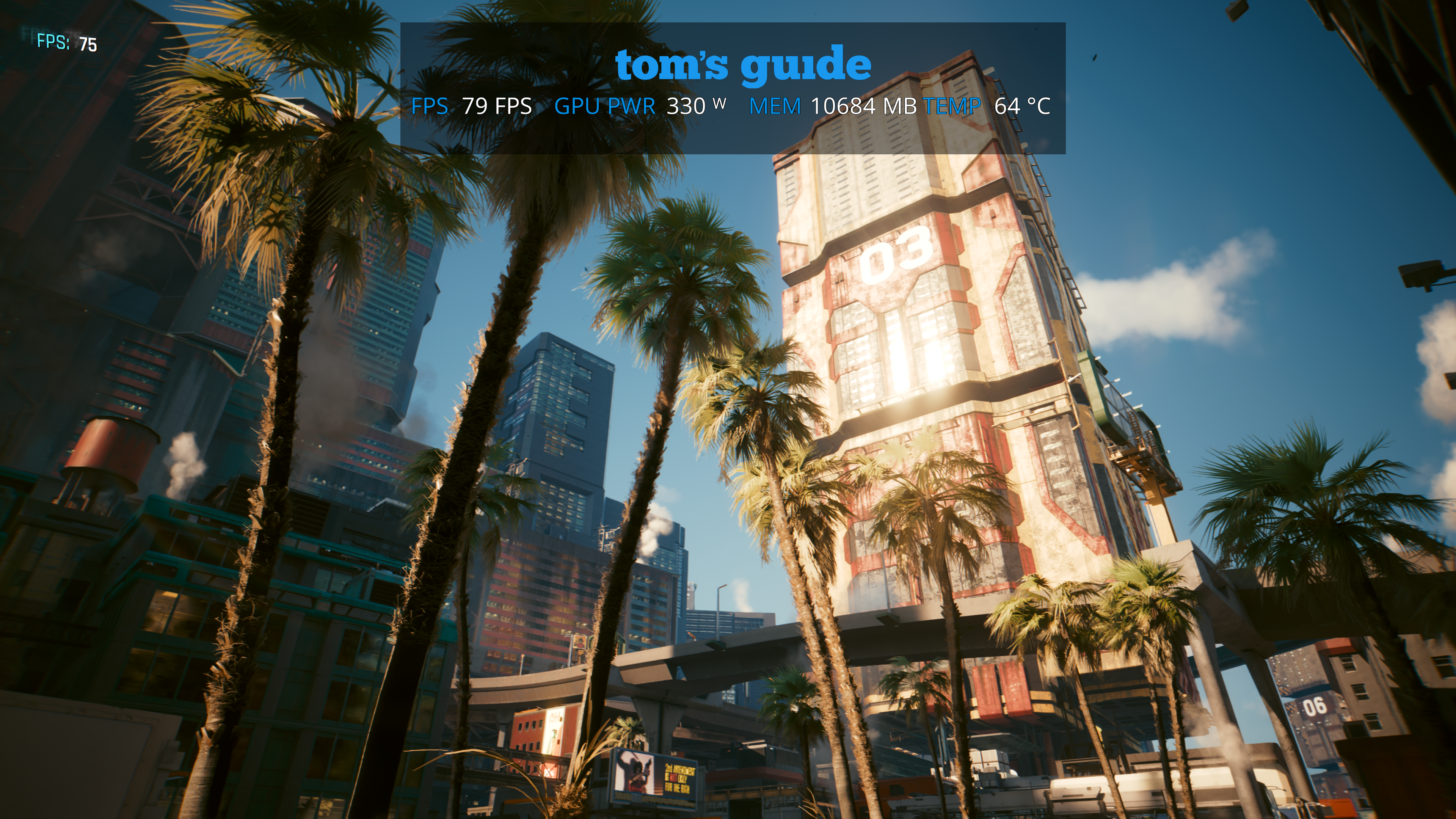
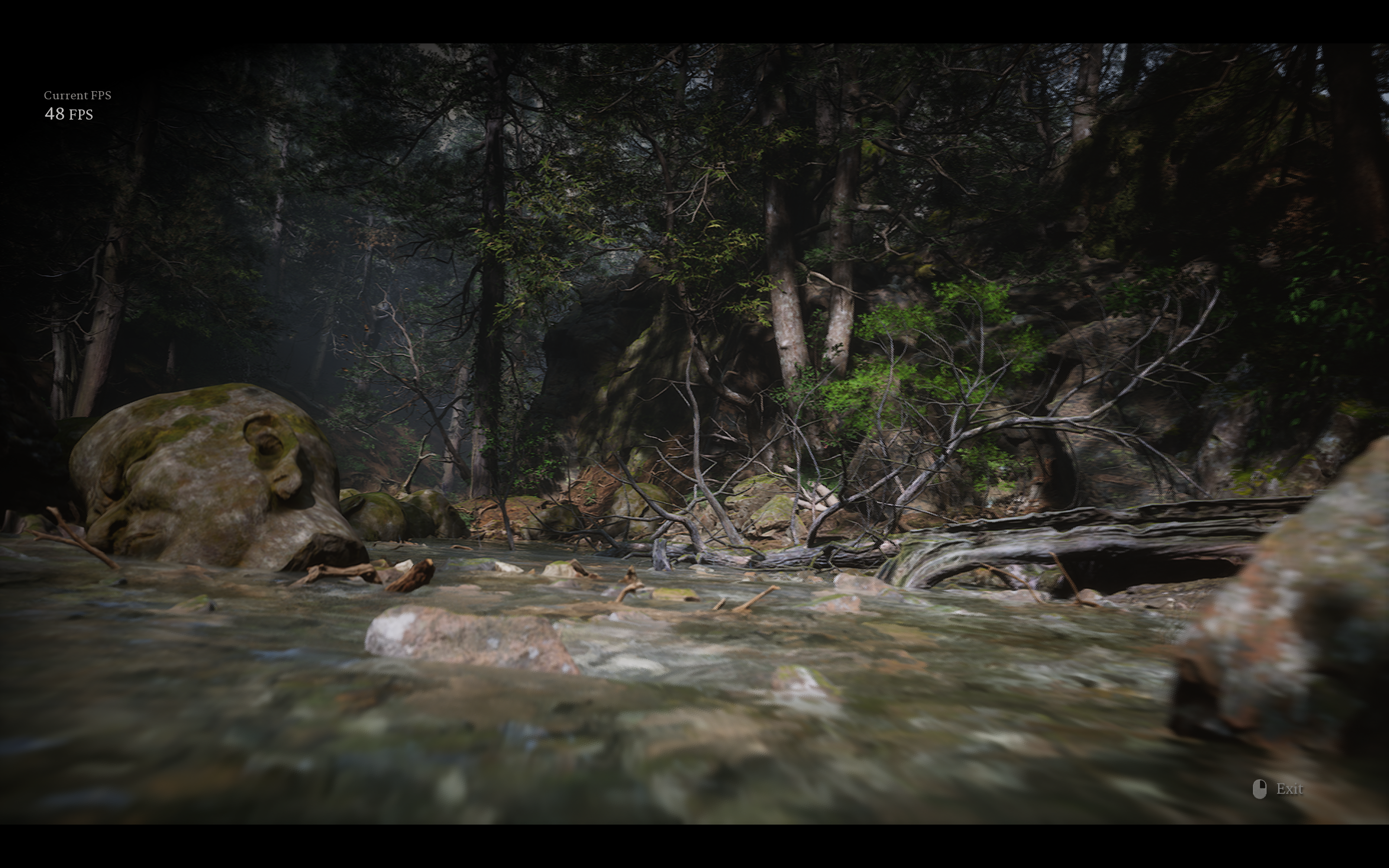
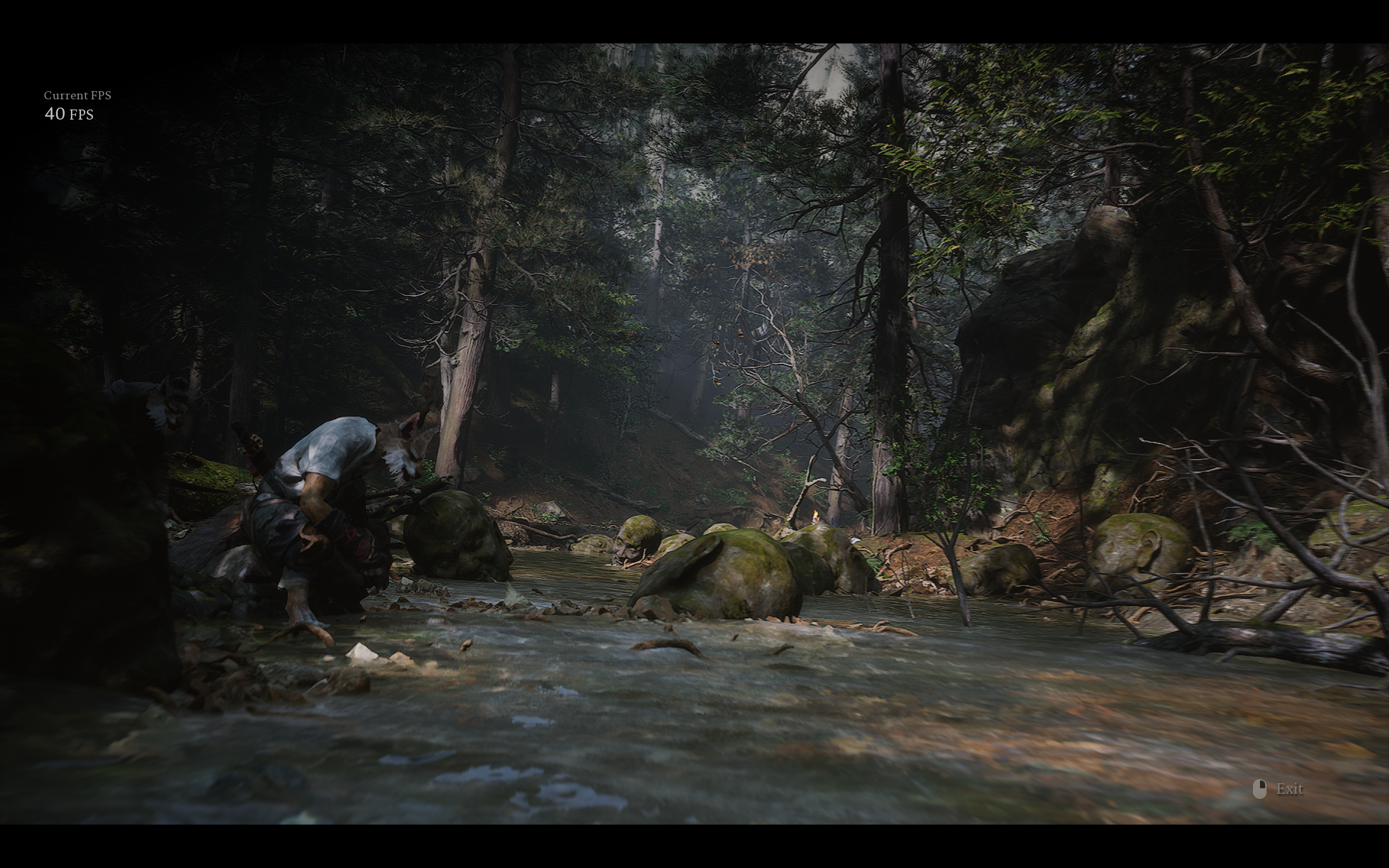
Put simply: use it if you’re opting for performance modes. Nvidia has been clear in saying that’s what this model is targeting, and when put through testing at higher quality modes like balanced or quality, you’re not getting any noticeable uplift in image quality but a lower frame rate. By the way, all these tests are done with frame generation turned off.
Image 1 of 2

|
System |
Black Myth Wukong (DLSS 4 Balanced) |
Black Myth Wukong (DLSS 4.5 Model M) |
Cyberpunk 2077 (DLSS 4 Balanced) |
Cyberpunk 2077 (DLSS 4.5 Model M) |
|---|---|---|---|---|
|
RTX 5080 PC |
53 FPS (4K Cinematic) |
53 FPS (4K Cinematic) |
84.53 FPS (4K Ray-tracing overdrive) |
68.96 FPS (4K Ray-tracing overdrive) |
|
RTX 5070 Laptop |
52 FPS (1200p High) |
44 FPS (1200p High) |
77.84 FPS (1080p Ray-tracing low) |
70.17 FPS (1080p Ray-tracing low) |
|
RTX 5060 Ti (16GB) PC |
47 FPS (1440p Cinematic) |
45 FPS (Cinematic) |
n/a |
n/a |
Meanwhile, if you do move to performance, you only get taxed a little, but the image is much more stable with reduced ghosting around objects, better distant detail and less shimmering.
Image 1 of 2
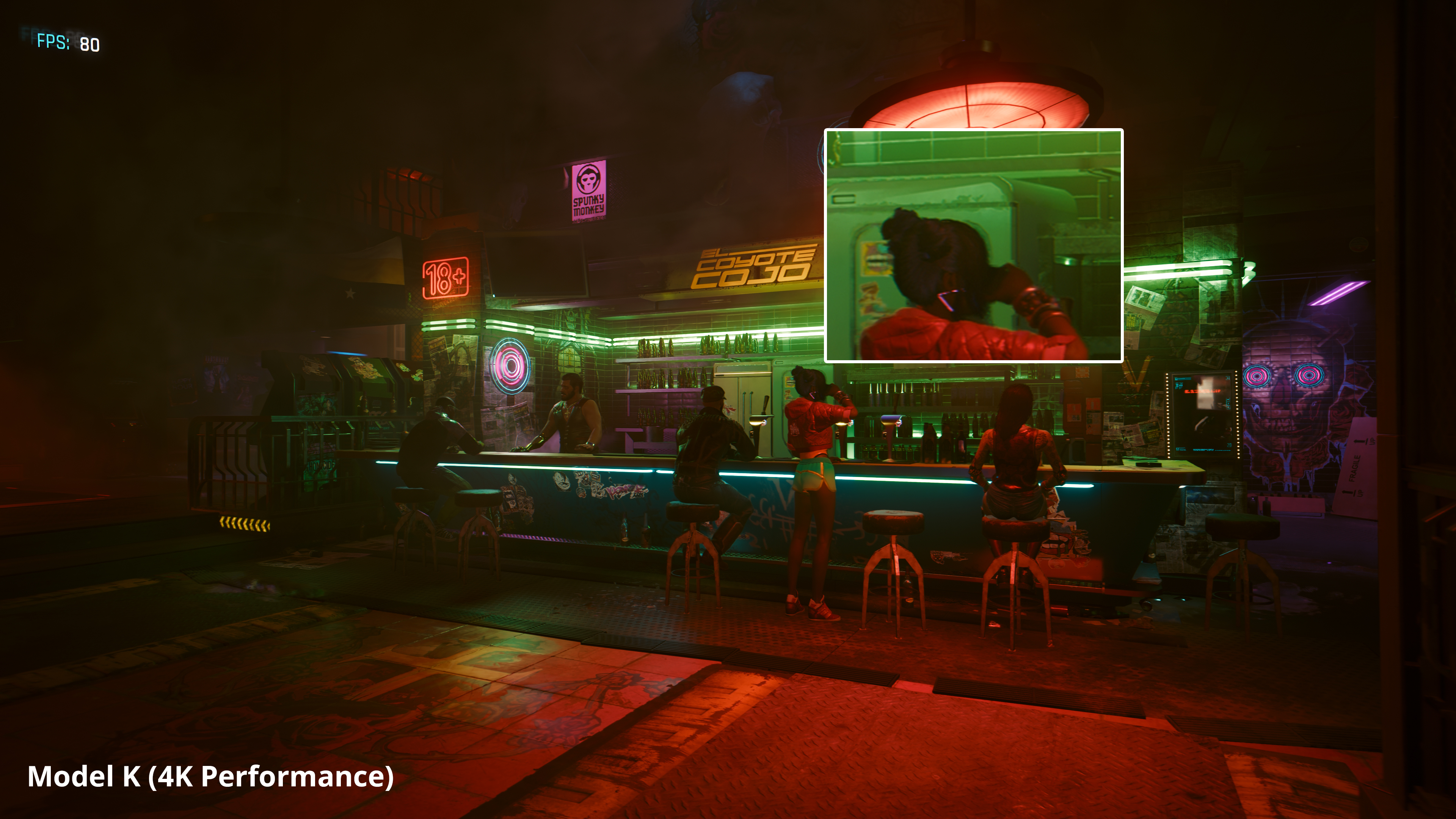
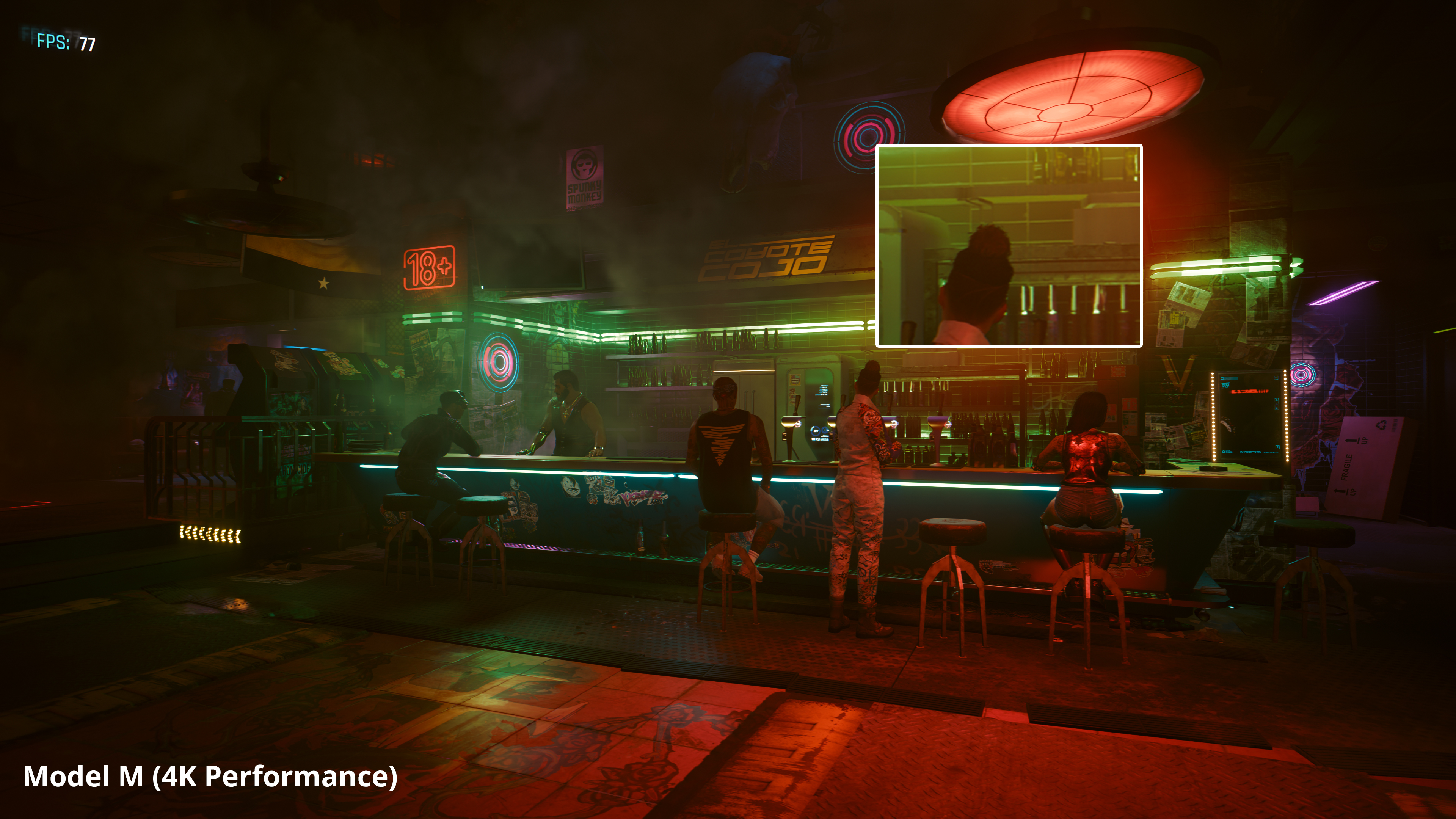
|
Cyberpunk 2077 settings |
DLSS 4 |
DLSS 4.5 |
|
4K Ray-tracing overdrive DLSS performance mode |
86.61 FPS |
84.53 FPS |
|
4K Ray-tracing overdrive DLSS ultra-performance mode |
126.22 FPS |
125.75 FPS |
Model L vs Model M
Image 1 of 2
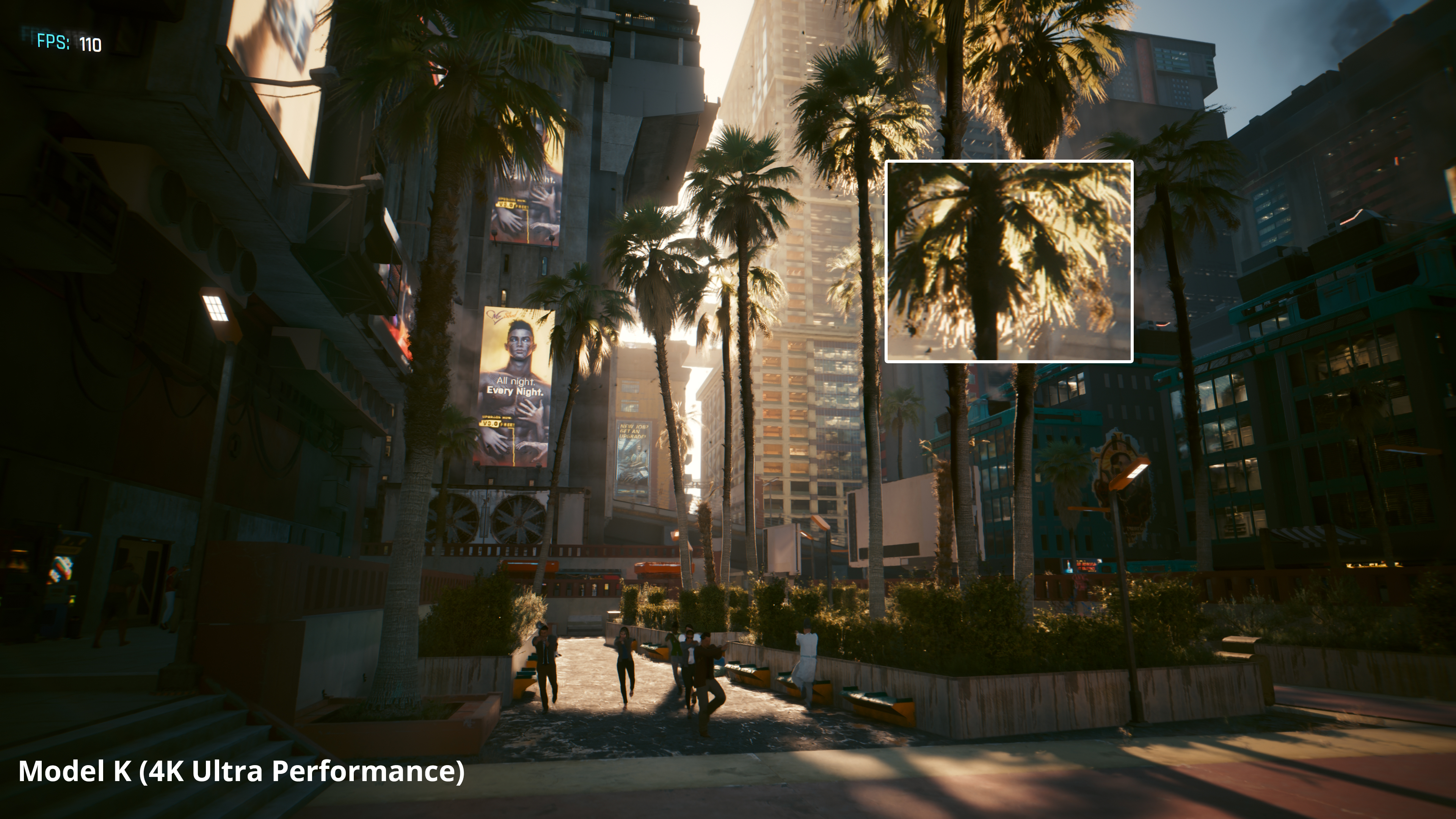
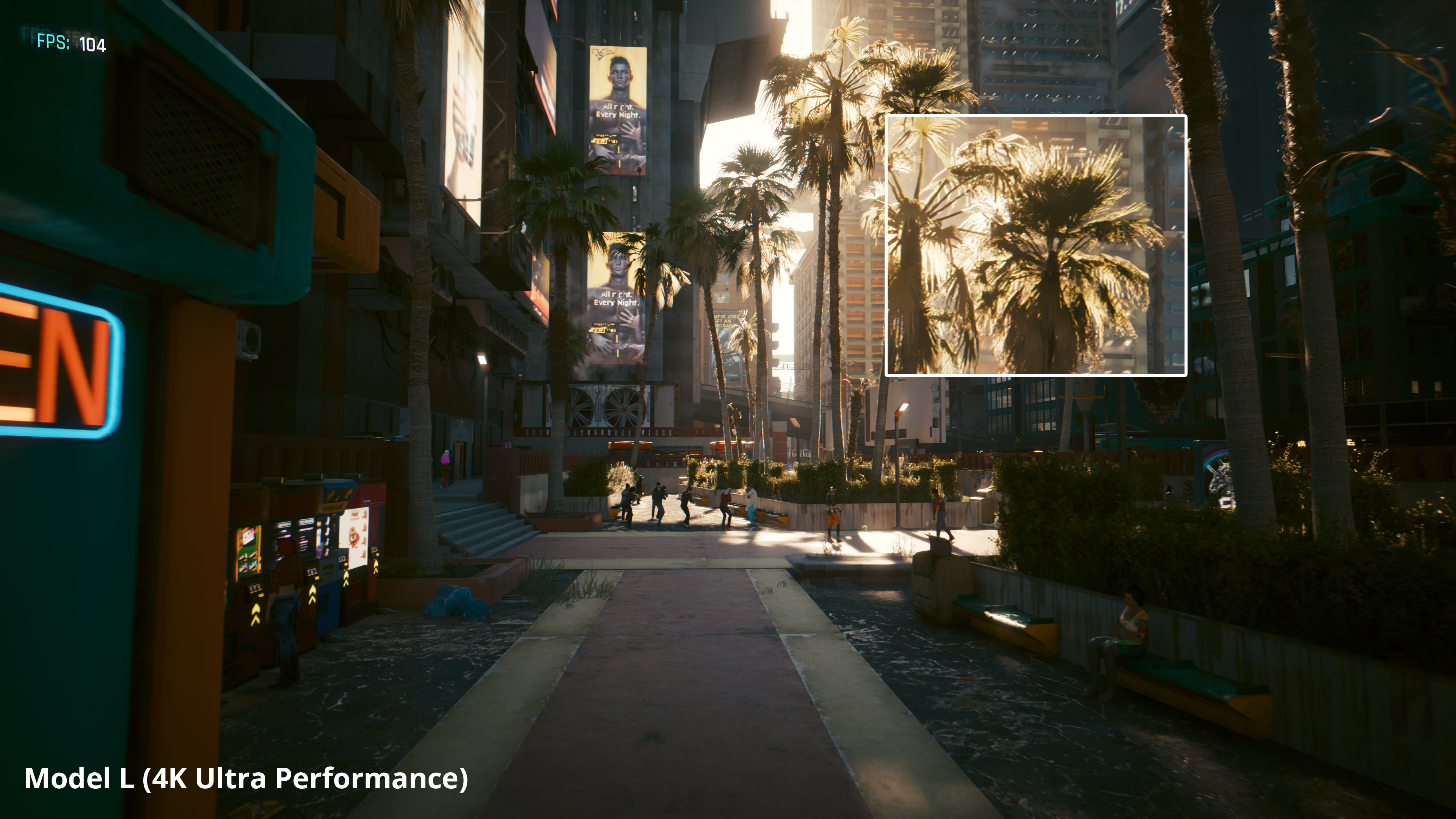
In my testing across several games (and after speaking to Nvidia), here’s how to choose between the models:
- Model M: This is the model that’s been trained more for clarity, so this one is recommended for performance mode — driving for more detailed graphics.
- Model L: This is better for ultra performance. You still get taxed in image quality, but nowhere near as much as you see in DLSS 4.
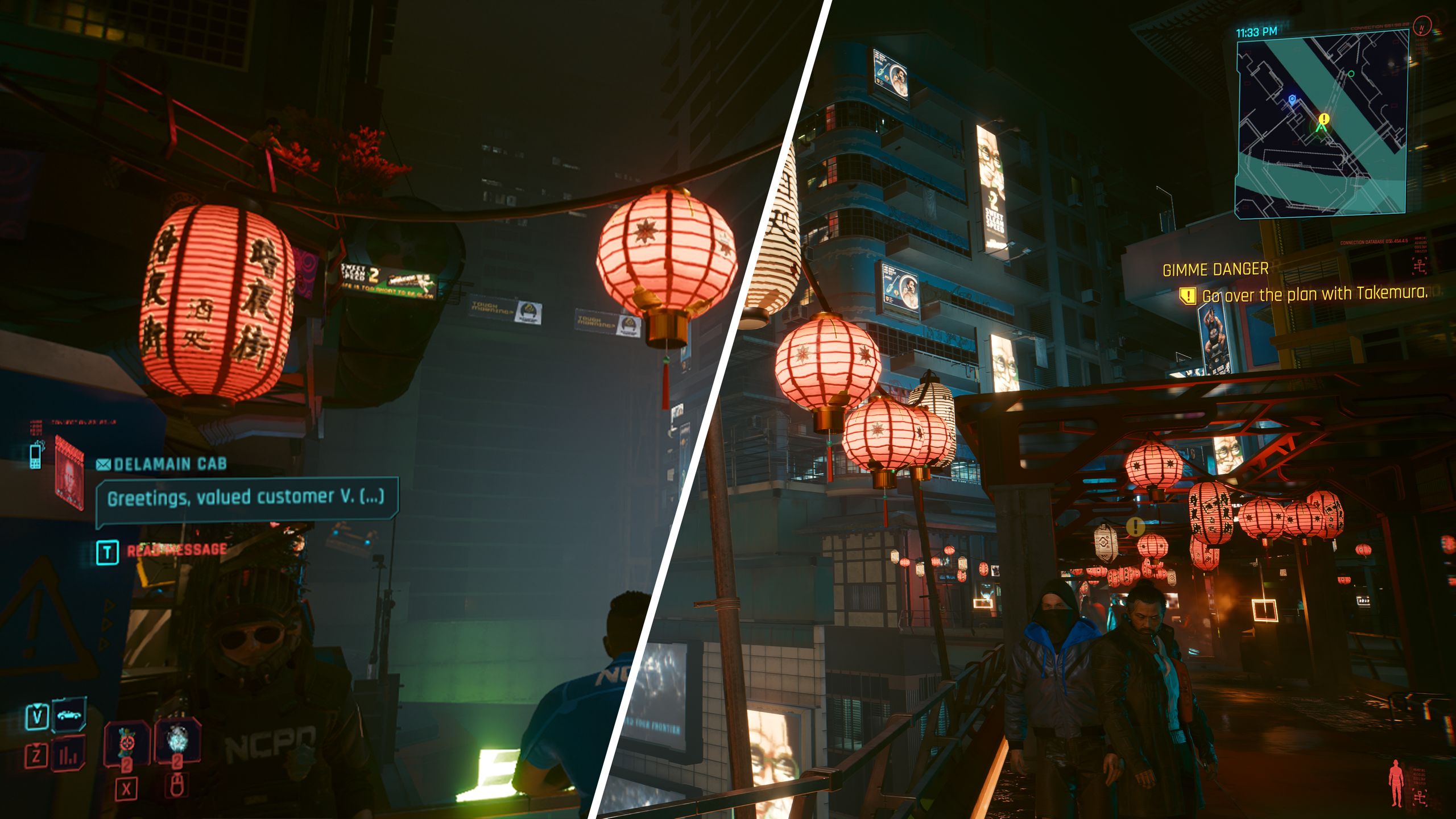
You can see as much in Cyberpunk 2077. The differences are subtle, but in the sharpness of the lamps and the heatwaves coming up from the food cart and distorting the bottles, you can see a little more ghosting and jagged edges in Model L over Model M.
Image 1 of 3
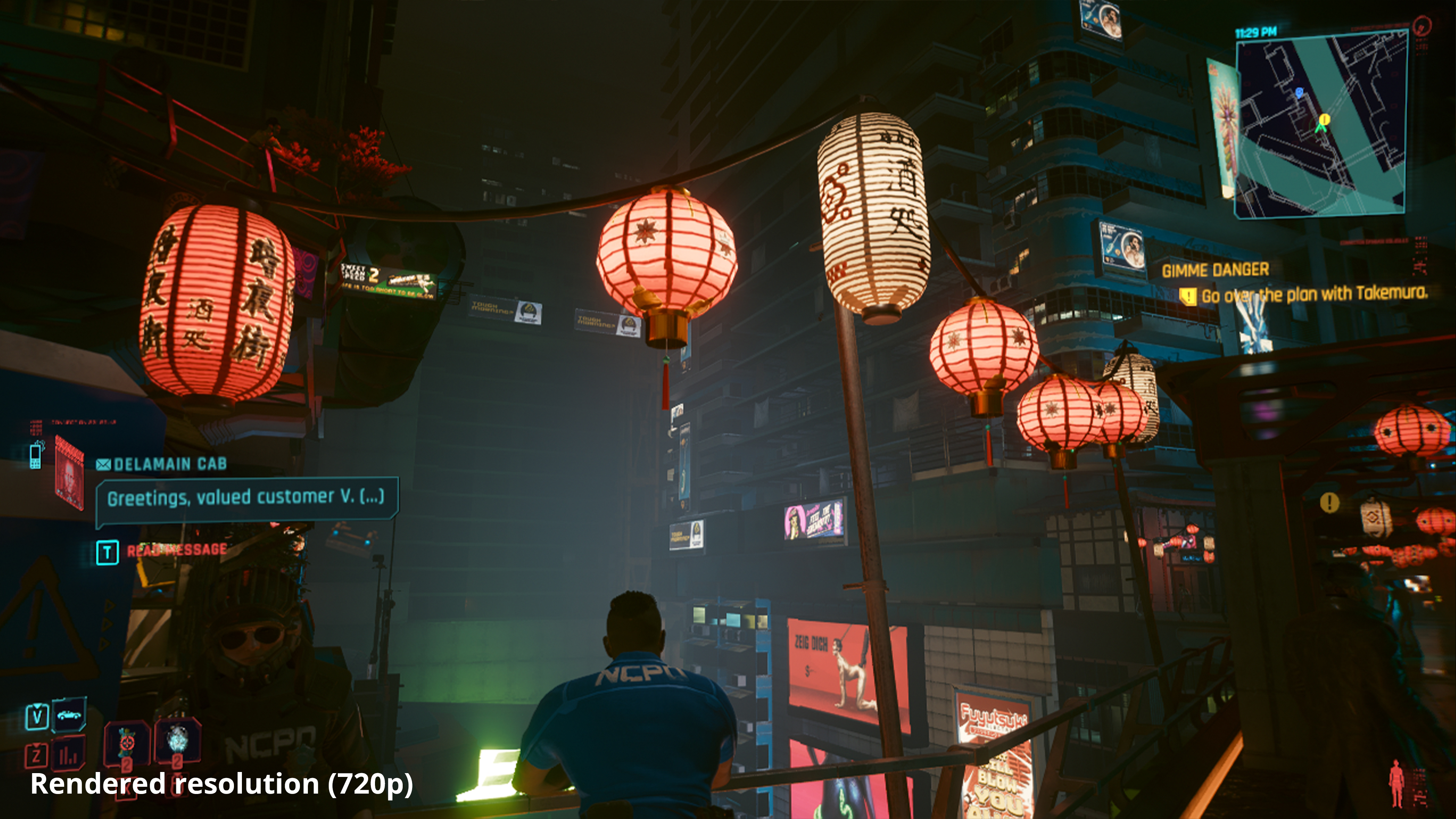
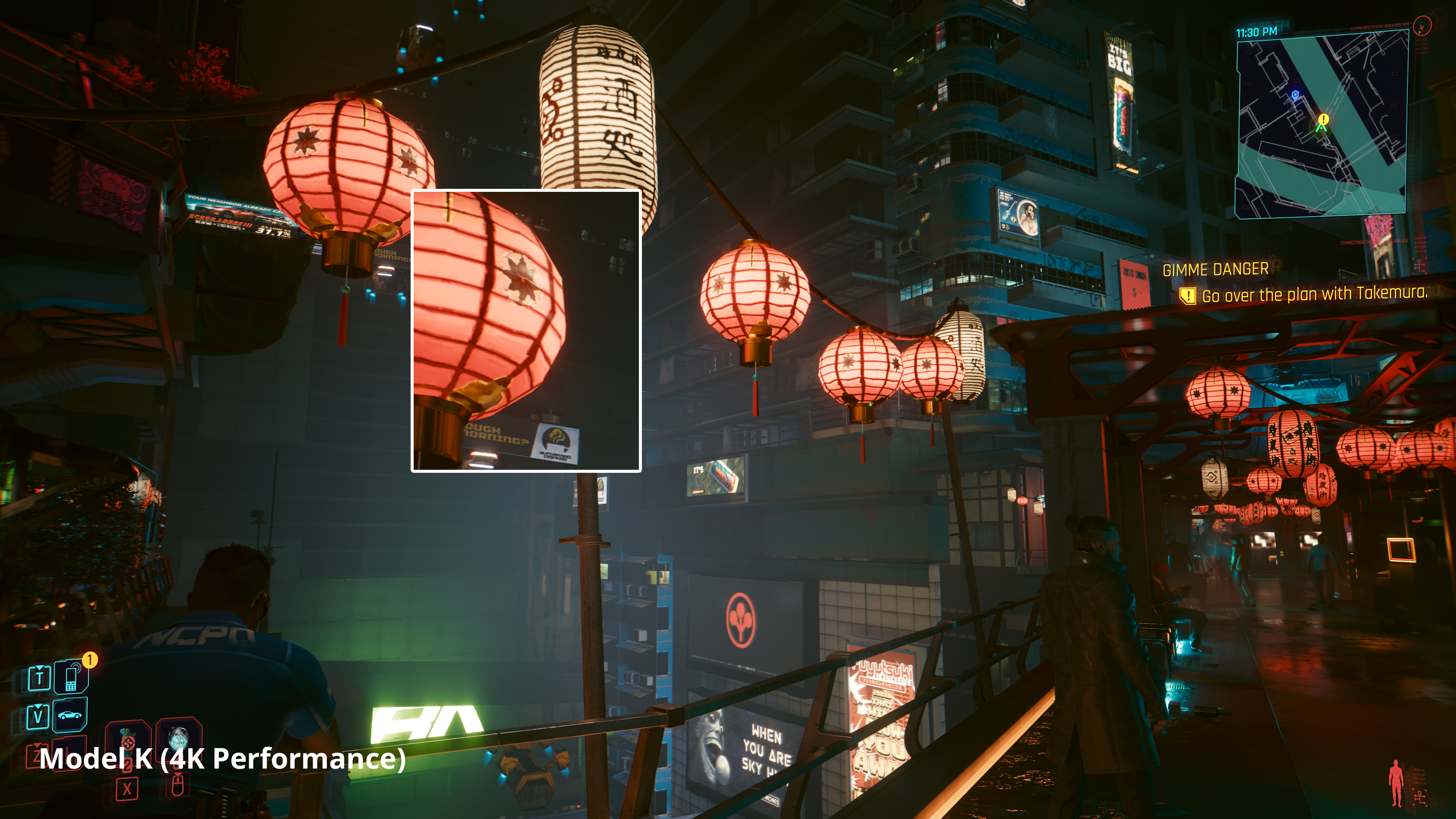
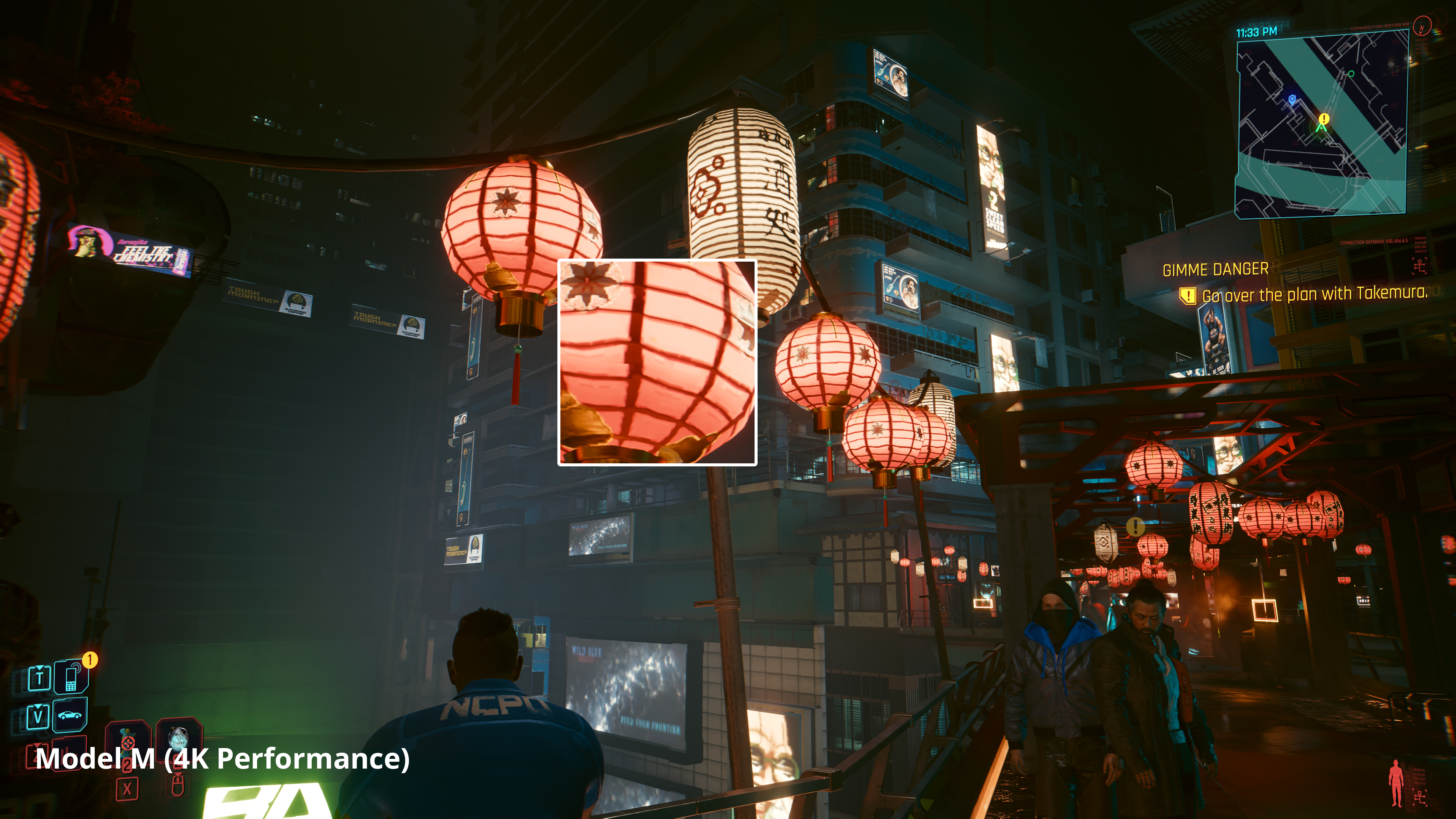
My recommendation to you is that if you are focused on ultimate fidelity, stick with Model K (DLSS 4). Model L is mightily impressive, but DLSS 4.5 Model M is the better all-rounder that Team Green has confirmed will improve over time into quality and balanced modes. But that transition is still in progress to my eyes.
My next steps
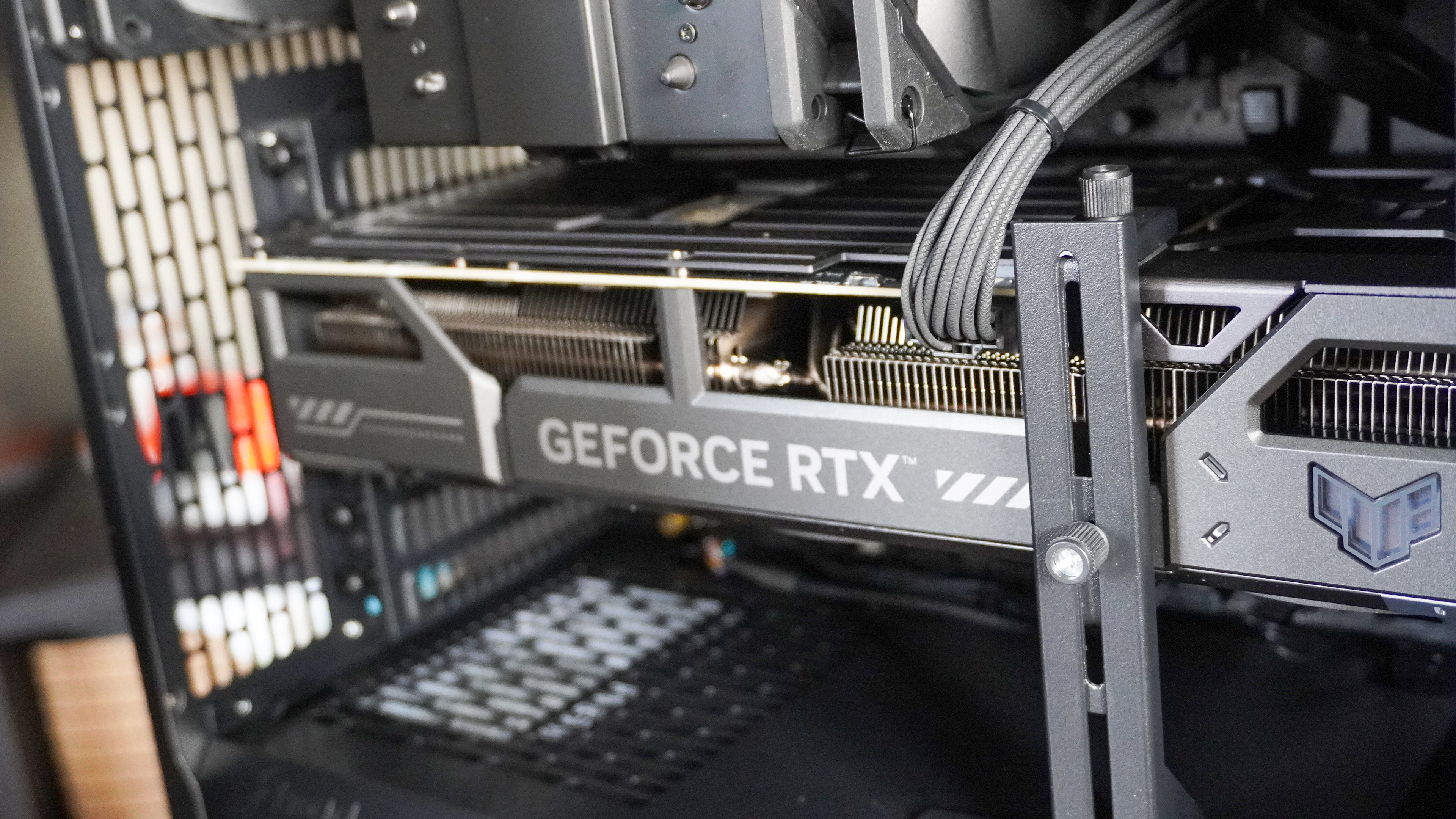
So where will my testing take me next? Well, first off, I’ve been hearing that the more advanced acceleration parts of this new transformer model have a bigger penalty on GPUs older than the RTX 50 series. I’m in the process of calling in some older cards and gaming laptops to put this to the test.
But let’s get weird, too. I’ve tested the features you’ll get out of the box, but if you know anything about me, I’m a bit rogue when it comes to testing — pushing the theory behind new tech to its extreme.
In the behind-closed-doors Q&A, Nvidia CEO Jensen Huang talked about how “more and more computation” could be done on “fewer and fewer pixels.” Put simply, DLSS on steroids is where Huang sees all of this heading. I’m setting up what’s needed (DLSS Tweaks) to put this theory to the test — seeing how it looks to render a game at 360p and upscale to 4K.
I’ve seen some of my friends do this, and the results are…well, they’re a mess if you want to play using the settings. But when you think about what’s happening (a neural network analyzing the picture and upscaling everything), it’s a mindblowing preview of the progress being made towards this vision.
Watch this space. I’ll be back with more.


Follow Tom’s Guide on Google News and add us as a preferred source to get our up-to-date news, analysis, and reviews in your feeds.
More from Tom’s Guide


Back to Gaming Laptops