We may receive a commission on purchases made from links.
You wake up in the morning and check with your weather app, which tells you that there is no snow today. You expect an easy commute. Ten minutes on the road, however, the flakes start to fall. The problem with modern weather apps is the reliance on algorithms with no real-time human oversight, which sometimes leads to inaccurate weather predictions. All apps can be susceptible to this, even if they have some of the best weather service features.
While you can tune into your local station to get a meteorologist’s opinion, there is one piece of tech that doesn’t require turning on the TV or going to the weather app on your smartphone. That is a Galileo thermometer. This retro thermometer, invented by astronomer Galileo Galilei, is great for showing local temperature in your area as well as predicting changes. These are available to buy at online retailers or in some physical stores.
Aside from offering an alternative to local weather prediction, Galileo thermometers are quite pretty to have on display and offer a nice, screen-free solution. Since staring at our phones too much can become addicting and lead to high levels of anxiety and depression, this is a way to remove yourself from constantly looking at your phone.
How a Galileo thermometer works

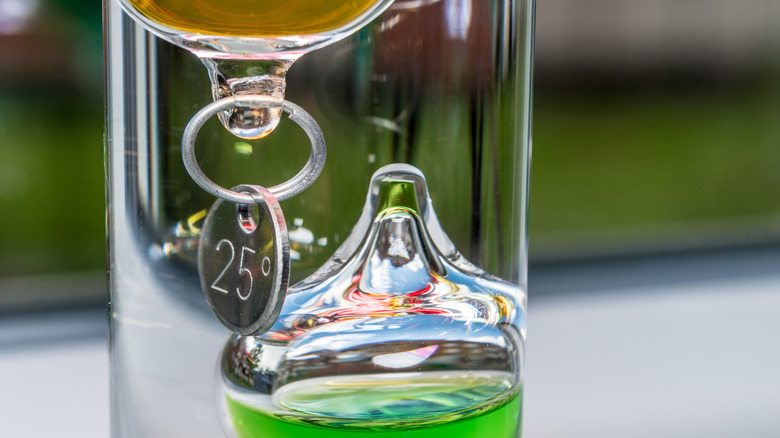
A Galileo thermometer works by taking advantage of how water’s density changes with temperature. Inside the sealed glass tube is water and several colorful glass bubbles, each tagged with a different temperature. The tags change each bubble’s weight, making every bubble a tiny bit denser or lighter than the others. As the surrounding air warms or cools, the water inside the thermometer expands or contracts, which changes its density. When that happens, some bubbles sink while others float. The lowest bubble that’s still floating matches the water’s density and shows the current temperature. Because rising or falling air pressure often brings temperature changes with it, watching these subtle shifts can give a rough clue about where your local weather might be headed.

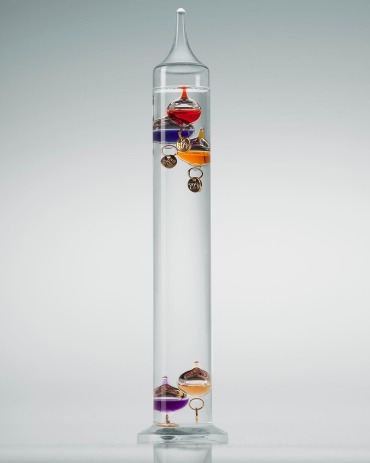
Amazon offers such a thermometer also equipped with storm glass and an analog clock for $44 at the time of writing. It’s a neat full-service weather station. The Galileo thermometer itself shows the local temperature. The storm glass enhances the display of potential weather forecasting based on the changing temperature. Finally, it has a hygrometer for local humidity readings. The Galileo thermometer is a pretty piece to set out either at home or in your office. If you don’t want to spend $44, you can wait around for some of the best days to buy tech on Amazon to try to snag a better deal.
Why weather apps can be unreliable
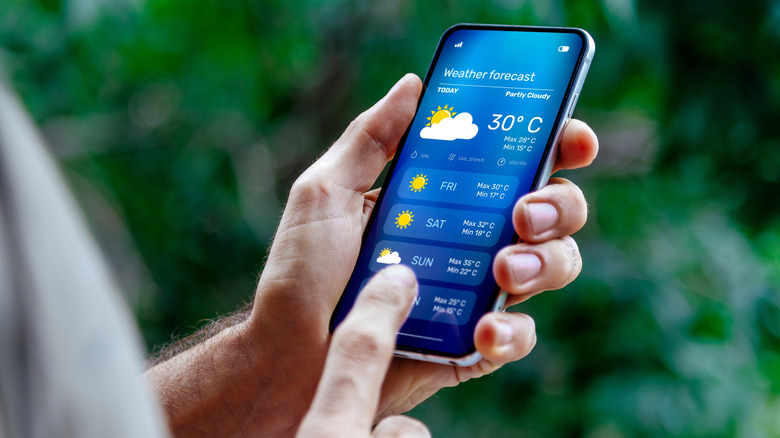
While you might consider your weather app essential for daily activities, and perhaps even among the great essential apps if you are an outdoor enthusiast, the problem is that they are not always reliable. This is especially true in areas that can have unpredictable weather patterns, like lake effect snow around the Great Lakes or the way the Rocky Mountains affect weather patterns ithose states.
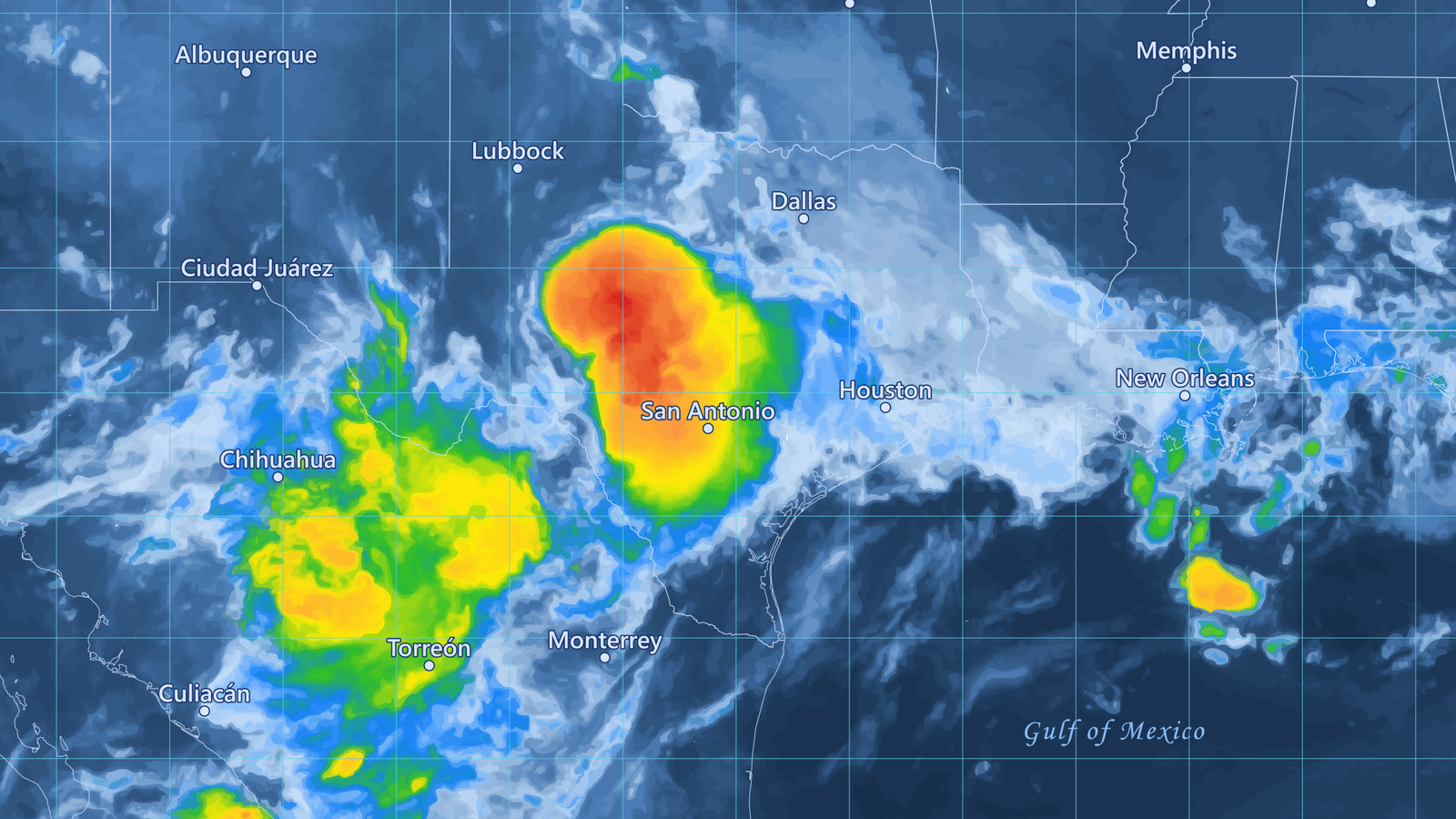
Weather apps don’t have meteorological oversight to constantly check and update the data. Instead, they combine data from satellites, radar systems, and ground weather stations. The data gathered from these sources is then put together into forecasting models for the app. These apps may pull from various different computer weather models, which explains why two different weather apps can show two different forecasts for the day.
While these weather models and data processing systems are certainly advanced, they still rely on typical patterns. Subtle changes may not be accounted for and the way local geography impacts local areas is not always reflected. That is why your weather app may be wrong, and one of the benefits the Galileo thermometer has over it. The Galileo thermometer shows the weather as it happens, with the bubbles inside moving to forecast what you can expect in the near future. Though the Galileo thermometer has its limits in terms of wide-range, long-term forecasting, it is still a handy tool to have at your disposal.