In the midst of cold winter weather, we’re all seeking ways to make our homes warm and stay safe. From finding ways to winterize our homes, to keep us cozy without escalating utility bills, to preventing pipes from freezing, to avoid the added pressure of burst pipes and water damage. And this year, it’s particularly vital to know how to prepare for a winter storm.
There’s a lot to take on during the cold season, and so much advice about different hacks to try, that it’s hard to know what’s right or wrong. However, there’s one piece of advice that HVAC experts warn against, and it’s all to do with whether to close vents in low-traffic rooms in winter.
Should you close vents in unused rooms?
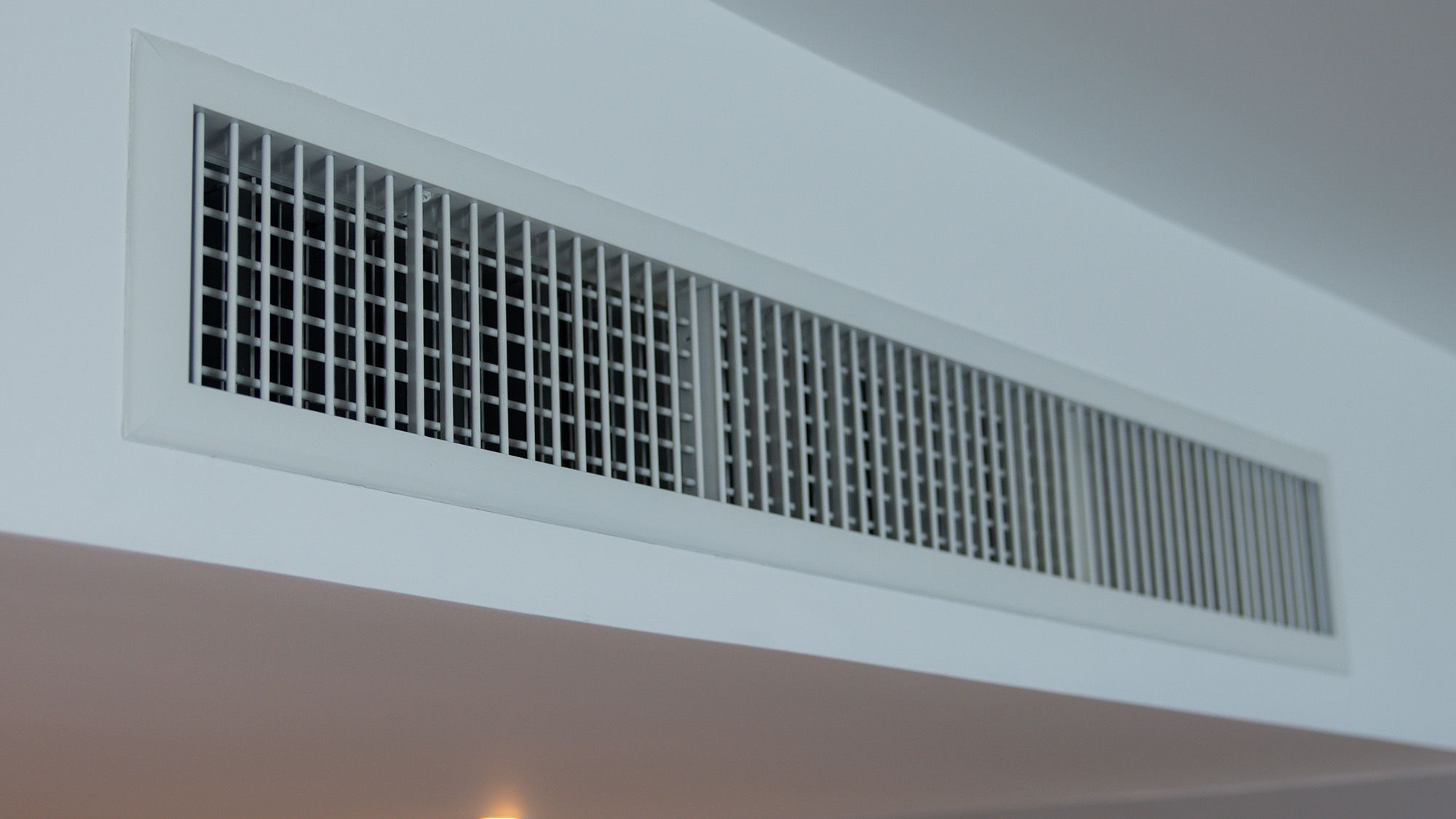
It’s reasonable to assume that closing vents in unused or rarely used rooms, such as guest bedrooms and home offices, will reduce stress on your heating bills and HVAC system. However, this is not the case, and instead of easing pressure, it could cause more harm.
So, why do HVAC experts advise against it?
“It’s a common misconception that closing vents in unused rooms saves energy,” says Bert Miskell, owner at BPM Heating, Cooling & Plumbing. “A closed vent just disrupts airflow to that particular room. It doesn’t redirect it elsewhere.
“If anything, it builds up pressure in the ductwork, which can lead to potential air leaks in joints and seams. At best, it does nothing; at worst, it actively makes your system less efficient.”
Beyond saving energy and reducing your heating bill, it puts extra strain on your HVAC system.
“Higher static pressure means the blower fan and compressor must push harder to maintain airflow, which can shorten their lifespan and increase operating costs,” explains Miskell.
So rather than closing vents in low-traffic rooms, he recommends keeping all vents open and unobstructed, and changing your filters regularly.
Micha Sherman, HVAC Expert at American Home Shield, also suggests cleaning your vents and changing your filters to maintain good airflow and system efficiency. “A clean filter helps your HVAC system run more smoothly and reduces energy waste. Most air filters should be replaced at least every three months and checked monthly,” he says.


Follow Tom’s Guide on Google News and add us as a preferred source to get our up-to-date news, analysis, and reviews in your feeds.