




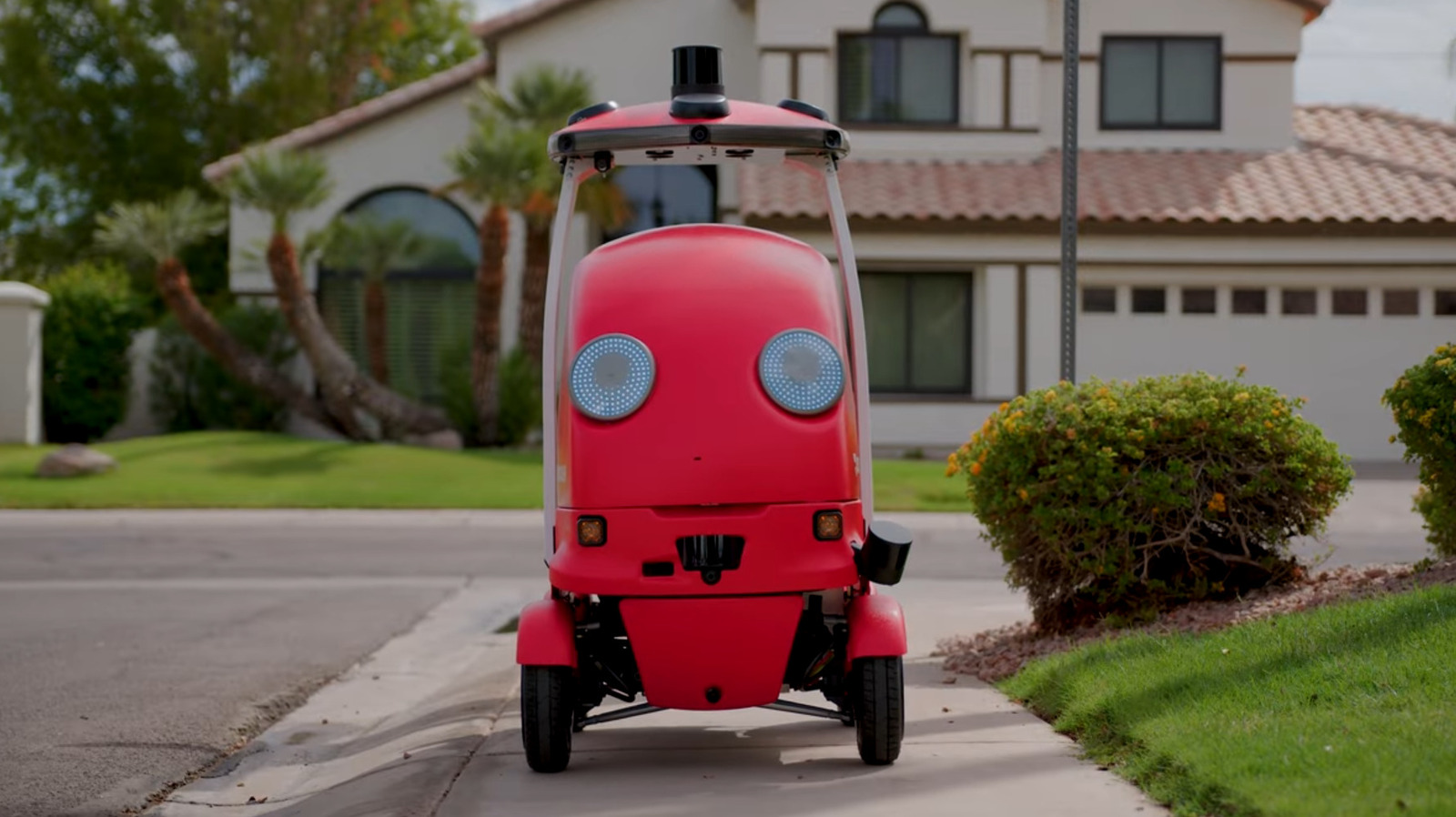
Robots zipping past people’s legs while performing deliveries around a city may conjure up scenes from “Star Wars.” However, that soon may be the norm as DoorDash launches its own delivery robot, DoorDash Dot. DoorDash Dot will handle small-scale deliveries in local areas, using sidewalks, bike lanes, and even roadways to travel between stores and drop-off locations.
Having grown immensely after being founded in 2013, DoorDash has spread globally, offering convenient delivery service from restaurants or retailers. Until recently, its workforce has been largely made up of gig workers, independent contractors taking positions which allow them to choose their own schedule and work with minimal oversight. However, gig work is often criticized over concerns tied to job instability, low pay, and a lack of legal protections federally mandated for traditional full- or part-time company employees.
DoorDash’s new delivery robot is a polarizing move. On one hand, it can help keep up with the large numbers of orders the platform receives, and could be an amusing thing to see cruising along the sidewalks. On the other, however, rollouts of drone delivery predecessors have inspired debate from analysts. Against the backdrop of public concern surrounding whether AI will take jobs away from humans, it seems Dot’s existence may threaten an already vulnerable class of workers.
How DoorDash’s delivery robot will work
Dot will work on an autonomous delivery platform, with AI dispatching it to pick up orders. DoorDash Dot will not necessarily handle all DoorDash orders. Drones will be employed for airborne delivery, and human workers will be used for more specialized or complex orders. It can travel as fast as 20 miles per hour while still being small enough to fit through a door.
DoorDash’s Dot will employ a GPS, as well as various cameras and sensors, to guide it along its path safely. There are some benefits to this technology. For one, it takes up less space on the road than a vehicle, and it doesn’t use gas, reducing emissions tied to traditional delivery methods. Air pollution from vehicles has drawn a lot of attention as of late, especially given that simply breathing the air in cities with significant environmental pollution can be as bad for you as smoking.
For those watching their wallets, there is also the added benefit of not having to tip the delivery robot. DoorDash can already feel expensive, adding up the cost of the order itself, taxes, delivery fees, service fees, and other options. It’s easy to see why such a system would be appealing. However, not everyone agrees it’s a good idea.
Problems DoorDash’s delivery robot might face
DoorDash’s new delivery robot may promise futuristic efficiency, but also likely brings along a host of practical challenges. Trials have shown that delivery robots often struggle with basic navigation, getting stuck on sidewalks or blocking pathways. In one incident, a wheelchair user was unable to maneuver around a stalled delivery robot, highlighting how these devices can unintentionally create accessibility issues.
There is also the question of whether Dot can live up to the level of convenience people expect from humans making deliveries. Customers often want their bags brought up stairs, if requested, or dropped at an extremely specific location for them to retrieve. This is especially important for people who live in apartment complexes, or other residences with closely shared housing. Robots, however, don’t climb steps, open doors, or adapt to the small nuances that make delivery feel frictionless. For some critics, this raises an important question: Why introduce a technology that doesn’t meet the standards people are already used to?
Even if these machines become more capable, they will still need to survive the unpredictable nature of public streets. Delivery bots are vulnerable to harassment, including irritated pedestrians and casual mischief. In other instances, privacy or aesthetic concerns can come into play: For example, a town in Texas downed Amazon drones out of frustration earlier this year for these reasons, among others.


