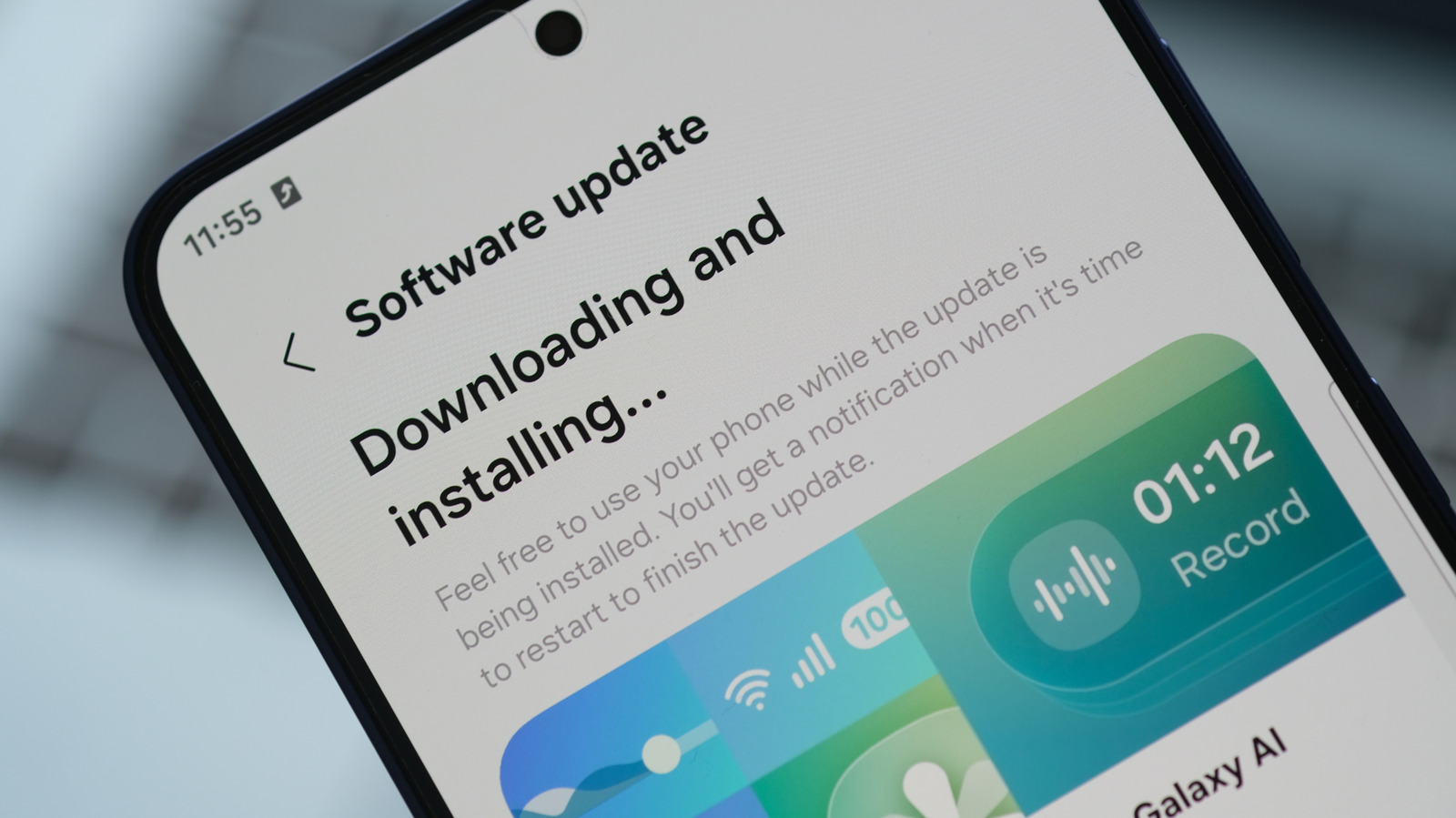
Google’s December 2025 security update patched 107 vulnerabilities for Android devices. For a complete catalog of all the issues, you can refer to the update notes hosted on the the Android Security Bulletin; including the two high-severity flaws listed at “critical” and “severe” levels. According to the bulletin, the patch will fix a critical security vulnerability in the Android Framework. It will also include patching vulnerabilities at the system and kernel levels, along with listed vulnerabilities for MediaTek, Qualcomm, Arm, and Unisoc components.
For example, two vulnerabilities listed on the bulletin were CVE-2025-48572, an Android Framework privilege escalation vulnerability; and CVE-2025-48633, an Android Framework information disclosure vulnerability. Both vulnerabilities, if left unfixed, could leave your Android device open to attackers who can modify system settings and take control of it.
This most recent security patch was released on December 5, 2025, for devices running Android 13, 14, 15, and 16. The bulletin also notes that within 48 hours of publication, the corresponding source code patches will be available in the Android Open Source Project (AOSP) repository. You can also find the AOSP links in the bulletin. Though, if you are eager to keep your device protected, Android phones should have the update ready to download and install via settings.
Update your Android phone’s security regularly


It’s already recommended not to skip out on Android updates if you have them. Updates are designed to fix bugs, vulnerabilities, optimize system performance, and bring new features. Some manufacturers will have scheduled updates you can customize or push through manually via Software update settings. Google releases major security patches to address software flaws. If these flaws are not addressed, you risk exposing your device to major cybersecurity threats. Bad actors can target these vulnerabilities to inject malware, remotely hack (denial-of-service and remote execution), as well as commit data theft.
Exploits at the Framework level are dangerous and are often considered the scariest. The Android Framework is composed of prebuilt classes, interfaces, and services that provide higher‑level access to the operating system. This is responsible for managing core functionalities, including the user interface, hardware interactions (such as sensors), and background services. It’s also the foundation used for building Android applications, which is done through the Framework’s API.
Apps access the API to perform their primary operations, such as managing contacts, accessing the camera, and using location services. Any compromises to the Framework could grant unauthorized users system-level access, leaving your device and information completely open and making attacks difficult to defend against; like with zero click exploits potentially infecting devices without any user input.