




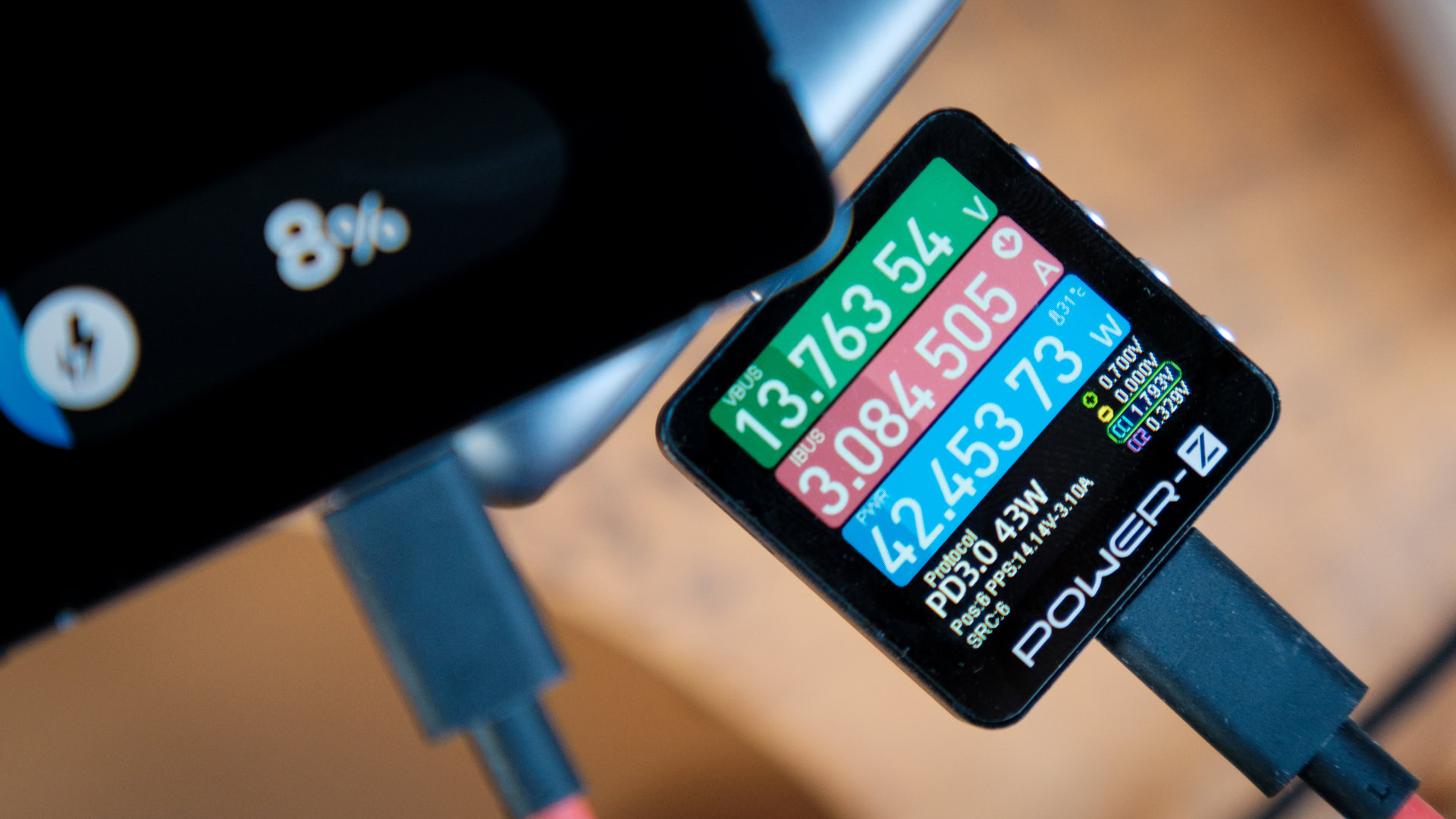
I’m certainly not complaining; that’s obviously a nice upgrade that will make the phone a little bit snappier to charge. Combined with 25W wireless charging via Qi2, cordless lovers are in for a small bump as well. However, I’m not convinced that these changes alone will elevate the Ultra experience, and S26 and S26 Plus are set to receive less generous treatment. What about your mainstream consumers, Samsung?
While there are plenty of critiques we can level at the rumored Galaxy S26 specs, I think the series’ battery and charging upgrades, or lack thereof, are the most egregious and could seriously hold the phones back.
Do you think that the Galaxy S26 and S26 Plus will underperform their competitors in 2026?
2873 votes
Faster charging is just half the picture
Robert Triggs / Android Authority
While the Ultra is finally receiving an overdue charging upgrade, I expect that what most fans are really clamouring for is a larger battery that rivals the multi-day 7,000mAh behemoths quickly emerging from China. For example, the new OnePlus 15 comes with a massive 7,300mAh silicon-carbon battery that can reach a third day, along with 80W SuperVOOC charging that still charges the huge cell from empty to full in 40 minutes.
Instead, rumors suggest that the Galaxy S26 Ultra will feature the same 5,000mAh battery as this year’s model. So Samsung’s 60W Ultra will finally take less than an hour to charge fully, but it’s not going to coincide with a game-changing improvement to screen-on-time.
Without a bigger battery, is there much point to a 60W S26 Ultra?
This leaves me wondering exactly what the point is. Why make this change now and not years ago, especially if the battery capacity isn’t changing. Perhaps Samsung is preparing for a bigger battery upgrade with the S27 Ultra?
While we’re on the subject, neither Galaxy S26 nor the S26 Plus is in line for a significant battery capacity upgrade either. The Plus is set to feature the same 4,900mAh cell; however, the Galaxy S26 is due to receive a 4,300mAh battery, up from 4,000mAh last year. That’s undoubtedly nice to have, but to put it in perspective, that’s a 7.5% increase in capacity — a fair but not a game-changing development.
Specs stuck in the past

Joe Maring / Android Authority
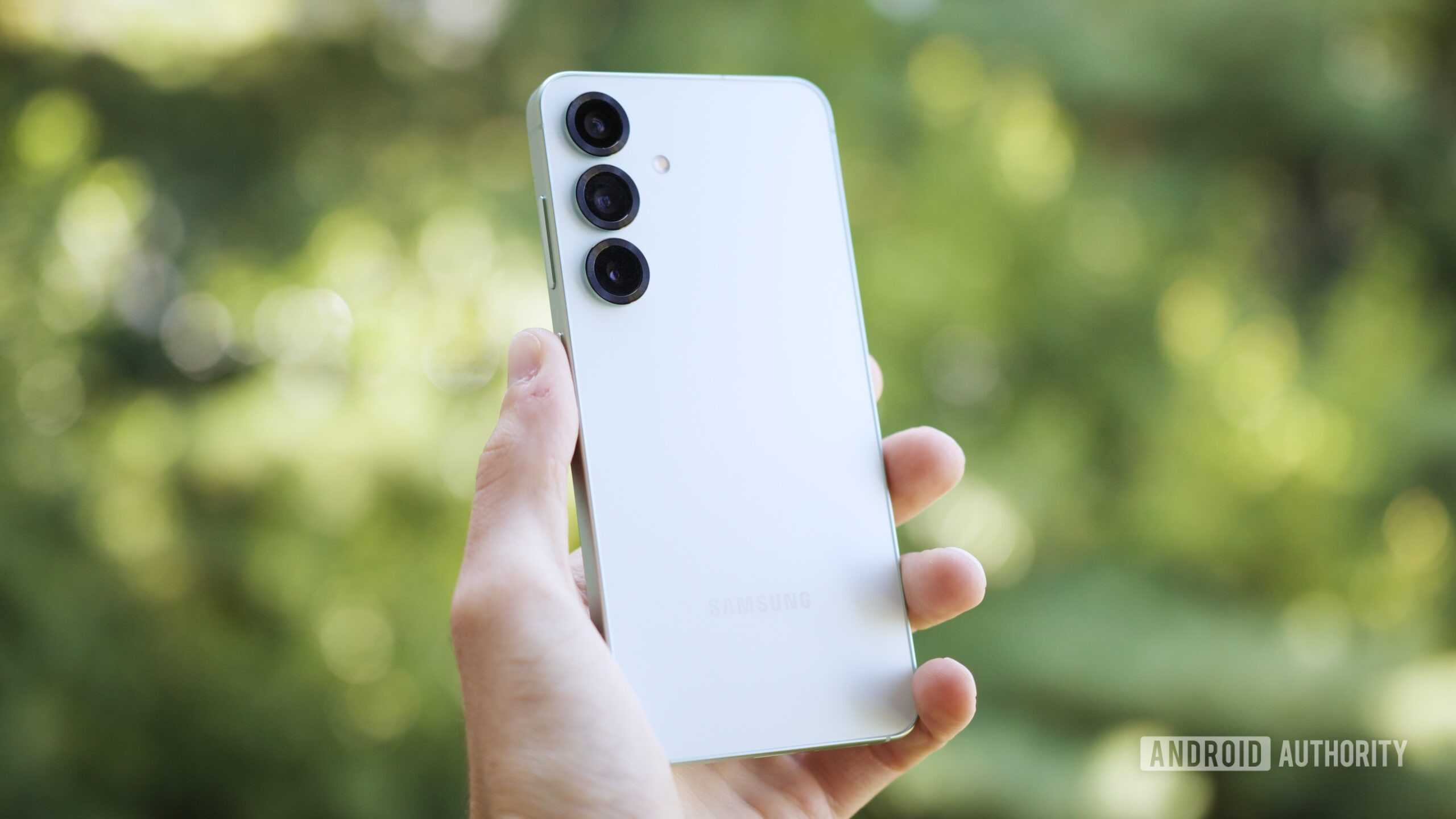
While the Galaxy S26 might have a slightly larger battery, it appears to be hamstrung by the same sluggish 25W wired charging capabilities (which are closer to 21W in reality). Only Samsung knows why its entry-level model should have half the charging power of the Ultra. We could well be looking at a phone that takes over 80 minutes to charge, which would be absolutely glacial in 2026.
This leads us to the same criticism we’ve had about all the other leaked specs so far: why should you bother buying the new model? The Galaxy S series has remained virtually unchanged for four or five years now, with the same camera sensors, display specs, and design language year after year. While a stagnant generation or two might be undesirable, it’s at least understandable and still gives consumers a reason to upgrade after a few years. However, if you’re running an S22 or S23, I’m not sure why you’d seriously consider the S26, especially in terms of battery and charging.
If there’s a silver lining, the Galaxy S26 and S26 Plus may receive a wireless charging upgrade from 15W to 20W via Qi2. Again, that’s a welcome minor improvement, but it still falls short of the very best in the business. Even Google’s sluggish Pixel 10 series offers 23W and 27W capabilities, while OnePlus has long provided 50W charging over the air.
Battery and charging aren’t fancy, but they really matter
Joe Maring / Android Authority
Look, the Galaxy S26 series isn’t shaping up particularly well, based on the early rumors. But no matter what you think about the static camera specs or the return of the Exynos versus Snapdragon processor debate, the standard Galaxy S26’s charging metric is a bit of a joke.
While it might stand up next to the equally miserable iPhone 17 and Pixel 10, all of these phones have long been off the pace of the best. Just look at the compact 100W Xiaomi 17 or the ultra-thin 68W Moto 70 Edge to see what can be done. Even Samsung’s own Galaxy A56 features 45W wired charging, although it is paired with a larger battery.
The Galaxy S26’s rumored battery and charging specs look so far off the pace.
Perhaps this is all a symptom of a lack of vision. Perhaps Samsung is struggling to juggle tight budget pressures. But in any case, smartphones with better battery life and faster charging are an easy win that consumers will instantly feel in their pockets, and the technology is there for a supposed market leader to take advantage of.
We might be more willing to forgive stagnant camera specs or unflinching design if Samsung’s next phones offer a true revelation in the sought-after realm of battery life. Despite the 60W headline upgrade with the Ultra, the Galaxy S26 series appears to be falling short in innovation in an area that should be an easy win this year.
Don’t want to miss the best from Android Authority?


Thank you for being part of our community. Read our Comment Policy before posting.


