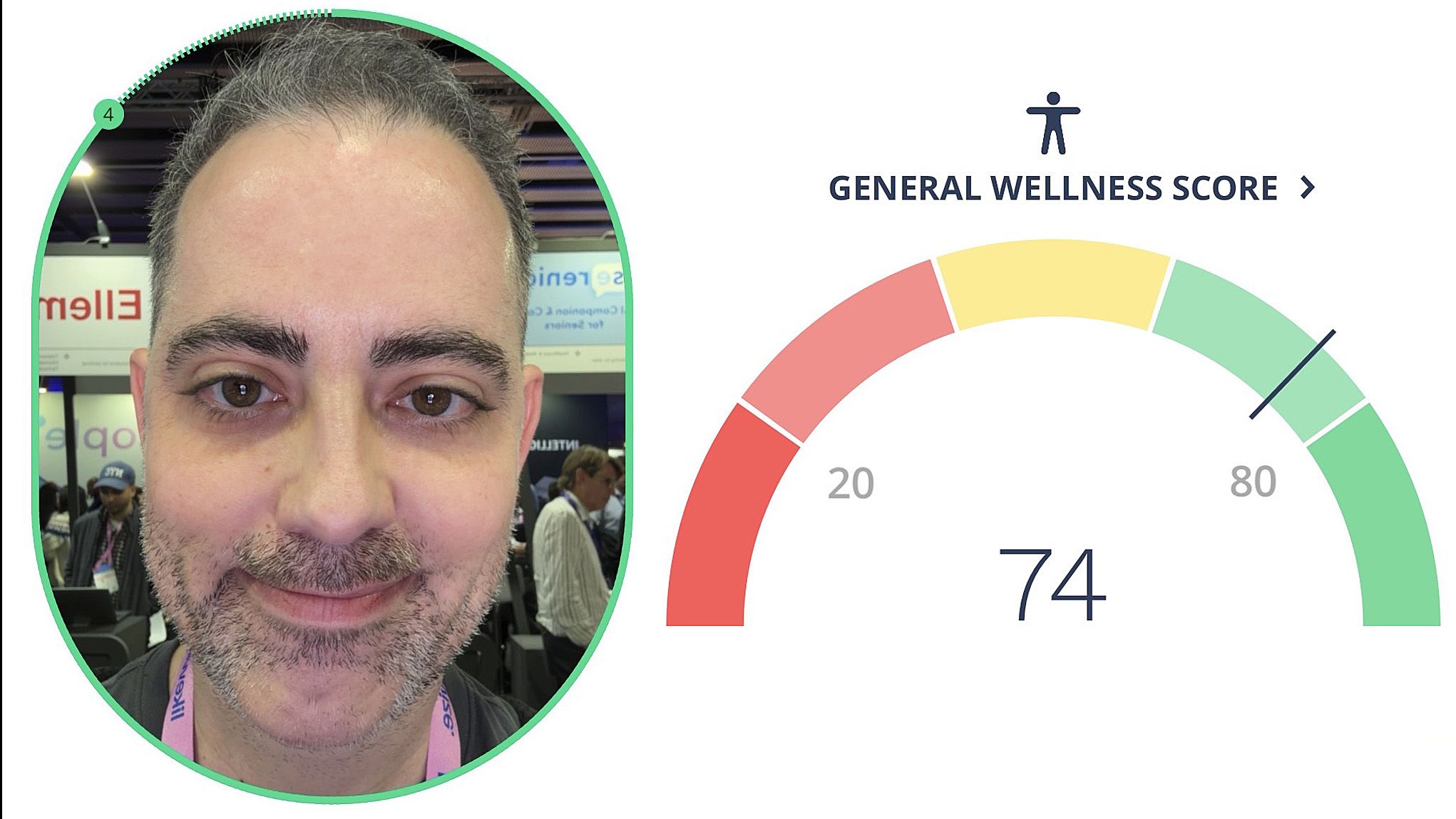
I just tested the latest innovation from consumer health tech brand, Nuralogix, on the Mobile World Congress 2026 tradeshow floor. The new Anura app brings all the magic of the brand’s Longevity Mirror — a personal wellness monitoring device that’s designed to be mounted on your bathroom wall — into a basic smartphone app that does the same exact thing using the onboard camera.
When I tested the Longevity Mirror a month and a half ago at CES 2026 in Las Vegas, I was blown away by the level of holistic insights the product could glean from a brief 30-second face scan, including details on my vitals, physical health, mental well-being, metabolic risks, and more. However, the cost, $899, struck me as a tad high for the average consumer (+$100 annually for the subscription).
The Anura app reduces that initial cost barrier; users simply need to pay for the annual subscription to utilize Nuralogix’s age-predicting tech. I just tried the app out using my personal iPhone 16 Plus, and learned a ton in just 30 seconds. Here are the three biggest takeaways.
My heart rate was high, and my breathing rate was low
Just like the Longevity Mirror, the Nuralogix Anura app scans your face to determine how well (or not) you’re aging. However, it’s not looking at the surface but rather just below the skin to analyze your blood flow patterns using a process called Transdermal Optical Imaging.
From this 30-second reading, the Anura app can clue you into loads of wellness insights, including, at its most basic, your current heart rate and breathing rate. In my case, my heart rate was slightly elevated for my age/weight/height (you enter this data before taking a scan), and my breath rate was slightly under the average.
My elevated heart rate was likely the result of darting between booths like a madman just prior to the scan. Meanwhile, in an attempt to hold my face as still as possible for thirty seconds, I’m pretty sure I also inadvertently held my breath too… oops.
My mental stress levels were average
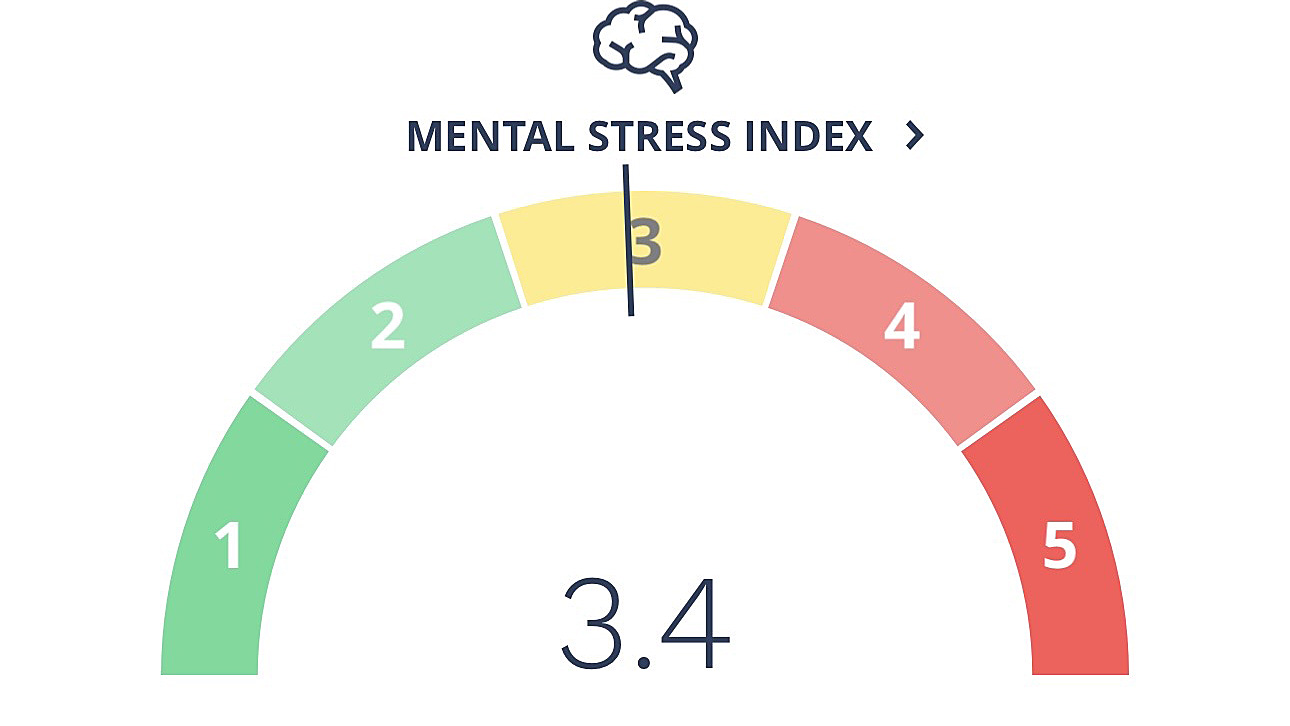

Much to my surprise, the Anura app noted mental stress levels within an average range. While covering massive consumer tech events doesn’t stress me out all that much, the impacts of jet lag and a lack of sleep certainly do.
My journey from Seattle to Barcelona a few days earlier definitely knocked my mental sharpness down a bit. However, it seems a combination of prioritizing sleep since my arrival, hydrating, and getting plenty of daily exercise (I’ve been averaging 5+ miles of walking a day) has largely balanced out all the negative impacts of timezone jumping.
My ‘general wellness score’ was also higher than expected
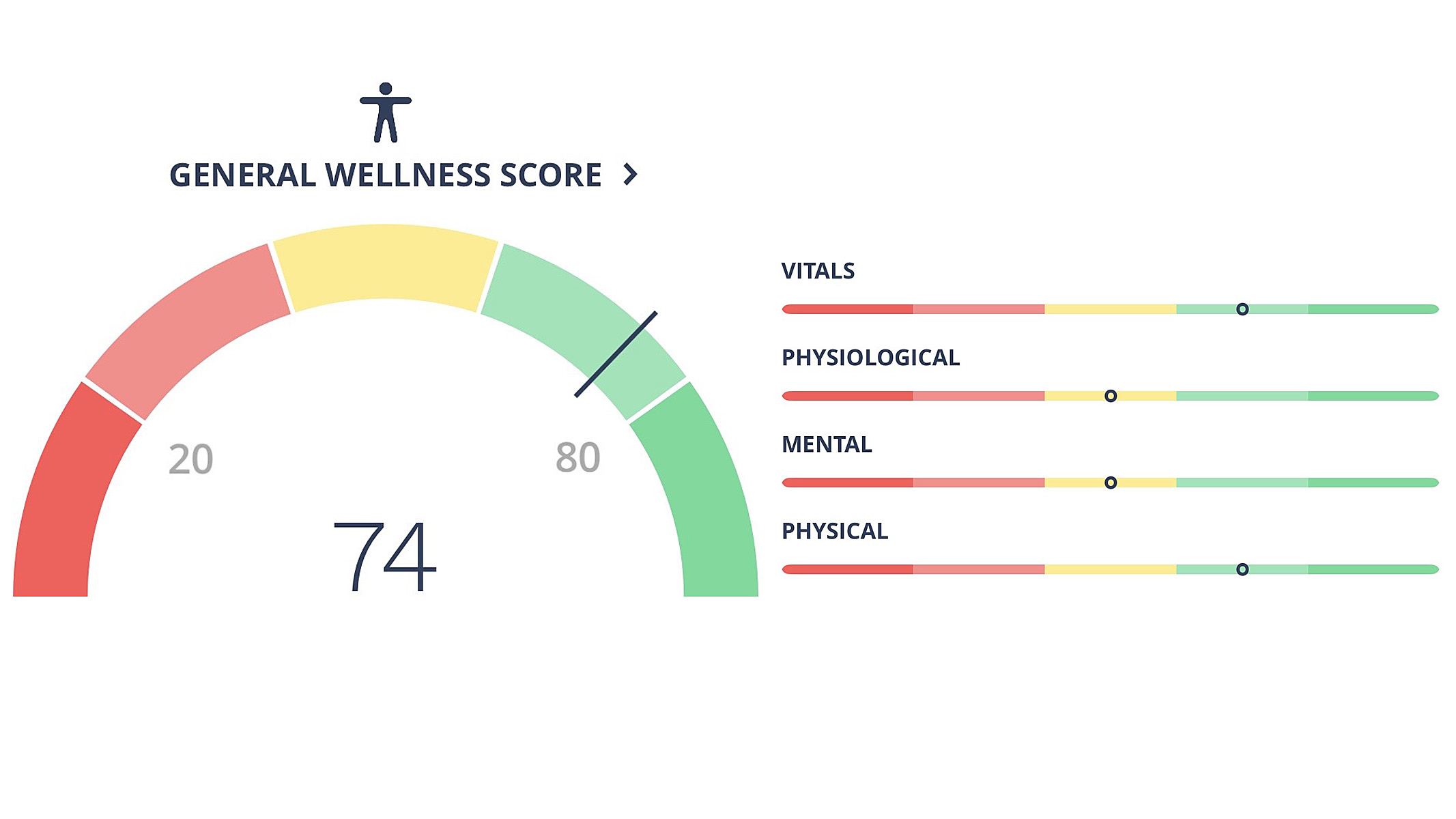

My ‘general wellness score’ also came out higher than I expected, which certainly made me feel good about the prior night’s decision to go to bed early, rather than dipping out for a cheeky late-night cocktail or two.
Ultimately, the whole point of the Anura app, along with the Longevity Mirror, is not to get a single snapshot of your health, but to continuously monitor it over a length of time to better understand how your lifestyle is impacting important parameters like your vascular capacity, heart rate variability, mental stress, hypertension risks, and more.
That’s an awful lot of insights from such a quick and straightforward process that involves little more than holding still for 30 seconds with your phone pointed at your face. What do you think? Would you give the Anura app a try if Nuralogix made a free demo available? Let me know in the comments below.


Follow Tom’s Guide on Google News and add us as a preferred source to get our up-to-date news, analysis, and reviews in your feeds.