Bread, pasta, potatoes. The daily menu of millions of French people hides massive contamination. This Wednesday, March 25, the National Food Safety Agency (ANSES) published the most comprehensive assessment ever conducted on the exposure of French people to cadmium, a heavy metal classified as a certain carcinogen since 1993 by the International Agency for Research on Cancer (IARC). Result: the situation is “worrying”, and it is getting worse.
Nearly half of the adult population, or 47.6%, exceeds the toxicological reference values set to protect health. Concretely, one in two French people is exposed to cadmium in their daily lives, mainly through what they eat. And this impregnation, underlines ANSES, is increasing.
A French problem, three to four times more serious than elsewhere in Europe
What makes this Wednesday’s report particularly worrying is not only the scale of the contamination, but rather the fact that France is the most affected country in Europe. The impregnation levels with us are “up to three or four times higher” to those observed in Belgium, England or Italy.
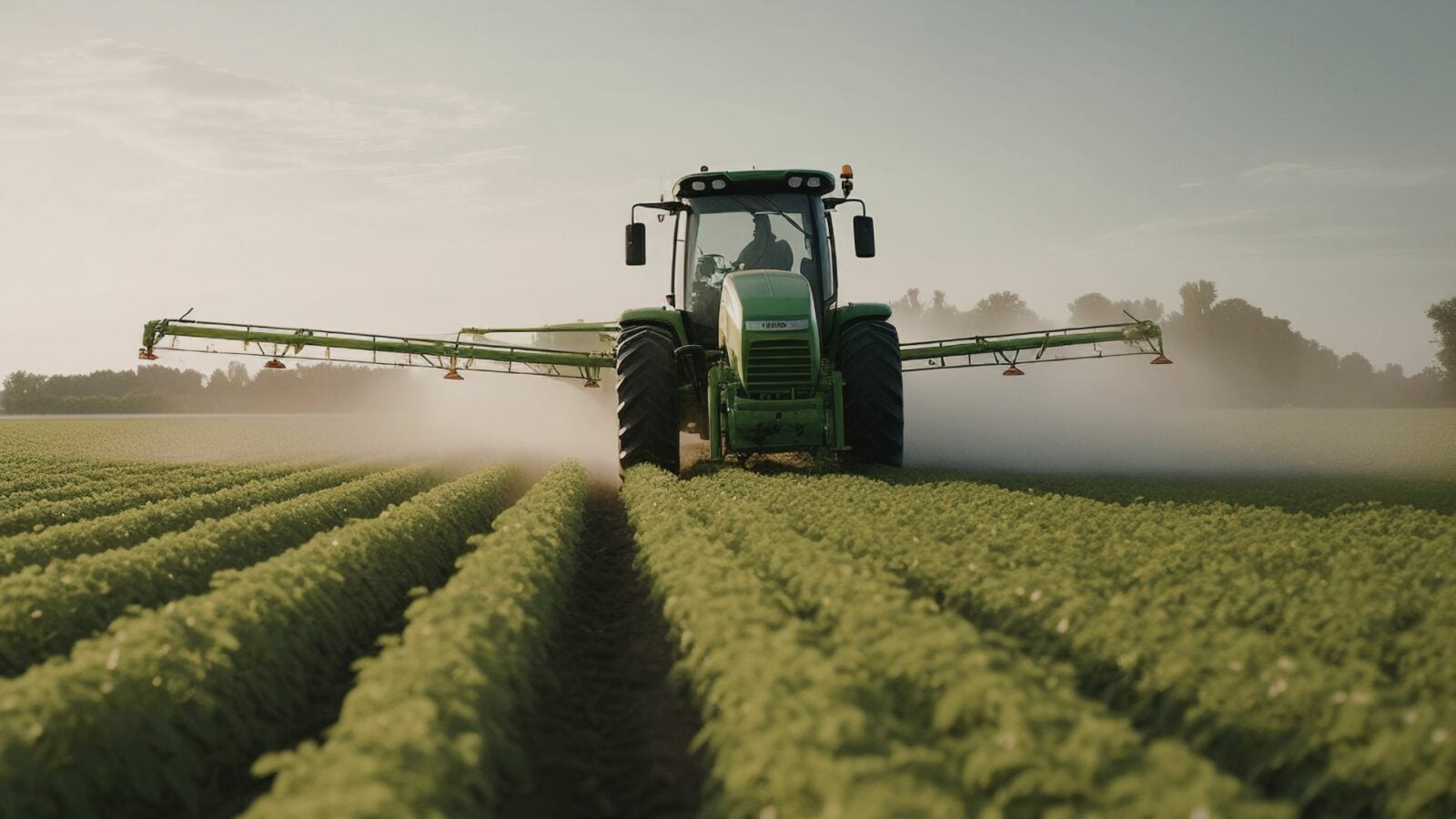
The explanation is largely agricultural. Food is responsible for 98% of cadmium exposure in non-smokers, and the cadmium that lands on plates first arrives in the soil, via mineral fertilizers enriched with phosphate, particularly rich in heavy metals. INRAE estimates that these fertilizers are responsible for 60 to 75% of cadmium inputs into French agricultural soils. Once in the soil, the metal is absorbed by plants. Once in plants, it ends up in foods, and accumulates in the kidneys of those who consume them. In the body, it is only evacuated after several decades.
Timid and insufficient recommendations
ANSES explicitly recognizes this: it is not “not relevant to formulate recommendations in terms of individual choices” to fight against cadmium contamination, for the simple reason that it is useless. The contamination is too great, and the lifespan of cadmium in the body too long. To hope to stem the situation in the long term, the entire French agricultural chain must be rethought, by banning controversial fertilizers and intensive agricultural practices.
Since 2021, ANSES has recommended lowering the maximum cadmium content in phosphate fertilizers to 20 milligrams per kilogram. In 2026, the regulatory threshold in France is still 90 mg/kg, more than double the European standard already considered insufficient. Partial compliance is planned for July 2026, with a reduction to 40 mg/kg. But even if this measure were applied tomorrow, the decontamination of agricultural soils would take several decades.
This is all the more problematic since the new Anses report documents for the first time precisely the extent of the potential health effects. Irreversible kidney damage, bone fragility, increased risks of lung, pancreatic, prostate or breast cancer, disruption of neurodevelopment in children, cardiovascular effects: cadmium affects the body on many fronts, at doses that half of French people exceed every day.
🟣 To not miss any news on the WorldOfSoftware, follow us on Google and on our WhatsApp channel. And if you love us, .