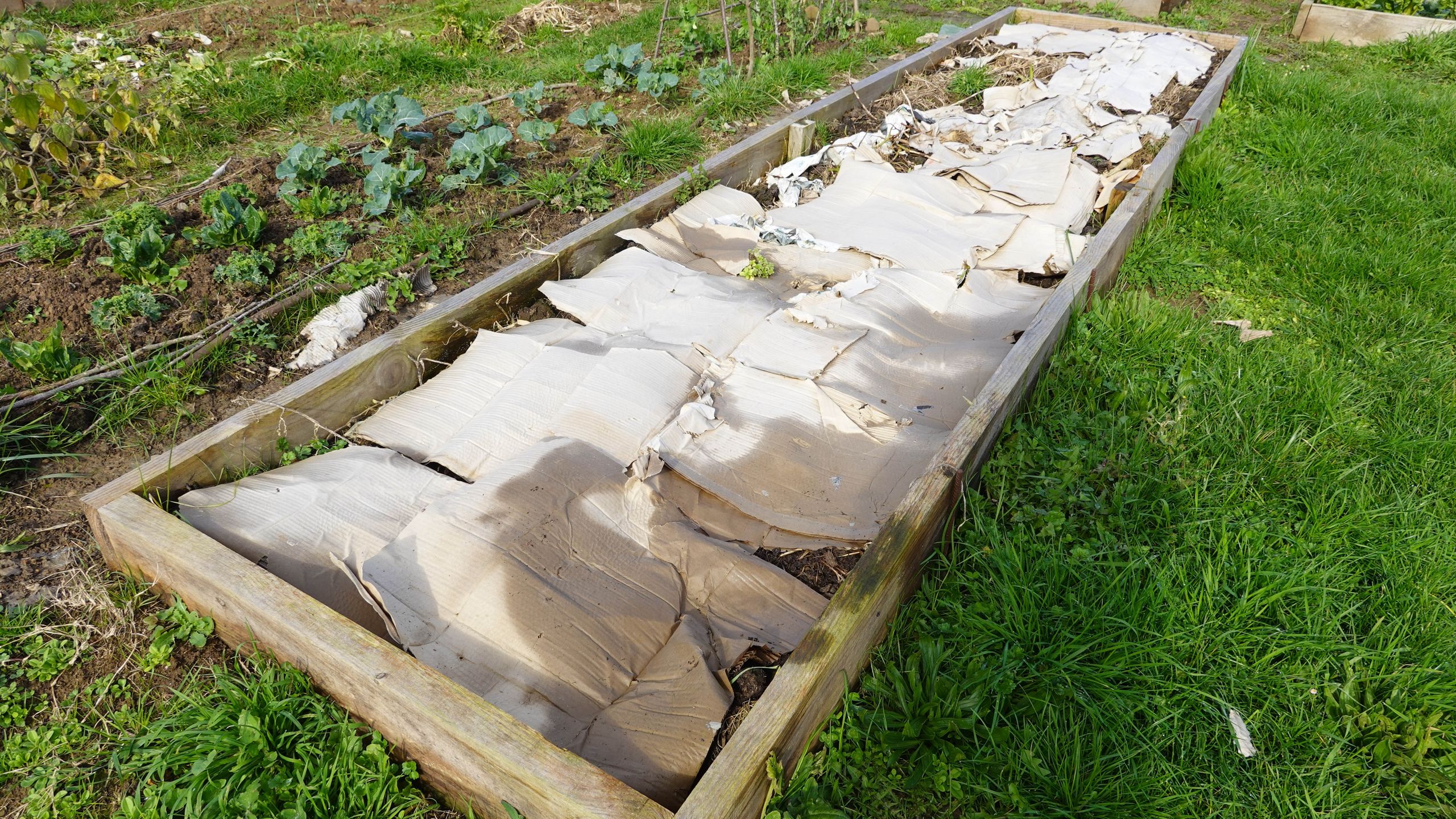
I’m starting to think more about getting out into my backyard and sorting out my beds and borders for spring planting. And when I next spot a clear window in the weather forecast, I’ll be putting on my best gardening gloves and stepping outside.
Over the last few months, my backyard has been neglected and now needs some tender care before the new season begins. Part of my plan is to get my beds primed for spring, so that the soil is ready for planting.
And it’s a technique we’re already familiar with at Tom’s Guide, as it’s known as no-dig gardening. Instead of a lazy approach to gardening, it’s genius, as it uses leftover cardboard to help you grow — combining gardening with recycling.
A natural approach to weed control
Akeroyd is a fan of the no-dig method, as he explains that traditional digging destroys the soil structure and can also encourage more weeds. And it’s why he prefers to ditch his shovel.
“Avoid digging over the soil in your flower and vegetable beds as this will increase the amount of weeds,” he says. “It will bring dormant weed seeds near the surface, where they are more likely to germinate. And if your spade slices through a perennial weed root, it will propagate it and multiply profusely.”
So, instead of grabbing your spade, Akeroyd recommends gathering up old cardboard and following the no-dig method.
How to prepare your beds for planting using the no-dig method
What you’ll need
Cardboard
Compost
Rake
The no-dig method is an incredibly simple way to prepare your beds for planting. Akeroyd suggests grabbing some old cardboard and removing any plastic tape or wrapping before placing it on top of your beds.
The next step is to cover the cardboard with 2 to 4 inches of compost. At this stage, you’ll probably need to grab a rake to spread the compost out evenly.
Once you’ve added the compost, he says you can plant your seedlings through the compost and cardboard.
And with a little help from the worms, Akeroyd explains the compost will be worked into the soil.
What’s the idea behind the no-dig garden method?
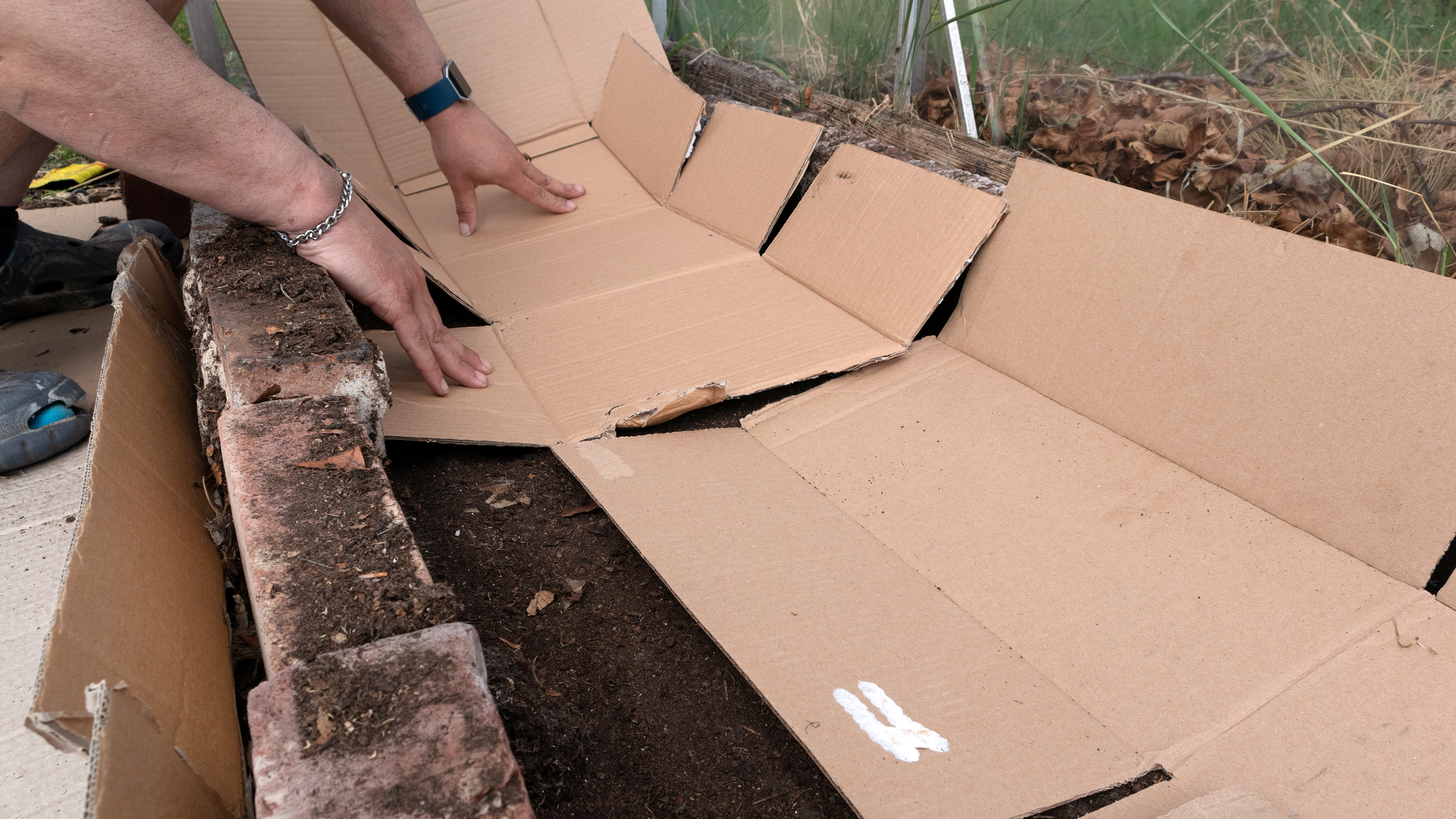

The thinking behind using cardboard to prepare your beds for planting might sound bizarre, but it works.
“Placing cardboard and compost over the weeds will place the weeds in darkness and hopefully smother them out,” says Akeroyd. “Any weeds that still grow through can be easily pulled out of the compost easily.”
Although the cardboard suppresses most weeds, he still recommends digging out very persistent perennial weeds, such as ground elder, horsetail and bindweed.
Apart from being a natural weed suppressant, “No-dig retains the soil structure and therefore preserves essential microbes and fungi, as well as improving drainage and increasing water retention during dry periods,” Akeroyd adds.
This reduces the need to water your beds during dry spells, leaving you with more time to get on with other gardening jobs.
“Best of all, no-dig means far less chance of hurting your back. It saves a lot of unnecessary work!” he concludes.


Follow Tom’s Guide on Google News and add us as a preferred source to get our up-to-date news, analysis, and reviews in your feeds.