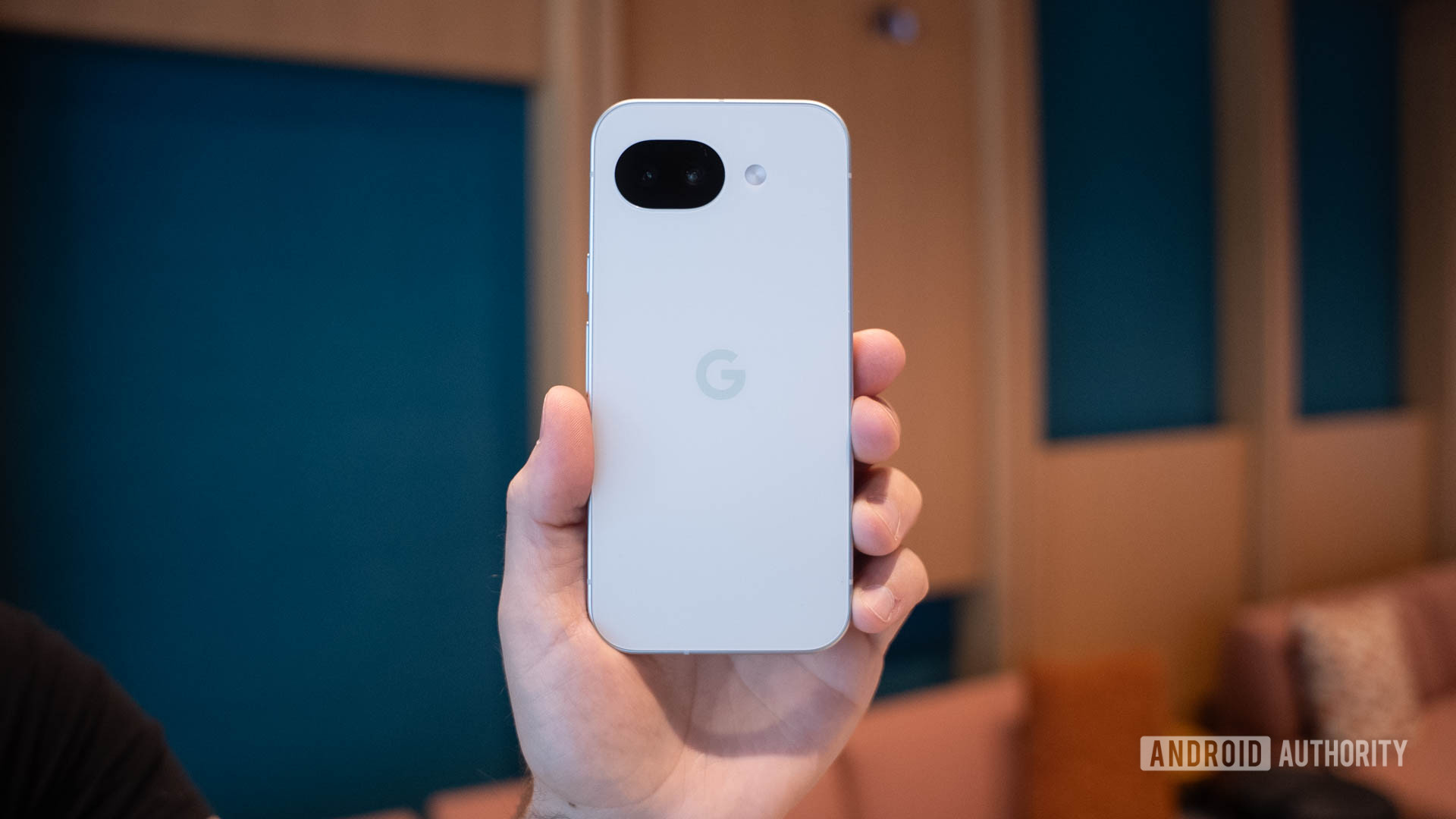
The Pixel 10a is the latest member of the Pixel family, but it’s not the only phone Google has in store for us in 2026. The upcoming Pixel 11 is expected to bring a next-gen Tensor processor, several camera improvements, and plenty of other refinements. In contrast, the Pixel 10a isn’t exactly that impressive of a device on paper. In fact, it’s nearly identical to its predecessor, outside of a few small changes.
Google Pixel 10a
Gemini features • Solid mid-tier offering • Great software support promise
Google’s best AI features, in a more affordable mid-tier device
Google Pixel 10a is a refined mid-range phone built around Tensor G4, a brighter 120Hz 6.3-inch display, tougher Gorilla Glass 7i, satellite SOS, and trickled-down Pixel AI features — paired with a reliable dual-camera system, 30W charging, and seven years of updates.
It might seem like the Pixel 11 is the obvious winner here, and that might be true when it comes to raw power and features. Still, I’d rather buy the Pixel 10a if it were my money on the line.
Keep in mind I’ve yet to have hands-on time with either device, so this is based on my personal opinion and general Android experience and not direct hands-on observations.
Google Pixel 10a vs Pixel 11: Which would you pick?
7 votes
Pixel 10a will likely be a much better value overall

C. Scott Brown / Android Authority
It might seem strange that I’d pick the Pixel 10a over the upcoming Pixel 11, especially when the former has the same aging Tensor G4 processor and the same camera package as its predecessor. The thing is that Google phones aren’t really about raw power.
I’ve been using Pixels on and off since the original model, and while some variants had limited camera hardware, they still produced some of the best images in smartphone photography. Google’s true magic has always been its software, and that seems to hold true with the Pixel 10a as well.
The Pixel 10a might not be as powerful in raw specs, but the day-to-day experience is still likely to be more than good enough for most users.
Even though the camera remains unchanged, the Pixel 10a is the first member of the Pixel A family to include the Camera Coach feature, and it also has several other advanced camera tools onboard. Likewise, you can expect all the latest core Pixel AI experiences, even if there are a few features that remain exclusive to the main Pixel line.
Battery performance is another area where the Pixel 10a holds its own against more expensive Pixel devices. The Pixel 10a matches the Pixel 10’s 30W charging speeds, though it lacks Qi2, and so it’s a bit slower at 10W.
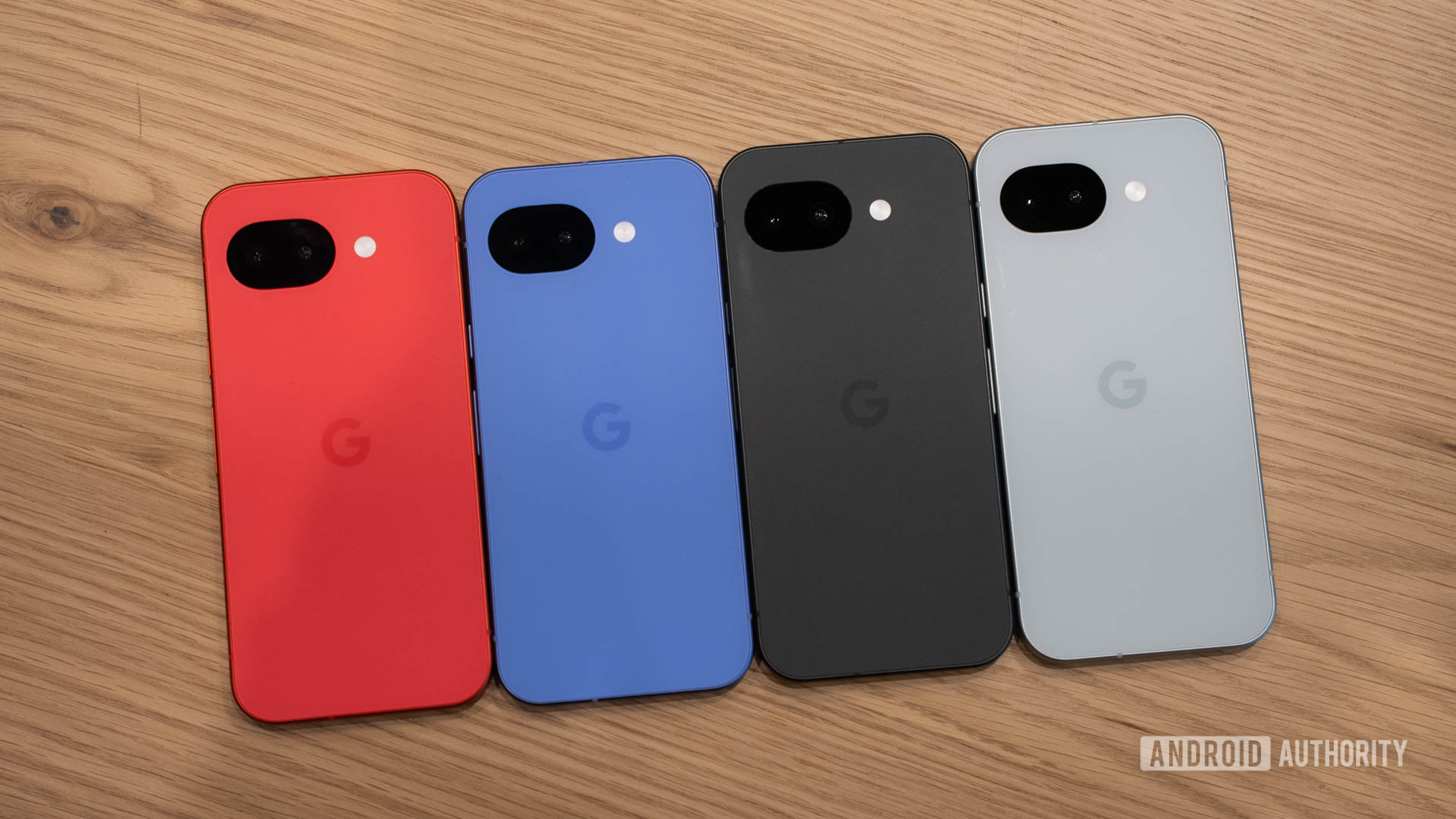
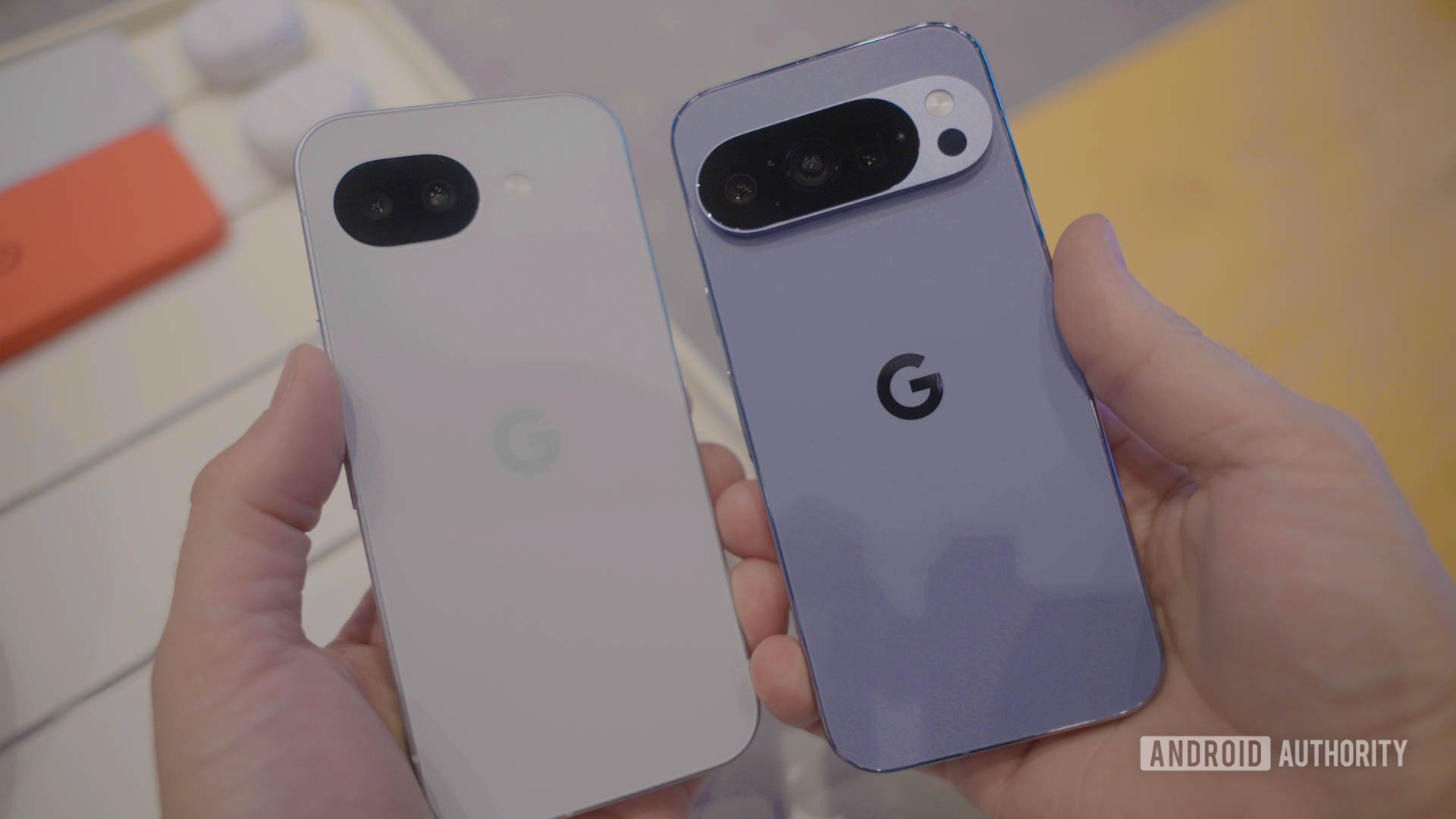
I also prefer the Pixel 10a’s design. I have always hated the bulky camera bars, and the new flat back is much more attractive. There are even new colorways like Lavender, Berry, Fog, and Obsidian.
The Pixel 10a is roughly the same size as the Pixel 10, just slightly thicker and bulkier. On the flipside, it’s also lighter at 183 grams, versus 204 grams for the Pixel 10. While it’s certainly possible the Pixel 11 could slightly upgrade its screen size, the Pixel 10a’s 6.3-inch display matches the current Pixel flagship here as well.
If you’re looking for an easy-to-use Android device that’s minimalist by nature and offers great value, the Pixel 10a is the one to go for. It will also likely save you about $300 compared to the Pixel 11, all while offering a very similar experience.
As I recently learned with the Galaxy S25 FE, just because a mid-range flagship has a few spec downgrades doesn’t mean you’ll notice a massive difference in day-to-day use.
Why you might want to wait for the Pixel 11 anyhow
C. Scott Brown / Android Authority
As much as the Pixel 10a might seem like a better fit for someone like me, I’m not the only type of user out there. There are many reasons you might still want to wait for the Pixel 11, especially for power users.
The gap between the Tensor G4 and Tensor G6 might not be massive, but power users and heavy mobile gamers could benefit from the upgrade. The Pixel 10a also has just 8GB of RAM, while the Pixel 11 should have at least 12GB of RAM as standard.
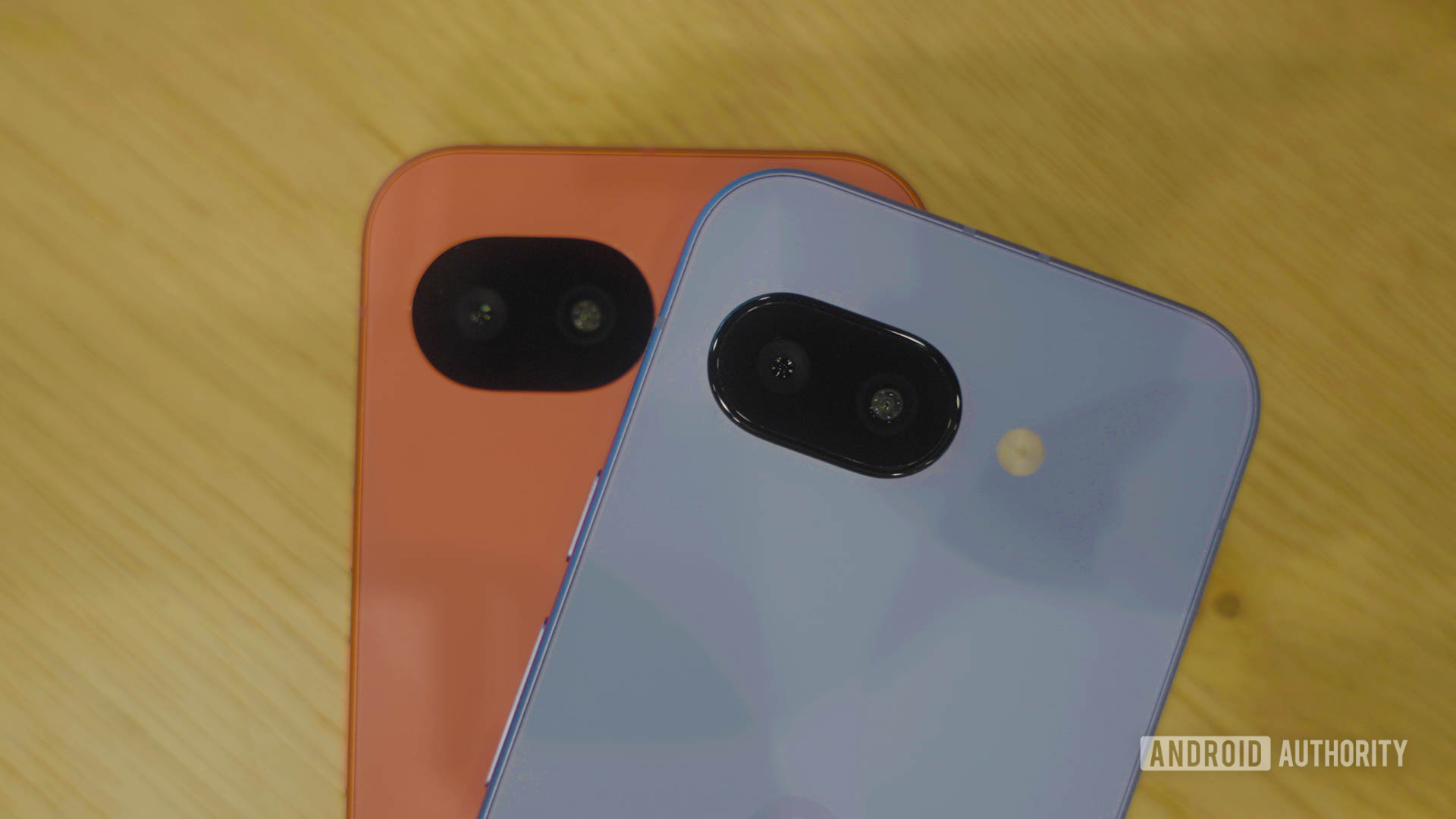
Those with a photographer’s eye will also likely get more out of the upgraded camera package. The Pixel 10a has the same 48MP main camera and 13MP ultrawide camera as its predecessor, which is already a step below what you’d get with the Pixel 10.
If you consider yourself a power user, the Pixel 11 might be worth the wait.
In contrast, Pixel 11 rumors suggest the upcoming flagship could introduce plenty of new camera features. Some highlights include 40K 30fps Cinemetic blur, Ultra-low light video support, and a new telephoto feature that uses machine learning in combination with the camera hardware to achieve 100x zoom. The Pixel 11 will also have slightly more premium build quality elements, though the new flat design of the Pixel 10a looks pretty sharp as it stands.
Ultimately, the Pixel 11 could be a better fit over the Pixel 10a if you want more power for light productivity, gaming, and other power user-oriented features.
There’s no one right answer, and plenty of alternatives
C. Scott Brown / Android Authority
I might personally prefer the Pixel 10a ($499 at Amazon) for its value over the Pixel 11, but there’s really no right device for everyone. If your current phone is on its last legs, there is no reason to baby it until the Pixel 11 comes out. The Pixel 10a will give you a similar experience for less, and you won’t have to wait.
If your device is still holding up just fine and you don’t mind paying more? The Pixel 11 is a solid choice, but remember that neither of these devices exists in a bubble. Not only are there alternatives from phone makers like Samsung, but it’s also important to consider the Pixel 10 ($799 at Amazon) and Pixel 9a ($499 at Amazon). Both of these Google devices are strong alternatives to the 2026 Pixel family.
Don’t want to miss the best from Android Authority?


The Pixel 10 might retail for around $799, but it often goes on sale as low as $500. It’s pretty much guaranteed it will go on sale again as the Pixel 11 approaches. This means you could get a better camera and a Tensor G5 processor for potentially the same price as the Pixel 10a.
The Pixel 9a might not have the new design tweaks from the Pixel 10a, but the only other major hardware difference is that the Pixel 10a has 30W wired charging over the Pixel 9a’s 23W speed, and 10W wireless over the 7.5W wireless on the Pixel 9a. There are also some software differences, but there’s at least a chance some of the Pixel 10a’s features could eventually make it to the Pixel 9a as well.
The Pixel 9a is currently on sale for $399, so you could save $100 if none of the Pixel 10a’s upgrades are that important to you.


Google Pixel 10a
Gemini features • Solid mid-tier offering • Great software support promise
Google’s best AI features, in a more affordable mid-tier device
Google Pixel 10a is a refined mid-range phone built around Tensor G4, a brighter 120Hz 6.3-inch display, tougher Gorilla Glass 7i, satellite SOS, and trickled-down Pixel AI features — paired with a reliable dual-camera system, 30W charging, and seven years of updates.
Thank you for being part of our community. Read our Comment Policy before posting.