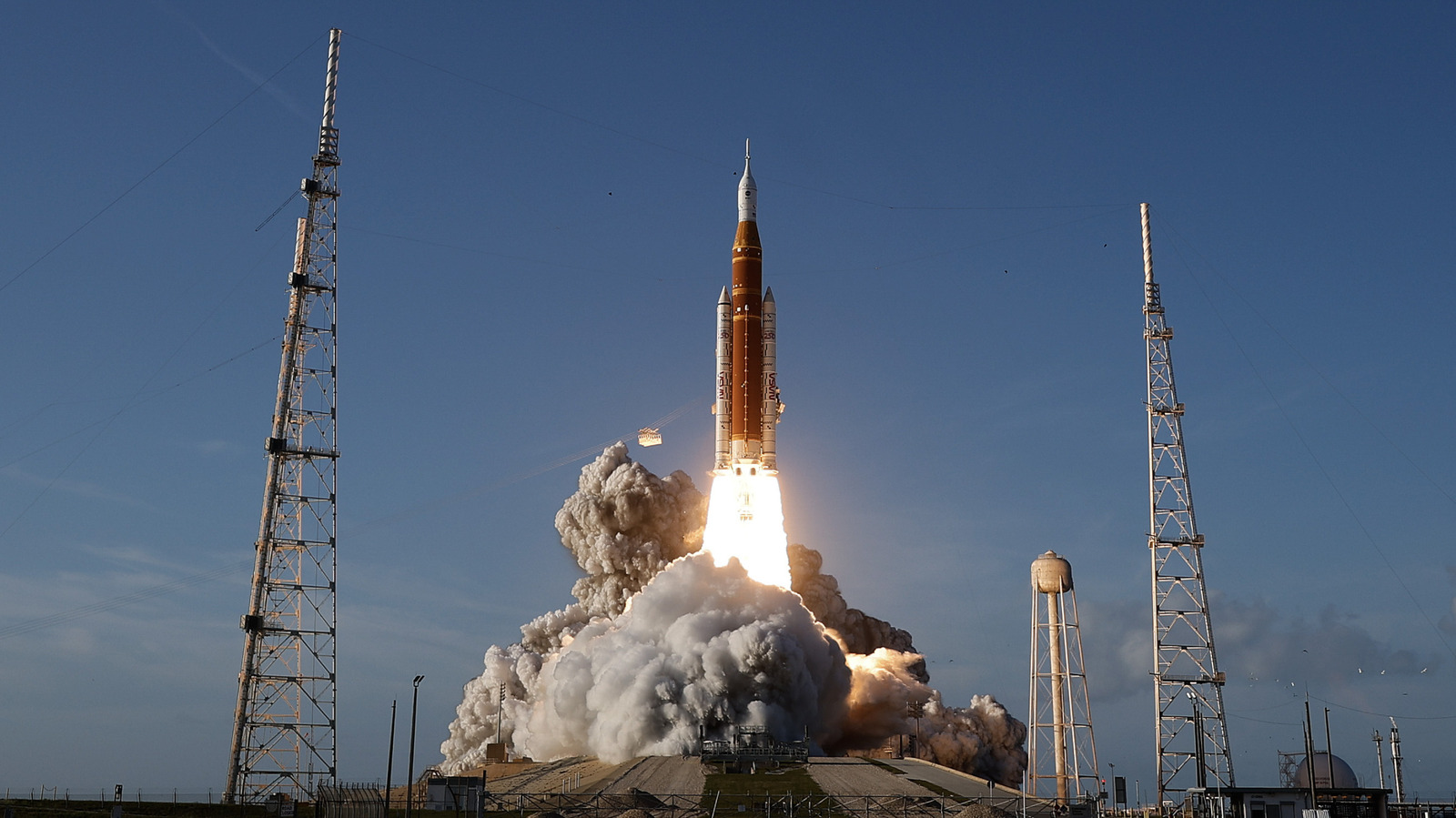
NASA’s Artemis II has officially launched, marking the next step of humanity’s journey into the stars. The mission is the first crewed Artemis flight, and the first time that humanity will return to the moon in any capacity in over 50 years — since the days of Apollo. To say that this mission has huge implications for the future of moon and space exploration as a whole is a bit of an understatement. But in case you haven’t been following the Artemis program since its inception several years ago, here’s why Artemis II is such a special mission for space fans.
There is a lot going on at NASA in 2026, and Artemis II is just a part of that. However, as we noted above, one of the reasons this mission is so special is because it actually marks a return to the moon for humanity. Despite putting men on the moon back in the 1960s and 1970s, humankind’s missions to the moon in recent years have all been uncrewed. Even the first Artemis mission was an uncrewed circuit designed to test the ship’s capabilities and safety standards. But with Artemis II, NASA is finally bridging the gap between unmanned and crewed, proving that it can send people to the moon.
A step forward for crewed space exploration

On top of being the first crewed mission to the moon in over 50 years, Artemis II is special because of the people that it has on board. The crew is made up of four astronauts with varied backgrounds, and this mission will mark the first time a woman and a person of color have traveled around the moon. In addition, one of the astronauts will become the first Canadian to fly around the moon, making this a very diverse crew.
The mission will also serve as an important testing ground that paves the way for future missions. Chief among these are the manual piloting tests that the mission has undergone in high-Earth orbit. These tests are important for ensuring the spacecraft operates as intended, as future missions will need to dock with a lunar lander in orbit, and ensuring pilots can manually perform this if needed is vital to keeping astronauts safe in the future.
The mission will also be huge for science, as the astronauts are going further into space than humankind has gone before, and they’re expected to see places on the moon that no human eye has ever seen. Its orbit will take the Orion spacecraft in a circuit around Earth’s lunar satellite, which will put the crew within 5,000 miles of the moon’s surface. While that’s nowhere near as close as we came during the Apollo program, it should provide important data to help plan for future landing zones and perhaps even the construction of lunar bases for long-term exploration of the moon’s surface.
Making sure everyone can get home safely

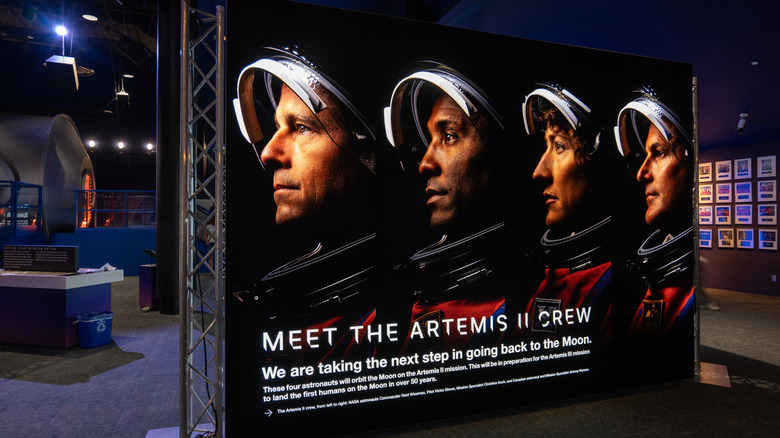
The final part of the mission, the return to Earth, is also important for proving that Orion can carry humans back to Earth safely. It is estimated that the Orion capsule will be traveling close to 25,000 miles per hour before reentry, and that means that the friction the spacecraft experiences as it barrels back into the atmosphere could raise the exterior temperature of the vehicle to upwards of 5,000 degrees Fahrenheit.
Previously, the Orion capsule from Artemis I experienced some unexpected heat shield degradation that left experts concerned about future Artemis missions, but NASA has come up with a plan to hopefully reduce that possibility by having Artemis II’s return happen more directly than Artemis I. This should limit how long the capsule spends in reentry, thus limiting the heat shield’s exposure to those extreme temperature fluctuations that are believed to have caused the damage seen in Artemis I.
Ultimately, everything learned on this mission is critical to future Artemis missions and America’s space exploration program as a whole. Not only is Artemis II special because it marks an important step forward for humankind, but it also serves as a proper bridge to future space exploration missions that could finally let humanity expand into the stars — a sentiment the astronauts on board the mission have openly shared.