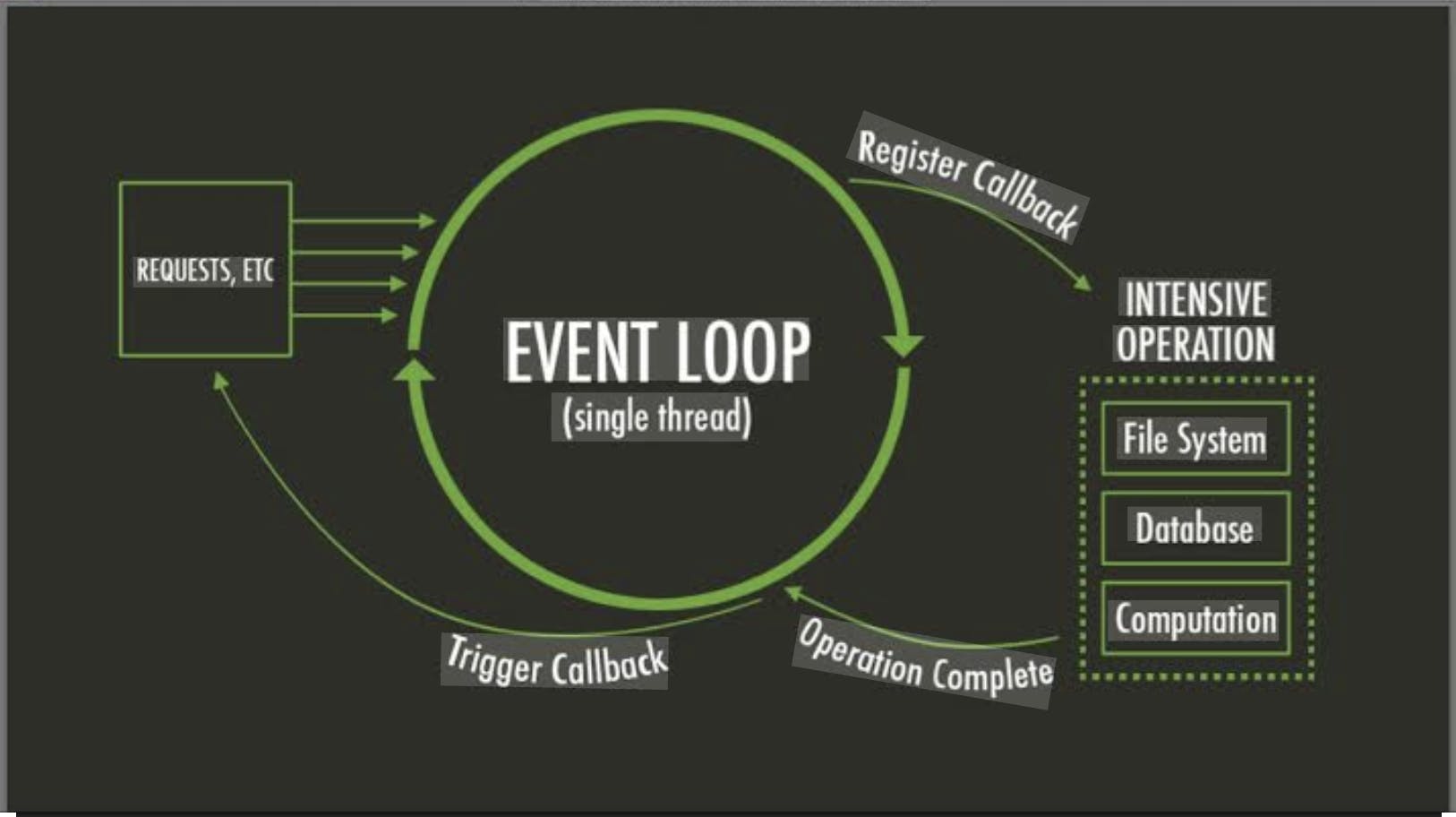
For some time, JavaScript events loop used to confuse me.
JavaScript is single-threaded, but still it handles thousands of things at the same time (e.g user clicks, network calls and even setting timers). I have always wondered how that worked. After studying and implementing it for a while, it has improved how I build web applications.
How I think of it
Imagine a chef (the primary thread) in the kitchen, instead of cooking one particular dish(order) completely, he
- Takes an order (Function)
- Starts cooking (Start async operation)
- Starts another order while waiting for the food to get simmered
- Returns to check the simmering order when possible
This is how JavaScript handles concurrency despite being single-threaded.
How I applied this to my projects
- API calls without Freezing the UI
  // Previously: Freezing UI while waiting for data
  function loadUserData() {
     const data = fetchDataSync('/api/user'); // UI freezes here
     updateUI(data);
     }

  // Now: Non-blocking with callbacks
  async function loadUserData() {
     const response = await fetch('/api/user');
     const data = await response.json();
     updateUI(data);
     }
-
Doing the hard task only once after things stop changing
When implementing a live search feature
  function waitBeforeSearch() {
    let timer;

    return function (text) {
      clearTimeout(timer);
      timer = setTimeout(() => performSearch(text), 300);
    };
  }
Important parts to note
- Call Stack: Where the function executes (the “chef cooking”)
- Callback Queue: Tasks waiting (Orders)
- Microtask Queue: Higher Priorities (Promises, Observers)
Here is a rule to remember
Never block the call stack with synchronous long-running operations. If you need to process long tasks, you can
- Use web workers
- Break tasks into smaller chunks with
setTimeOutorrequestIdleCallBack - User
async/awaitfor Input-Output operations
Getting to understand the JavaScript event loop and concurrency model has helped me to build more responsive applications. No freezing interfaces even during heavy processing because I now properly schedule task in different queues. Mastering the event loop and concurrency model means understanding exactly when and why your code executes, which make a better and more responsive application.