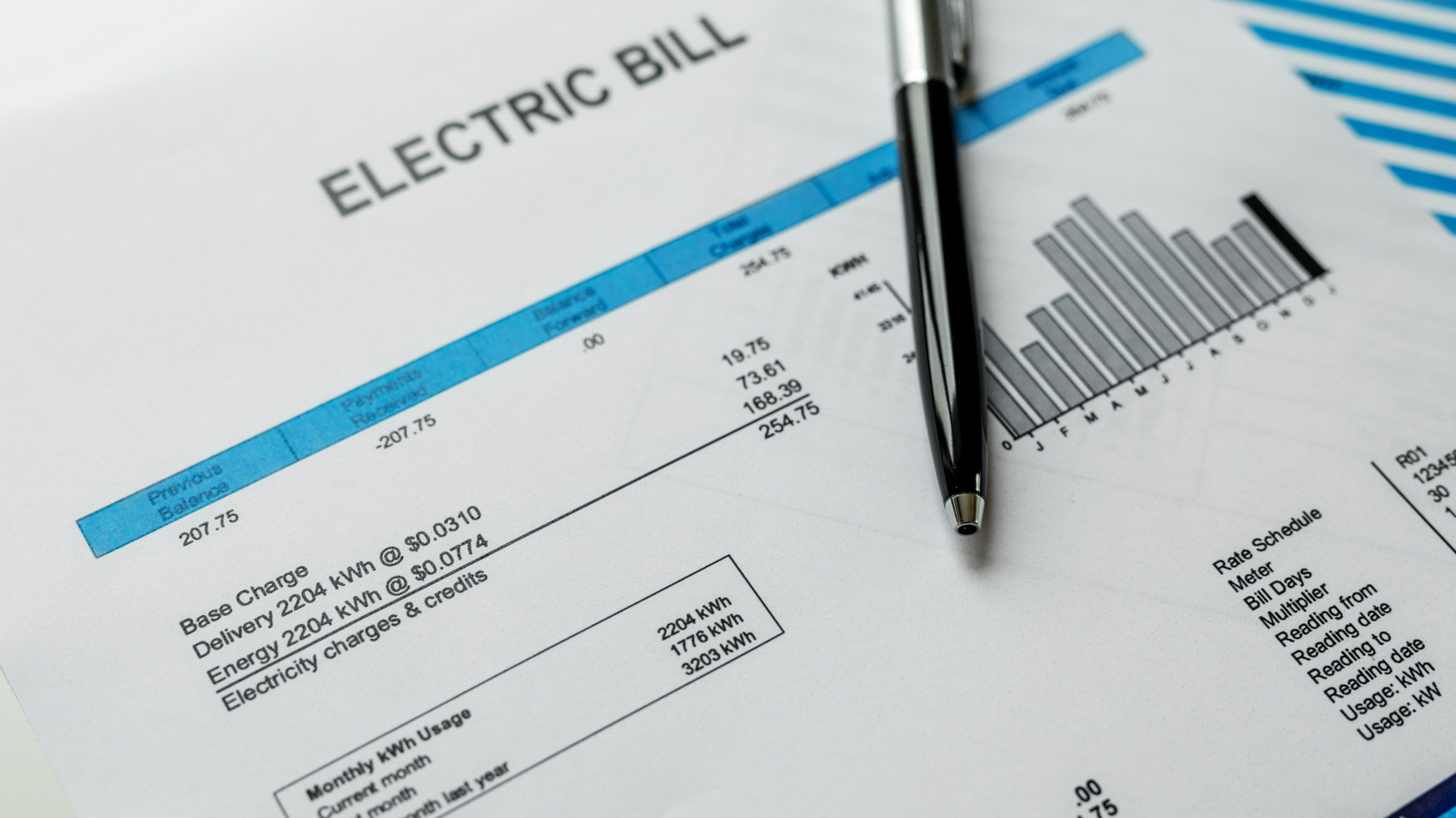
As smart devices and peripherals become more popular in homes, you may have heard that smart plugs in particular could be the key to trimming the proverbial fat from your regular power bill. This is technically true, in that careful usage of multiple smart plugs around your home could definitely help you save some cash on power consumption. However, the important qualifier is how long it would take for those savings to manifest, which could be anywhere from several months to a year or more.
Using smart plugs, unfortunately, will not magically chop your home’s power bill down to the barest minimum overnight. There are no inherent money-saving functions in a smart plug, either. Rather, their ability to save you money comes from their electricity-monitoring functions, allowing them to spot wasted power in your home and especially in whatever device is plugged into them. With some careful monitoring and strategic use, smart plugs can definitely save you some cash in the long haul, but you have to be willing to play the long game to see those benefits.
A smart plug monitors energy usage and spots waste

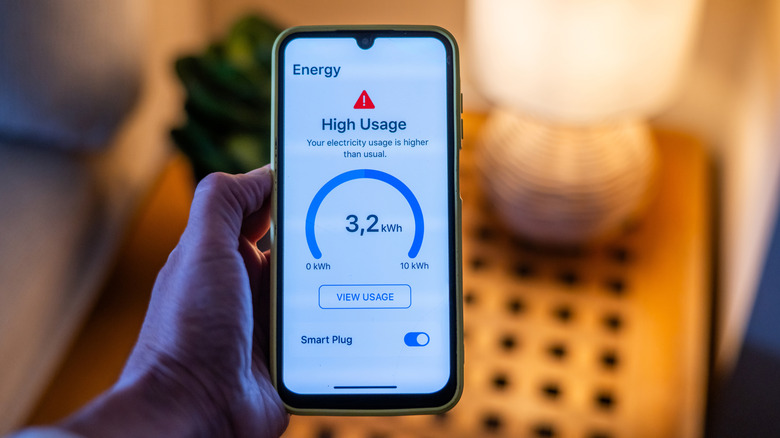
Smart plugs are able to cut down on your overall energy usage in a handful of ways, though before anything, you’ll need to buy a few of them and plug them in around your house. There are various cool ways you can use smart plugs, like hooking them up to lighting fixtures or devices with screens, while they absolutely should not be used on things like heavy-duty appliances and heating elements. Don’t try to cheat the system by plugging one into a power strip, either. After you’ve set up a few smart plugs around your house, the plugs’ companion smartphone app will begin monitoring the quantity of electricity coming and going through them.
Some devices, like televisions and PCs, passively consume a larger quantity of electricity than you’d expect, so if they’re plugged into a smart plug, you’ll get to see exactly how much juice they’re drinking on a regular basis. Using a smart plug, you can turn off these devices without having to physically unplug them, clamping down on their energy consumption. Similarly, if you have a habit of forgetting to turn off certain things in your home, like lights in a rarely-used room, a smart plug will remind you that those fixtures are still drawing power and allow you to remotely disable them.
Smart plugs pay for themselves … eventually
A smart plug’s remote operation and monitoring features are very convenient, but in terms of actually saving you money on power usage, they don’t actually do anything. If you’re hoping to save money by installing smart plugs around your home, the onus of doing so is entirely on you. Smart plugs require an initial investment, with most costing between $10 and $20. Some estimates put savings at $20 to $60 per year, so it will take several months to break even.
Instead of a quick fix, then, it’s better to think of a smart plug as a tool with which you can clearly see where power waste is occurring in your home. If you notice a particular device is draining more than you’d like, thanks to the plug’s readout, you’ll know to unplug or deactivate it when it’s not in use instead of just leaving it on all the time. Similarly, being able to remotely power down a device you forgot to turn off can save a lot of cash if you’re away from the house.
To understand the full scope of how much money you’re actually saving, you may need to follow this procedure for at least a few months to a year. You won’t even know how much difference you’re making until you get your first monthly power bill, but ideally, your power consumption should gradually start to decrease over subsequent months as you get better at spotting waste and optimizing your power usage. It may be a long process, but when you compare your power bill a year on from your initial smart plug setup, you might just be pleasantly surprised.