Brady Snyder / Android Authority
I first got into smart home technology around 2015, right as smart speakers and connected devices started going mainstream. Within a few years, my home was filled with smart bulbs, cameras, speakers, switches, and just about anything else that promised automation or voice control.
By late 2020, I had mostly abandoned it all. The novelty wore off, the maintenance piled up, and the conveniences no longer felt worth the effort. Now, several years later, I have slowly started to bring smart home tech back into my life. The question is whether the experience has actually improved enough this time to make it stick.
Is smart home tech worth it in 2026?
131 votes
What drove me away in the first place


Stephen Schenck / Android Authority
There was no single breaking point for me. Instead, it was a steady accumulation of small frustrations that eventually outweighed the benefits.
Cost was one of the earliest issues. While budget smart home products existed, they often came with reliability or compatibility trade-offs. To avoid that, I gravitated toward higher-end brands like Philips Hue. At the time, that meant spending $20 or more per bulb, even for basic white lighting, with color bulbs costing significantly more. Outfitting an entire home added up quickly.
The bigger problem, though, was fragmentation. There were platform standards, but no real sense of cohesion. Some products required dedicated hubs, while others worked directly over Wi-Fi but behaved inconsistently. Even when everything technically worked, it often felt fragile behind the scenes.
Voice control masked some of that complexity, but it did not eliminate it. Commands still passed through multiple platforms and services, and when something broke, troubleshooting was often more work than flipping a physical switch. At first, that tinkering was part of the appeal. Over time, it became exhausting.
Smart home setups aren’t cheap, and over time I felt like it was no longer worth the added costs and maintenance.
Then the hardware started to age out. Smart bulbs began failing in clusters, which meant replacing a dozen or more at once. My smart doorbell also started acting up around early 2021, and when we moved a few years later, I chose to stick with the standard wired doorbell instead of replacing it.
Even smart speakers lost their appeal. Phones and tablets could already do most of the same things, and voice commands stopped feeling novel. By that point, the only piece of my old setup that survived long-term was a security camera, which I later upgraded. In truth, I no longer had anything resembling a true smart home.
What brought me back this time?


Brady Snyder / Android Authority
About two years ago, we moved into a newer, more modern home. It even came with a Wi-Fi-connected dishwasher, which I still do not fully understand the appeal of. That move was what initially made me reconsider smart home tech, though I did not jump back in right away. It was not until 2025 that I started reinvesting beyond a few small additions like a camera for the back porch.
This time, my mindset was different. In the past, I treated “smart” as a must-have feature rather than a deliberate choice. If something offered connectivity, I wanted it. Now, I was not trying to build a futuristic showcase. I was focusing on where smart features actually made sense and quietly improved daily life.
Outdoor security cameras still felt genuinely useful, so those stayed. On the other hand, I realized a smart doorbell did not make much sense for my situation. We do not get many unexpected visitors, and the added complexity simply was not worth it.
Instead of treating smart home tech as a must-have purchase, this time around I was much more selective.
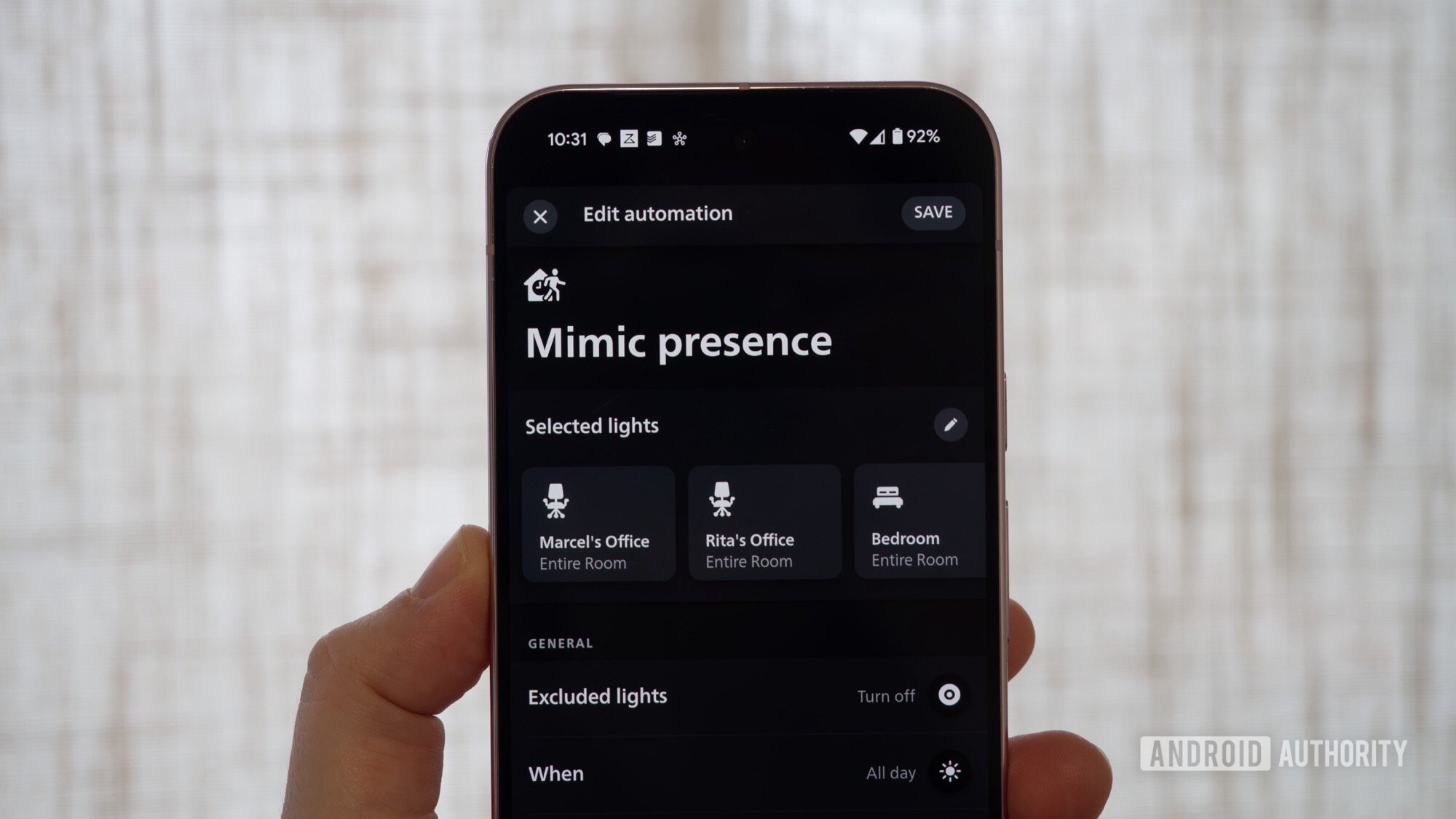
Lighting was where I chose to reinvest most heavily, as my kids are bad about turning off lights. Wi-Fi bulbs were already becoming more common when I exited the smart home space, but they had not impressed me at the time. Coming back, the experience felt noticeably more mature. Philips Hue’s newer Wi-Fi bulbs were more reliable, easier to set up, and no longer required a dedicated hub. Just as importantly, they cost closer to $10 to $12 each, much closer to what I had previously paid for budget bulbs.
Around Christmas, my wife gifted me an Ecobee Smart Thermostat Essential. It was something I had always wanted but never had the right home for. Older places would have required electrical upgrades. In our current home, it worked immediately and quickly proved its value in both convenience and energy management.
A smaller setup that actually works

C. Scott Brown / Android Authority
Today, my smart home setup is far more modest than it was a decade ago, but it also feels far more intentional. Nearly all of our lighting is smart, and I stick to a single ecosystem to avoid compatibility headaches. I have two outdoor cameras, a smart thermostat, and a few other connected devices like modern TVs that integrate naturally into the system.
That said, I have not fully returned to smart assistant speakers. I briefly set up a Google Home device with Gemini support, but it did not last long. In a house full of phones and tablets, accidental activations were constant, and the speaker itself felt redundant. This time around, voice control feels optional and phone-centric rather than central.
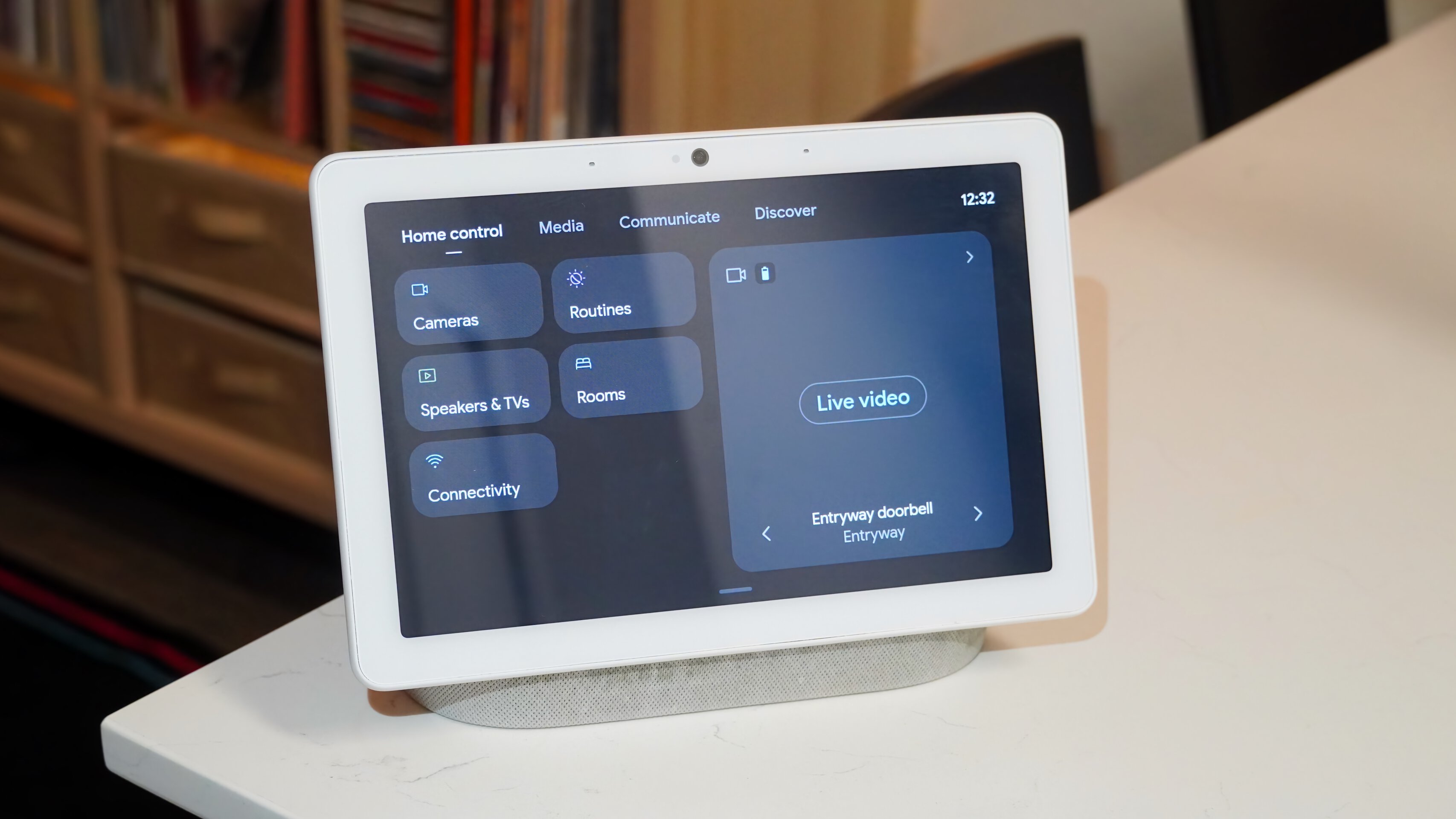
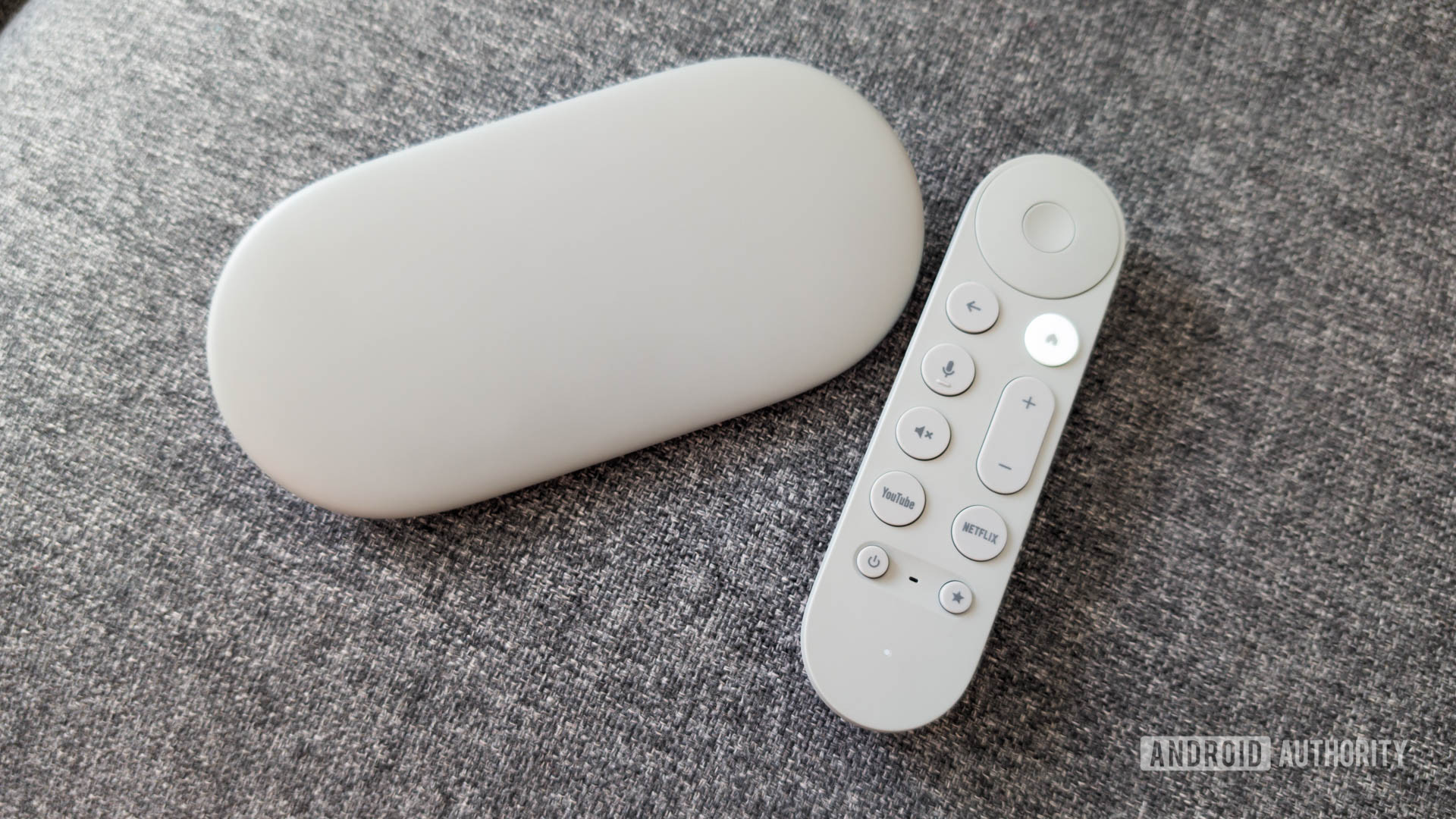
I do still manage everything through a central device, though. After upgrading to a Google TV Streamer in late 2025, it naturally filled the role my old Home Hub once played.
Was it worth reinvesting, and will I stick around?
Rita El Khoury / Android Authority
While I can’t predict the future, I do honestly feel like my smart home setup is more useful and less about showing off this time. Still, some of the core issues that drove me away remain, even if to a lesser degree. Smart bulbs still aren’t particularly cheap to replace, though the gap between a standard LED bulb and a smart bulb is much smaller than it was a half-decade ago.
The addition of standards like Matter and improved interfaces in Google Home and other hub-like interfaces has helped remove some of the complexity, and it’s easier to troubleshoot problems in 2026. Still, problems do happen. Matter also adds a bunch of extra elements that make troubleshooting almost as confusing as before, even if not quite.
I’ve had a brief glitch with my lights at least once every week or two, and I’ve had a few minor issues with my cameras. The biggest difference is that the problems are often much easier to diagnose and less frequent. Sure, it’s still going to feel more like a tinkering project than a traditional light switch setup ever will, but it no longer feels like a timesuck.
My biggest takeaway is that in 2026, smart homes are more affordable, easier to maintain, and more unified than ever before. That said, they still are more for tech-loving hobbyists than for people who just want something that works without hassle.
Don’t want to miss the best from Android Authority?


Thank you for being part of our community. Read our Comment Policy before posting.