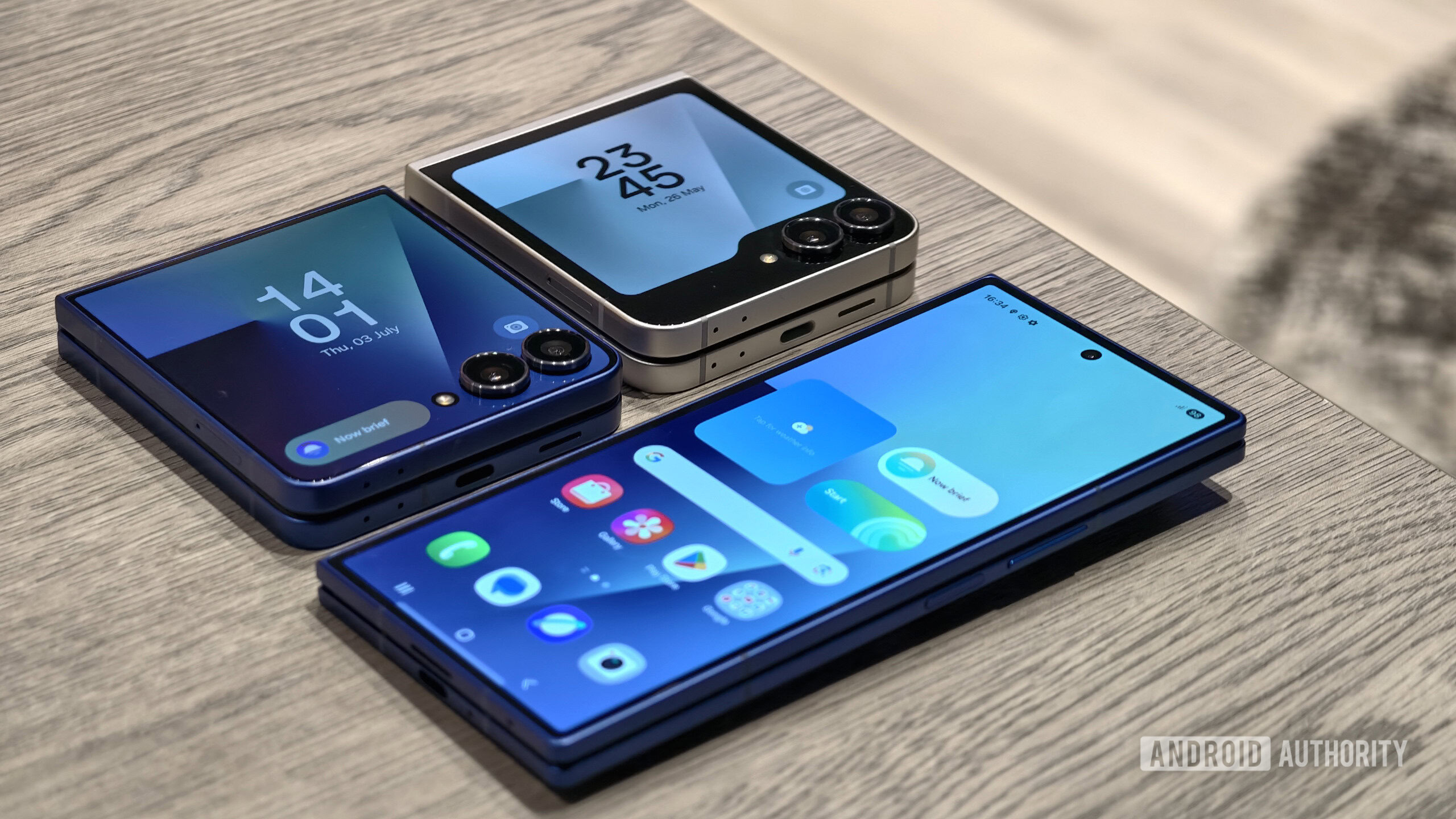
When foldable technology first started to surface in prototypes and limited commercial form, the whole concept felt so high-tech and futuristic; I was pretty much sold from day one. While I didn’t immediately run out and purchase a foldable, I did get my hands on the Galaxy Z Flip in early 2021, and kept it as my daily driver for about a year.
That was far from my only experience, either. From 2021 to 2025, I not only gained long-term experience with three different Flip models, but I also eventually purchased the Galaxy Z Fold 5.
Fast-forward to today, and I no longer own any foldables, nor do I have any interest in changing this anytime soon. What changed? A lot.
Are foldable phones worth buying, or is the form factor not for you?
4558 votes
My journey from Flip to Fold: how my love for foldables faded
Ryan Haines /
The technology might have improved, but once the shine was off, I realized standing out was about its only major advantage. I wasn’t ready to throw in the towel yet, though. That’s when I decided to purchase the Samsung Galaxy Z Fold 5 as my daily driver in early 2024.
Ryan Whitwam /
Galaxy Z Fold 5
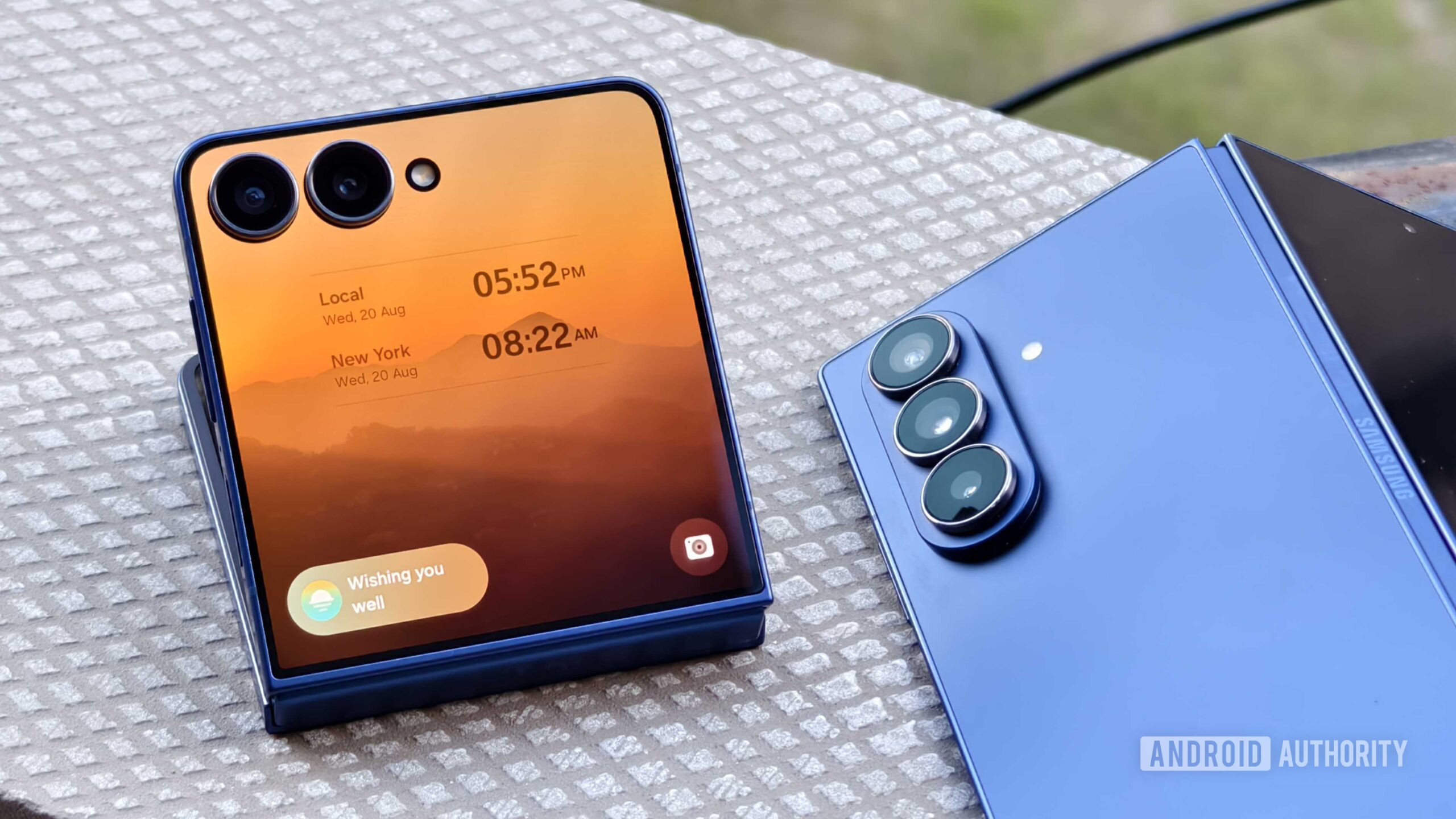
At first, I finally felt like I’d found what I was looking for. Not only did it still stand out, but it also felt like it had meaningful functionality. I loved the multi-tasking features in tablet mode and appreciated that I didn’t have to unfold anything to use the phone as it was intended. This felt like the future in a way that using the Flip never did.
Unfortunately, the feeling was temporary.
About four to six months in, I found myself occasionally swapping SIM cards into my secondary smartphone, largely because it was lighter and easier to carry for shorter day trips and errands. I still used the Fold 5 as my main phone about half the time, but it was no longer my obsession in the same way it was early on.
The Fold 5 felt like a true productivity upgrade, but many of the same downsides remained.
By the end of 2024, the Galaxy Z Fold 5 was switched to a secondary SIM as a home phone for emergencies. I felt this made sense, as the only time I really wanted to take the Fold outside the home by this point was for overnight trips.
This arrangement continued throughout most of 2025, but by the year’s end, the Fold was almost literally starting to collect dust. The big problem was that the Fold 5’s tablet mode was starting to feel cramped at 7.6 inches, so I found myself reaching for my larger Galaxy Tab S5e as an alternative.
Why I finally decided to stop investing in foldables, at least for now

Prakhar Khanna /
Towards the end of 2025, I sold my Fold 5. I realized that while the form factor still excited me, it no longer felt like a practical choice.
I want to be clear: my biggest reason for leaving wasn’t just about the loss of novelty. Early on, the novelty made it easy to ignore many of the form factor’s biggest downsides. Now that the rose-tinted glasses were off, the flaws started to shine through.
I thought about my time with the Flip family. While the cover screen experience had definitely improved over iterations, the Flip’s outer display was still much more limited than the full-screen experience. This meant most of the time, I was just jumping right to the main display anyhow. The Fold had a little more going for it, but neither seemed to give me enough of a reason to justify the higher costs and potential durability issues.
The fragile nature of foldable technology makes it a less ideal fit for my life, even if I still love the general idea.
It wasn’t just perceived durability issues, either. The OG Flip and the Flip 3 both developed major hinge issues over time. The original literally stopped folding in half, while the Flip 3’s hinges started to bend a little over time, so I had to be very careful when opening and closing it. I will admit that some of this is because I don’t wear kid gloves when handling my devices, but it’s not like I’m throwing them around the room either.

Lanh Nguyen /
I did drop the Flip 3 once, and it hit the hinge corner; that was most certainly what caused its issues. That said, I did have a case that should have helped, but instead, part of it popped off when it was dropped. In contrast, a case and protector have always been more than enough to prevent me from running into major issues with more conventional smartphones.
For what it’s worth, I never ran into any real durability problems with the Fold 5. Still, there’s no denying that even with technological improvements, foldables remain more fragile due to the nature of their design. While devices like the Pixel 10 Pro Fold have upped the ante a bit with IP68 protection, this isn’t a widespread feature on foldables.
Even if protection improves universally over time, the reality is that the more you use a foldable, the more wear and tear can slowly negate some of this advantage. Regardless of the format, every foldable suffers from the same issue when it comes to protection. You can’t use traditional screen protectors, and most case-based solutions for the form factor are either poor performers or too bulky to be practical.
At the end of the day, the real reason I gave up on foldables is that the fragility isn’t worth the extra costs. Not only are foldables more expensive from day one, but repairs are also expensive.
As foldables evolve, could I see myself returning?
Lanh Nguyen /
I love new tech trends. At some point, I’ve tinkered with VR, AR, smart home tech, and more. Yet every time, the same pattern happened: early interest, then I fade, only to return years later. With that in mind, yes, I could see myself eventually returning to foldables.
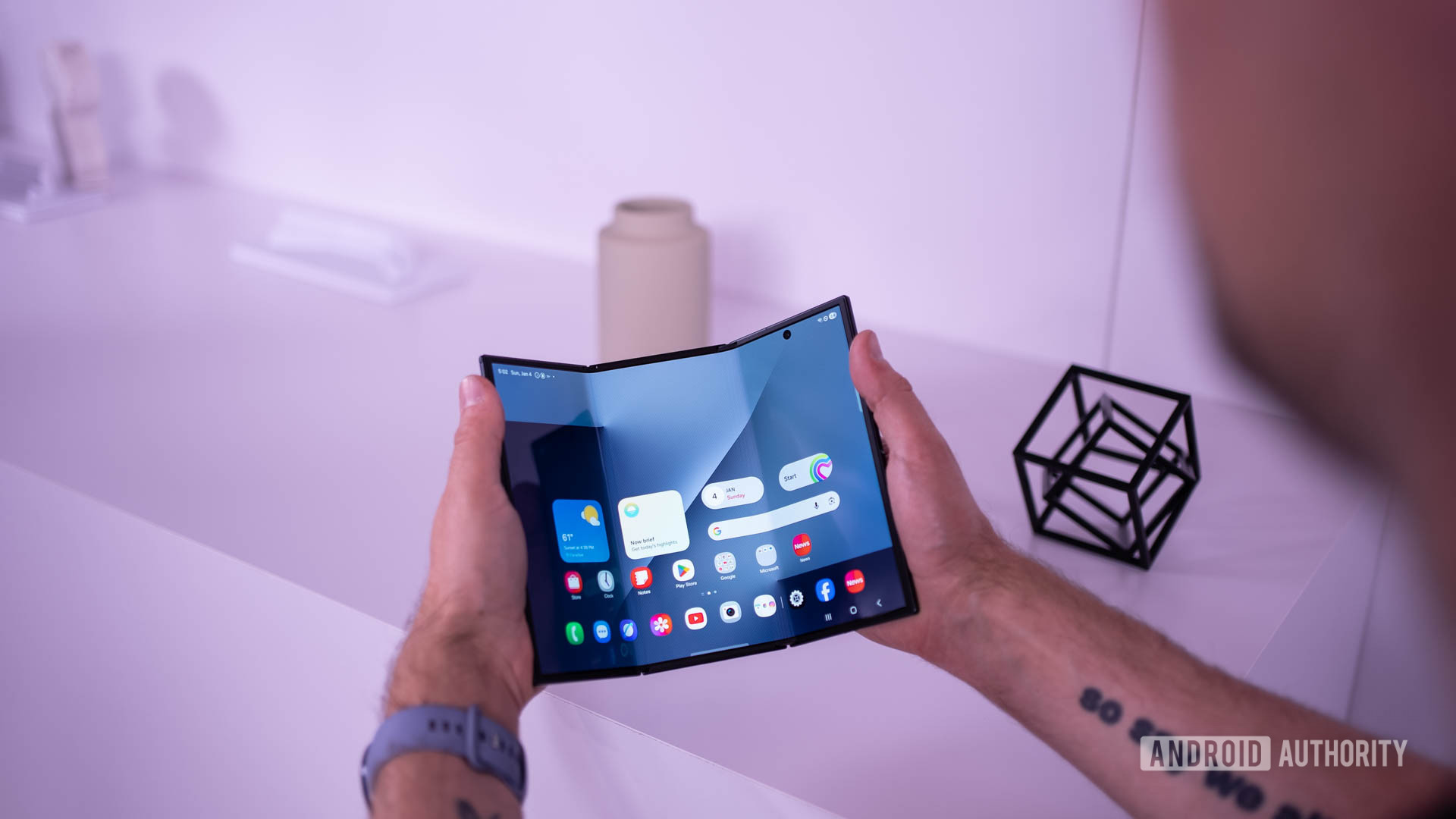
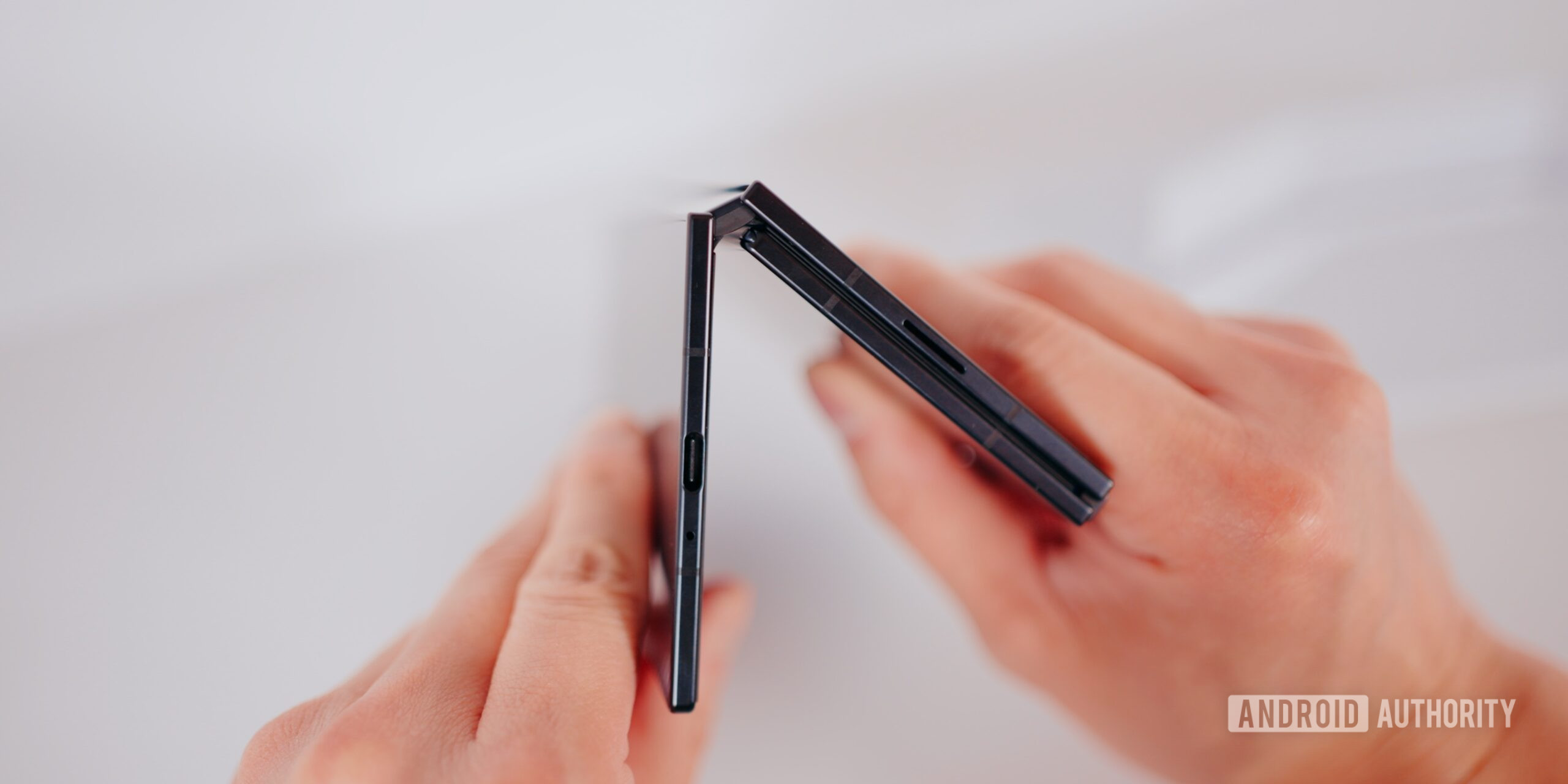
Still, I don’t see my grievances going away any time soon. Newer form factors like the Samsung Galaxy Z TriFold fix some of my issues with display size, but the form factor seems likely to be even more fragile, and it doesn’t look particularly convenient to open or close. For other foldables, durability will likely improve significantly in the years to come, but even then, the hinge and other folding components will remain the weakest points.
At least for the near future, I think it makes more sense for me to stick with a traditional phone, and pair it with my laptop and tablet for the times when I want a bigger display. Sure, it means managing several devices instead of one, but it also means staggering upgrades, and ultimately, I suspect this arrangement will still be cheaper and more sustainable in the long term.

Lanh Nguyen /
Of course, that’s not to say I think foldables aren’t any good. If the potential fragility and high costs aren’t a turn-off for you, the productivity advantages remain for larger foldables. Smaller devices like the Flip are mostly about pocketability and standing out, but again, those might be more than good enough reasons to buy for some users.
For me personally? My love affair with the form factor is over, but that doesn’t mean things couldn’t change down the road.
Don’t want to miss the best from ?


Thank you for being part of our community. Read our Comment Policy before posting.