




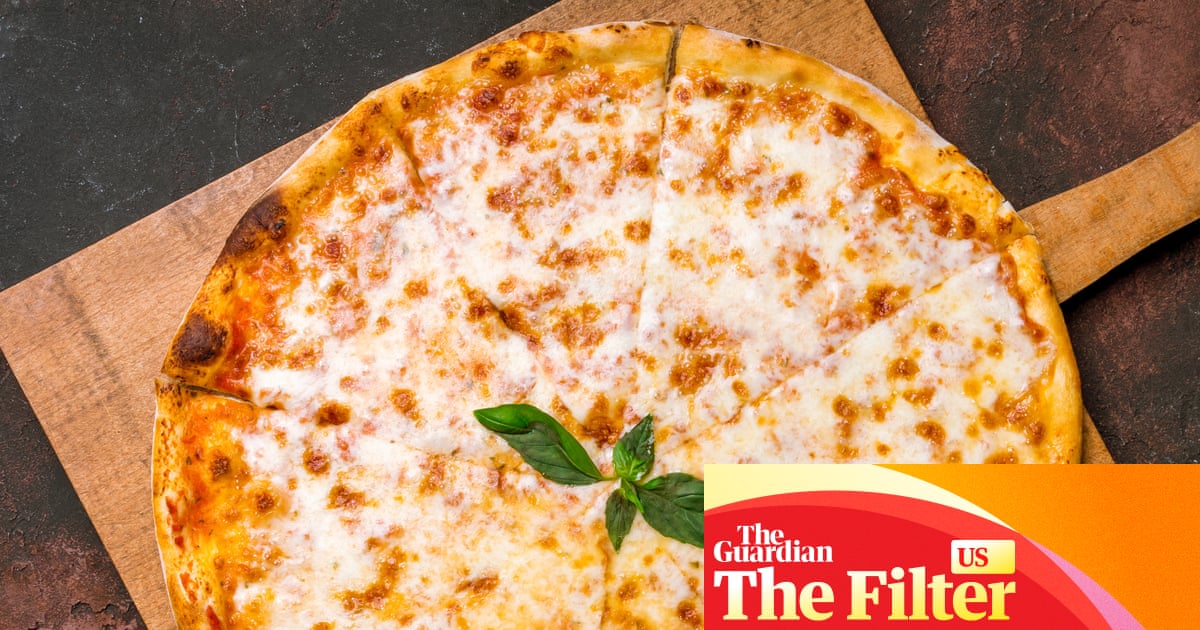
It’s never been easier to make pizza at home. And today’s pizza-making gear is more capable and approachable than you might think.
The price range for at-home pizza gear is as wide as the topping choices. On the simple, affordable end, there is the humble carbon-steel slab that slides into the oven you already own – it’s like a basic cheese pie.
At the other extreme is pure splurge: a hulking hybrid oven that burns propane or wood and becomes the centerpiece of your outdoor cooking setup. Think of it as a pizza topped with Italian white truffles.
Sitting between those extremes is the dedicated electric countertop oven that performs far better than any fancy toaster oven. (Though if you’re looking to reheat leftover pizza in a jiffy, toaster ovens come in handy.)
What’s more, with each category, home pizza gear isn’t a one-trick pony. Pizza steels are fantastic for baking crusty bread. Newer electric ovens let you precisely control temperature, so you can bake cookies, broil veggies or toast a bagel. And modern outdoor pizza ovens can roast a chicken or sear a steak in cast iron as well as they can blister a New York-style pie.
So which gives you the biggest bang for your buck? If you’re new to making pizza, should you start with the basic baking steel or splurge on an oven that does it all for you? To find out, I spent weeks making pies at home to compare and contrast the best gear at every price tier.
The best pizza makers at a glance
Why you should trust me
As equipment editor at Serious Eats and then senior editor at Men’s Journal, I reviewed kitchen gear for years. As a freelance journalist, I have also reviewed cooking appliances for the Wall Street Journal, Bloomberg and Food & Wine. I have tested everything from grills to coolers to knife sharpeners to uncover the best tools for home cooks.
In college, I also worked in my dad’s pizzeria in Queens, New York, and later in a German bakery.
What you get as you move up in price
$129: For the budget option, I chose a pizza steel over a cheaper pizza stone for several reasons. Made from carbon steel – similar to many restaurant pans but much thicker – a pizza steel is virtually indestructible, conducts heat far better than a stone and excels at producing a crisp, charred crust. Steels are essentially maintenance-free and will last a lifetime. The main drawback: it preheats slowly. To get a properly charred crust, a steel generally requires about an hour at 500F (260C).
$700: A step up from a pizza steel is a dedicated countertop electric pizza oven. Unlike a pizza steel, a good electric oven can reach temperatures around 800F in just minutes, allowing for a Neapolitan-style pizza almost as soon as you crave one. The tradeoff is price: these ovens can cost as much as $700, but they offer speed, convenience and consistent results that a pizza steel can’t.
$2,800: At the top end of home pizza makers is the outdoor pizza oven, usually fueled by gas, though some models burn wood chunks or pellets. These ovens can reach temperatures well above 800F, and many have room for between one and three 12in pizzas at a time, making them ideal for entertaining or cooking multiple pies in succession. They can provide a restaurant-quality pizza experience that surpasses what is possible indoors – while also cooking meats, roasted vegetables and other baked dishes.
How I tested at-home pizza makers
Using standard supermarket bread flour, canned tomatoes, olive oil and mozzarella, I prepared batch after batch of the same pizza dough. Once portioned using a digital scale, the dough balls fermented slowly in the refrigerator. Each pizza was consistently sized at about 12 to 13in, and I carefully measured the sauce and cheese on the scale to ensure every pie received the same amount of toppings.
Over several days, I baked three pies per oven and monitored their temperatures throughout the preheating and cooking process with an infrared temperature gun. I timed how long it took each pizza to reach my preferred doneness – which leans toward the well-done side – and also took notes on ease of use, handling and cleanup.
What you’re paying for: Low maintenance, near-indestructability and excellent pizza crust
Why we love it
As you might expect from a rectangular slab of metal, the Baking Steel Original is very straightforward to use. It arrives lightly seasoned with a thin coat of oil, so it’s ready to use right out of the box. And with 45 to 60 minutes of preheating at 500F, it produces excellent pizza with minimal fuss. In my tests, the crust wasn’t quite as crisp as what I get from an electric pizza oven, but the pies were still very good.
The instructions suggest keeping the steel about 6in from the broiler to preheat it. Once you launch (insert, in pizza-speak) the pie, it should bake in seven to eight minutes. You can switch on the broiler for the final four minutes to help melt the cheese. After eight minutes of baking them in the oven, I pulled the pies. Both the cheese and crust browned evenly without needing the broiler. The steel retained enough heat for two pies back to back, each baking consistently. If you’re making more than two, just keep an eye on the bottoms so they don’t burn before the tops are fully melted.
Once cooled, simply hand-wash it with soap and dry it with a towel. Remove any burnt-on bits with a pumice stone. As with a carbon steel pan, occasional reseasoning with oil on both sides will help prevent rust.
Pro tip: Don’t let the long preheat time worry you – if you store your dough balls in the refrigerator, stretching them straight out of the fridge is nearly impossible while they’re cold (around 40F). It often leads to frustration and tears (in the dough, but potentially from you, too). As the pizza steel takes time to preheat, you can let the dough sit at room temperature so the gluten can relax, making the pies easier to stretch.
It’s a shame that … If I had one minor complaint, it’s that the steel’s position near the broiler makes taller users squat to get the right angle when launching a pie.
If you’re new to pizza making, try building your 14in pizza on a piece of parchment paper, then slide the paper and pie off the peel into the oven. With a bit of practice, you’ll be able to launch pies directly using just flour. A clean oven window with a working bulb is also helpful for monitoring the toppings, especially when using the broiler.
Is it worth the price? Yes, for almost anyone starting out. For $129, nothing else comes close in crust evenness and quality. You give up speed, but the value is clear.
Price: $129
Dimensions: 16in W x 14in D x 0.25in H
Weight: 15lbs
Material: Solid, pre-seasoned carbon steel
Warranty: Lifetime
What you’re paying for: Speed and convenience, thanks to fast preheating, easy countertop access and preset pizza modes
Why we love it
The Ooni Volt 2’s biggest advantage is its fast preheating. The electric element under its cordierite pizza stone reached an average of 683F in just 20 minutes using the high-temperature Neapolitan mode. The real-time display is a helpful guide for knowing when the oven is ready.
The pies, launched at 630F and done in eight minutes, came out crispy and perfectly melted with minimal effort. The heat was also consistent from front to back and left to right – no need to pull or rotate the pizza during cooking. Plus, the large window and bright interior light made it easy to keep an eye on my cook without opening the door.
This latest generation of the Ooni oven is more versatile than earlier models. It offers three pizza settings – Neapolitan, thin and crispy, and pan pizza – each with its own preprogrammed temperature range that you can adjust. A crisping feature fires the top element to melt cheese and toppings, and each pizza mode has a preset for it. The oven also includes proofing, broiling and standard oven modes. Two programmable preset buttons let you save your favorite temperatures, similar to a car stereo.
The Ooni also comes with an oven shelf if you want to broil or bake, but you will probably need to buy an eighth-sheet pan to use those functions. (Ooni does sell a matching pan and wire rack for $45.) And if you plan to make deep-dish pizza, you’ll want a pan about 2.5in tall.
It’s a shame that … The Volt 2 has a compact footprint. That said, Ooni recommends 4in of clearance on the sides and 6in above, so you’ll want to check the fit on your counter if you have upper cabinets. The door folds flatter than most toaster ovens, but to get it fully flat – and make launching pies easier – you will need to slide the oven to the countertop edge. At over 38lbs with the stone installed, it’s not extremely heavy, but moving it in and out of storage can be awkward.
The controls aren’t the most intuitive. While you’ll get the hang of the oven with use, it helps to keep the user manual handy. And finally: the dial works well, but flour-covered hands can make using the sleek touchscreen tricky.
Is it worth the price? If pizza night is a weekly tradition at your house, an indoor electric pizza oven could get enough use to justify the investment. It’s expensive for a countertop appliance, but it meaningfully outperforms a steel in speed and ease.
Price: $700
Dimensions: 21.5in W x 17.4in D x 10.4in H
Weight: Just under 39lbs
Pizza stone material: 0.39in (10mm) thick cordierite
Warranty: One year standard; three years if you register
What you’re paying for: Large capacity, extreme heat and the closest thing to restaurant pizza at home
Why we love it
For anyone who wants to cook for a crowd, the Gozney Dome XL is a large, capable outdoor oven that can handle far more than just pizza. It requires a bit more attention, since you’ll need to rotate the pie for an even bake, but its intense heat can deliver beautiful char and restaurant-style pies. Plus, it can be fun to show off the rotating while entertaining.
You can comfortably fit three 10in pizzas in the XL, which offers over twice as much room as the Ooni Volt 2. It also ships with a propane burner, but you can also cook with wood or charcoal out of the box. (If you do, Gozney sells a $200 wood-fire control kit.)
Despite its size, the oven is easy to use. I tested it outdoors in the winter using propane, and its two thick cordierite stone panels warmed from an average of 36F to about 520F in 20 minutes. When I launched pies at roughly 760F, each one finished in about four minutes with a gorgeous char and classic leopard spotting underneath.
The height inside the oven is also helpful. The internal chamber is about 9.5in tall, so you can use that full interior height to finish the cheese or toppings without burning the crust. Just lift the pie up and hold it below the oven’s ceiling to take advantage of the convection and radiant heat. And even with a smallish door opening of 5in, the oven is still tall enough to handle a spatchcocked chicken or turkey in a roasting pan or cast-iron skillet, as well as tall loaves of bread.
While the Gozney is solidly built – with a robust exterior and excellent insulation – it also has useful tech to help you monitor temperatures. The controller, which runs on a rechargeable battery (the oven itself uses an AAA battery for ignition), displays both the air temperature inside the oven and the temperature of the stone. You can toggle between them to make the one you care about more appear larger. Although you still control heat using the dial that adjusts propane flow, the digital readout makes it much easier to understand what’s happening inside the oven.
Pro tip: Because the burner sits on the left side of the oven, I expected that side of the floor to run hotter – and it did. After an hour of preheating (empty), the left side measured just over 900F. Interestingly, the coolest area was the center, landing at about 730F. Even though the oven is well-insulated and vents efficiently through the chimney, that cooler center spot can be helpful when juggling multiple pizzas to avoid scorching.
It’s a shame that … The oven’s biggest drawback for most people is the price. It’s also heavy enough that you’ll need help moving it into place, and if you don’t purchase the accessory stand, you’ll have to set it on a sturdy, non-combustible surface. I prioritized cooking with propane for this test, as it has the shortest learning curve. If you want to cook with wood or charcoal, the steel tray that holds it does eat into the floor space a bit.
Is it worth the price? For many home cooks, the gains over a mid-range oven won’t justify the huge jump in cost. But if you can use its full capacity, the performance is exceptional.
Price: $2,800
Dimensions: 37.2in W x 27.4in D x 39.3in H
Weight: Just under 161lbs
Pizza stone material: 1.2in (30mm) thick cordierite
Warranty: One year standard; five years if you register
Sal Vaglica is a freelance writer with more than a decade of experience covering tools, tech, culinary gear and home improvement products


