




Last year, I wrote about how the DualSense Edge had become my new favorite PS5 “Pro” controller thanks to its comfortable ergonomics and extra buttons. While it’s still a fantastic peripheral for dedicated PS5 owners, its battery life isn’t great, and you have to pay $20 for replacement stick modules if you need them. Again, cool peripheral, but it’s not perfect.
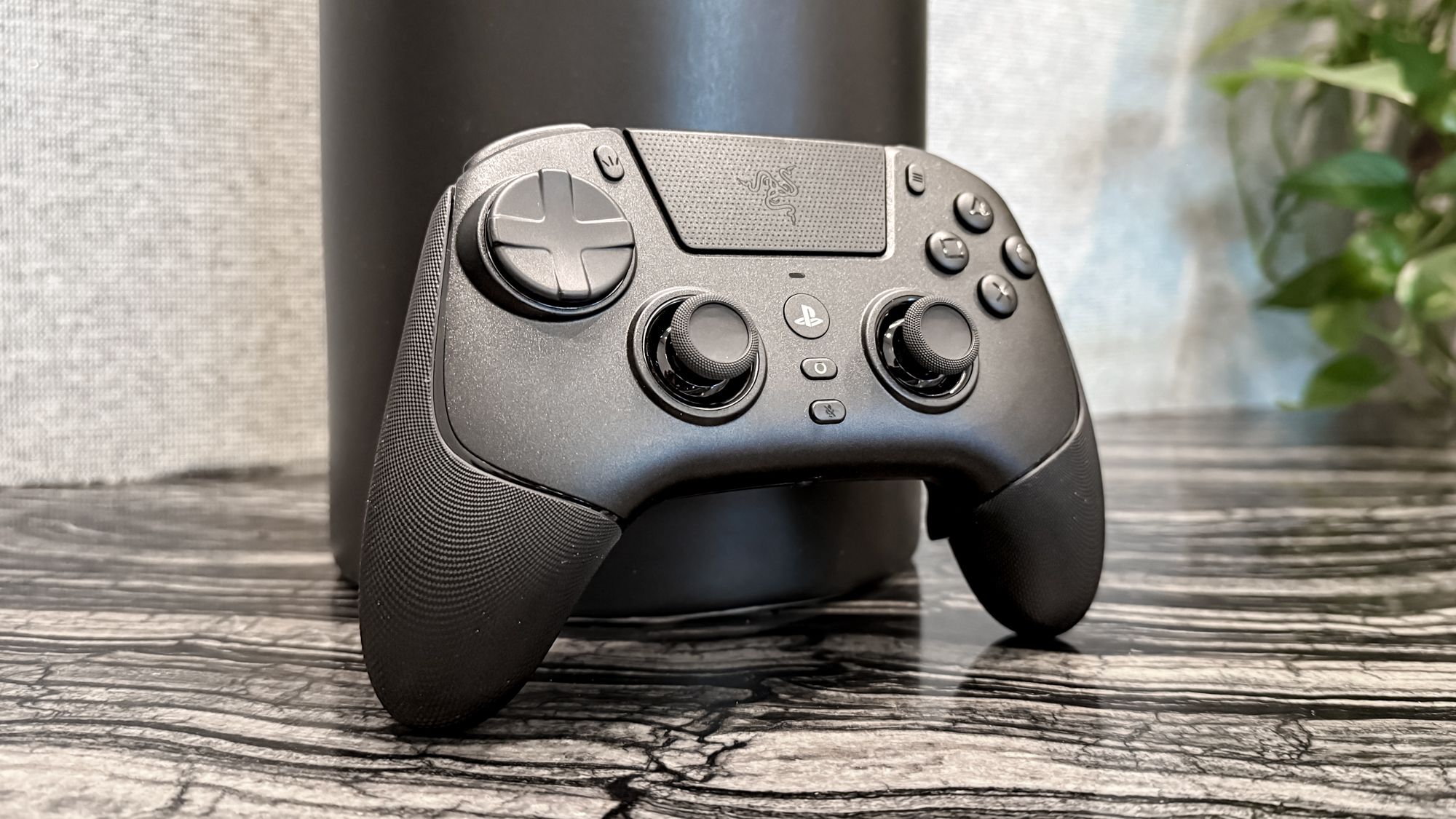
Thankfully, I found a serious rival in the Razer Raiju V3 Pro.
Released late last year, Razer’s controller ditches features such as adaptive triggers and battery-draining haptics to deliver the kind of precision professional and hardcore gamers look for. The TMR thumbsticks are the main reason I think this controller is fantastic, but its solid ergonomics and clicky buttons are great as well.
Though you can’t go wrong with the DualSense Edge, the Razer Raiju V3 Pro is a brilliant alternative for both PS5 and PC. Here’s why I’ve fallen in love with this controller and why hardcore gamers should keep it on their radar.
Raiju V3 Pro: Features
Let’s take a look at what makes the Raiju V3 Pro so awesome. While this might look like a regular Razer controller with some extra buttons on the back, it has some special features that make it stand out.
The main one is the TMR (Tunneling Magneto-Resistance) sensors. What the heck are TMR sensors? I’ll spare you the details, but it’s technology that’s even more precise and durable than Hall Effect sensors. Not only do they effectively eliminate stick drift, but they also draw less power, making for better battery life.
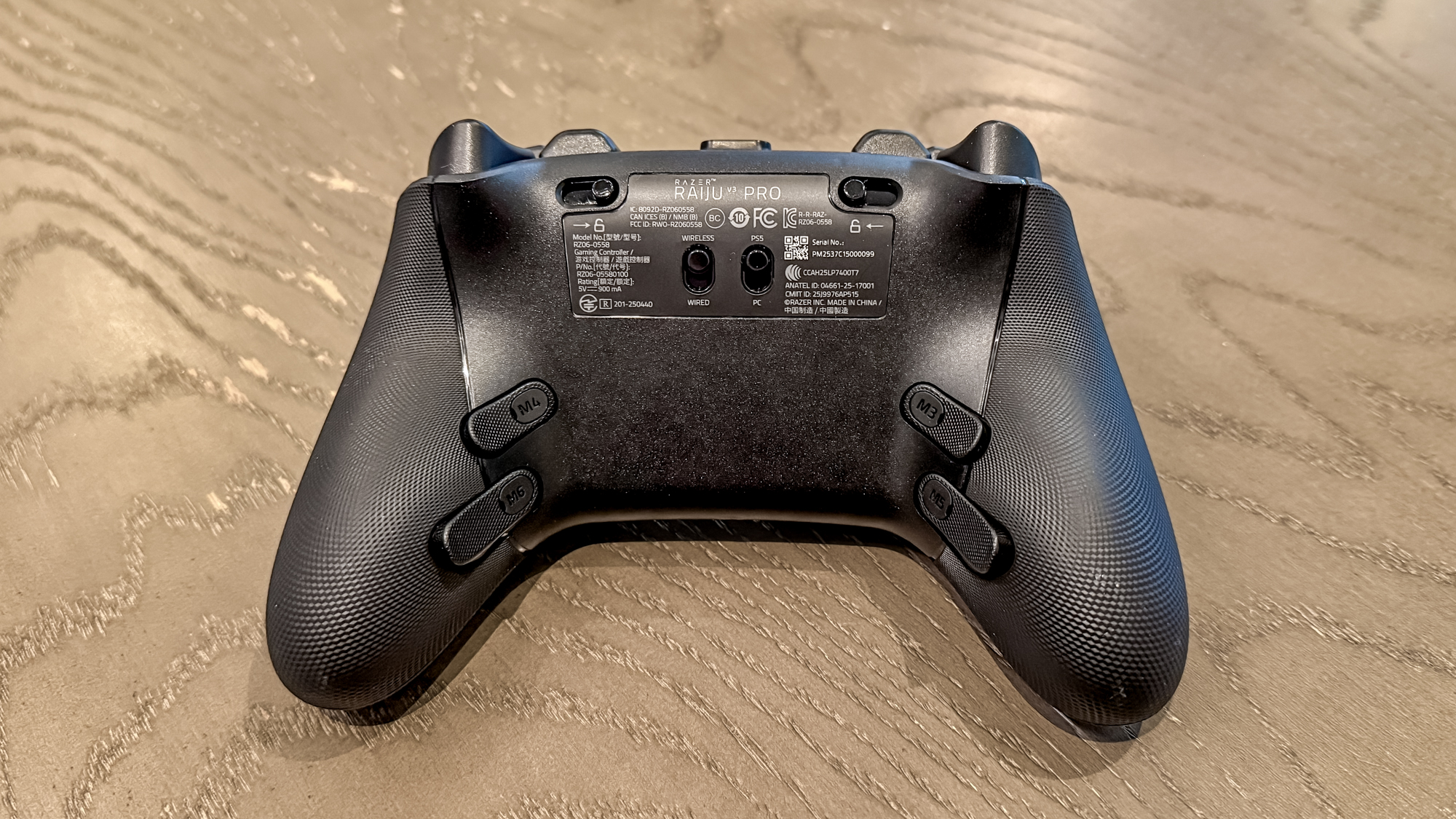

Then there are the extra six buttons: four on the back and another two on top beside the shoulder buttons. The back buttons have a satisfying mouse-like click, and you can even remove them if you find them intrusive. In case you were wondering, yes, all of these buttons are fully remappable.
Speaking of buttons, the face buttons and 8-way floating D-pad are also clicky and responsive. This is impressive considering these are actually membrane switches, which don’t usually produce satisfying clicks.
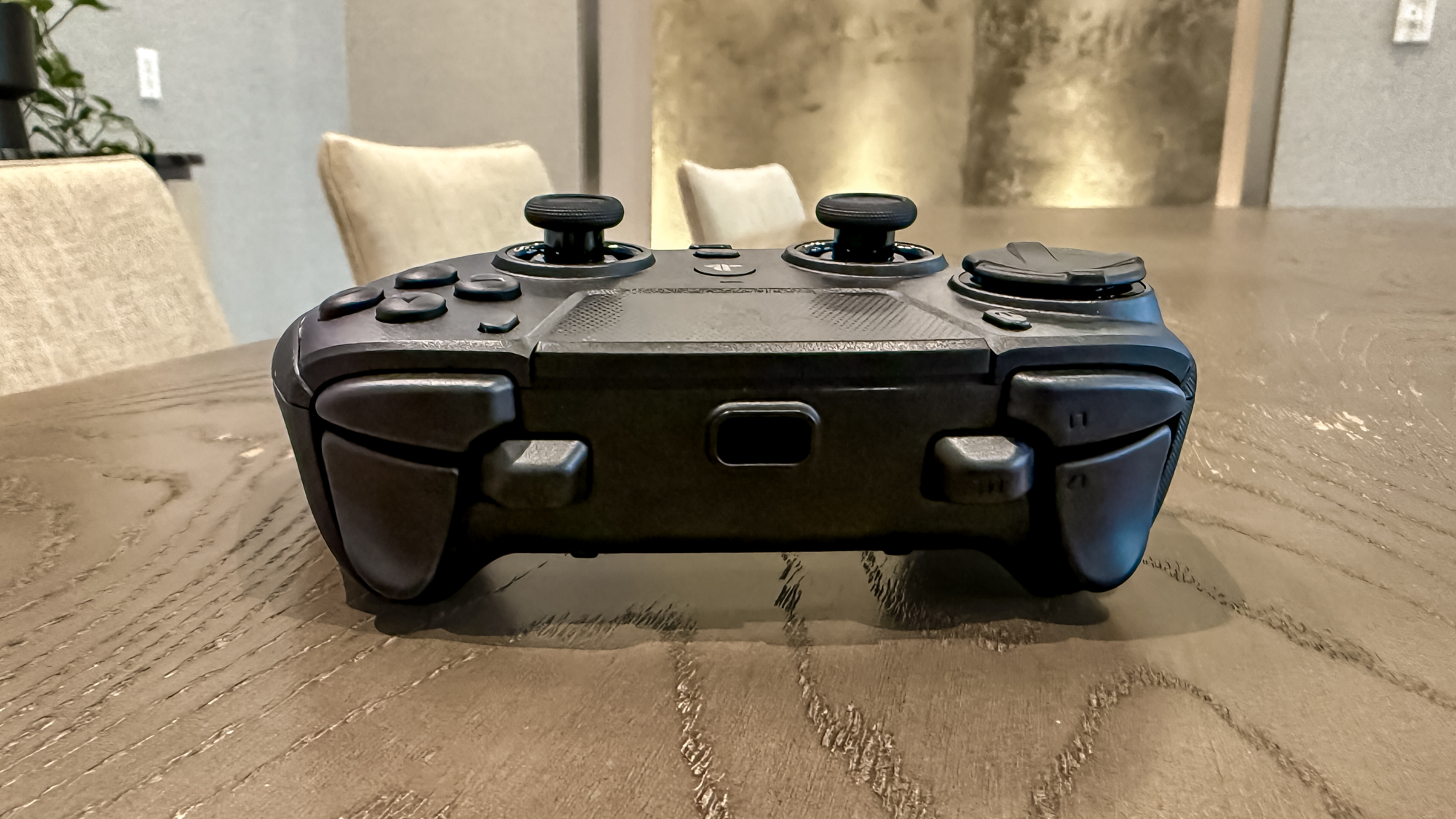
Other features include trigger locks for the L2 and R2 buttons, compatibility with PS5 and PC (via wired or the 2.4GHz dongle), and a claimed 36 hours of battery life. Given how I used this controller for an entire weekend of extensive gaming before I had to charge it, this claim is spot on.
You can read our full Razer Raiju V3 Pro review for more details, but suffice it to say this peripheral has everything you’d want from a pro-grade controller.
Precision over immersion
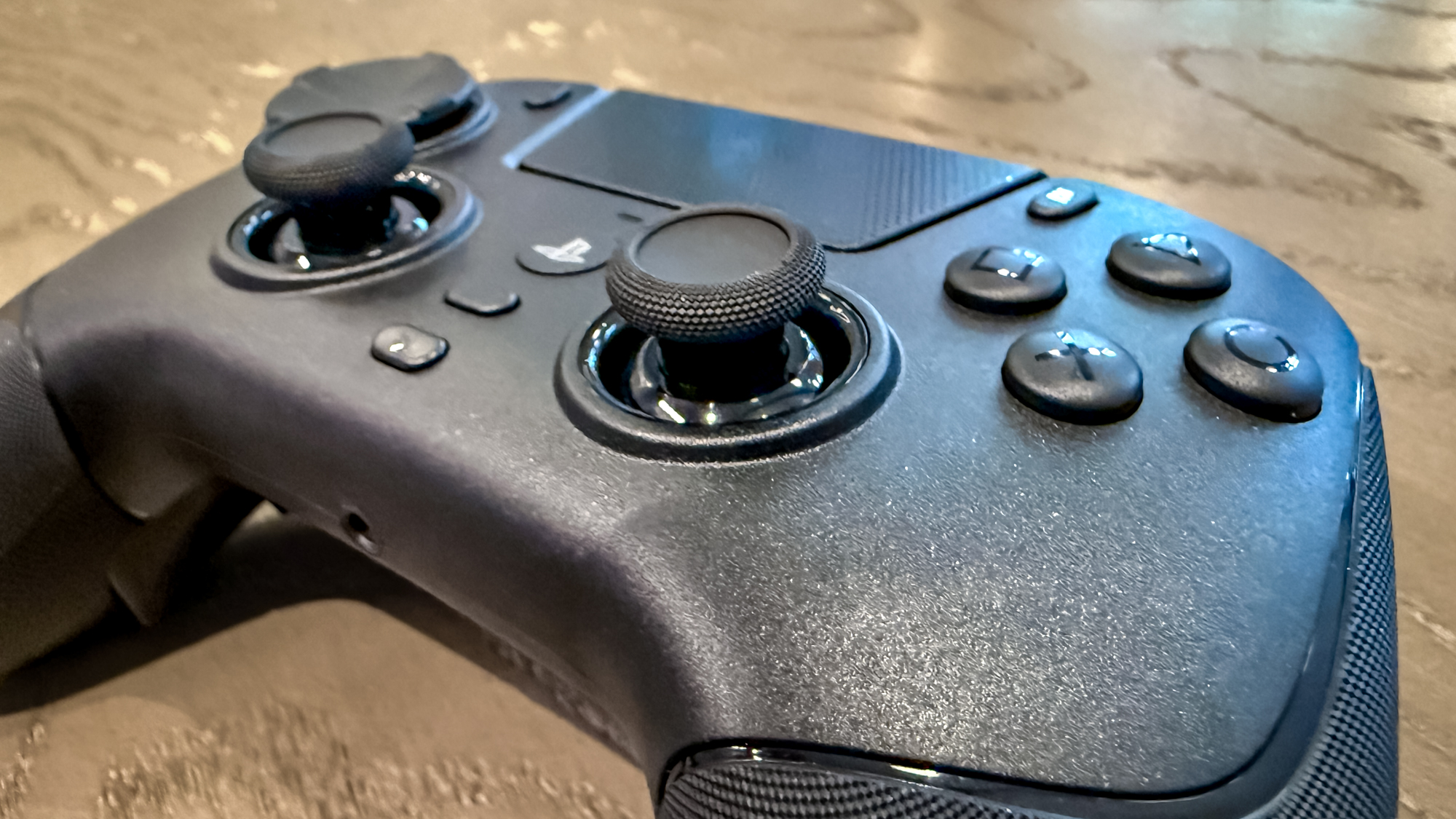
Before moving on, I want to reemphasize that I’m a fan of the DualSense Edge controller. If you’re a die-hard PlayStation fan, you won’t be disappointed with it. However, I can’t dismiss some of the controller’s flaws—flaws that are rather glaring, given that it’s a $200 device. Yes, the Raiju V3 Pro costs more, but it addresses some of the Edge’s issues.
The DualSense Edge is first and foremost a PS5 controller designed for the PlayStation experience. That means you get features like haptic rumble, which let you “feel” every grain of sand in Astro Bot, while the adaptive triggers add resistance when you pull a gun’s trigger in games like Returnal. These features are fun, but they can be a liability.
For example, haptics can be detrimental when you’re playing Call of Duty: Black Ops 7 or Apex Legends competitively. That’s because vibrations can mess up your aiming, and trigger resistance slows your reaction time. This is why competitive gamers turn these features off.
The Raiju V3 Pro does away with vibration, haptic feedback, and rumble. While this can make single-player games feel less immersive, it greatly helps in competitive titles. Also, doing away with vibration motors drops the Raiju’s weight to 250g, which is 100g lighter than the Edge. While I personally like the Edge’s heavy weight, I can see how first-person shooter players might find it off-putting.
TMR sensors to the rescue
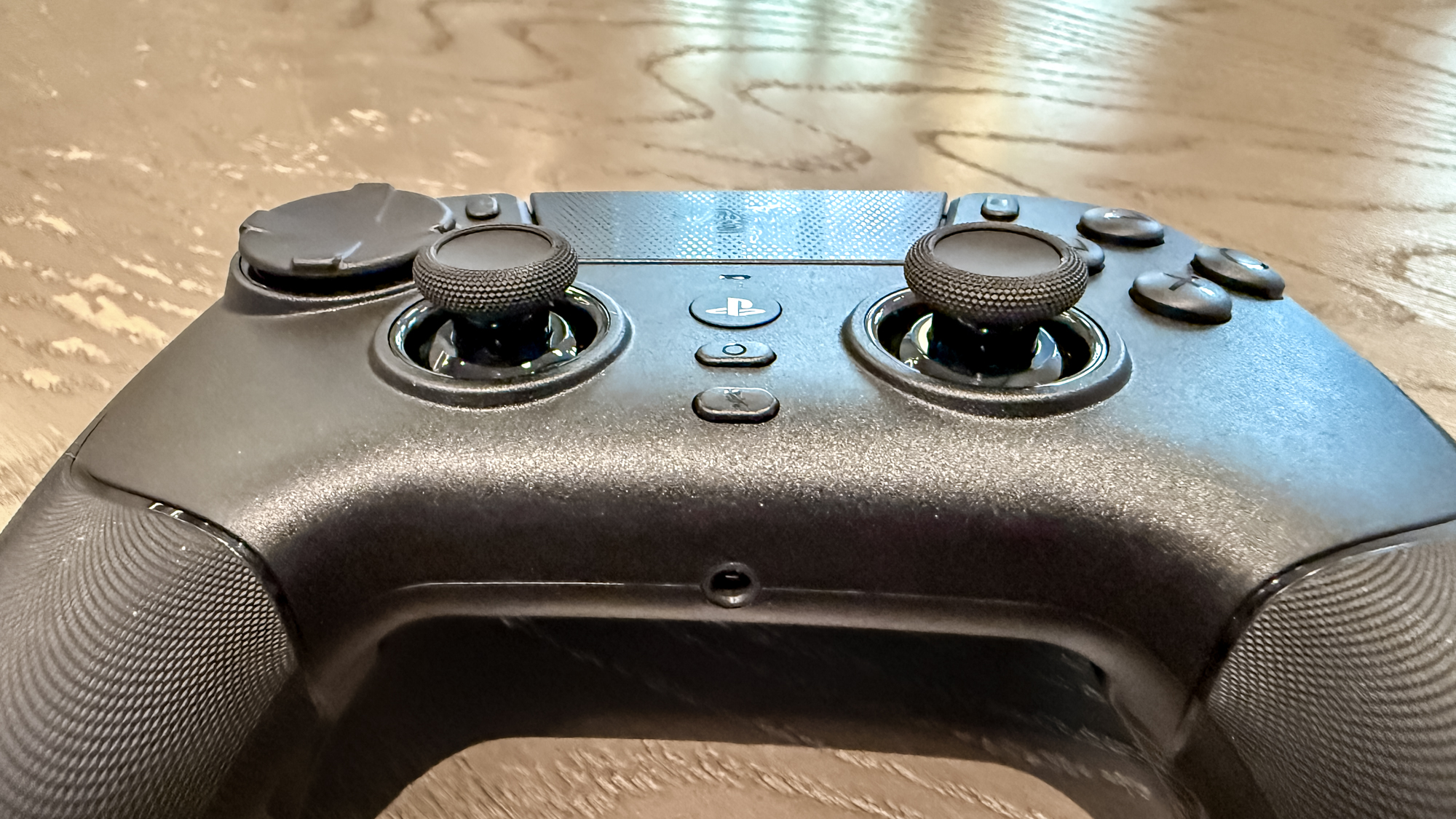
Stick drift has plagued the PS5 DualSense controller for years. That’s why it’s disappointing that Sony’s solution is replaceable thumbstick modules that cost $20 each. It’s even worse when you consider that a good number of pro-grade controllers frequently utilize magnetic Hall Effect sensors that drastically reduce stick drift.
The Raiju V3 Pro utilizes a different kind of magnetic sensor technology called TMR that’s supposed to be even more precise and durable than Hall Effect. I obviously can’t vouch for this, given how long both sensor technologies last, but they must certainly be more durable than standard analog sticks, which have physical parts rubbing together that eventually wear down. I can say these sensors make the thumbsticks glide smoother than traditional analog sticks. You can immediately tell the difference.
We’re seeing more and more TMR controllers, which makes the DualSense Edge feel behind the times since it doesn’t even have Hall Effect. Pardon the pun, but Razer’s controller definitely has the edge here.
The Razer Raiju V3 Pro is the real deal
At $219, the Razer Raiju V3 Pro is pretty expensive for a gaming controller. This is especially true when you can pick up a regular DualSense controller for around $75. Asking nearly triple that for a device lacking features like haptic rumble and adaptive triggers is admittedly a tough sell. However, I think Razer’s controller is worth every penny for gamers who demand precision.
If you’re an average PS5 user who wants to feel every raindrop in Returnal or the tension of a bowstring in Horizon: Forbidden West, the DualSense Edge (or a regular DualSense) provides a more immersive experience. But if you’re a competitive gamer who sees your controller as a tool (or weapon), you should give the Razer Raiju V3 Pro serious consideration.


Follow Tom’s Guide on Google News and add us as a preferred source to get our up-to-date news, analysis, and reviews in your feeds.


