Tushar Mehta / Android Authority
Well, here we are again, a billionaire is making a phone. Forgive me for sounding less than excited. Like, we’ve been here before. We’ve seen totally legitimate not-criminals ranging from Pablo Escobar to the President of the United States announce that they were getting into the smartphone game, only for the former’s CEO to be convicted of fraud and the latter, well, we’re still waiting on our Trump Phone to ship.
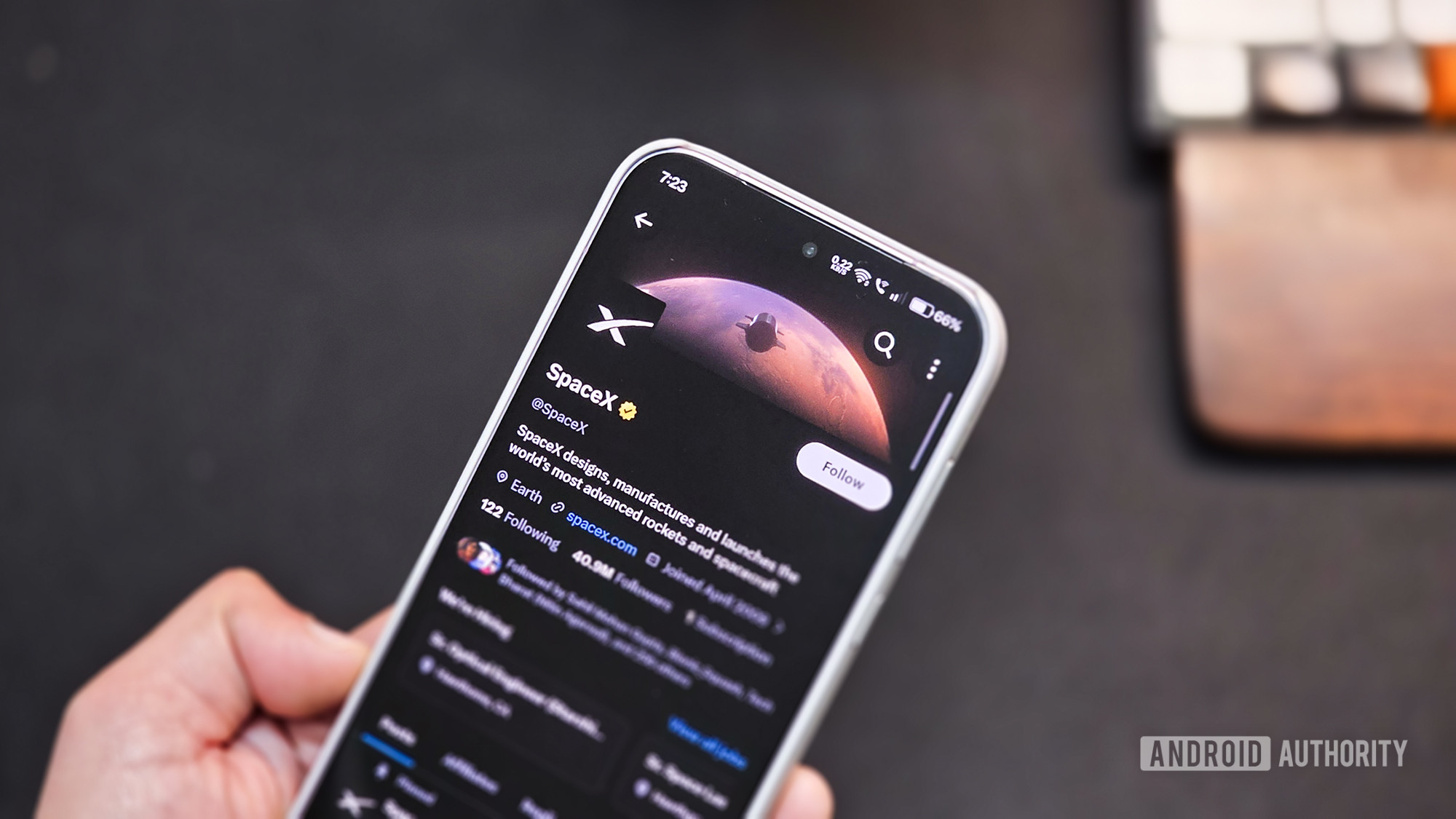
So, you can imagine my excitement with the news that Elon Musk is apparently kicking around the idea of launching a Starlink-powered SpaceX phone. It’s definitely, totally going to happen, and it doesn’t at all seem like something that will backfire and cause other networks to move away from Starlink. Just kidding, here’s why I don’t think anything will come of the SpaceX phone.
Elon Musk makes a lot of promises, but doesn’t keep many

Edgar Cervantes / Android Authority
Now, I don’t want to compare a SpaceX product to the unfulfilled promises of Elon Musk’s other companies. But when the list of swings and misses from Tesla is this long, it’s hard not to. I mean, the Roadster was tapped to relaunch way back in 2020, and MKBHD is still waiting for his — as far as we know. Tesla was also supposed to make an ATV, the Cybertruck was rumored to work as a boat, and Full Self-Driving is still a paywalled, supervised work in progress.
Oh, and that’s not to mention the fact that Tesla is going to begin phasing out the Model X and Model S in the near future. Soon enough, they’ll be relics only seen making the rounds in the Las Vegas Hyperloop.
Musk makes promises at roughly the same rate that Google retires products…
Granted, I can’t actually list a Tesla-branded phone among Elon Musk’s list of broken promises. Sure, it’s long been rumored, and there have been AI-generated renderings of a Tesla Pi Phone on various corners of the internet, but Musk has never claimed to make one himself — until now. This time, though, at least he’s wise enough not to use the Tesla name.
Honestly, I think that Musk aligning his first smartphone with SpaceX is a smart move. After all, I have family members who pay for Starlink at their cabins, and I personally love the idea of a satellite network that enables remote communication. It’s not far off from what Garmin’s InReach platform is designed to do, but Starlink makes it way more reasonable to send memes via satellite rather than reserve it for emergency use.
And, because SpaceX and Starlink don’t scream “Elon” quite as loudly, I won’t be surprised if people are at least willing to give the first iteration of whatever this smartphone turns out to be a try.
Can Musk make a phone without messing up Starlink?

Aamir Siddiqui / Android Authority
The thing is, though, making a smartphone isn’t easy. Plenty of people have talked about it, but the playing field is still dominated by the same familiar faces. Eric Migicovsky spent a long time talking about a tiny smartphone before pivoting back to Pebble (a good thing). The Pablo Escobar foldable phone turned out to be a Samsung Galaxy Z Fold covered in gold, and President Trump’s T1 (also gold) has gone from being proudly made in America to proudly American, whatever that means.
So, if Musk really wants to make a SpaceX-branded smartphone that incorporates his xAI platform and Grok chatbot, he’s going to have to stick the landing. I don’t think he can repurpose an old Moto G Play-looking design as the Freedom Phone did, nor can he offer vague iPhone-like renderings. He actually has to sit down, come up with something interesting, which, to me, means finding a niche beyond just satellite communication, and make the SpaceX phone look good.
Skipping the Tesla name is good, but the finished product has to succeed, too.
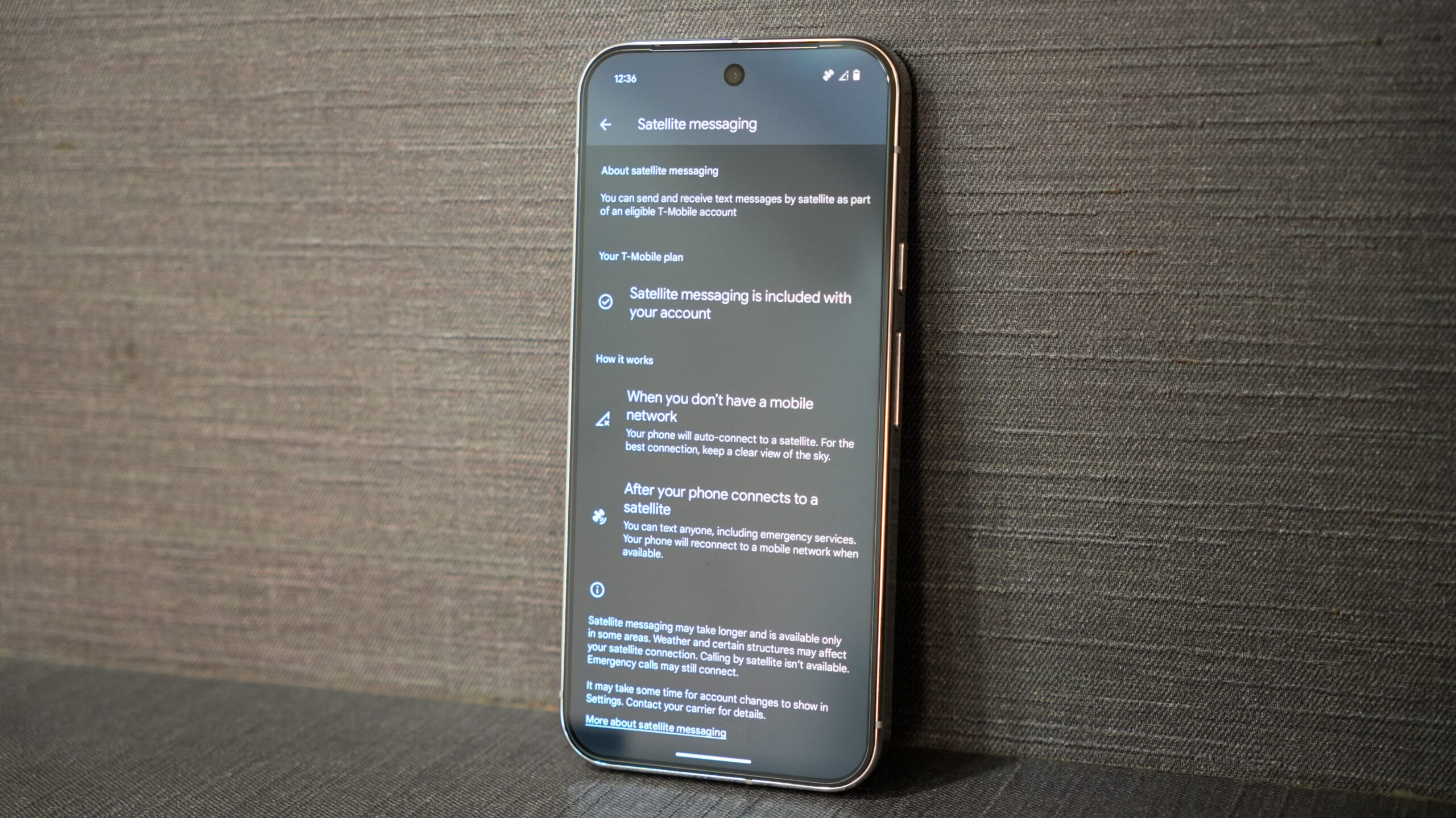
Why? Because if it totally flops, I’d be worried about Starlink’s future with some of the largest carriers in the United States. Right now, the platform has a partnership with T-Mobile that enables users to connect via satellite for emergency texts and brief bursts of real-time information. It’s essentially a safety net for when your regular T-Mobile service can’t connect, but you really need to send just one more message.
If SpaceX suddenly decides it has to prioritize Starlink connectivity for its own phone and its own network, why would T-Mobile stick around? Its subscribers would go from having priority access in emergencies to potentially being bumped down the priority list behind someone trying to trade Dogecoin or scroll X while avoiding AI-generated adult content. Sorry, your emergency just isn’t as important.
A SpaceX phone won’t do anything better than your Pixel anyway

Joe Maring / Android Authority
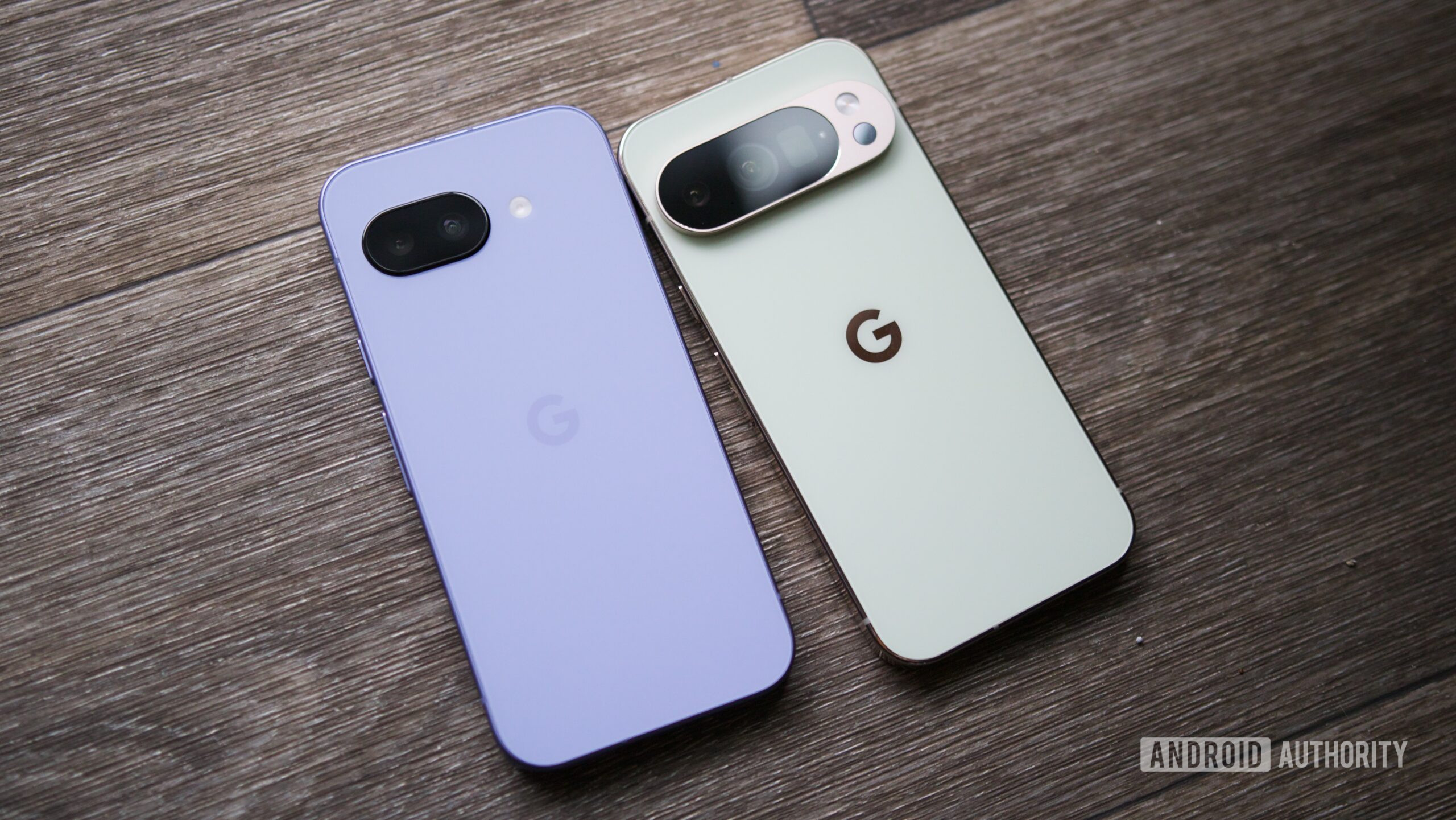
Perhaps the biggest reason I’m so willing to ignore the SpaceX phone is that it has a mountain to climb. It’s really, really hard to break into the smartphone market, especially when it’s already dominated by so few companies. No matter how much you might respect Elon Musk, it’s going to be a hard sell to get you to move away from your well-entrenched Pixel or Galaxy ecosystem, and I’d be shocked if anyone is giving up their iPhone for this.
Quite simply, the phones that already exist have pretty much figured things out. Both Android and iOS are at a pretty good place, even if the latter’s AI-powered features are a bit of a mess, and smartphone cameras are excellent across the board. Given that you can already use Grok on the device that’s in your pocket, why start over for a slightly different experience?
I’m not sure a phone built on satellite communication has enough to offer.
And no, don’t tell me that it’s for satellite connectivity. Your Pixel already does that, and so does the iPhone — try something else. Besides, having used my phone to send exactly one satellite-powered text message while trying to find my friends after the Marine Corps Marathon, I don’t think that’s the future. It was far too difficult to aim my phone at just the right spot, and I couldn’t get a response on the crowded streets of Arlington, Virginia. I doubt Starlink will need the same level of specificity, but I don’t see it stepping in to replace the reliability of existing networks, either.
So, unless you’re willing to give up Tensor-powered image processing, Galaxy-tuned chipsets, and cinema-level video stabilization, I don’t see why you’d buy the SpaceX phone if it ever exists. Maybe Elon Musk comes in and sticks the landing, but I’ve seen enough billionaire-backed smartphones come up short to know that I won’t be hopping in the pre-order line.
Thank you for being part of our community. Read our Comment Policy before posting.