Paul Jones / Android Authority
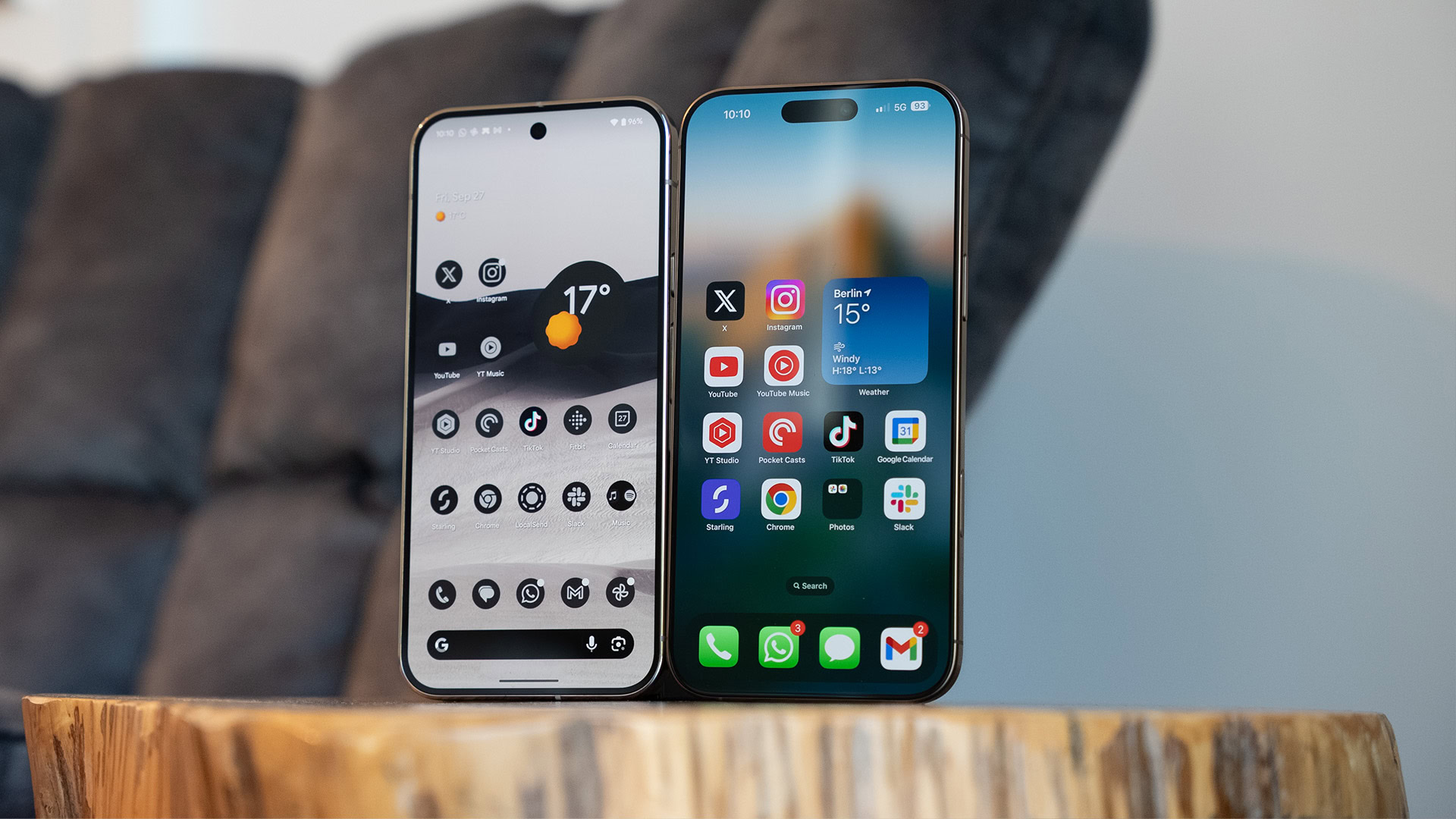
I’ve gone hands-on with a variety of flagship Android phones in recent years, including devices from Google, Samsung, Xiaomi, and vivo. However, I’ve noticed a growing trend in the last couple of years that’s only picked up more steam in the last six months.
What do you think of Android phones that look and feel like iPhones?
13 votes
Apple popularized this design, and rivals followed

Dhruv Bhutani / Android Authority
Apple first offered flat edges and curved corners back in 2010 on the iPhone 4, while 2014’s Samsung Galaxy Alpha was one of the more notable Android phones with a similar aesthetic. However, I don’t think it’s a coincidence that the iPhone 12 revived this design and then many Android OEMs followed suit.
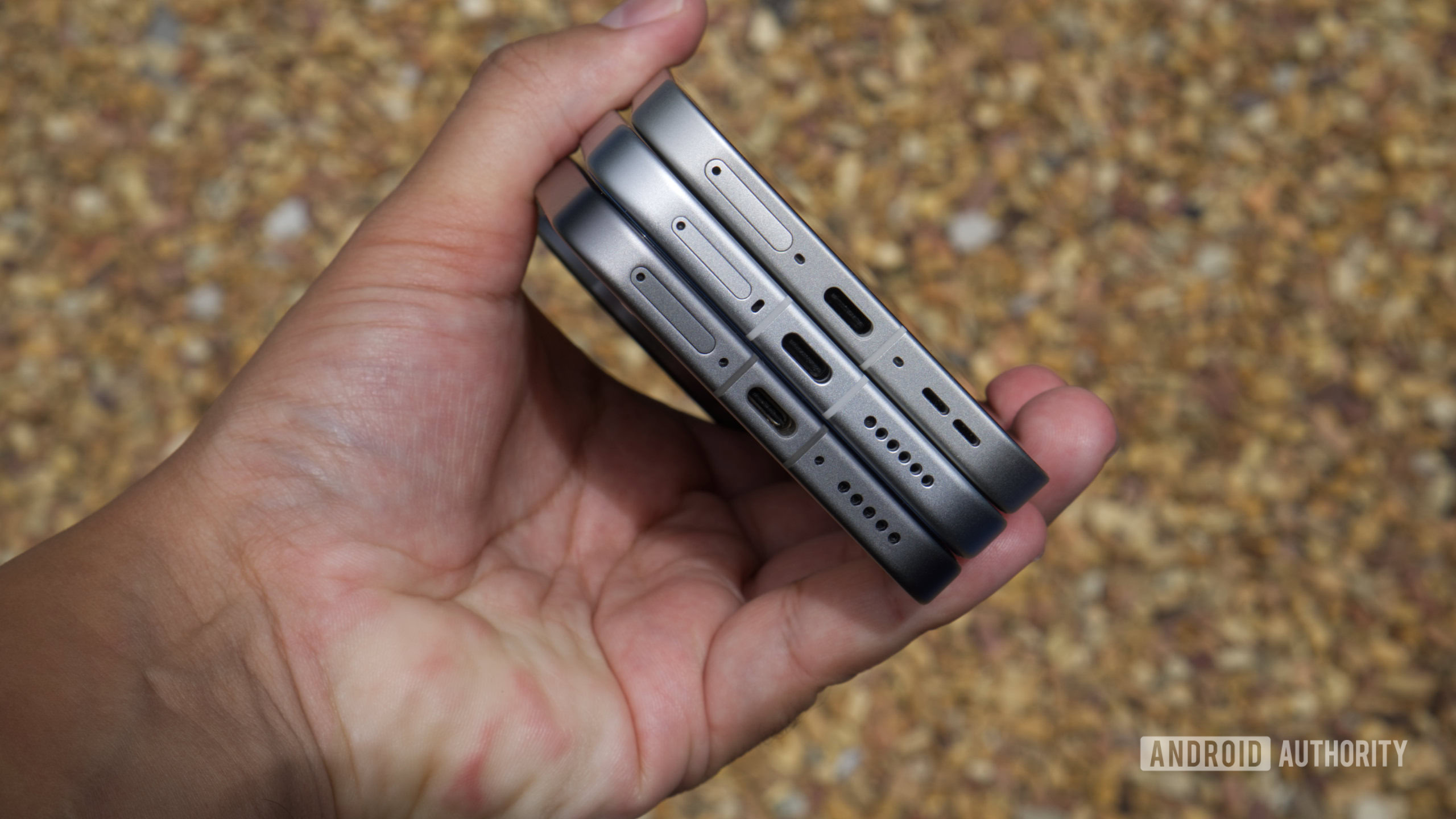
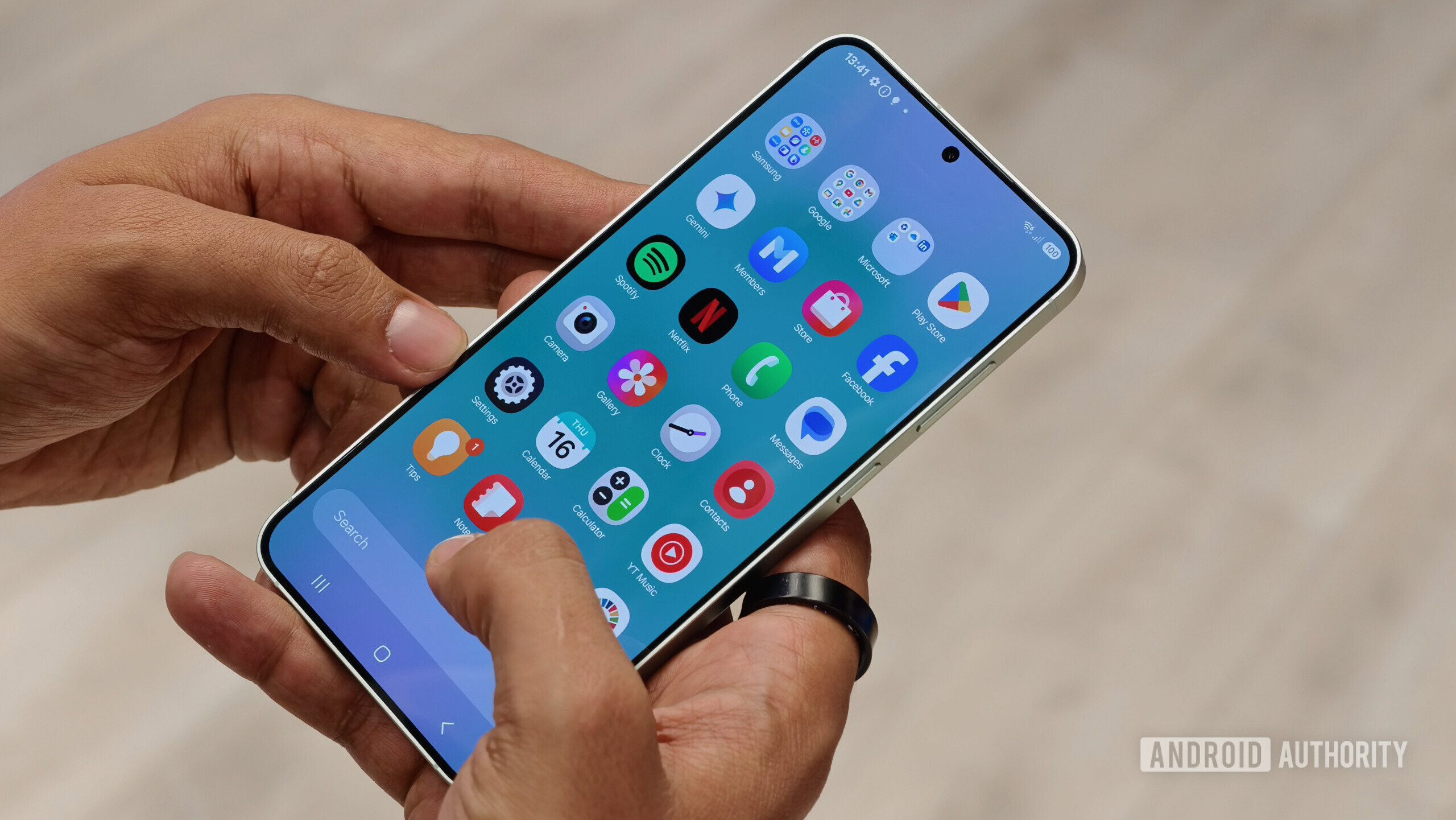
Some of the most prominent Android phones that resemble iPhones in terms of design and feel include the Galaxy S24 and S24 Plus, the Galaxy S25 and S25 Plus, the Google Pixel 9 series and newer, and the OnePlus 15. In fact, the last three review units I received all take a virtually identical approach. Can you guess which one is the realme GT8 Pro, the POCO F8 Ultra, and the vivo X300 Pro in the photo below?

Hadlee Simons / Android Authority
Of course, most Android phones with flat edges and rounded corners do have unique rear covers and camera bumps. So you can definitely tell phones apart when looking at them from the back. But it feels like this is the only area of differentiation in a sea of blandness.
In addition to this design choice being unimaginative, I find that phones with flat frames generally feel less ergonomic than devices with curved or tapered edges. By contrast, my Pixel 7 Pro and Samsung Galaxy S8 both feel more comfortable to hold than these recent models. Flat edges also make phones look and feel thicker than they actually are, lending a brick-like feel to them.
Don’t want to miss the best from Android Authority?


One possible reason why Android OEMs are copying Apple’s flat frame design is that this might be the most obvious way to improve repairability. After all, the EU announced new rules for device repairability that go into effect on July 31. It therefore stands to reason that manufacturers might look at recent iPhones, which are more repairable than previous models, and adopt these design elements as a proven approach.
The Pixel 9 and 10 phones have flat frames and curved corners, and they do indeed offer more repairable designs than their predecessors. These phones can be opened up from the front or back. By contrast, older Pixels can only be opened from the front, which isn’t ideal for battery replacements. In saying so, the latest Pixels still received similar repairability scores as older devices, with iFixit bemoaning the excess use of glue. However, it’s clear that Google is making strides in regard to repairability.
How can Android phones stand out? Let me count the ways
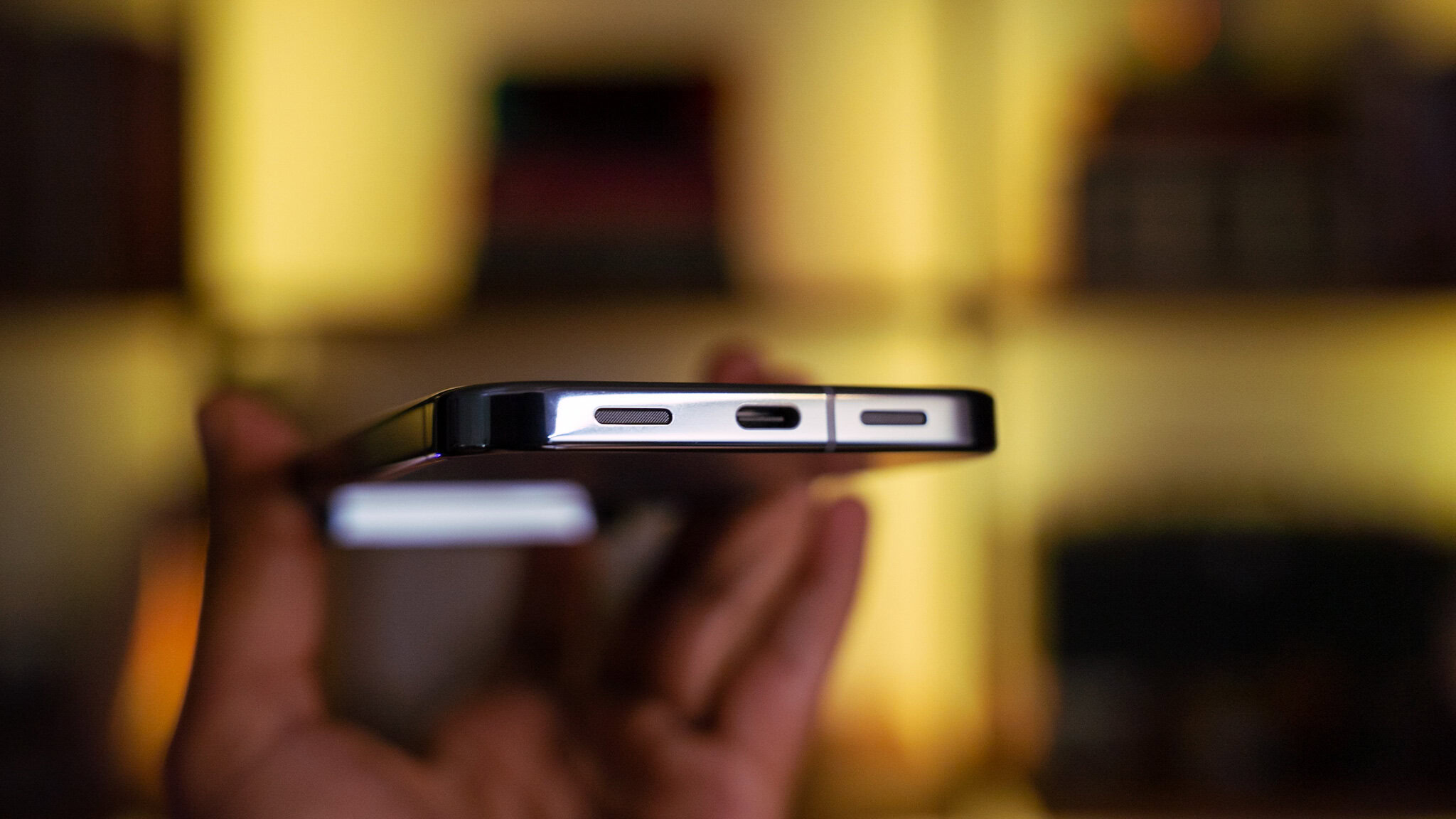
There are plenty of other ways Android manufacturers can deliver pleasant, repairable designs that don’t involve copying iPhones. In fact, one of the most repairable phones on the market is 2024’s HMD Skyline (see the first image above). The phone, which earned a nine out of 10 rating from iFixit, skipped this flat frame trend entirely in favor of rounded sides and a flat top and bottom.
A more recent example of a smartphone that doesn’t look and feel like an iPhone is the new Jolla Phone (see the second image above). This device has rounded sides, but still offers a removable rear cover, a removable battery, a microSD card slot, and more. Even Sony tried to make the Xperia 1 VII stand out with a ridged frame, serving as more evidence that Android OEMs don’t have to be lazy.
HMD, Jolla, and Sony show that it’s possible to offer smartphones that don’t feel like iPhones.
Companies like HMD and Jolla are smaller than Google and Samsung, and have fewer resources; therefore, larger companies have no excuse for offering derivative, iPhone-style designs. And in HMD’s case, the company demonstrates that you can have a unique design and excellent repairability.
There’s clearly no shortage of alternatives to flat edges and curved corners then, including rounded frames, curved edges, a design carved out of a single block of material (e.g., plastic or metal), and more.
It’s high time OEMs stop copying Apple

Hadlee Simons / Android Authority
Look, it’s only natural that there’ll be some homogenization among phones at this point in such a mature industry. It’s also understandable that flat edges and rounded corners might be the easiest way to make reliable, repairable smartphones.
However, these considerations don’t change the fact that I find these designs incredibly boring. Not to mention that I can’t tell them apart from each other unless I’m looking at them from the back. That’s not a problem in the grand scheme of things, but it demonstrates that many OEMs don’t go the extra mile when it comes to design.
I really hope more brands resist the temptation to copy Apple and instead channel the spirit of beautiful phones like the HTC One, original Moto X, and Google Pixel 5. Because there’s more to a great-looking smartphone than the camera bump.
Thank you for being part of our community. Read our Comment Policy before posting.