




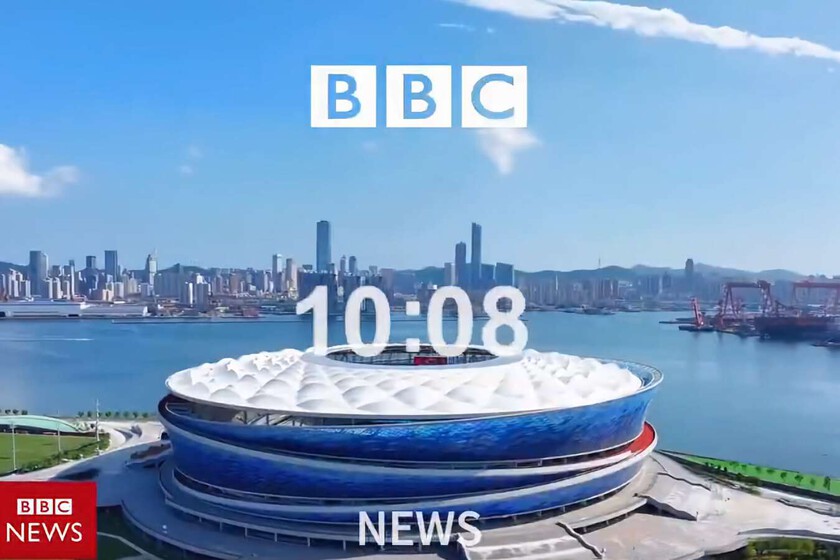
Trends on social networks are, in many cases, inexplicable. Overnight something goes viral and it’s easy for us to not even know where it came from. In the summer of 2025, what we from the West could see as a simple meme, even nonsense, began on Chinese networks: many videos showing panoramic views of Chinese cities to the rhythm of the legendary BBC intro.
This meme spread and is useful for observing some of the most impressive cities in the world from a drone view. There are even users commenting on how some cities, like Chongqing, had undergone a radical transformation in just 20 years. The videos, without a doubt, are impressive and there is one example after another… and after another.
But behind the meme there is something much more interesting: an outbreak of international conflict because of… the BBC.
Twitter-tweet”>
BBC News countdown intro style meme continues in China. Below in order is for Guiyang, Nanjing, Jinhua and Jieyang. https://t.co/EKZopt48Pc pic.twitter.com/LhjHVATMKW
— JR Urbane Network (@JRUrbaneNetwork) September 1, 2025
The BBC video that angered 1 billion people
In February 2021, the world was still reeling from the aftermath of COVID-19. Wuhan, the Chinese city identified as the focus of the global pandemic, was a monitoring point for world news due to the government’s policies to combat the virus. And the BBC published its controversial ‘How everyday life has changed in Wuhan’.
It’s this video:

Up to this point, we might think that it is just another report, but they published it in duplicate. The one above is the international version, in English.
The one I leave you below is the version for China:

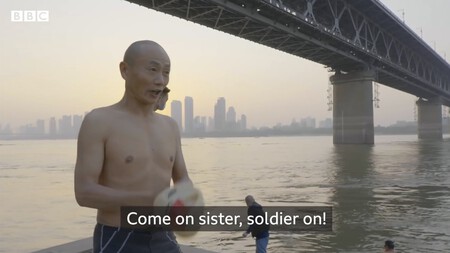
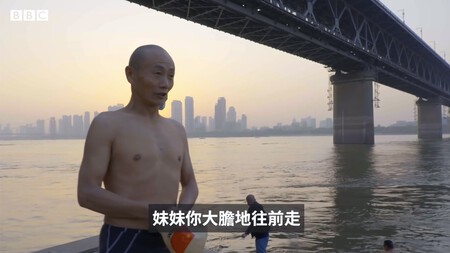
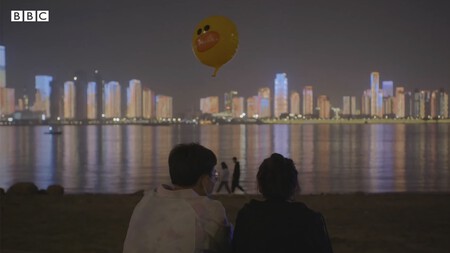
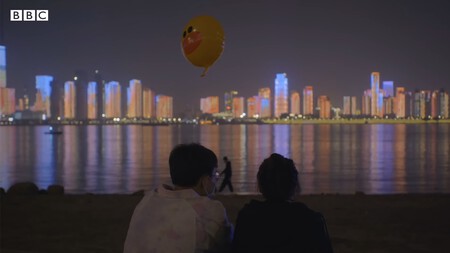
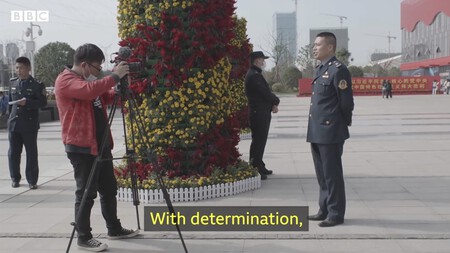
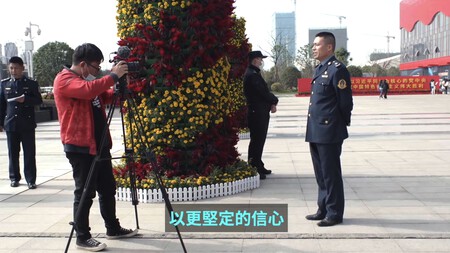
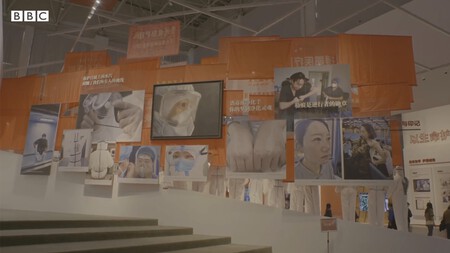
Have you noticed any difference? Let’s go with some screenshots:

International version

Chinese version
International version
Chinese version
International version
Chinese version
International version
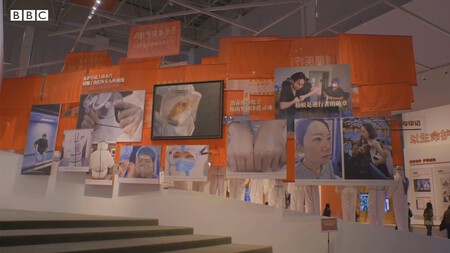
Chinese version
We already saw it in WorldOfSoftware back in the day: the international version has a gray filter, while the Chinese version shows more vivid colors. That, without us realizing it, creates a narrative. And those who did notice were some Chinese Internet users and the state media Global Times.
Chinese social networks named the filter used in the international version as “underworld filter” or “gloom filter”but the one who gave it the most importance was the aforementioned state tabloid. He accused the BBC of adding greyish filters to its reporting on China to make the country appear dystopian and polluted.


It didn’t stop there: the matter spread like wildfire on the networks and the tension escalated to the point that the international broadcast of BBC World News was banned in China that same month. In fact, international spokespersons have on occasion used the hashtag #GloomFilter to criticize Western coverage of China.
The BBC defended its editorial independence, rejecting accusations of bias, but since then, both the BBC and Chinese media have engaged in cross attacks.
A lot has rained since 2021 and, as I pointed out at the beginning of the article, it is now the stuff of meme. The BBC intro accompanies luminous images of Chinese cities without the “underworld filter.” And it is an example of how something that, at first glance, may be a story without much history, hides much more.
And, well, the story of Global Times throwing darts at the BBC did not stop in 2021, but has endured until recently, mentioning that “BBC has become one of the most destructive negative examples in the global media landscape.”

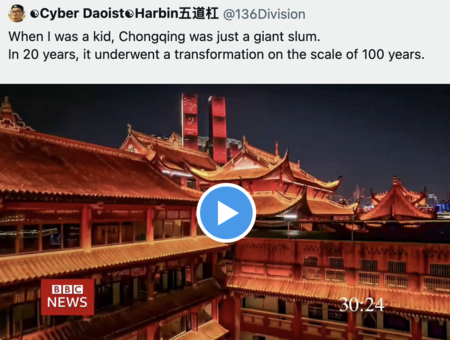

But beyond all this, the truth is that the videos are impressive, showing dystopian cities in some cases.
Images | BBC
In WorldOfSoftware | China loves Europe so much that it has built its own: these are the replica cities that populate the country


