Ryan Haines / Android Authority
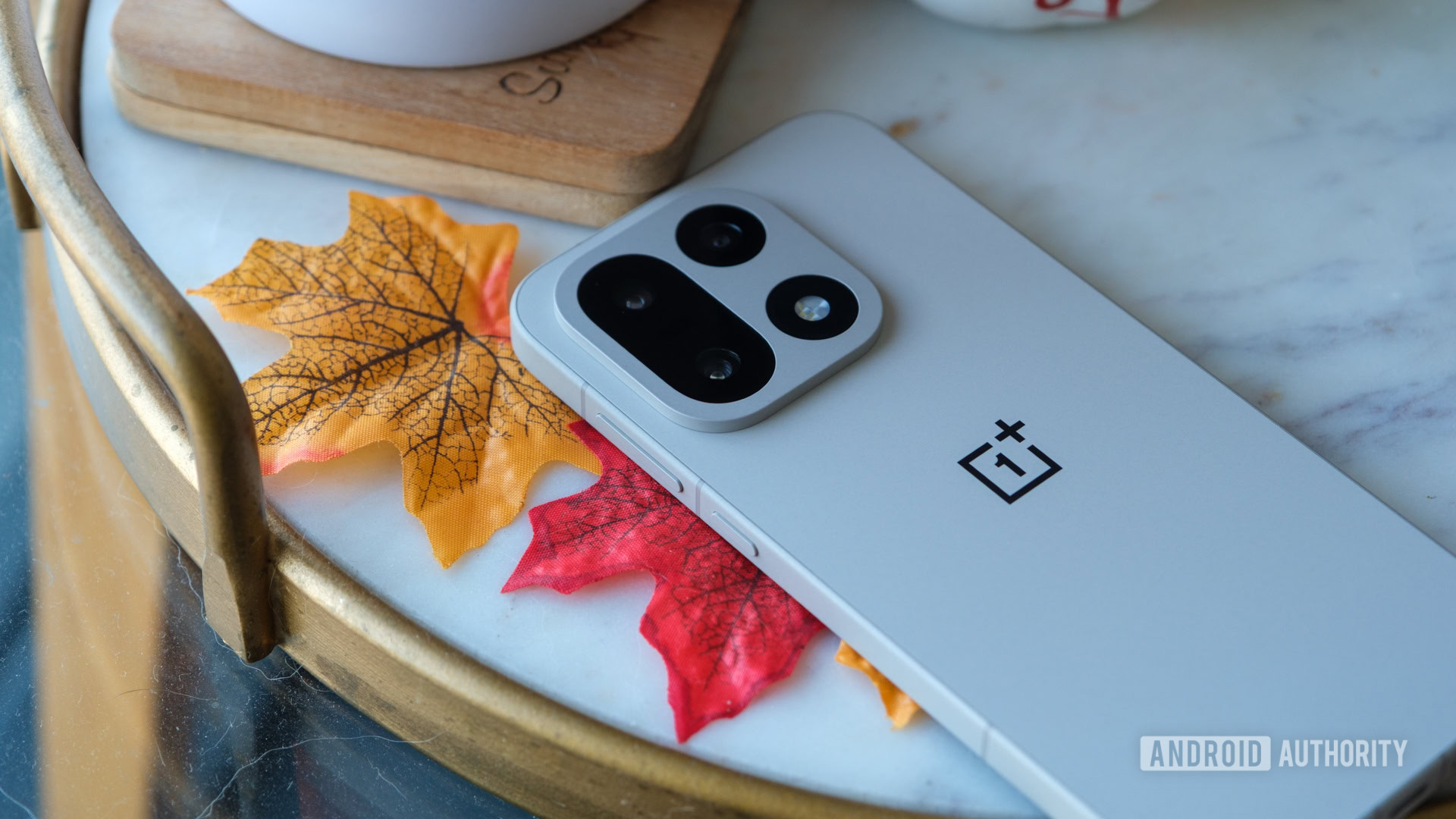
For the better part of a decade, a OnePlus phone has found its place in my pocket. When someone asked me for a recommendation — be it someone looking to upgrade to a no-nonsense, feature-packed smartphone, or a tinkerer looking for a platform to play around with — my answer was always a OnePlus smartphone. Between the great hardware, clean software out of the box, and a price tag that skirted well below other flagships, it was the safe recommendation. However, more than that, a OnePlus smartphone has traditionally been a smartphone that was, more or less, fully under your control.
If the phone was out of the software update guarantee period, you could install a custom ROM to breathe new life into it. If you didn’t like a software update, you could revert to the previous version. Or, if you just wanted to tinker around with hardware you owned, you could. Unfortunately, that’s no longer the case.
OnePlus didn’t just end the enthusiast era. It’s actively locking enthusiasts out.
Between the news of hardware-backed anti-rollback protection in the upcoming Android 16 builds and the increasingly hostile stance on bootloader unlocking, OnePlus has effectively closed the door on the very crowd that built its reputation. It’s not just that the enthusiast era is over; it’s that the company is now actively locking enthusiasts out.
How important is bootloader unlocking to you?
260 votes
The anti-rollback measure turns updates into a one-way street
To understand why this feels like such a betrayal for enthusiasts, we have to first look at what’s changed. For the average user, a system update is a pretty straightforward affair. You tap a button, the phone reboots, and you get a series of security and feature upgrades. But for enthusiasts, the update has traditionally been a two-way street. There was always an option to roll back.
Enthusiasts like options, including the option to revert to a prior version of software if that’s what they prefer. It has other benefits too. If a new update introduces a show-stopping, battery-draining bug, a new graphics driver that doesn’t play well with specific software, or even removes a feature you liked, the ability to downgrade was your safety net. With the introduction of hardware-backed anti-rollback protection in the Android 16 codebase — specifically within the ColorOS foundation that now powers OxygenOS — OnePlus is removing that undo button.
Here’s how it works. Inside the phone’s processor is a set of microscopic, one-time-programmable fuses known as e-fuses. When you update the phone’s firmware to a new security version, the system sends a voltage spike to a specific fuse, physically blowing it. This is a permanent, irreversible hardware change.
OnePlus is removing the undo button, and it’s doing it in hardware.
Every time you boot the phone, the secure bootloader checks the state of these fuses. If the fuse indicates that the phone should be on Android 16, but you have tried to flash Android 15, the bootloader detects the mismatch. In an enthusiast-friendly implementation, this would simply result in an error message saying that the installation failed. However, in strict ARB implementations, and what the community fears is becoming the standard for OnePlus, this mismatch triggers a security lockdown. The phone assumes it is under attack and refuses to boot the operating system. In some cases, it enters a hard-brick state, effectively turning a $900 flagship device into a glass-and-metal paperweight that cannot be recovered without a motherboard replacement or intervention from an authorized service center.
This turns every update into a gamble, and there’s really no recourse for users outside of taking the phone to a customer support center.
Bricking is now a permanent problem

Mishaal Rahman / Android Authority
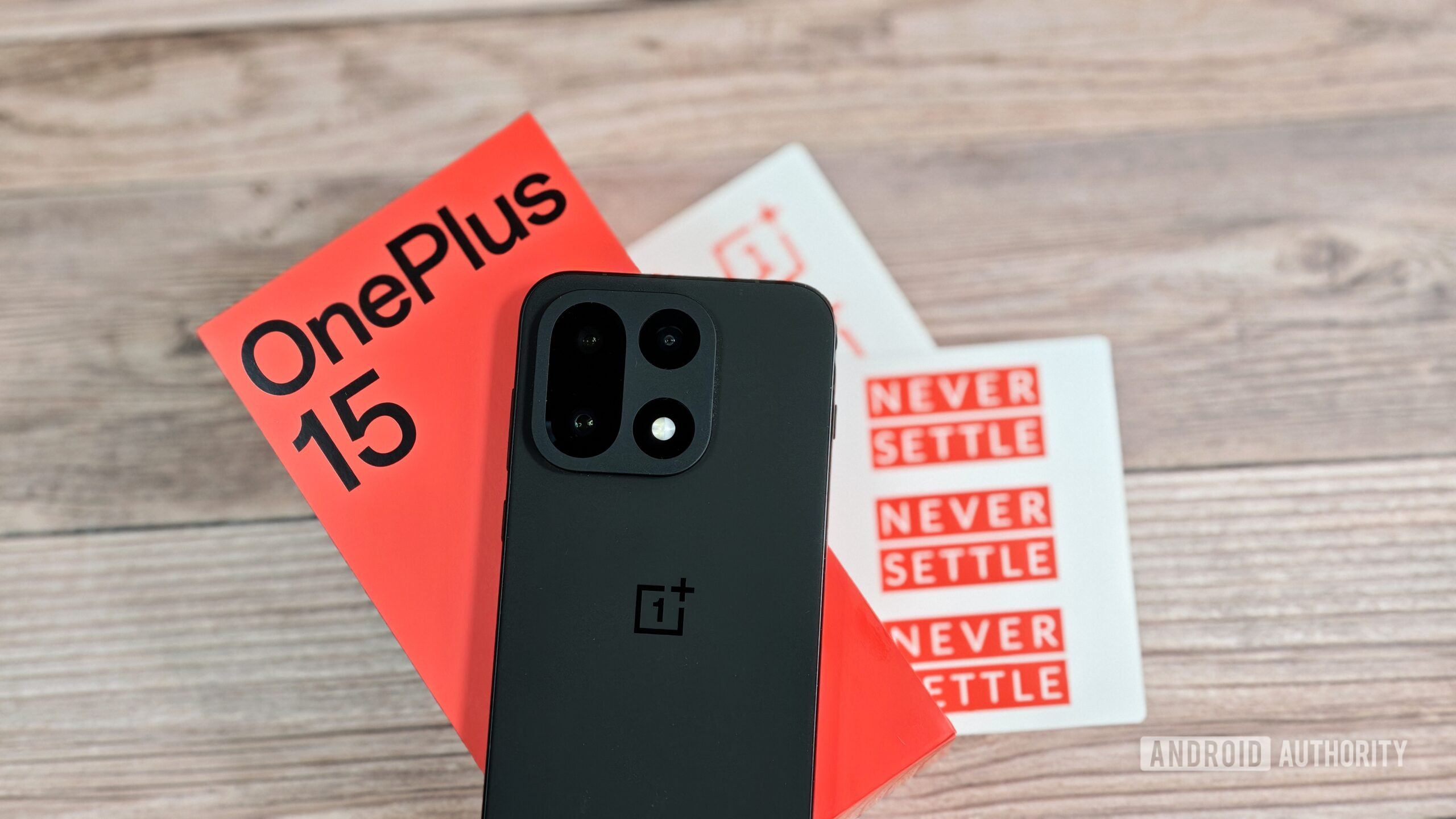
The new anti-rollback isn’t the only sign of hostility towards OnePlus’ biggest cheerleaders.
Take, for example, popular flashing tools used by the community to completely wipe and restore a OnePlus phone to its factory state, even if you had completely messed up the software partitions. It was the reason OnePlus phones were considered unbrickable. You could experiment with custom ROMs all day long, knowing that if you pushed it too far, the MSM tool would save you.
That era is effectively dead. With the shift to the unified ColorOS codebase, access to these unbrick tools has been locked down. They now require authorized logins, often tied to service center credentials.
If you brick your phone today, you can’t just download a tool from a developer forum and fix it over an afternoon. You have to initiate a support ticket, potentially mail your device away, and likely pay a fee if they determine you voided the warranty. Assuming the brand even agrees to repair your phone for tinkering. When you combine the removal of these rescue tools with the introduction of hardware-level bricking mechanisms like ARB, the message is clear.
Security isn’t the problem; too much control is

Ryan Haines / Android Authority
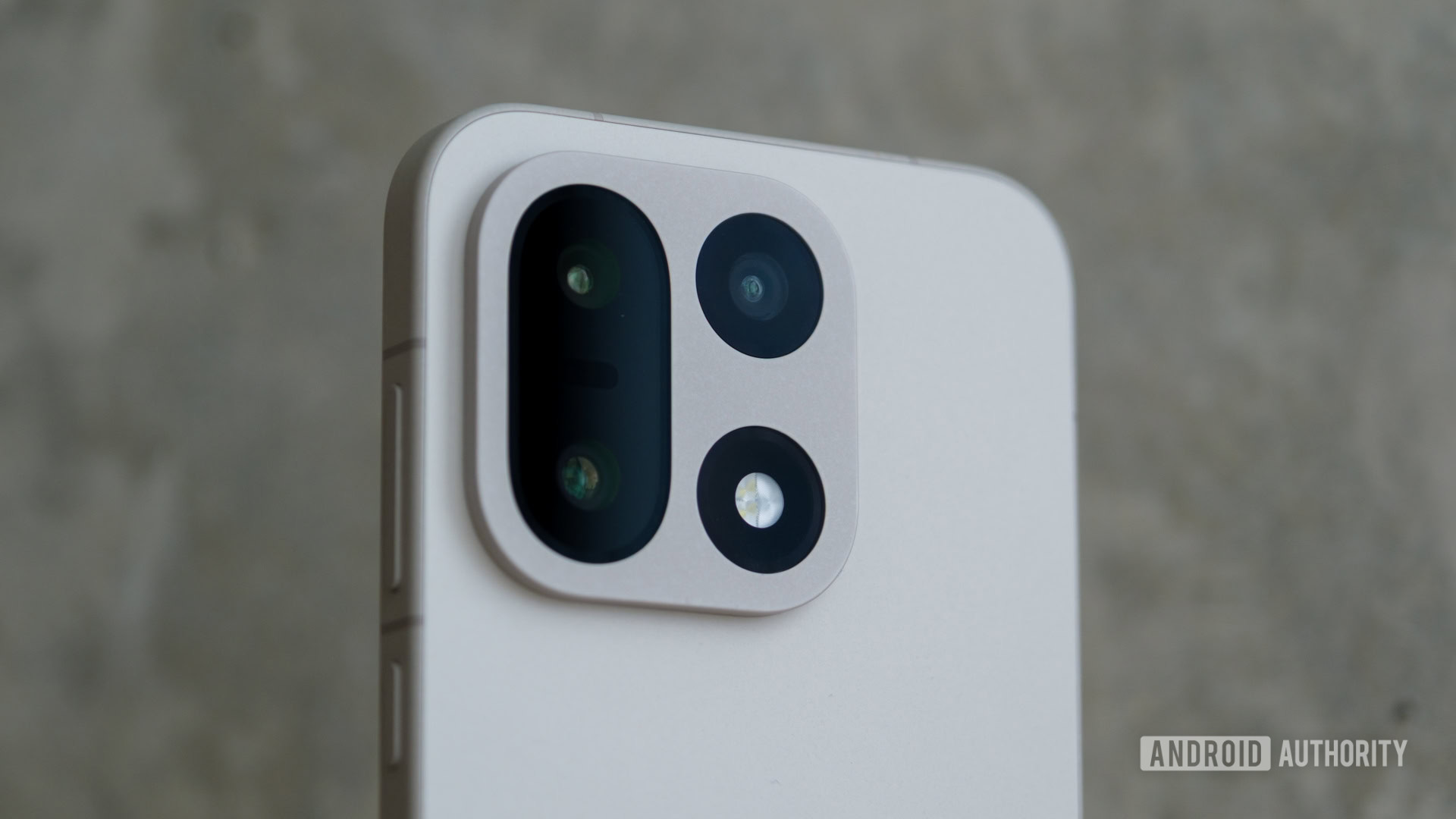
Improved security is often the standard response to this critique, and OnePlus isn’t technically wrong. In a high-threat enterprise environment, anti-rollback is a valid protection measure. It prevents a thief from stealing a phone and rolling it back to an older, vulnerable version of Android to bypass the lock screen or extract data. It ensures that once a security hole is patched, it stays patched.
But there are better ways to handle the situation. Ways to implement improved security while also offering a solution for the enthusiasts who have championed your phones for years.]
Ironically, Google has set a benchmark for such an approach. The Pixel series uses an anti-rollback bootloader to enhance security for enterprise customers. However, it also offers an official public, web-based tool to flash your smartphone. In fact, it even provides clear documentation on how to navigate these versions and the tools to fix soft bricks. They acknowledge that the device’s owner might be a developer or an enthusiast.
Google proves you can offer anti rollback without punishing developers.
OnePlus is choosing the path of security through obscurity and restriction. By locking down the bootloader and implementing strict ARB without providing user-facing recovery tools, the company is prioritizing control over ownership, all while alienating a small but vocal core audience.
And let’s be honest about the other reason for these locks. This is likely less about stopping hackers and more about stopping the grey market. OnePlus and its parent company, OPPO, have struggled for years with resellers buying cheaper Chinese variants of their phones, flashing the global firmware onto them, and selling them in Western markets. By locking the bootloader and preventing cross-region flashing or downgrading, they effectively kill this practice. It’s a supply chain solution masquerading as a security feature, and the enthusiast user is collateral damage.
If everything is locked down, why choose OnePlus?
Ryan Haines / Android Authority
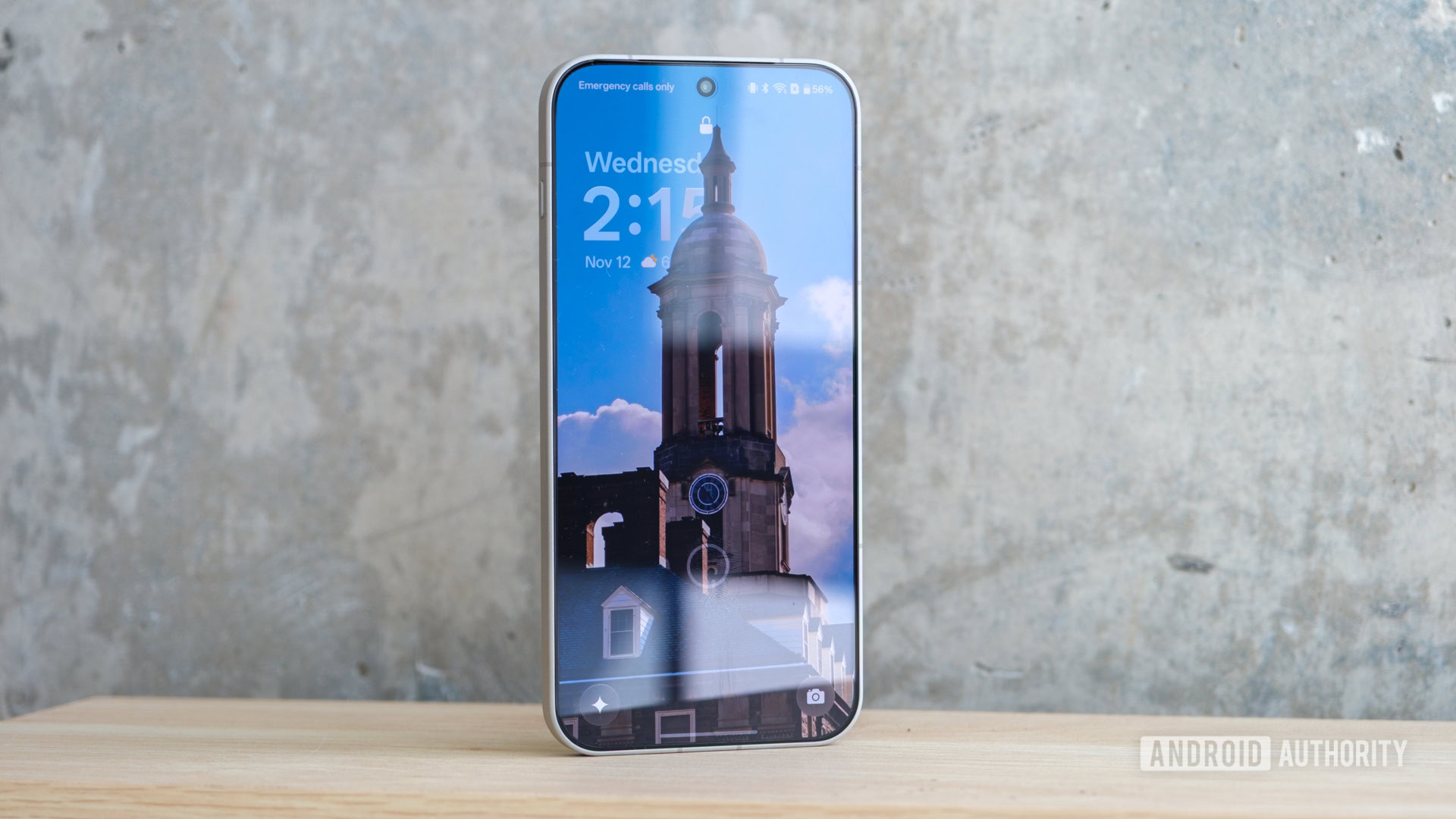
As a long-time OnePlus fan, the tragedy of the situation feels ironic given the brand’s history. I still have my OnePlus One and fondly remember its “flagship killer” marketing campaigns. The entire brand identity was built around the idea of being the anti-establishment choice, meant to challenge the status quo. Today, OnePlus is indistinguishable from the brands it once ridiculed.
Look what they did to my beloved OnePlus.
Elsewhere, the Oppo-fication of the brand has been like watching a car crash in slow motion. First, the hardware design lost its unique identity. Then, OxygenOS, with its clean, stock-like design, was merged with ColorOS. To be fair, ColorOS isn’t bad, but it isn’t the same as OxygenOS. A lot has been done to win back the customer base through software updates, but I’d be lying if I said OnePlus had stuck the landing. Heck, even the alert slider is now a thing of the past.
But this latest move is the final psychological break. The bootloader and the ability to control the firmware were the last vestiges of the “Old OnePlus.” It was the one thing we could point to and say that, somewhere in OnePlus, the brand was still trying to fight for its OGs.
By creating a system in which unlocking the bootloader requires whitelisting, applications, and regional approvals, and in which downgrading risks hardware destruction, OnePlus has severed that last link. It has become just another smartphone manufacturer. And frankly, if I’m going to buy a locked-down smartphone with no control over the software, why wouldn’t I just buy a Samsung, or even an OPPO? It’s basically the same hardware, with an arguably better camera.
The final nail in the old OnePlus era
Ryan Haines / Android Authority
I’ve tried justifying OnePlus’ decisions as teething issues in an evolving market, and even as something that would result in a better product thanks to OPPO’s R&D resources. But support only goes that far.
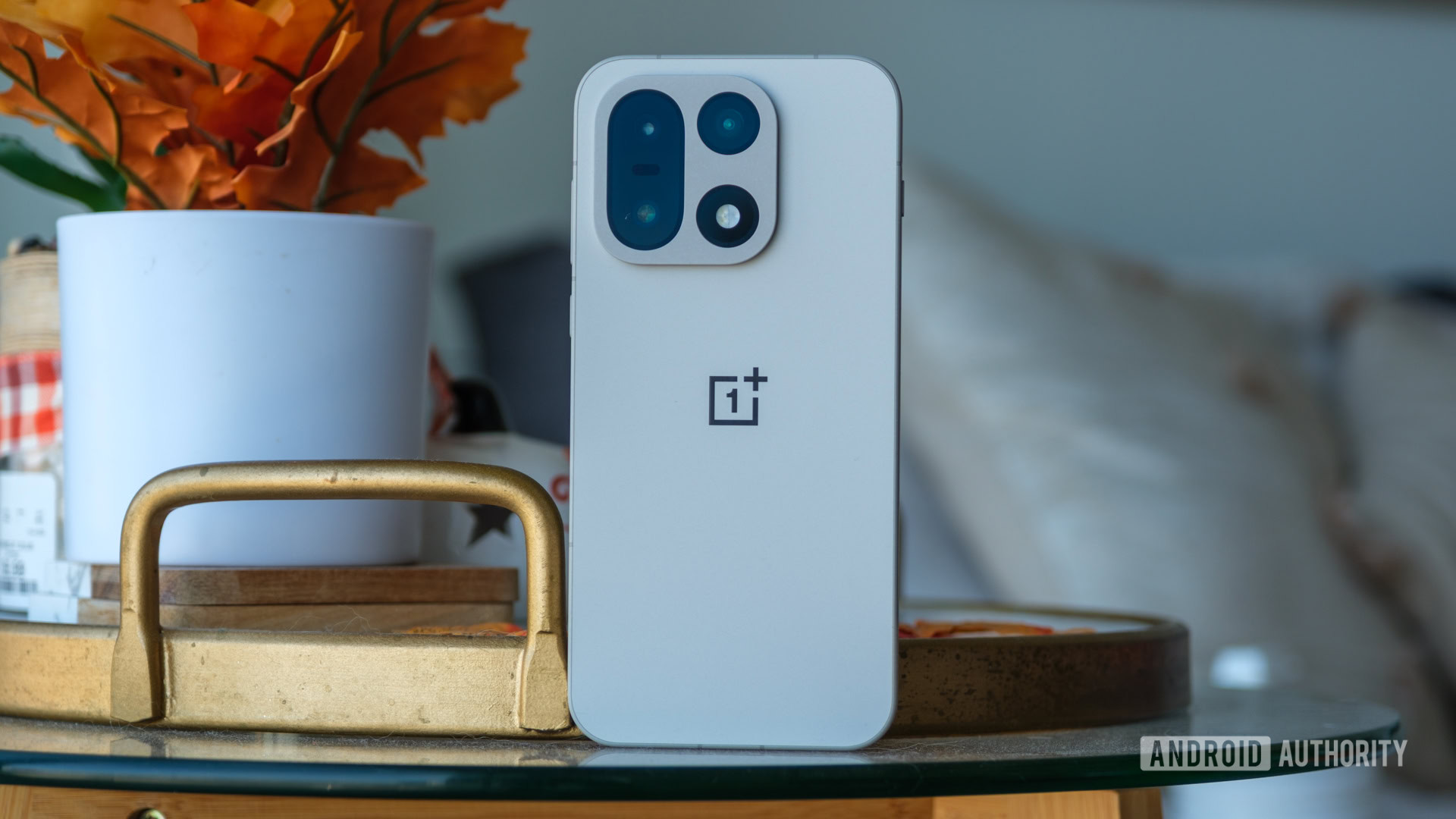
If you are a casual user who upgrades every two years and never looks beyond the app drawer, the OnePlus 15 will likely be a perfectly adequate device. The screen is great, the charging is fast, and the photos are more than serviceable. That mass-market audience will be perfectly serviced by any OnePlus phone today.
But for the rest of us loyalists, power users, enthusiasts, the people who actually built the hype that allowed OnePlus to grow into a global juggernaut, this move basically spells a death knell for the old OnePlus.
OnePlus used to be the anti-establishment choice. Now it’s just another brand.
It’s clear that OnePlus has made its choice, or, perhaps, the choice has been made for it. The brand has chosen to trade its loyal core audience for mass-market appeal. OnePlus has settled, and I’m not convinced it’s in the company’s best interest.

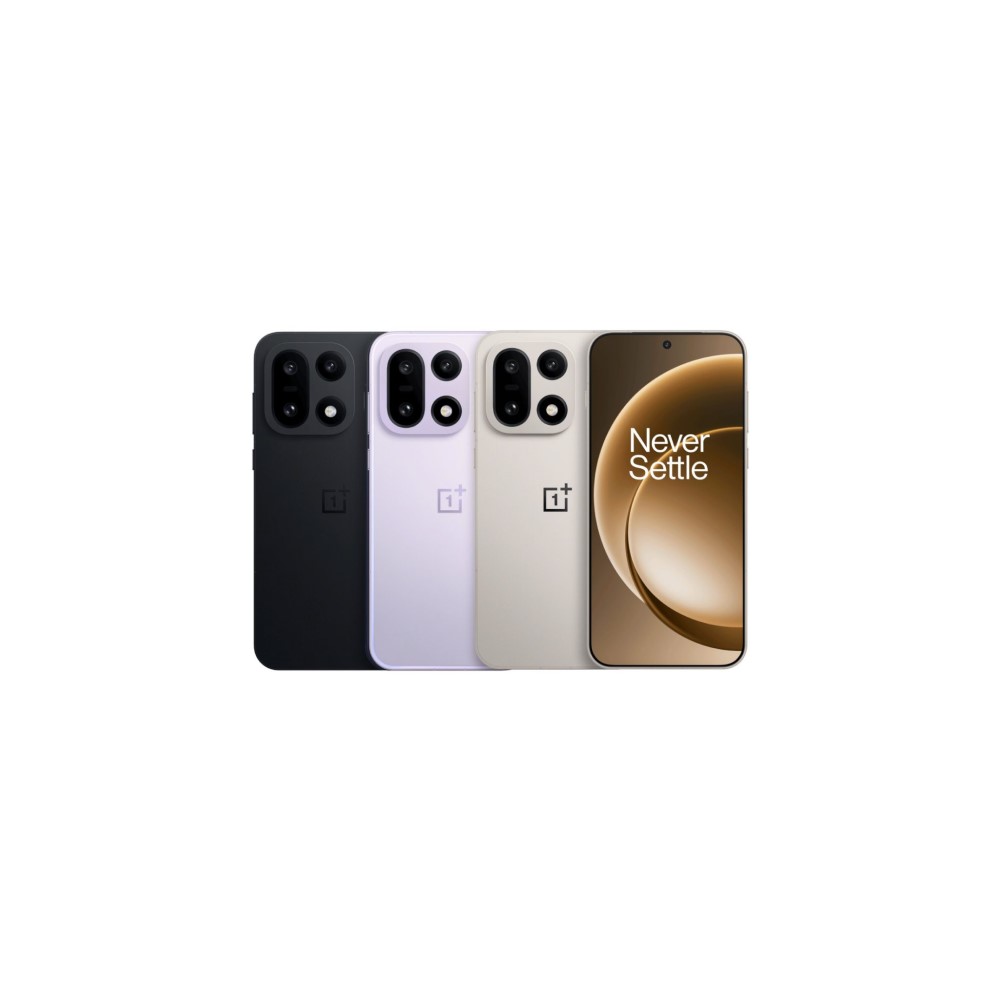
OnePlus 15
Peak power.
The OnePlus 15 is a flagship-level smartphone with very competitive specs: blazing fast chip, excellent display, huge battery + fast charge, and a triple 50MP camera system.
Don’t want to miss the best from Android Authority?


Thank you for being part of our community. Read our Comment Policy before posting.