Brady Snyder / Android Authority
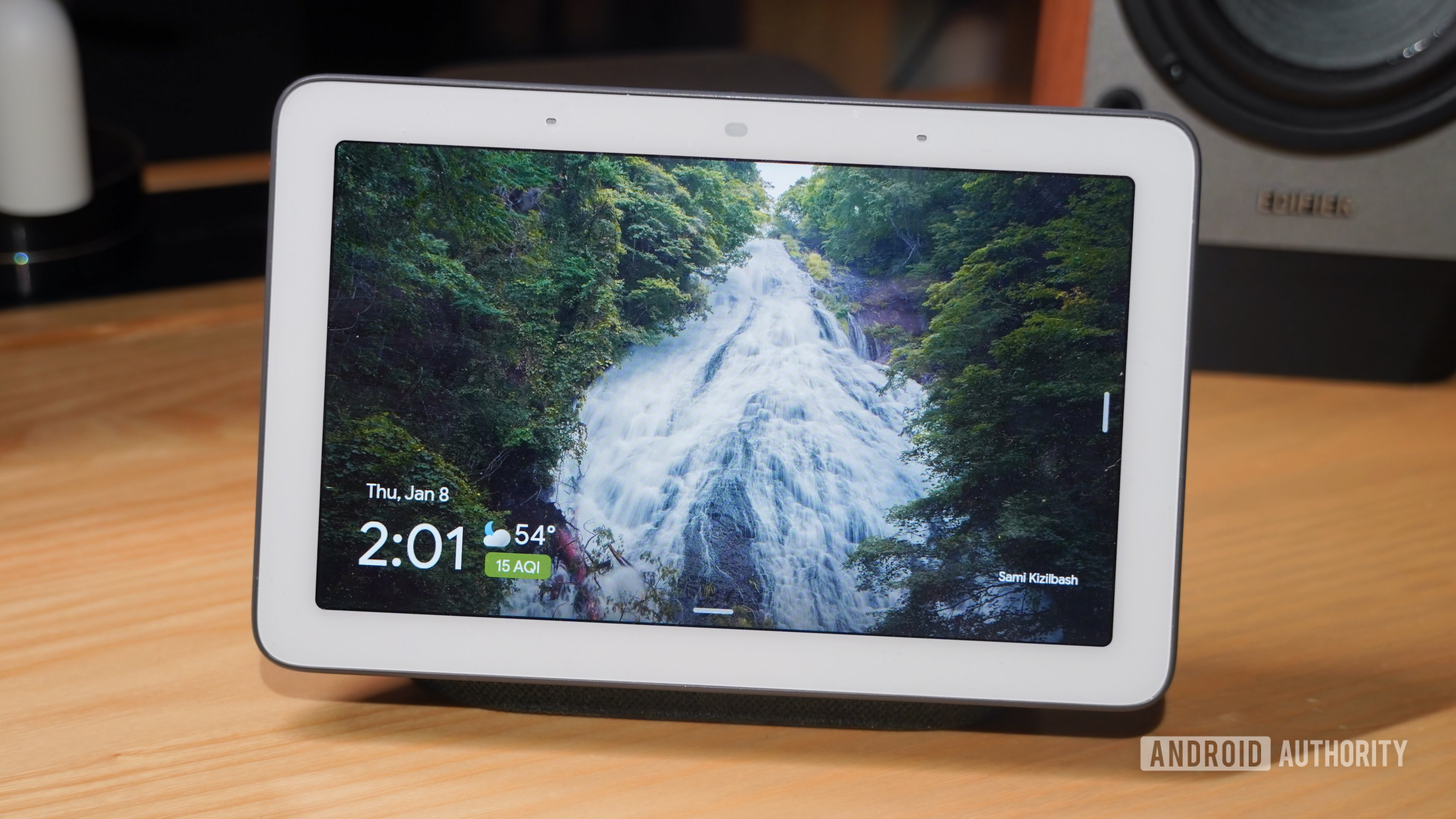
In the early days of the smart home ecosystem wars, I invested in a Google Home Hub to control lights and interact with the Google Assistant. A lot has changed since then; my smart display still sits on my desk, but it’s now called the Nest Hub and uses Gemini as its voice assistant. I’ve added a larger Nest Hub Max in my kitchen, and despite loving both displays, Google has given me little reason to upgrade.
The standard Nest Hub hasn’t received an upgrade since 2021, and the Nest Hub Max hasn’t been refreshed since its original 2019 launch. For years, it felt like Google had forgotten about Nest users, but 2025 changed everything. We finally received new Nest hardware and a preview of the upcoming Google Home Speaker, along with an encouraging confirmation that Google remains committed to smart displays.
Google may be working on a new Nest Hub right now, and an upgraded model needs to prioritize these five things to earn my money.
What change would make you upgrade to a new Google Nest Hub?
0 votes
A more durable and more colorful design

Brady Snyder / Android Authority
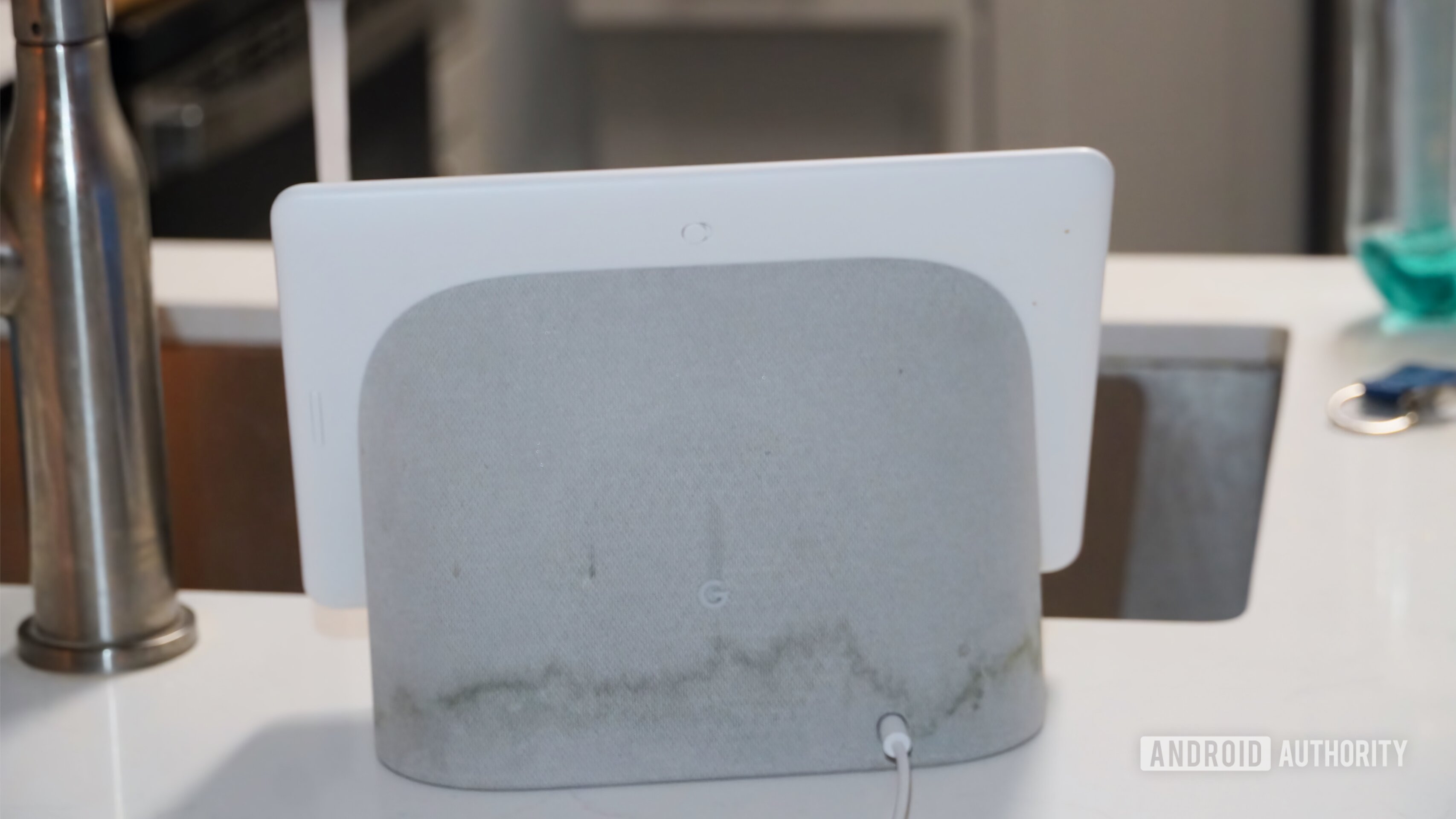
You can trace the design of the current Nest Hub and Nest Hub Max back to the smart display that started it all, and that design has aged beautifully. Despite bezels that are on the larger side by today’s standards, the Nest Hub looks modern and blends into almost any home. There’s just one change Google needs to make to the next Nest Hub: add a water-resistant base.
Google’s Nest Hub Max is a staple of my kitchen, serving up recipes, managing cooking timers, and watching YouTube videos via Chromecast. In my small apartment, the smart display lives right beside the kitchen sink, and the occasional splash hasn’t been kind to the fabric exterior. For what it’s worth, the water stains on a Nest Hub come off easily with a disinfecting wipe, and regular cleaning prevents the marks you see in the photo above from building up.
Kitchens are among the most common places to put a smart home controller, and a hard plastic or silicone base would go a long way toward protecting a future Nest Hub from water.
Brady Snyder / Android Authority
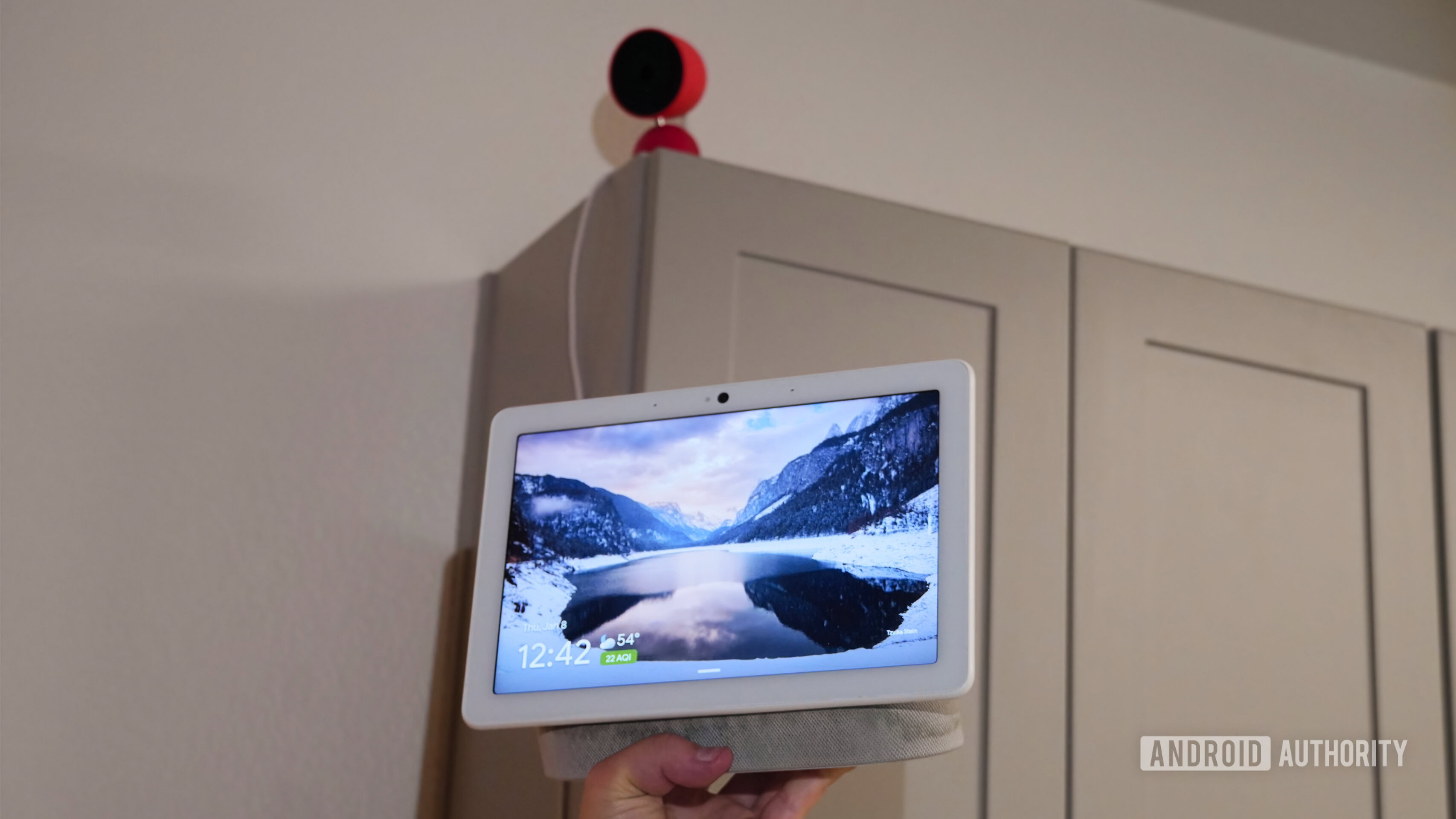
Google should also prioritize adding color options to a new Nest Hub that match the rest of the Nest lineup. Chalk (white) and Charcoal (black) for the Nest Hub Max isn’t enough variety, and the second-generation Nest Hub only adds a few more choices in Mist (blue) and Sand (tan/pink). Google added Berry (red) to the new Nest Cam Indoor and Jade (green) to the Home Speaker coming this year. In a perfect lineup, I should be able to get every Google smart home product in the same matching color.
Upgraded processor and connectivity options
Brady Snyder / Android Authority
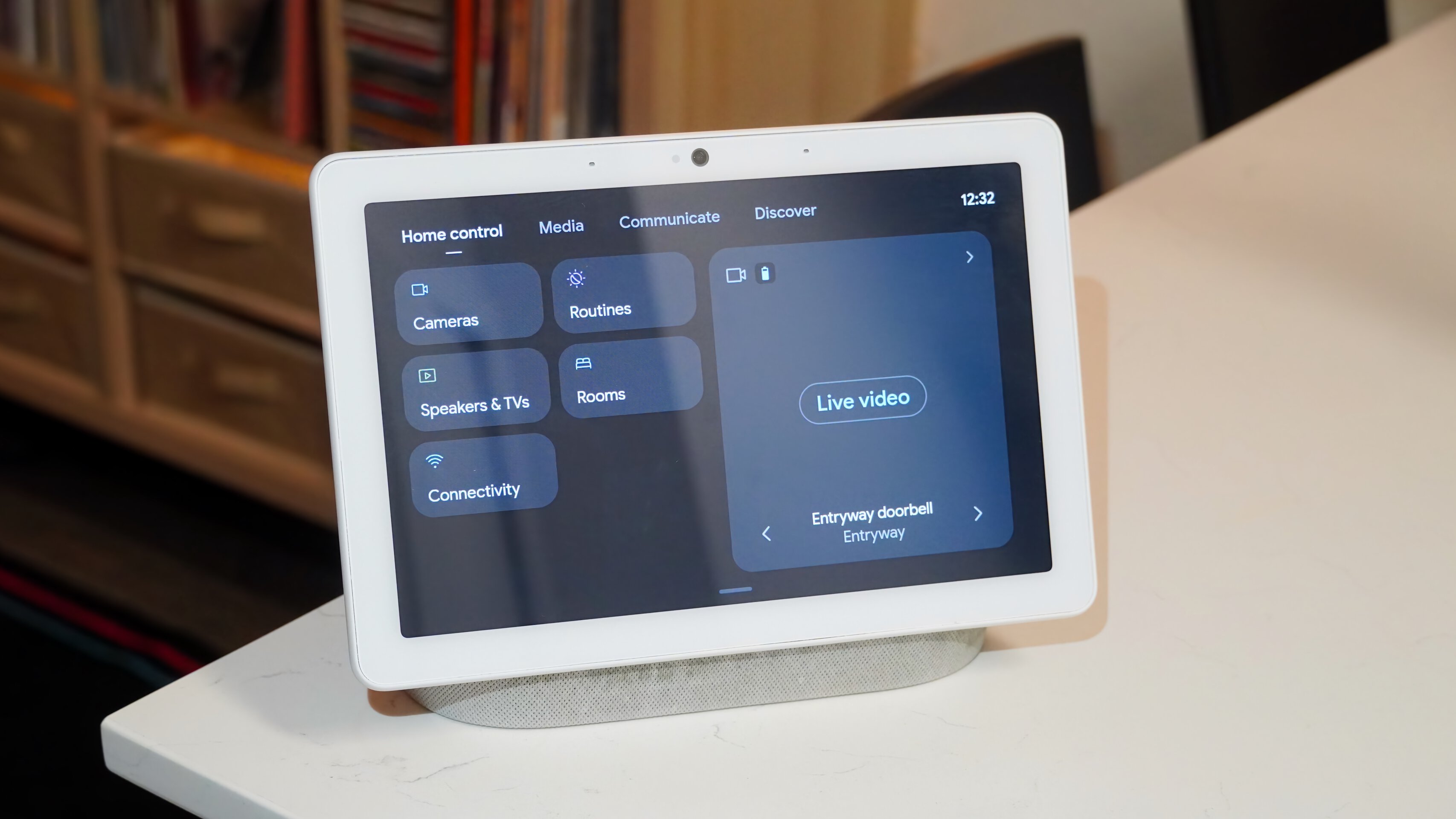
Google needs to make significant hardware changes internally for the next Nest Hub to be a hit. A smart display doesn’t need to be overpowered, but it does need to deliver a stable, functional experience. Current models fall short, becoming paperweights whenever the internet connection drops. A Nest Hub or Nest Hub Max will simply display an error screen when Wi-Fi is not working, and I find this unacceptable in 2026. There’s no valid reason I can’t set a timer or check today’s date during an internet outage.
The second-generation Nest Hub is powered by a quad-core ARM processor with a “high-performance machine learning hardware engine,” according to Google. That sounds like enough power for a basic offline mode to me. If Google knows something I don’t, it should make the hardware tweaks required to add the offline functionality Nest Hub users have requested for years.
Wi-Fi 5 and Bluetooth 5 support on the Nest Hub simply doesn’t cut it, either. Newer Wi-Fi standards enable lower-latency connections, and competitors like Amazon have already responded by adding Wi-Fi 6E support to their latest smart displays. Google added Wi-Fi 6E to the Nest Wi-Fi Pro router in 2022, and the Nest Hub is due for the same treatment.
While Bluetooth 5 support is fine for a smart display, future Nest Hub models should add Low Energy Audio and Auracast support. This would allow multiple listeners to pair LE Audio earbuds to a new Nest Hub for simultaneous Bluetooth streaming, matching the Android 16 feature added to Pixels last year.
Sharper camera for Meet and Nest integration
Brady Snyder / Android Authority
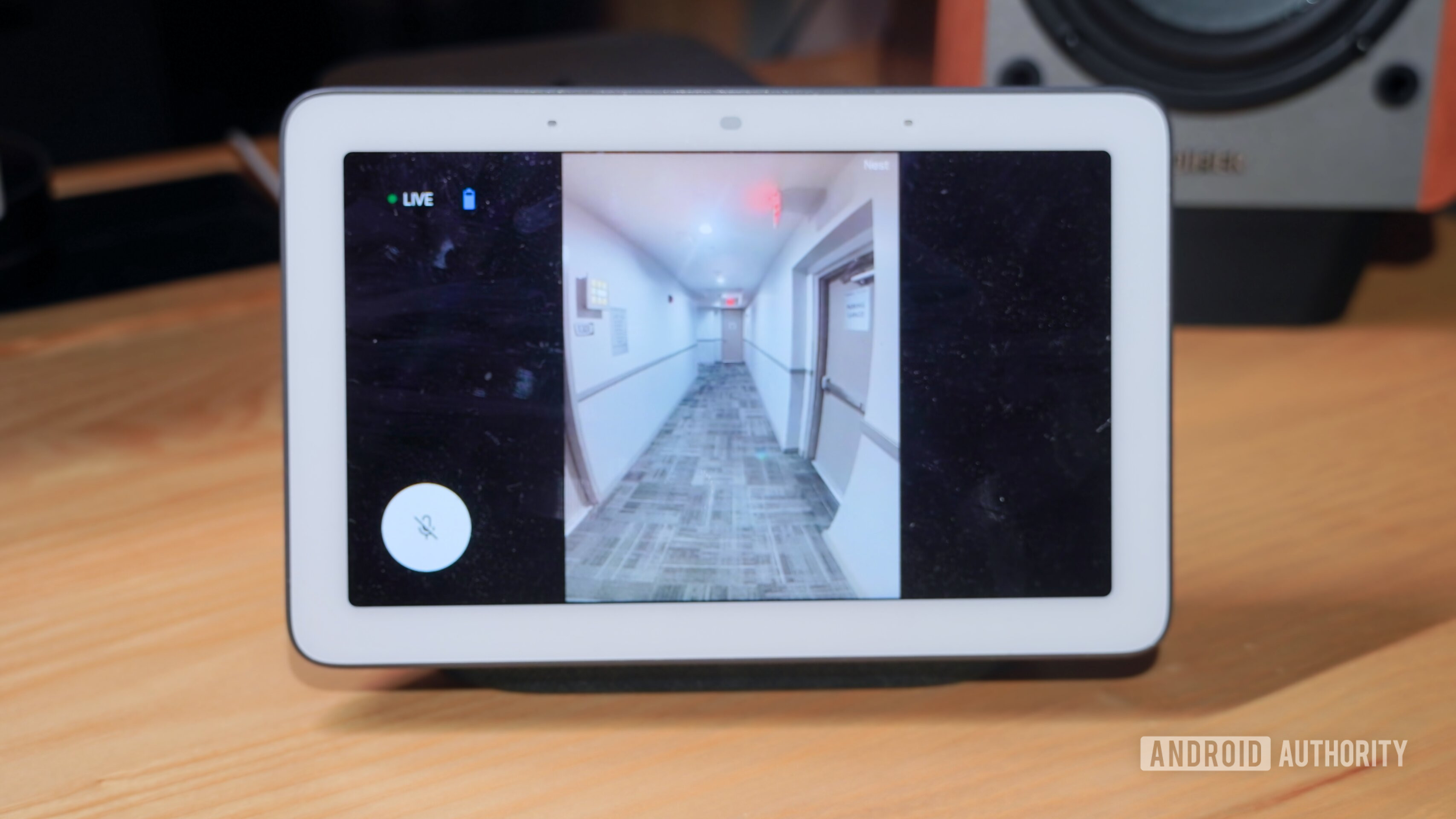
The 6.5MP camera on the Nest Hub Max is an underrated feature, offering a 127-degree field of view with automatic framing. It powers software features such as Face Match, which personalizes display content based on who’s viewing the Nest Hub Max. Additionally, you can use the Nest Hub Max camera as a Nest camera or for Google Meet calls.
The smaller Nest Hub currently doesn’t include a camera, but it should be available on both models in the next refresh. A slightly crisper lens would make the displays more useful as a serious security camera or video calling solution.
Above all, it’s crucial for Google to add a physical cover for the Nest Hub’s camera. It’s perfectly reasonable for prospective Nest Hub buyers to be wary of putting a camera in the center of their home. The current software-based switch does not adequately address this concern; a physical slider or camera cover is essential for user privacy.
Revamped displays with larger sizes
Brady Snyder / Android Authority
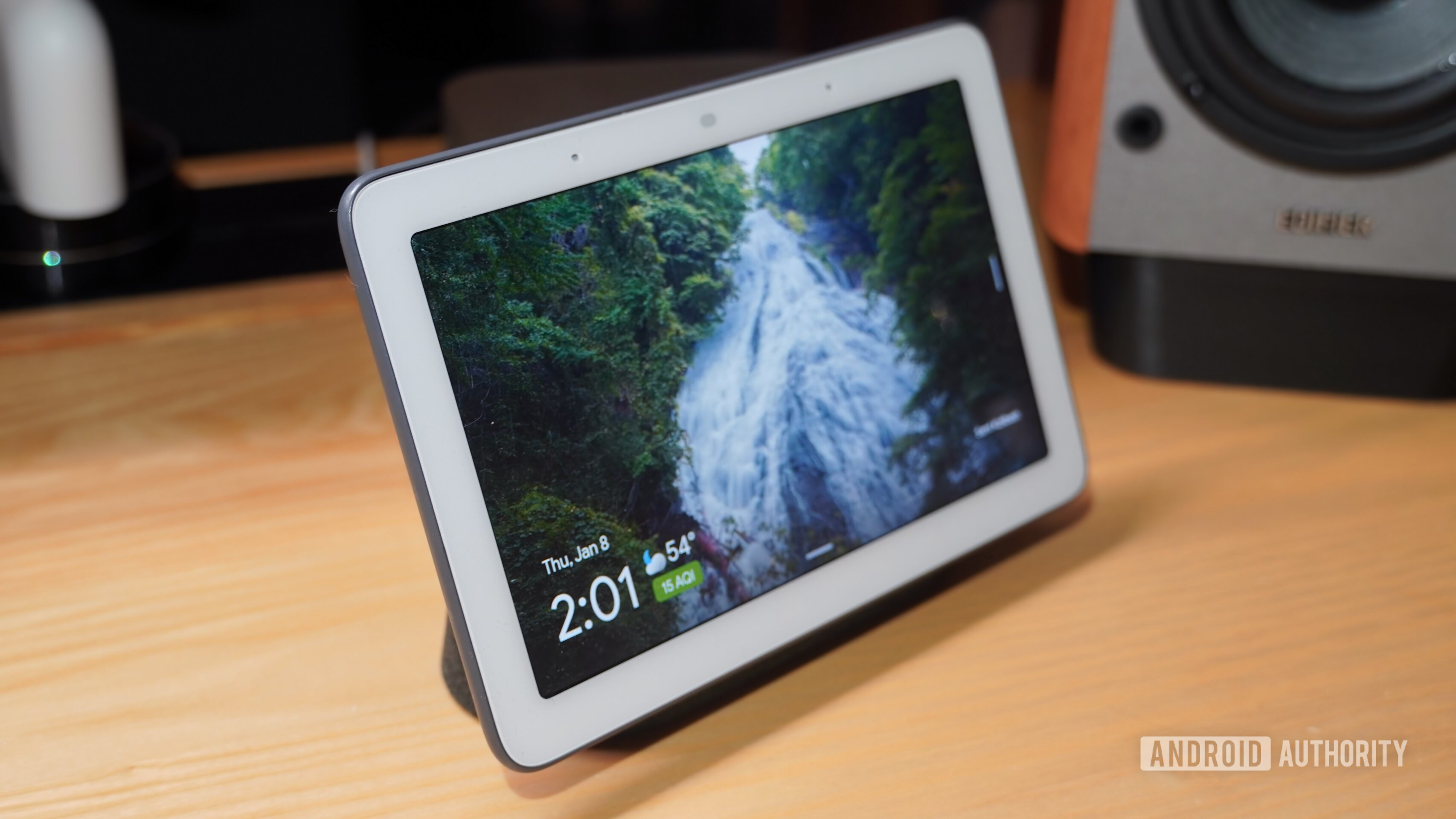
The quality of a Nest Hub or Nest Hub Max screen is serviceable for a smart display, but could certainly benefit from upgrades. The smaller model has a 1,024 x 600 pixel resolution, while the larger one sports a 1,280 x 800 pixel resolution. Although a smart display doesn’t need an outstanding display panel, a 720p or 1080p resolution on an upgraded Nest Hub would make it a better option for watching content streamed via Chromecast built-in. Other solid upgrades could include slightly narrowing the bezels and improving backlighting and off-angle viewing quality.
I can live with Google deciding to keep lower-quality displays as a cost-saving measure. The one thing Google absolutely needs to change about the Nest Hub lineup is its display size options. Having 7-inch and 10-inch displays was sufficient when these models debuted, but consumers today want larger smart displays. Look no further than the 27-inch Skylight Calendar Max or the 21-inch Echo Show as evidence that people want large, vibrant displays in their smart homes.
These smart display alternatives also suggest that the countertop form factor may not be enough for Google to remain competitive with the Nest Hub. Both the Echo Show 21 and the Skylight Calendar Max are wall-mountable to save valuable surface space and blend subtly into your home.
An affordable price
Brady Snyder / Android Authority
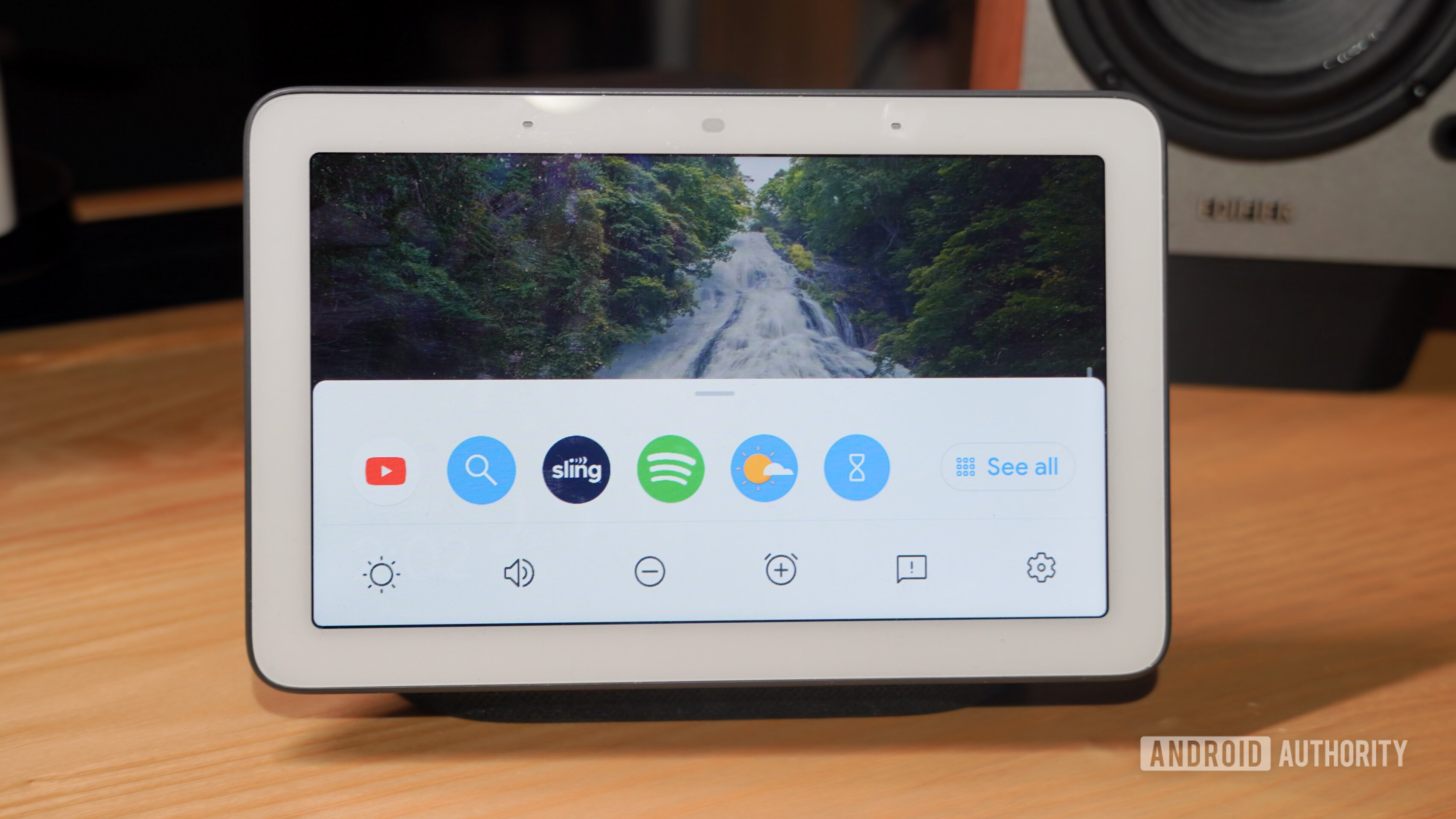
At this point, I’ve asked Google to switch up the Nest Hub’s design, make hardware changes, and add performance upgrades. However, Google should not make the best smart display it can create. That sounds counterintuitive, but it’s for good reason. The $99 and $229 price points for the Nest Hub and Nest Hub Max, respectively, are crucial to their success. When in doubt, Google should make minor but thoughtful improvements that allow the company to target the same price range for newer Nest Hub models.
The Google Pixel Tablet is exactly what I don’t want to see the Nest Hub lineup become. I have no use for an expensive, overpowered device that tries to be a jack-of-all-trades and ends up being a master of none. You can buy five standard Nest Hub displays for the same retail price as a Pixel Tablet with the Charging Speaker Dock, and that’s exactly how it should be. Ideally, the Nest Hub lineup is affordable enough that users can place multiple units throughout their living spaces as needed.
If Google can strike the right balance between making improvements users crave and keeping prices down, I’ll open my wallet for multiple new Nest Hubs.
Don’t want to miss the best from Android Authority?


Thank you for being part of our community. Read our Comment Policy before posting.