





Have you vowed to create the perfect nighttime routine, filled with relaxing activities like yoga and journaling, only to find yourself doom-scrolling and binge-watching instead? It’s happened to the best of us but it could be the reason why you can’t fall asleep or keep waking up at 3 a.m.
Revenge bedtime procrastination makes productive activities like reading or meditating seem like a chore, while mindlessly scrolling has lazy appeal. And as you spent the whole day running errands, you want your evenings to be full of fun.
The simple nighttime routine swap you should make…
Instead of scrolling or binge-watching Netflix, Dr. Wu suggests that another form of entertainment should fill your nighttime routine.
“Switch from visual to audio,” the board-certified sleep doctor tells me while discussing how to the manage a sleep schedule. “Replace TV or scrolling with a podcast, audiobook, or music on a sleep timer to reduce stimulation and light exposure.”
Luckily, there’s plenty of music for sleep, and vast libraries of sleep sounds you can also listen to. This could be Sleep Whispers or guided sleep meditations (where someone guides you through mediation so you don’t have to figure it out on your own).
There’s even bedtime stories for adults that can lull you to sleep.
Why does screentime make it harder to fall and stay asleep?
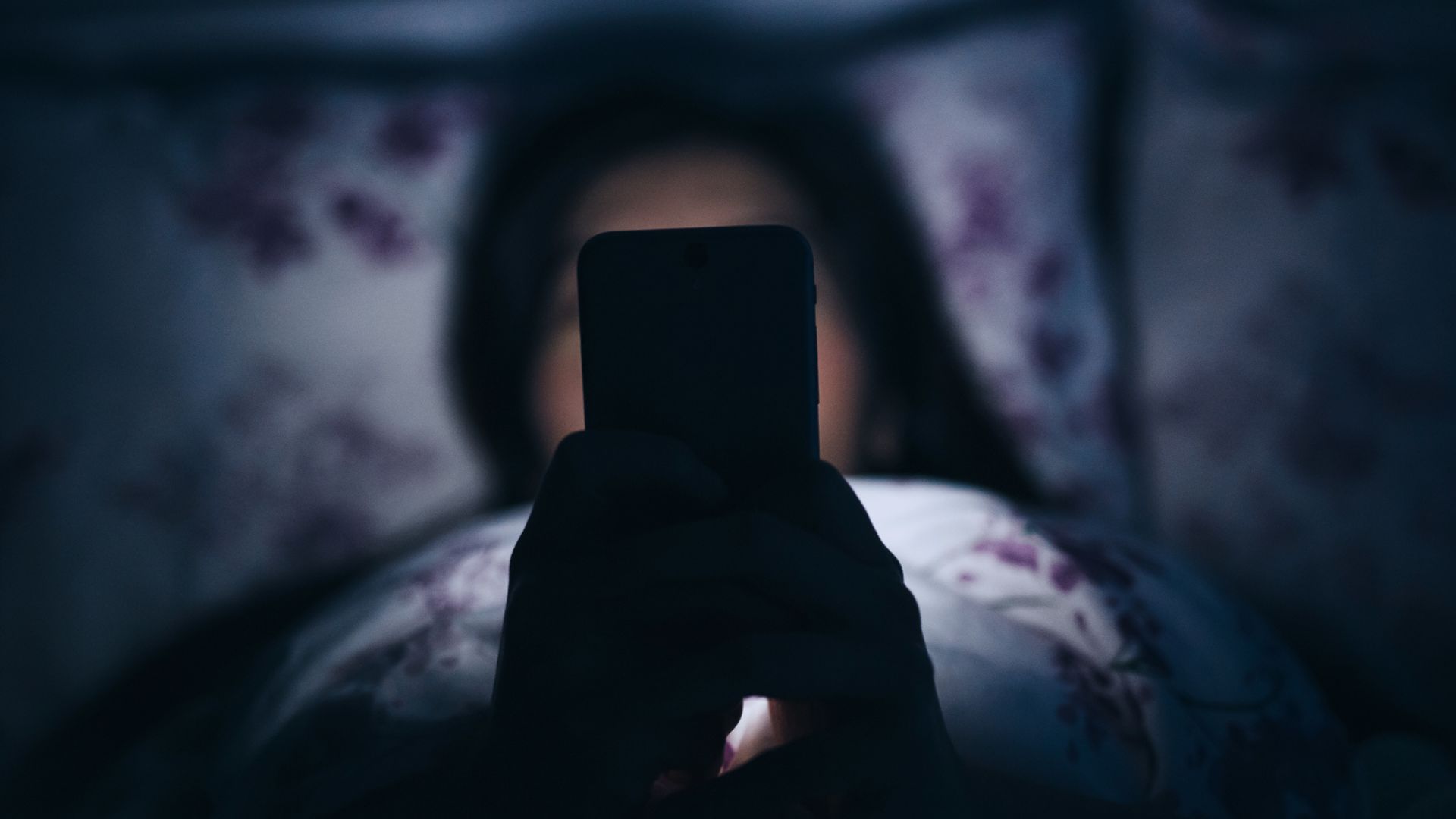

According to Dr. Wu, screentime can have an adverse affect on sleep. While blue light suppression of melatonin had been challenged by recent research, there is still evidence that some people with specific mental health conditions and sensory processing issues can be more susceptible to its effects.
Plus, the act of scrolling and binge-watching can keep the brain awake and alert, making it harder prepare yourself to fall or stay asleep.
“Tech can be a major disruptor,” warns Dr. Wu. “Screens throw off your body’s internal clock and stimulate the brain. A 30-minute screen-free wind-down is a simple way to reset.”
Dr Wu’s advice for enjoying screentime without it ruining your sleep

If you like to chill out with a show or scroll through Pinterest before bed, Dr. Wu says it helps to be mindful about such a stimulating activity.
“Set a firm cut-off time for screens and use timers or app limits so devices turn off automatically,” she tells me. “Try to keep screens out of bed. Watch TV or scroll elsewhere so your brain continues to associate your bed with sleep, not stimulation.”
The sleep advisor also recommends trying other relaxing activities besides consuming audio or visual media.
“Build a consistent wind-down ritual that helps you get out of your head and into your body,” she suggests. “Activities like a hot shower or bath, journaling, stretching, cuddling, or reading help signal that bedtime is approaching and make stopping screens easier.”


Follow Tom’s Guide on Google News and add us as a preferred source to get our up-to-date news, analysis, and reviews in your feeds.


