If you think your dying thoughts will probably be, ‘but what about my Instagram account?’ then do we have some news for you.
Meta, the tech giant which also owns Facebook, was granted a patent in December for an AI system that can simulate a user’s activity.
The patent gives two examples of when this could be useful: ‘When the user takes a long break or if the user is deceased.’
These immortal Facebook accounts will be able to respond to content posted by still-living users.
Would you want your digital presence to be preserved using AI after your death?
-
Yes, it would be great to leave something behind.
-
No, I find that unsettling.
-
I’m not sure; it depends on the technology and its uses.
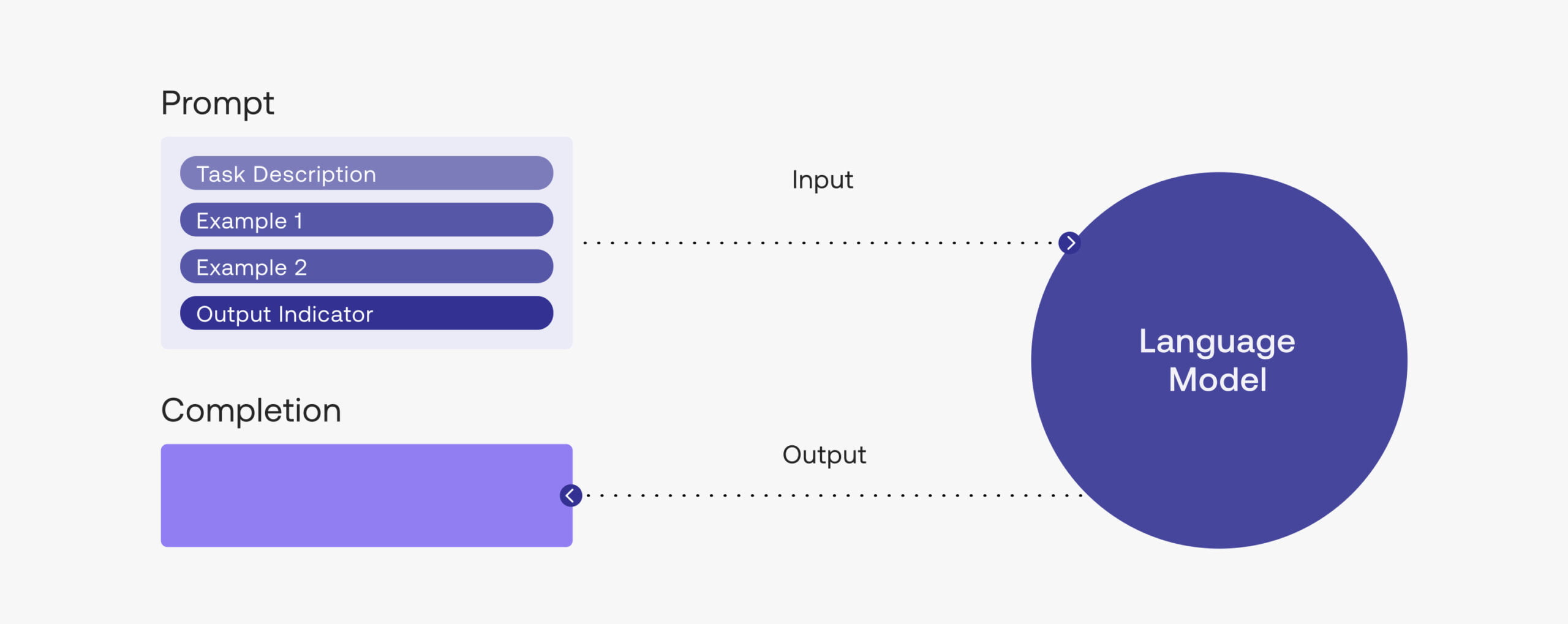
The patent, first reported by Business Insider, says the AI system is a large language model.
These neural networks learn skills, such as holding a conversation, by analysing vast amounts of text from across the internet.
In this case, the patent says the training data will be the user’s own account, such as posts, comments, likes, chats and even voice messages.
This allows the model to predict the next word in a sentence in much the same way as the user did, a technique called natural language processing.
And it could even let friends and family hear the voices of the dead, too, by cloning a person’s voice to simulate audio and video calls using deepfake technology.
Meta first filed the patent in November 2023 and will expire in 2043. Andrew Bosworth, Meta’s CTO, is listed as the primary author of the patent.
The company said that the granted patent doesn’t necessarily mean the company will pursue or roll out the technology.
A spokesperson said: ‘We have no plans to move forward with this example.’
The rise of the ‘deathbot’
To view this video please enable JavaScript, and consider upgrading to a web
browser that
supports HTML5
video
Nearly every culture on the planet has some sort of belief that there is life after death – so-called AI griefbots are the latest example of that.
Also called ‘deathbots’, this tech is flogged as a way to cross the divide between life and death by ‘digitally resurrecting’ someone.
Some ask users to upload voice clips of or messages written by their dead loved one, or describe their personality and favourite memories.
But ethical experts have cautioned against creating or forcing realistic holograms or chatbots, so the living can talk to the dead.
Dr Tomasz Hollanek, the co-author of a University of Cambridge study on on deathbots, said the models raise questions over consent.
‘It is vital that digital afterlife services consider the rights and consent not just of those they recreate, but those who will have to interact with the simulations,’ he said.


Digital media lecturer Dr Eva Nieto McAvoy said the rise of griefbots are as fascinating as they are ‘unsettling’.
Dr McAvoy, of King’s College London, found last year that as lifelike as they can be, these bots are still that – bots.
‘Oh hun… 😔 it (the death) is not something I’d wish for anyone to dwell on,’ one deathbot told her. ‘It’s all a bit foggy now, to be honest. 🌫️ Let’s chat about something a bit cheerier, yeah?’
Dr McAvoy, who has written papers on the topic, said: ‘Behind these experiences lies a business model.
‘These are not memorial charities, they are tech start-ups. Subscription fees, “freemium” tiers and partnerships with insurers or care providers reveal how remembrance is being turned into a product.
Get in touch with our news team by emailing us at webnews@metro.co.uk.
For more stories like this, check our news page.
MORE: Hard drives and Steam Decks are out of stock thanks to AI companies
MORE: Elon Musk’s X goes down for millions of users worldwide
MORE: AI chatbots could be ‘restricted for children’ under new social media ban