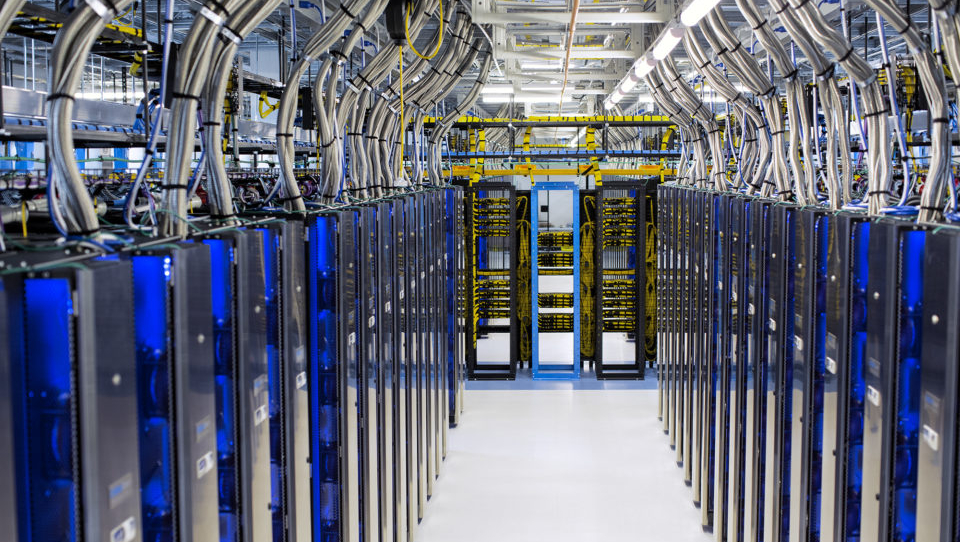
Microsoft Corp. today announced an initiative to prevent its data centers from harming the areas where they’re built.
Brad Smith, the tech giant’s vice chair and president, detailed the program in a blog post. The Community-First AI Infrastructure Plan, as it’s known, comprises more than a dozen elements. Many of them focus on ensuring that Microsoft data centers won’t increase residents’ energy bills or strain local water infrastructure.
According to Smith, the company will ask utilities to set its electricity rates high enough to cover the cost of supporting its cloud facilities. That includes the expenses associated with operating power delivery infrastructure. In markets where existing power lines and substations aren’t sufficient to meet Microsoft’s requirements, it will pay for upgrades.
The company will inform utilities about its future power requirements to help them plan grid enhancements. Additionally, Microsoft intends to provide them with artificial intelligence tools that can streamline the planning process. The company also sees those AI tools easing other tasks such as improving grid resilience.
In parallel, Microsoft will work to cut its data centers’ water use intensity by 40% through the end of the decade. It plans to achieve that goal partly by finding more opportunities to substitute liquid cooling with air cooling, which uses less water. Liquid cooling is the preferred method of dissipating the considerable heat generated by graphics cards.
Microsoft is also testing a new data center design that uses a closed-loop liquid cooling system. It recycles coolant instead of evaporating it, which significantly cuts water usage. The company detailed today that it has already deployed the system in several states including Wisconsin and Georgia.
In locations where reservoirs are strained, Microsoft will finance new public works. The goal of those investments will be to reduce its data centers’ reliance on potable water.
“This approach will build on what we’ve learned from the recent work at our datacenters in Quincy, Washington, an arid region where the local groundwater supply was already under pressure,” Smith wrote. “To avoid drawing from the community’s potable water, we partnered with the city to construct the Quincy Water Reuse Utility, which treats and recirculates datacenter cooling water.”
Another goal of Microsoft’s newly detailed plan is to increase its contribution to local economies. Going forward, the company won’t seek property tax breaks for data centers. It will provide AI tools and training to small businesses through local chambers of commerce.
Microsoft also plans to launch other upskilling programs. Those initiatives will partly focus on training data center construction, maintenance and operations professionals who can help run its facilities.
“We will expand our Datacenter Academy program to train individuals to fill ongoing datacenter operations roles,” Smith wrote. “This program works in partnership with local community colleges and vocational schools to train students for critical roles in data center operations and related careers.”
Photo: Microsoft
Support our mission to keep content open and free by engaging with theCUBE community. Join theCUBE’s Alumni Trust Network, where technology leaders connect, share intelligence and create opportunities.
- 15M+ viewers of theCUBE videos, powering conversations across AI, cloud, cybersecurity and more
- 11.4k+ theCUBE alumni — Connect with more than 11,400 tech and business leaders shaping the future through a unique trusted-based network.
About News Media
Founded by tech visionaries John Furrier and Dave Vellante, News Media has built a dynamic ecosystem of industry-leading digital media brands that reach 15+ million elite tech professionals. Our new proprietary theCUBE AI Video Cloud is breaking ground in audience interaction, leveraging theCUBEai.com neural network to help technology companies make data-driven decisions and stay at the forefront of industry conversations.