Joe Maring / Android Authority
We’re coming to the end of the year, and we’ve already seen the first next-generation flagship Android phones launching around the world. These phones give us a rough idea of what to expect from the industry next year — more performance and bigger batteries being two of the earlier trends.
Never mind expectations, though. What do I actually want from smartphones next year? From bigger batteries in all markets to iPhone-rivaling video quality, here’s what I’m wishing for in 2026.
What’s your wish for Android phones in 2026?
0 votes
1. Bigger batteries, for everyone

Mishaal Rahman / Android Authority
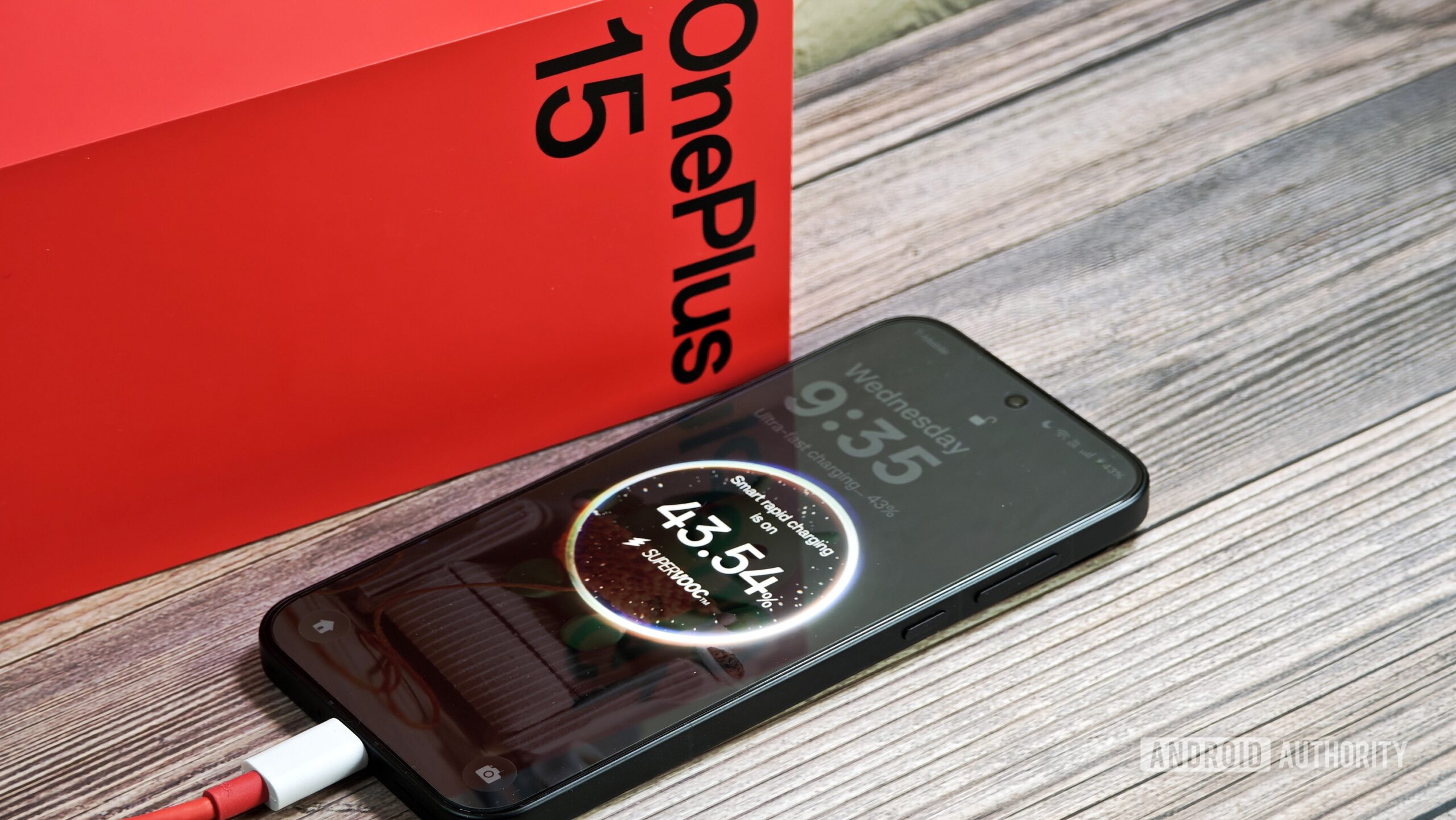
The recently launched OPPO Find X9 Pro, OnePlus 15, and Xiaomi 17 Pro Max all have 7,000mAh+ batteries. However, the bad news is that shipping regulations in markets like the EU and US cap the size of an individual battery cell. Some brands have circumvented this restriction by using phones with dual-cell battery designs. And that’s how the OnePlus 15 and OPPO Find X9 Pro retain their gigantic batteries in Europe. However, phones like the vivo X300 Pro and Xiaomi 15 Ultra consequently have much smaller batteries in the EU compared to India and China.
I’d really like to see more phone makers adopting dual-cell batteries to circumvent these shipping regulations. That way, phones can offer the same battery capacity in Europe, the US, and China. EMEA markets in particular already pay a premium for phones compared to China and India, so why give us less for more?
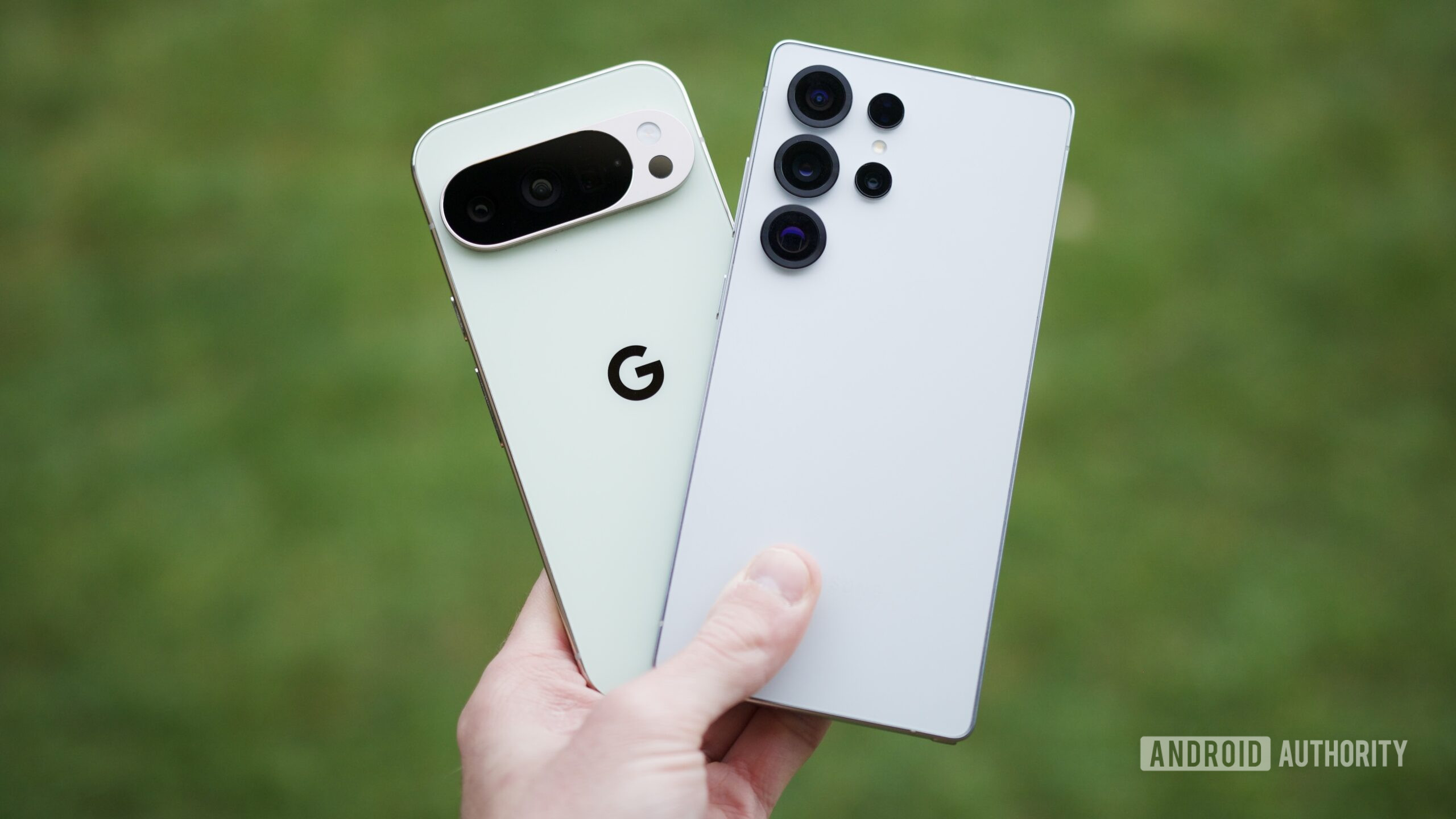
I also think it’s high time for companies like Samsung and Apple to offer much larger batteries. Silicon-carbon batteries might not last as long as the best lithium-ion batteries, but they certainly last as long as conventional lithium-ion batteries inside recent Pixels.
2. Video quality to match or exceed iPhones


Aamir Siddiqui / Android Authority
I’ve argued for a few years now that the best Android camera phones take better photos than iPhones, but the opposite is the case for video capture. Apple’s devices generally take smoother, higher-quality videos than top-tier Android flagships, and often have better support for editing as well.
Needless to say, I really hope this is the year when some Android OEMs match or surpass the iPhones in terms of video capture. The good news is that Qualcomm’s Snapdragon 8 Elite Gen 5 chip supports the Advanced Professional Video (APV) codec for higher-quality video, and the Samsung Galaxy S26 series is tipped to offer this feature.
Of course, there’s more to higher video quality on Android than a new codec. I’d therefore like to see Android OEMs focusing on improved stability, reduced judder (particularly when panning and tilting), faster/more accurate autofocus, and other general video capture improvements.
3. Snapdragon 8 Elite Gen 5 phones that don’t run hot

Hadlee Simons / Android Authority
Don’t want to miss the best from Android Authority?


Qualcomm pointed the finger at smartphone makers, and that’s generally fair, as manufacturers are ultimately responsible for tuning phone and chip performance. This is still a concerning trend, though, and I’d argue that the chip designer has to shoulder some of the blame. Either way, I really hope devices like the Samsung Galaxy S26 series and Samsung Galaxy Z Fold 8 don’t suffer the same fate.
People are also quick to point out the fact that benchmark apps aren’t indicative of real-world usage, and most of these phones indeed run smoothly otherwise. However, this is still an issue for demanding games down the line, as well as cutting-edge emulators and other niche workloads.
4. A truly affordable Galaxy Z Flip
Hadlee Simons / Android Authority
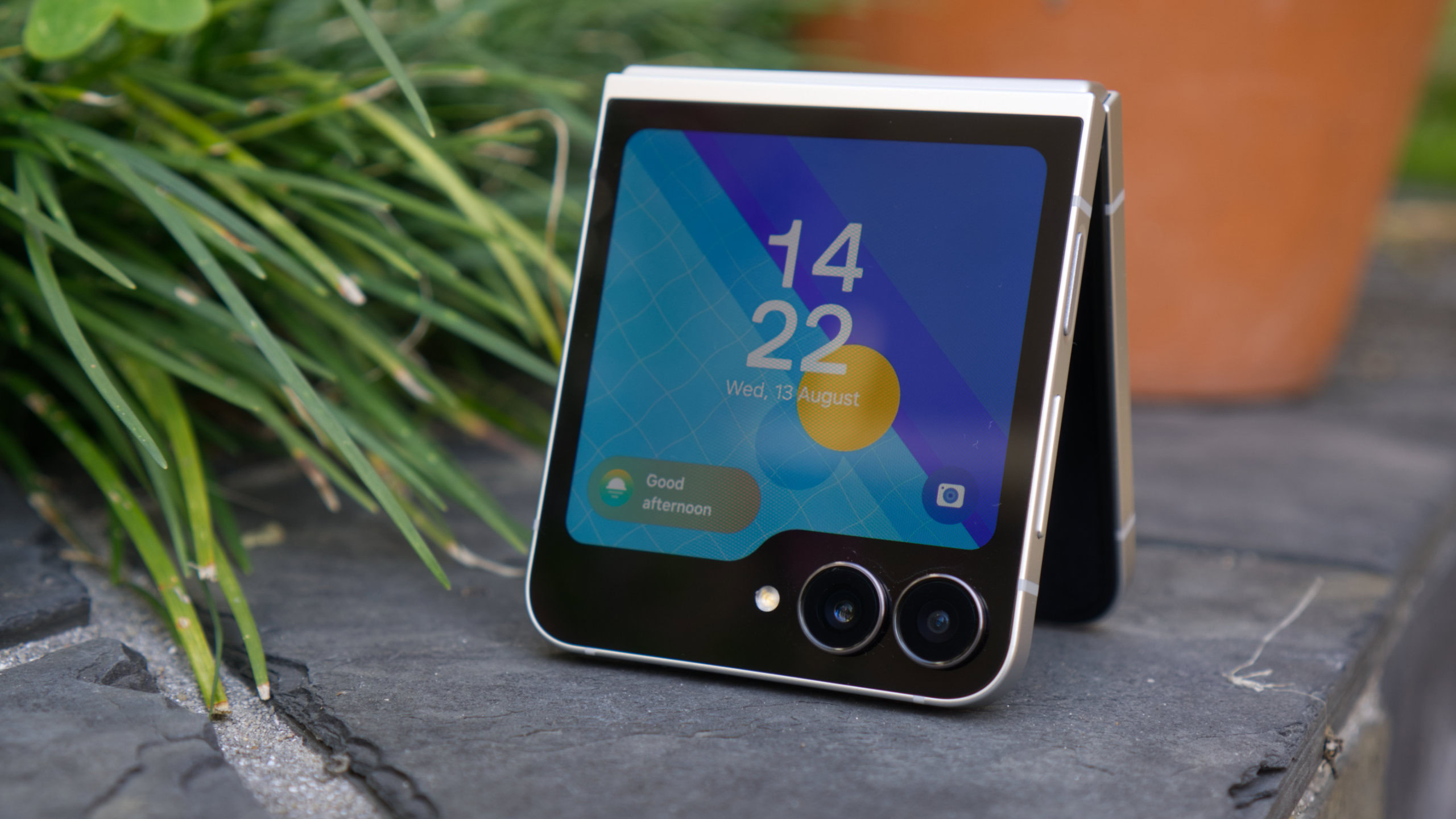
Samsung launched the Galaxy Z Flip 7 FE earlier this year, but I was pretty disappointed after reviewing it. The biggest issue I had with this supposedly affordable Flip was the $900 price tag. In fact, you were basically paying for last year’s Flip 6 with a different processor. Motorola’s Razr 2025 also put the Z Flip 7 FE in the shade due to its $700 price tag and versatile cover screen software.
In other words, I really hope Samsung pulls up its socks in 2026 and delivers a truly affordable Galaxy Z Flip model. Will it actually happen? Given the company’s track record of penny-pinching on component costs while still charging a premium? I highly doubt it.
5. More mid-rangers with telephoto cameras

C. Scott Brown / Android Authority
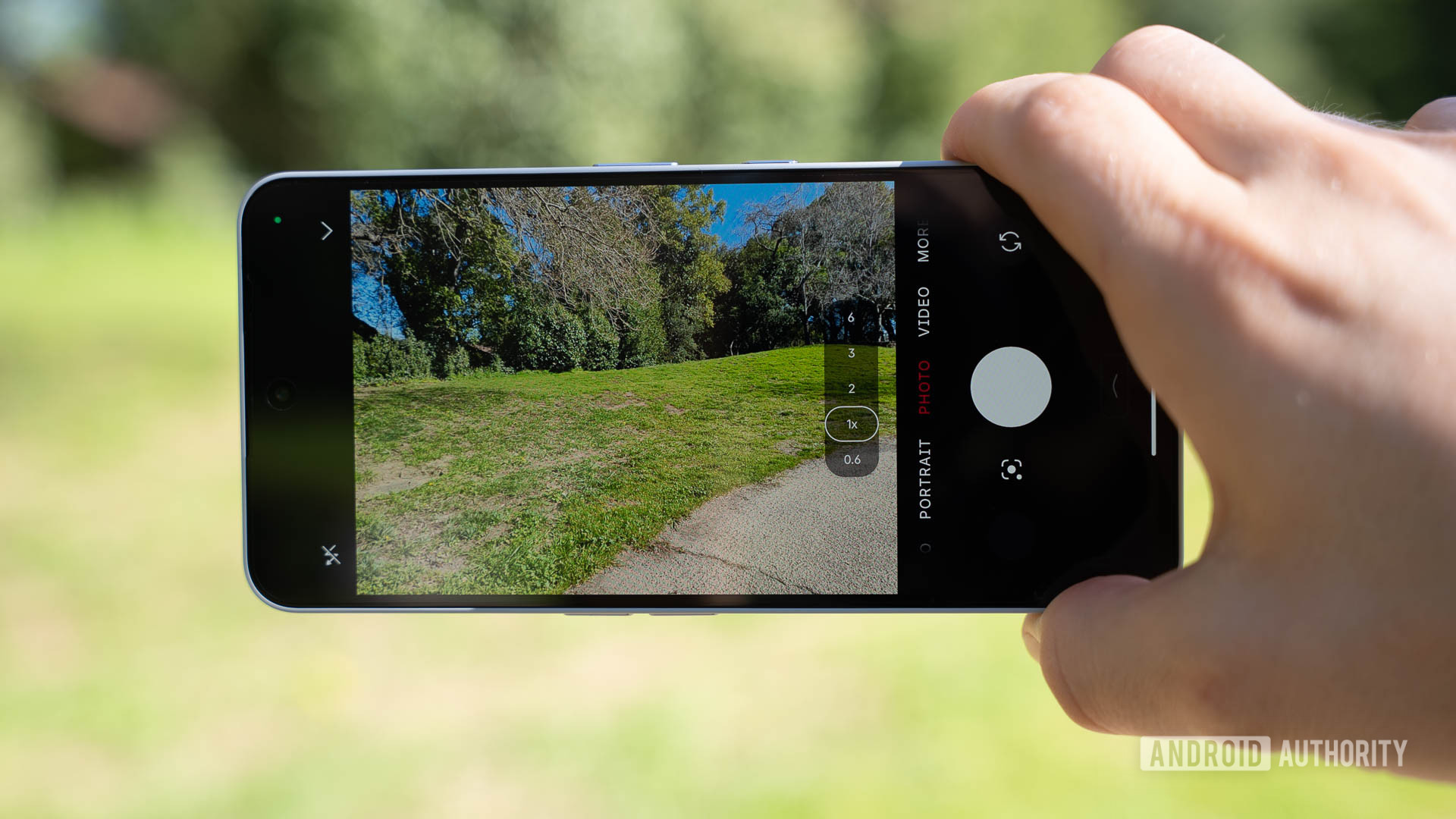
One minor trend in 2025 has been the move to bring telephoto cameras to more affordable smartphones. Mid-ranger handsets like the realme 14 Pro Plus and Nothing Phone 3a series both stood out in this regard due to their 3x 50MP cameras, offering users far more photography flexibility.
Who says you have to spend a fortune to get a zoom camera? Certainly not Nothing and realme.
Unfortunately, realme and Nothing are the exceptions rather than the rule, and we haven’t seen many other mid-range phones with telephoto cameras. So one of my wishes for 2026 is that companies like Google, Samsung, Xiaomi, and others bring zoom cameras to their sub-$600 phones. As colleague Rita El-Khoury opined earlier this year, good zoom is now an expected feature for many people.
6. Budget Pixels without battery issues
Rita El Khoury / Android Authority
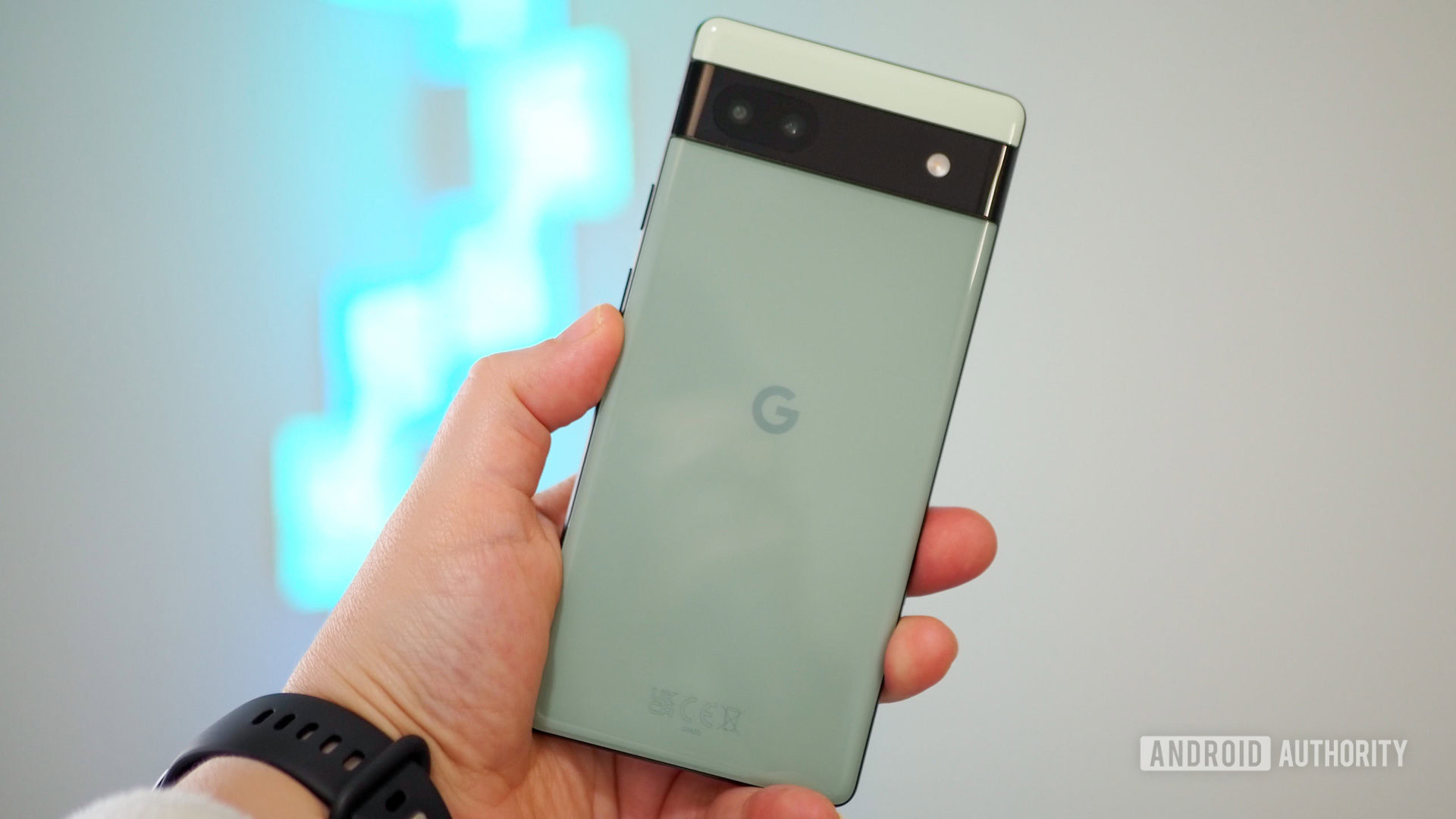
One of the more unsavory trends in 2025 was the emergence of battery defects in older budget Pixel phones. Some Pixel 4a, Pixel 6a, and Pixel 7a owners reported significant battery swelling, while a few owners even reported fires. This resulted in the Australian and UK consumer watchdogs issuing alerts about these issues. It didn’t help matters when Google said it would throttle the battery capacity and charging speed of the newly launched Pixel 9a (and Pixel 10 phones) out of the box. This is why some of us are no longer recommending mid-range Pixels.
Google can’t afford to have another year of budget Pixels with battery defects.
Therefore, is it any surprise that I don’t want to hear about more mid-range Pixels suffering from battery issues in 2026? I also hope Google doesn’t implement mandatory “battery health assistance” on new mid-rangers and instead focuses on more reliable batteries in the first place. After all, you wouldn’t need to throttle battery capacity and charging speed to this extent if the batteries just, you know, worked.
7. Linux desktop apps on more phones
Mishaal Rahman / Android Authority
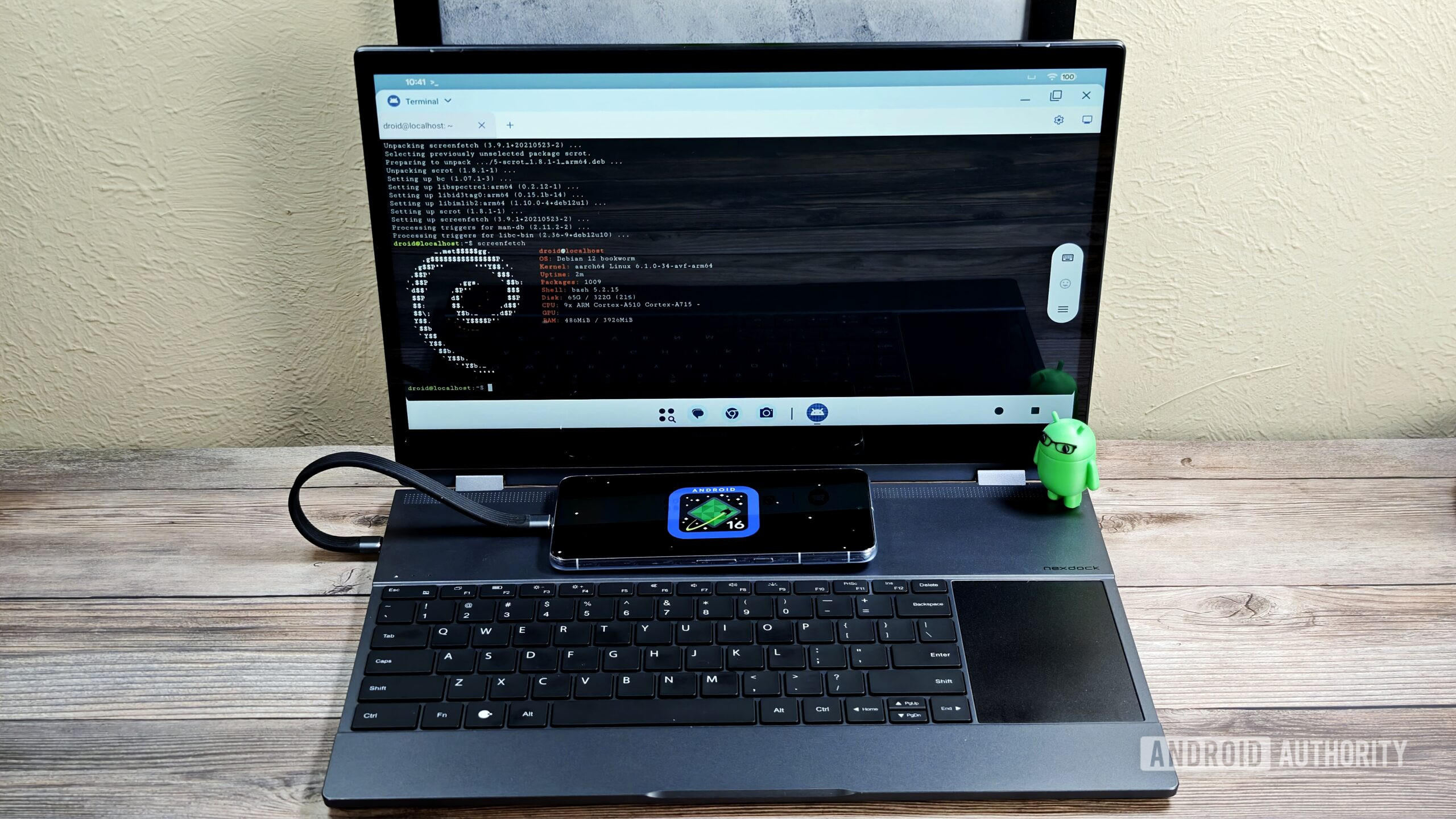
One cool but niche feature we’ve seen in 2025 is the arrival of the Linux Terminal app on Android devices. This lets you run full Linux desktop apps in a virtual machine on your Android phone or tablet. That’s a welcome feature if you want to use your Android device like a PC, allowing you to run more powerful web browsers, image editing programs, and more. There’s still a long way to go, but the foundation is clearly here for a PC-like experience that could potentially allow you to leave your laptop at home.
There’s one major downside, though: Snapdragon processors don’t support the Linux Terminal app. This means that phones like the Galaxy S25 series (and likely the Galaxy S26 range), OnePlus 15, and others can’t get in on the action. That’s a real shame, but I’m holding thumbs for Qualcomm to add Linux Terminal support in 2026. After all, how cool would it be to run desktop apps in Dex Mode on a Galaxy S25 Ultra or S26 Ultra?
Thank you for being part of our community. Read our Comment Policy before posting.