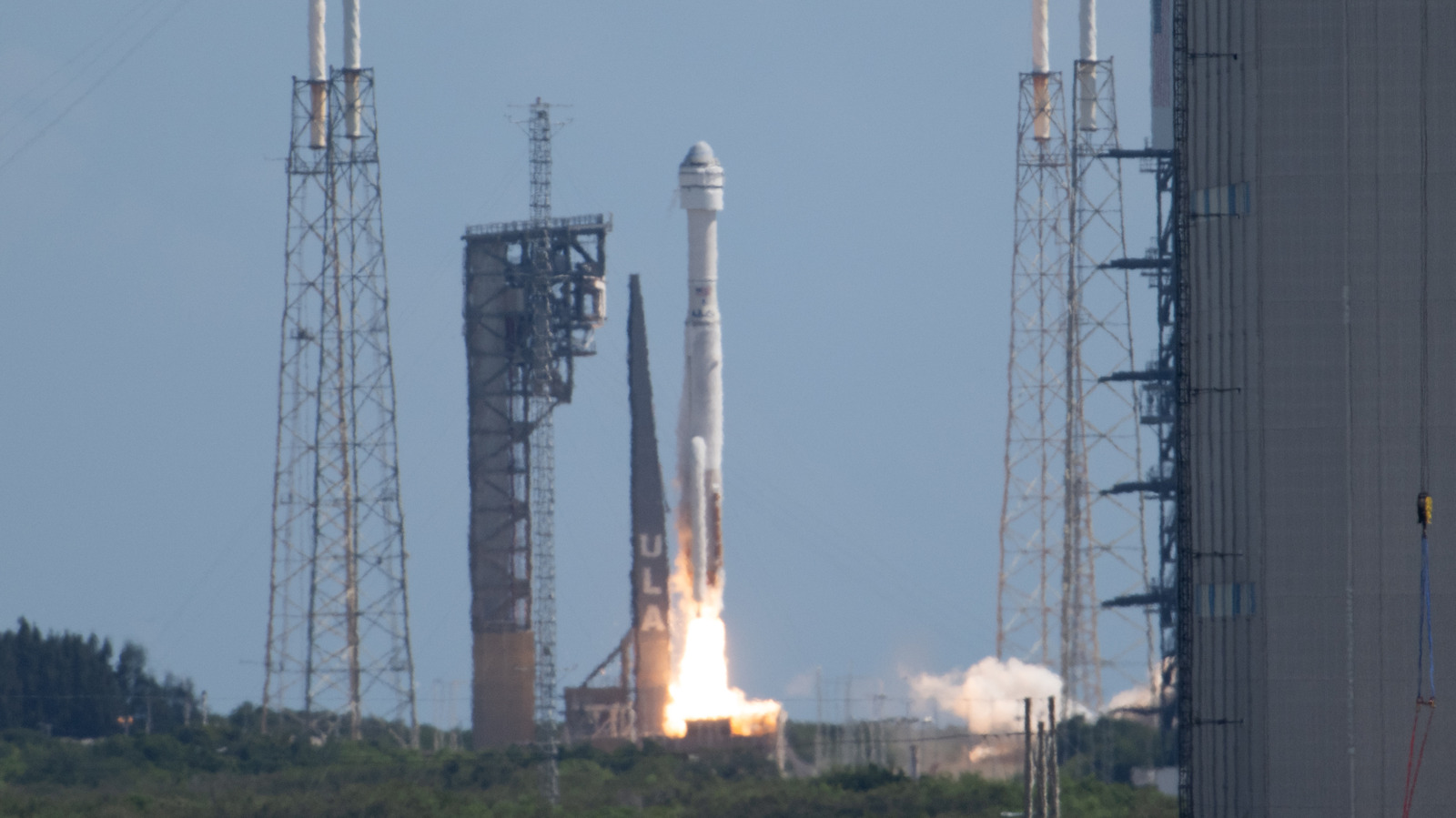
In 2014, NASA awarded Boeing’s Starliner a contract to fly astronauts to and from the International Space Station (ISS). But after some technical issues during Starliner’s 2024 crewed test flight, the contract was modified to allow Boeing and NASA “to focus on safely certifying the system in 2026,” and executing on crew rotations “when ready.” The mutually agreed-upon modification adjusts upcoming missions, reducing them to four total versus the original six, with “two available as options.” The next flight will be a cargo-only test, dubbed Starliner-1, scheduled for no earlier than April 2026. The Starliner-1 flight will proceed after some necessary system upgrades, allowing both teams to properly assess in-flight validations, testing capabilities, certifications, and mission readiness. NASA says in its blog sharing the news that, following certification and after a successful mission, Starliner will “fly up to three crew rotations” to the ISS.
The first crewed test flight by Starliner in 2024 successfully transported NASA astronauts Sunita Williams and Butch Wilmore to the ISS as planned. However, during the docking procedures, it ran into propulsion and thruster problems. Boeing’s Starliner capsule returned home empty, with the astronauts brought back in a SpaceX Crew Dragon capsule, instead. It also meant that some of the crew, like Williams, were stranded in space much longer than they were supposed to be. Luckily, the ISS is equipped for up to seven people at a time. This also comes at a time when renewed space exploration seems to be planned, with NASA announcing an official date for the first crewed mission to the moon in over 50 years.
Why is the modification being made?
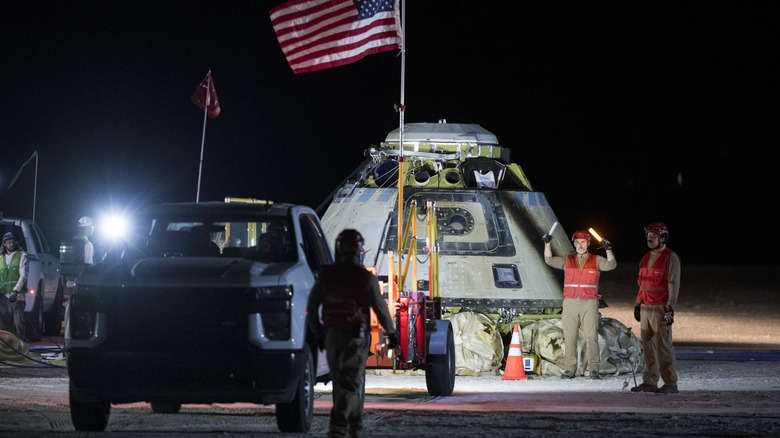
The 2024 launch was actually the third flight of Boeing’s Starliner, while being the first manned one. The first test flight in 2019 failed to reach the ISS because of a timing-related software error. However, a second test in 2022 completed the mission, which is why NASA and Boeing proceeded with the crewed flight in 2024. Technical problems and test flight failures before or during a launch and flight mean the craft doesn’t receive a full operational certification, which is the case with Starliner’s most recent mission. The 2024 crewed flight revealed several problems, including helium leaks and other concerns, which seemed to snowball. It became one of NASA’s biggest human safety crises related to spaceflight since the Columbia shuttle accident in 2003.
No one was harmed during the Starliner flight, and while everyone made it onboard safely, the complications meant the crews were stuck aboard ISS for longer than planned. With the modification to unmanned flights and further testing, NASA is hoping to work with Boeing to safely achieve its goal of sustained human presence in low Earth orbit. By comparison, SpaceX is being awarded a lot of space contracts, from the Pentagon even, because of its successful record, certifications, and launch locations. It’s likely Boeing’s Starliner would be awarded more opportunities after successful test flights, which NASA and Boeing are hoping to achieve with these new modifications.