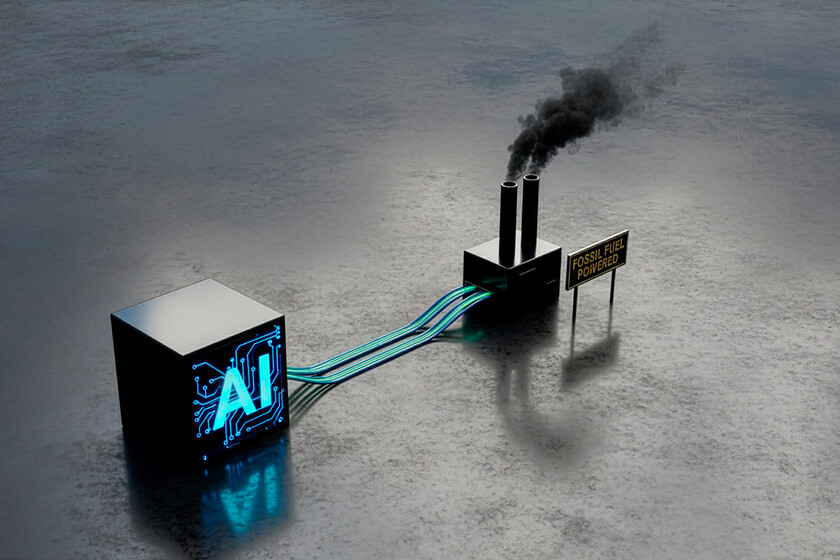
The race to develop and operate increasingly powerful artificial intelligence models comes at a cost that is rarely at the center of the technological narrative. It’s not in the chips or the software, but in the enormous amount of electricity needed to keep active data centers running around the clock. In the United States, this pressure is already being translated into concrete decisions: polluting power plants that were in retirement are being restarted to cover increasing peaks and tensions on the grid. The paradox is evident, the most ambitious advance in the technology sector depends, for the moment, on energy solutions from another era.
The problem is not so much an absolute shortage of electricity as a time lag. The demand for data centers linked to AI is growing much faster than the ability to launch new electricity generation, especially renewable, in short periods. Building large energy infrastructures takes years, while these complexes can advance in much shorter time frames. Faced with this temporary shock, network operators and electricity companies are turning to what already exists and can be activated immediately, even if it is more polluting.
PJM in context. The clash between electricity demand and supply is perceived with special clarity in the PJM region, the largest electricity market in the United States, which covers 13 states and concentrates a very significant part of the country’s data centers. We can understand it as a large regional electricity exchange that coordinates generation, prices and network stability in real time. There, the growth of data centers linked to AI is putting to the test a system designed for a very different consumption pattern, making PJM the first thermometer of a problem that is beginning to appear in other areas.
What is a central peak. central calls peakor peak, are facilities designed to come online only during short periods of peak demand, such as heat waves or winter peaks, when the system needs immediate reinforcement. They are not designed to operate continuously, but to react quickly. According to a report by the US Government Accountability Office, these facilities generate just 3% of the country’s electricity, but they account for nearly 19% of the installed capacity, a reserve that is now being used much more frequently than expected.
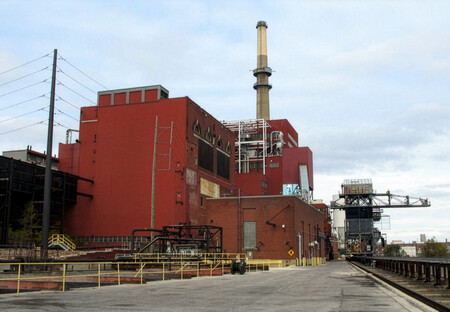

South view of the Fisk plant in Chicago
The case of the Fisk plant, in the working-class neighborhood of Pilsen, in Chicago, illustrates well how this shift translates on the ground. It is an oil-fueled facility, built decades ago and scheduled to be retired next year, that had been relegated to an almost testimonial role. The arrival of new electrical demands associated with data centers changed that equation. Matt Pistner, senior vice president of generation at NRG Energy, explained to Reuters that the company saw an economic argument to maintain the units and that is why it withdrew the closure notice, a decision that returns activity to a site that many residents believed was in permanent withdrawal.
When the Price rules. The change is not explained only by technical needs, but also by very clear market signals. In PJM, the prices paid to generators to guarantee supply at times of maximum demand skyrocketed this summer, more than 800% compared to the previous year. An analysis by the aforementioned agency shows that about 60% of oil, gas and coal plants scheduled for retirement in the region postponed or canceled those plans this year, and most of them were units peakjust the ones that best fit in this new scenario of relative scarcity.
The bill for this energy shift is paid above all at a local level. The power plants peak They tend to be older facilities, with lower chimneys and fewer pollution filters than other plants, which increases the impact on their immediate surroundings when they operate more frequently.


Coal is also postponed. The phenomenon is not limited to power plants peak fueled by oil or gas. On a national scale, several utilities have begun to delay the closure of coal plants that were part of their climate commitments. A DeSmog analysis identified at least 15 deferred retirements since January 2025 alone, facilities that together account for about 1.5% of U.S. energy emissions. Dominion Energy offers a clear example: in 2020 it promised to generate all of its electricity with renewables by 2045, but after the company projected that data center demand in Virginia will quadruple by 2038, it is now taking a step back.
Images | WorldOfSoftware with Gemini 3 Pro | Theodore Kloba
In WorldOfSoftware | A former NASA engineer is clear: data centers in space are a horrible idea