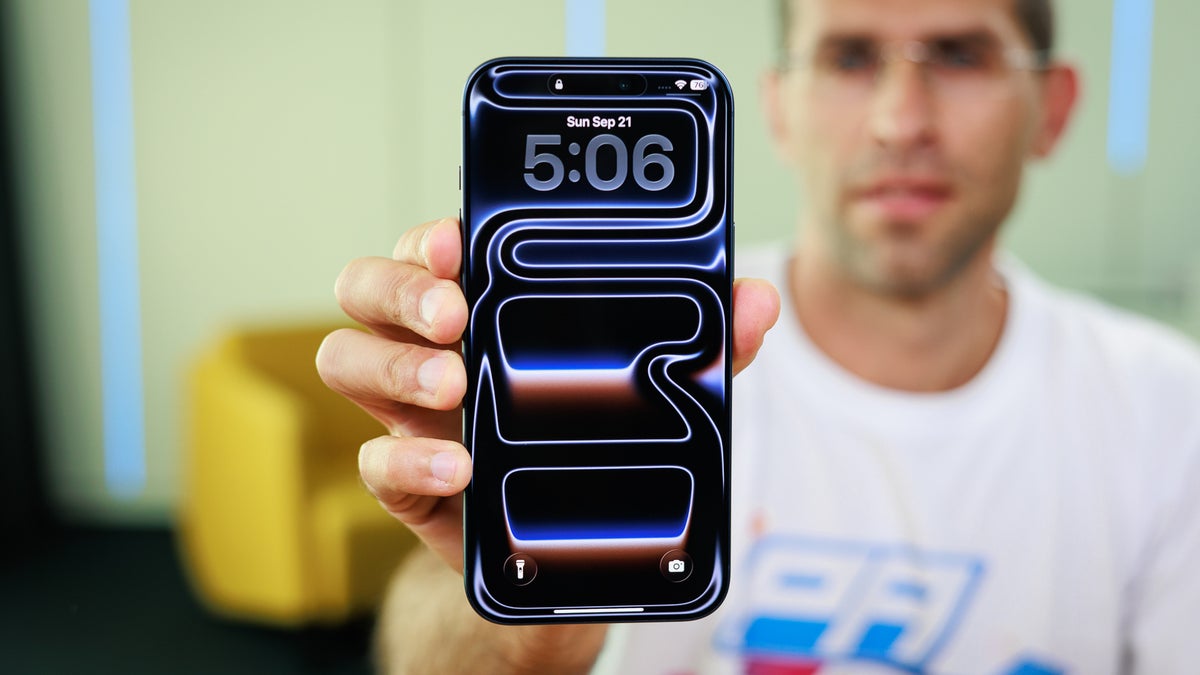
If you’ve been actively following the tech space, you’ve probably noticed that most vanilla smartphones released recently have a screen size of around six inches. For instance, both the iPhone 17 and the Pixel 10 have a 6.3-inch screen, while the Galaxy S25, on the other hand, comes with a slightly smaller 6.2-inch display. However, two manufacturers are reportedly working to break the six-inch barrier by offering even bigger displays in their smartphones. And that’s mostly a good thing. Please allow me to explain why.
Bigger is often better
Digital Chat Station, a quite famous tech insider and leaker, recently made a post on Weibo mentioning that two companies are looking forward to making smartphones that would have a display size of over seven inches. There are currently a very limited number of phones, such as the Huawei Mate 70 Air, that come with a seven-inch display size.
For years, manufacturers have limited such big screen sizes to foldables and tablets. For instance, the OnePlus Open has a display of 7.8 inches, and the 2024-released Galaxy Z Fold 6 has a 7.6-inch main display.
I believe there would be three main benefits of having a smartphone with a seven-inch screen size. First, it would offer a better video streaming and gaming experience. Browsing on a big-screen device would also be comparatively easier than on a six-inch display, as there would be less need to zoom in to read text and view objects clearly.
The second reason I look forward to a bigger screen is that it will improve multitasking. Most skins these days, whether OneUI, OxygenOS, Pixel UI, or any other, support split-screen functionality. A larger display will let you use two apps side by side more comfortably. This would definitely be a great upgrade for a journalist like me who often relies on the split-screen feature.
Lastly, and probably the biggest benefit a seven-inch screen size could bring is a larger battery. If you look closely, you’ll notice that all smartphones with big batteries also have large displays. For instance, both the Realme P4 and Honor Power 2, which come with a 10,000 mAh battery, have displays that are roughly seven inches across (6.8 inches, to be specific).
Brands like Apple and Samsung are often mocked for offering small batteries in their phones compared to their Chinese competitors like Honor and OnePlus. But if they also someday in the future break the seven-inch display barrier in their smartphones, we could see slightly bigger batteries in their devices as well. And if they start using silicon-carbon batteries, which are probably one of the main reasons why brands like Honor can offer batteries as huge as 10,000 mAh, we could certainly see the two biggest smartphone players in the world competing against Chinese smartphone makers in the battery department too.
There could be a few downsides as well
In the introductory paragraph, I mentioned that offering a display bigger than what is currently offered would be “mostly” beneficial instead of “totally” because there could be a few downsides to this move as well. Smartphones with screen sizes larger than seven inches would be uncomfortable for users to operate with one hand. This would be even more challenging for users with short palms.
Phones and other electronic gadgets have already started to get a bit expensive because of the memory crisis. The increase in screen size could make smartphones even costlier. That’s because manufacturers will have to offer larger LED panels, which would cost more and ultimately affect the overall pricing of these smartphones.
Lastly, if seven-inch screen sizes become common in smartphones in the future, we would have one less reason to choose the Plus variant of a series over the vanilla option. For instance, one of the major differences between the S25 and the S25+ is screen size, with the latter being 0.5 inches bigger than the former.
Phone makers would then need to offer an even bigger screen in the Plus model to differentiate it from its vanilla counterpart. I’m definitely looking forward to a bigger smartphone, but the concerns I mentioned should also be considered, which I’m pretty certain they definitely will be.