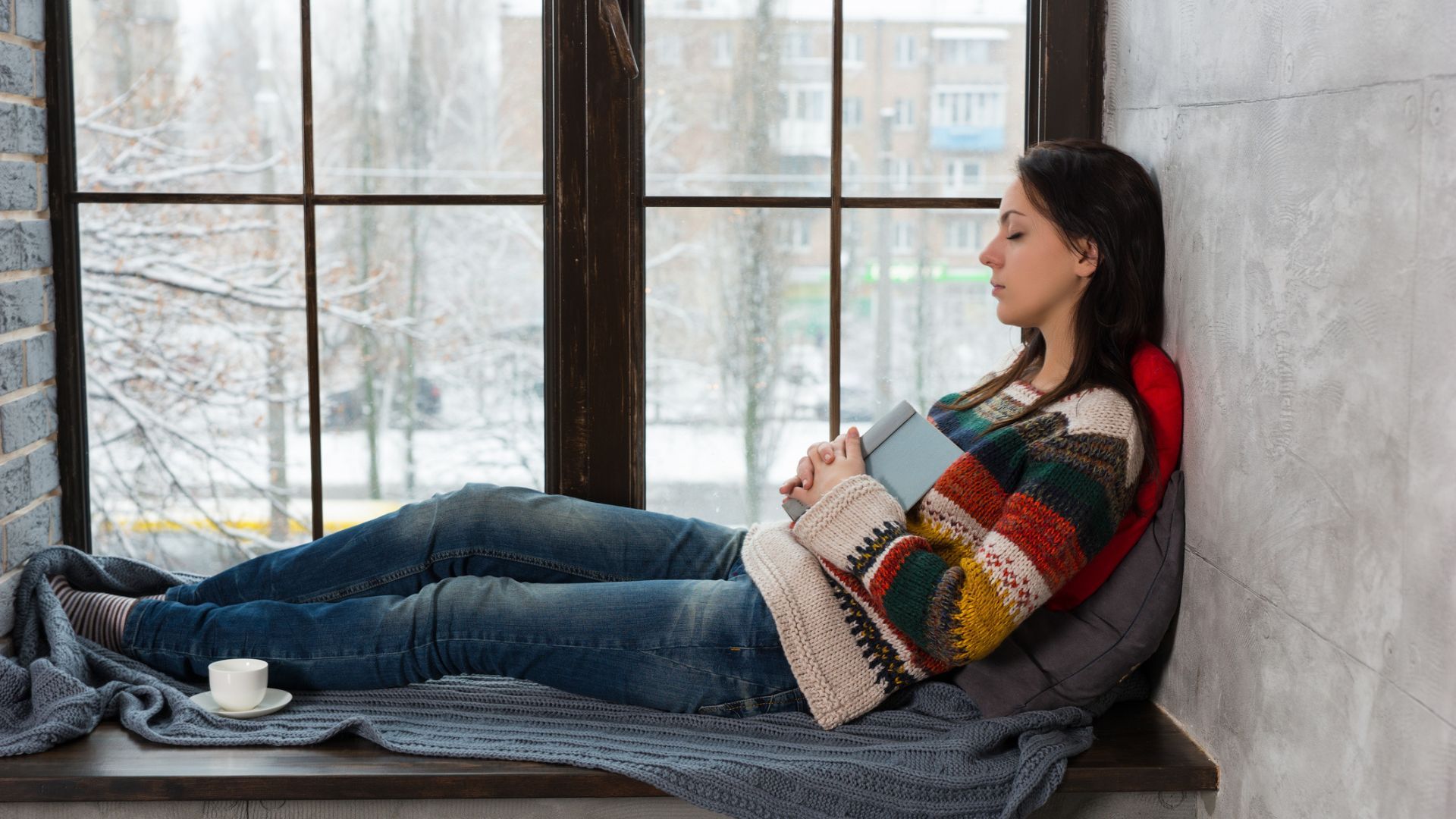
It’s storm season and all around the U.S. (and the U.K., for that matter) warnings are picking up. Expect temperatures to drop and winds to speed up, with an ‘Arctic blast’ heading our way. And there’s one surprising consequence: your sleep can suffer.
So even if you’re sleeping on the best mattress for your body, you might find yourself waking up in the night, waking up too early and finding it difficult to fall asleep.
But there are a few changes you can make to your sleep set up to ensure you get better sleep throughout the night even when the gales are wailing outside. Here’s how.
How can cold weather affect our sleep?
Surprisingly, colder bedroom temperatures can actually positively affect our sleep quality. In order for us to fall asleep and stay asleep, our core body temperature needs to drop. Sleeping in a cool room can help this process.
However, if temperatures drop too low in your bedroom, it can have an altogether different effect.
Research has shown that exposure to cold temperatures during the night, REM sleep (rapid eye movement) can decrease. This sleep stage is essential for emotional regulation and memory consolidation, and how well-rested we feel in the morning directly correlates to whether we’ve had enough REM sleep.
Further to this, many studies show a cold indoor environment can negatively affect sleep quality.
3 changes to make to sleep better this winter
1. Layer up your bedding
It’s a good idea to change your bedding with the seasons. Instead of heavy, synthetic materials, it’s best to layer breathable, temperature regulating materials like wool, cotton and bamboo.
These materials not only allow air to flow through them, but they can also wick moisture. This will stop you from overheating or sweating during the night, which can also wake you up.
Consider opting for a thick comforter, with a wool throw. This way, you can remove or add layers depending on how you feel during the night. Check out our guides to the best comforters and the best bed sheets to find the right pick for you.


2. Choose the right pajamas
Similarly, you’ll want high quality pajamas that keep you warm when you’re cold and cool when you’re too warm.
While it can be tempting to sleep with layers of t-shirts, jumpers and more, it’s actually best to layer your bedding and keep your pajamas simple. This will stop your temperature from fluctuating so much in the night.
Cotton and bamboo full length pajamas are a great option to wick moisture and stay breathable, while also keeping you warm.
3. Try a weighted blanket
While many people opt for electric blankets, weighted blankets are often a better option. Heated blankets — especially when used with a memory foam mattress — can cause you to overheat at night, and can damage your bed.
The best weighted blankets offer comfort through pressure therapy and extra warmth. But their quilted design means air can flow through them, and they’re often made with materials like cotton and bamboo so they don’t trap warmth.
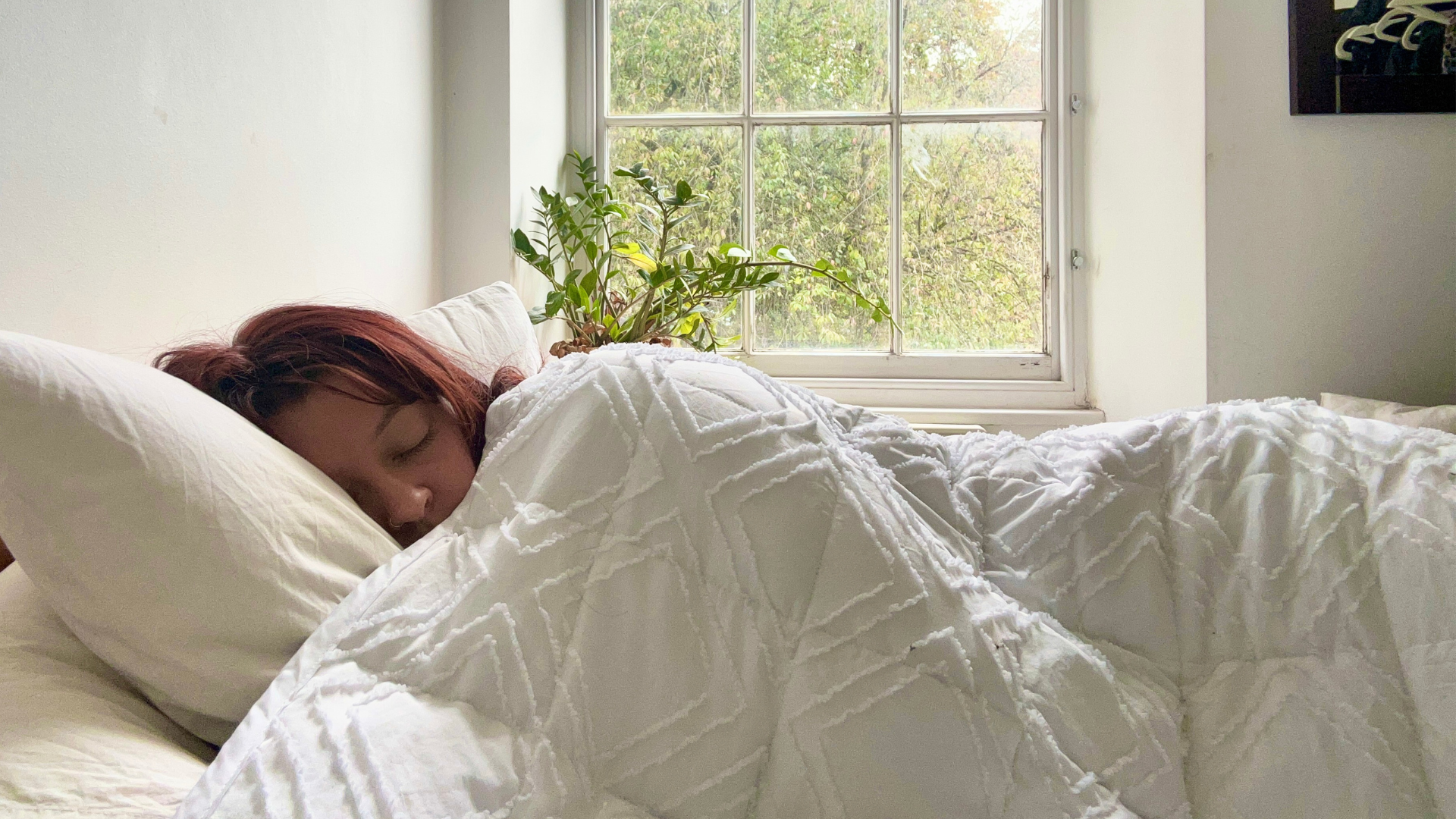
Should you keep the heating on at night?
Usually, we recommend setting the thermostat to switch off at night as a cooler bedroom is better for our sleep quality. However, when temperatures drop below zero, you need to keep your bedroom warm.
We suggest keeping the heating on but setting it to drop lower over the night. The best temperature to sleep in is around 65 to 70 F (around 18C).