Starlink Mobile gets supercharged
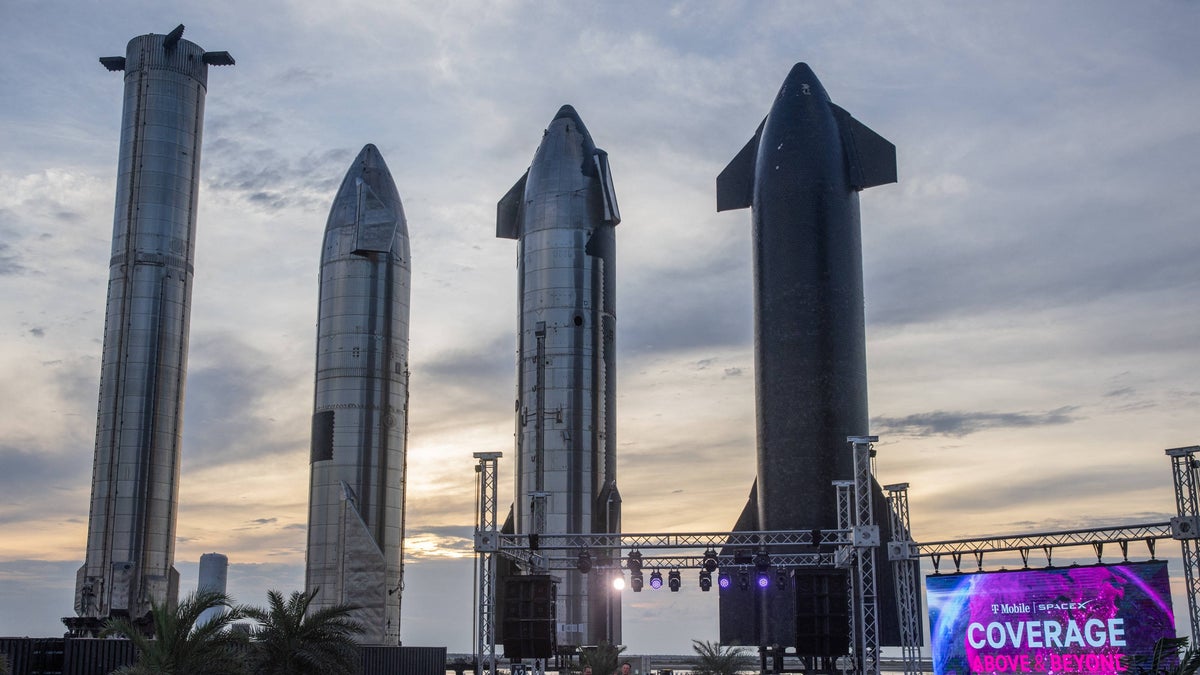
Recently rebranded from Direct to Cell to Starlink Mobile, the system is set for a massive upgrade via next-generation V2 satellites. Equipped with custom-built chips and advanced phased-array antennas, these next-gen satellites can handle 20 times the traffic of their predecessors.Current satellite speeds lag behind traditional networks and Starlink Mobile V2 aims to bridge the gap. SpaceX claims the new hardware will deliver high-speed connectivity capable of supporting video calls, podcasts, and remote work.
The transition between satellite and terrestrial networks will be seamless, maintaining a steady connection without service drops.
Two orders of magnitude improvement in Direct to Cell (now called @Starlink Mobile) for V2. Huge improvement and amazing forthcoming work by the Starlink team.
Ben Longmier, Senior Director of Satellite Engineering of SpaceX, March 2026
A huge leap
Phones subscribed to the service, which is free on T-Mobile‘s premium plans and also available to AT&T and Verizon users, connect automatically to a satellite when they lose terrestrial service. Customers can use their texting apps to send messages, but there can be a delay of up to 15 seconds. MMS and location sharing are also supported.
T-Mobile has also optimized some apps to work with the service, but data speeds are slow, and capacity is limited.
With the upcoming changes, the experience will be on par with 5G.
Maintaining the lead
SpaceX’s rival, AST SpaceMobile, aims to launch its satellite service this year with peak data rates of 120 Mbps. AT&T has thrown shade at T-Mobile by saying it will be able to provide better service.
However, with SpaceX leveling up, T-Mobile will likely continue to have an edge over its rivals.