




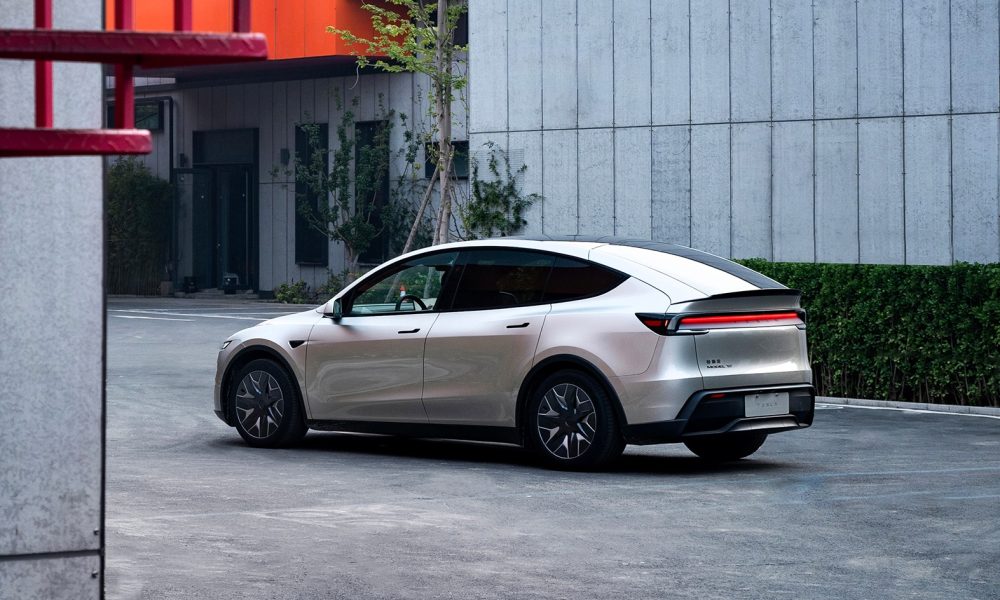
Tesla launched a new configuration of the Model Y this week, bringing more complexity to its lineup of the vehicle and adding a new, lower entry point for those who require an All-Wheel-Drive car.
However, the broadening of the Model Y lineup in the United States could signal a somewhat uncomfortable reality for Tesla fans and car buyers, who have been vocal about their desire for a larger, full-size SUV.
Tesla has essentially moved in the opposite direction through its closure of the Model X and its continuing expansion of a vehicle that fits the bill for many, but not all.
Tesla brings closure to Model Y moniker with launch of new trim level
While CEO Elon Musk has said that there is the potential for the Model Y L, a longer wheelbase configuration of the vehicle, to enter the U.S. market late this year, it is not a guarantee.
Instead, Tesla has prioritized the need to develop vehicles and trim levels that cater to the future rollout of the Robotaxi ride-hailing service and a fully autonomous future.
But the company could be missing out on a massive opportunity, as SUVs are a widely popular body style in the U.S., especially for families, as the tighter confines of compact SUVs do not support the needs of a large family.
Although there are other companies out there that manufacture this body style, many are interested in sticking with Tesla because of the excellent self-driving platform, expansive charging infrastructure, and software performance the vehicles offer.
Additionally, the lack of variety from an aesthetic and feature standpoint has caused a bit of monotony throughout the Model Y lineup. Although Premium options are available, those three configurations only differ in terms of range and performance, at least for the most part, and the differences are not substantial.
Minor Expansions of the Model Y Fail to Address Family Needs for Space
Offering similar trim levels with slight differences to cater to each consumer’s needs is important. However, these vehicles keep a constant: cargo space and seating capacity.
Larger families need something that would compete with vehicles like the Chevrolet Tahoe, Ford Expedition, or Cadillac Escalade, and while the Model X was its largest offering, that is going away.
Tesla could fix this issue partially with the rollout of the Model Y L in the U.S., but only if it plans to continue offering various Model Y vehicles and expanding on its offerings with that car specifically. There have been hints toward a Cyber-inspired SUV in the past, but those hints do not seem to be a drastic focus of the company, given its autonomy mission.
Tesla appears to be mulling a Cyber SUV design

Model Y Expansion Doesn’t Boost Performance, Value, or Space
You can throw all the different badges, powertrains, and range ratings on the same vehicle, it does not mean it’s going to sell better. The Model Y was already the best-selling vehicle in the world on several occasions. Adding more configurations seems to be milking it.
The true need of people, especially now that the Model X is going away, is going to be space. What vehicle fits the bill of a growing family, or one that has already outgrown the Model Y?
Not Expanding the Lineup with a New Vehicle Could Be a Missed Opportunity
The U.S. is the world’s largest market for three-row SUVs, yet Tesla’s focus on tweaking the existing Model Y ignores this. This could potentially result in the Osborne Effect, as sales of current models without capturing new customers who need more seating and versatility.
Expansions of the current Model Y offerings risk adding production complexity without addressing core demands, and given that the Model Y L is already being produced in China, it seems like it would be a reasonable decision to build a similar line in Texas.
Listening to consumers means introducing either the Model Y L here, or bringing a new, modern design to the lineup in the form of a full-size SUV.


