




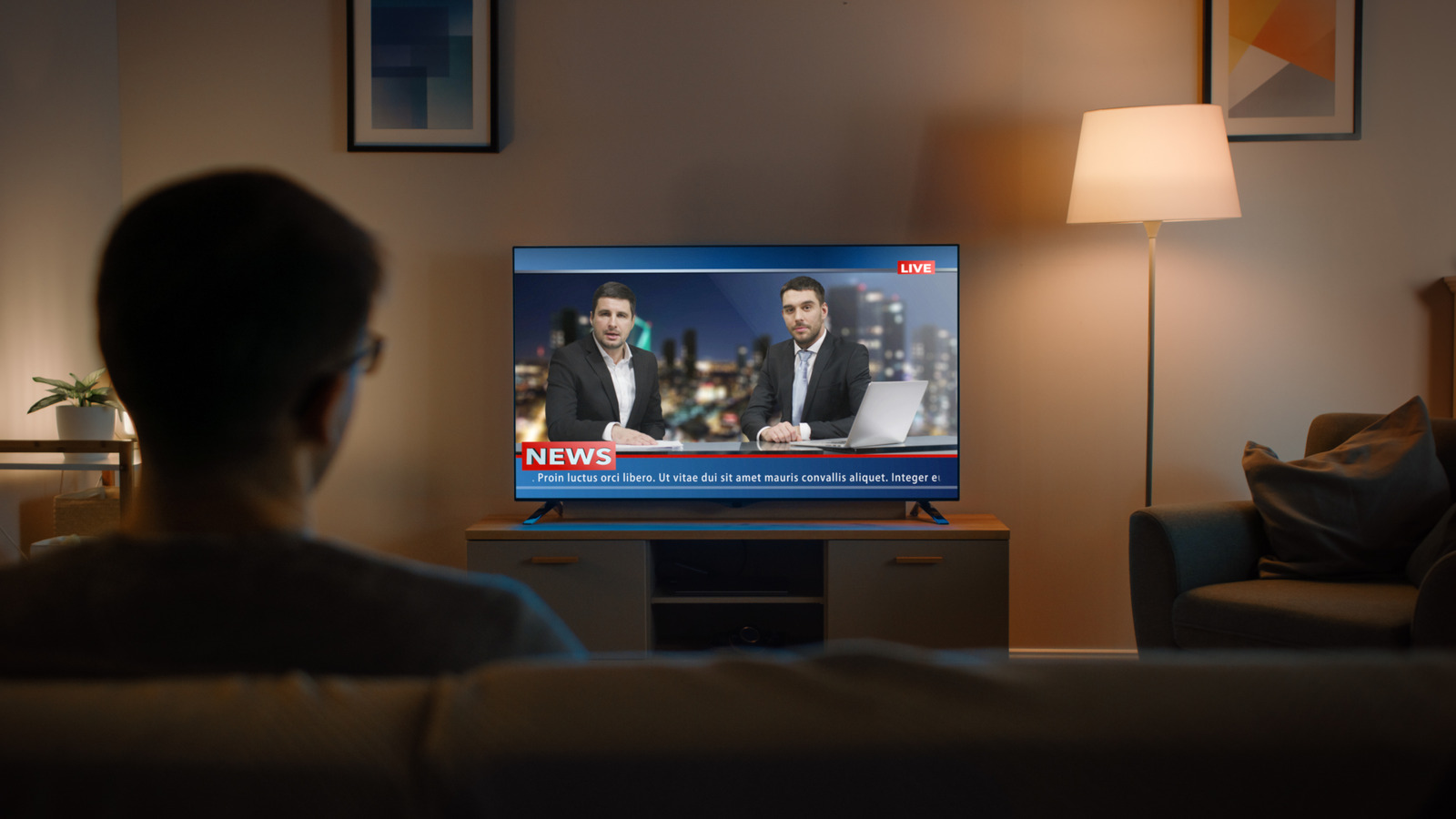
Pretty much everyone understands that, through data tracking measures, your smart TV is spying on you and what you watch. Realistically, it’s not the only device or platform where that happens. What’s more alarming, at least according to a Texas lawsuit, is that allegedly it’s being done without your consent. Texas Attorney General Ken Paxton is suing five television companies – Sony, Samsung, LG, Hisense, and TCL — claiming that these manufacturers are using ad-targeted spyware to record what viewers watch. The suit claims that, via Automated Content Recognition (ACR) technology, companies “capture screenshots of a user’s television display every 500 milliseconds,” to record what they’re watching or doing. Then, TVs “transmit that information back to the company without the user’s knowledge or consent.”
You might recognize ACR as the tech that allows companies to monitor what you watch on devices plugged into your TV’s HDMI ports. The Texas suit also alleges that TV companies sell the information they collect to “target ads across platforms for a profit.” But in the interest of that profit, these companies stand accused of putting user privacy and sensitive information at risk. “This conduct is invasive, deceptive, and unlawful,” says Paxton. He also makes it clear that people’s “fundamental right to privacy” will be protected in the state. While “Big Tech” is mentioned, Paxton explicitly discusses companies “connected to the Chinese Communist Party,” who should “have no business illegally recording Americans’ devices inside their own homes.” He also points out that Hisense and TCL are based in China.
Due to violations of the Texas Deceptive Trade Practices Act, the AG is seeking damages up to $10,000 for each violation, and up to $250,000 for violations that affect people aged 65 or older. The state is also indicating interest in restraining orders to prohibit data collection, selling, and sharing while the lawsuits are pending.
What do these lawsuits mean for user privacy?


While many TV manufacturers allow you to turn off personalized ads and data collection, to some degree, the Texas lawsuit against LG claims the company “deceptively guides consumers to activate ACR.” It also “buries” explanations of the technology, what it does, or what it means “in dense legal jargon that few will read or understand,” making the consent process effectively “meaningless.” The Sony, Samsung, Hisense, and TCL suits also use identical language. All five companies collect “far more data than necessary” for normal operation of the TVs, per the suits.
As for the outcome, time will tell. If Paxton is awarded the win, and the related companies are fined, it could force the named manufacturers to take drastic measures to change how data collection and usage is handled across modern smart TVs. That would be good news for user privacy advocates — and could be perceived as a win for most Americans, not just Texans.
In the meantime, if you own a smart TV from one of these brands (or most others), there are ways to prevent your smart TV from spying on your activities. Turning ACR and personalized ads off, specifically, is your best bet: It’s just a matter of finding where those options are hidden in the device menus. Bear in mind, spying activity is also happening in web browsers, and apps like Microsoft Teams are also introducing spy-like functionality. Your phone and other smart devices can also be a vector for malicious actors to pry into your private data. You can use a VPN (virtual private network) to protect some of your data and preserve your privacy, but it also helps to look up data collection measures, and policies, attached to all platforms and devices you use regularly.


