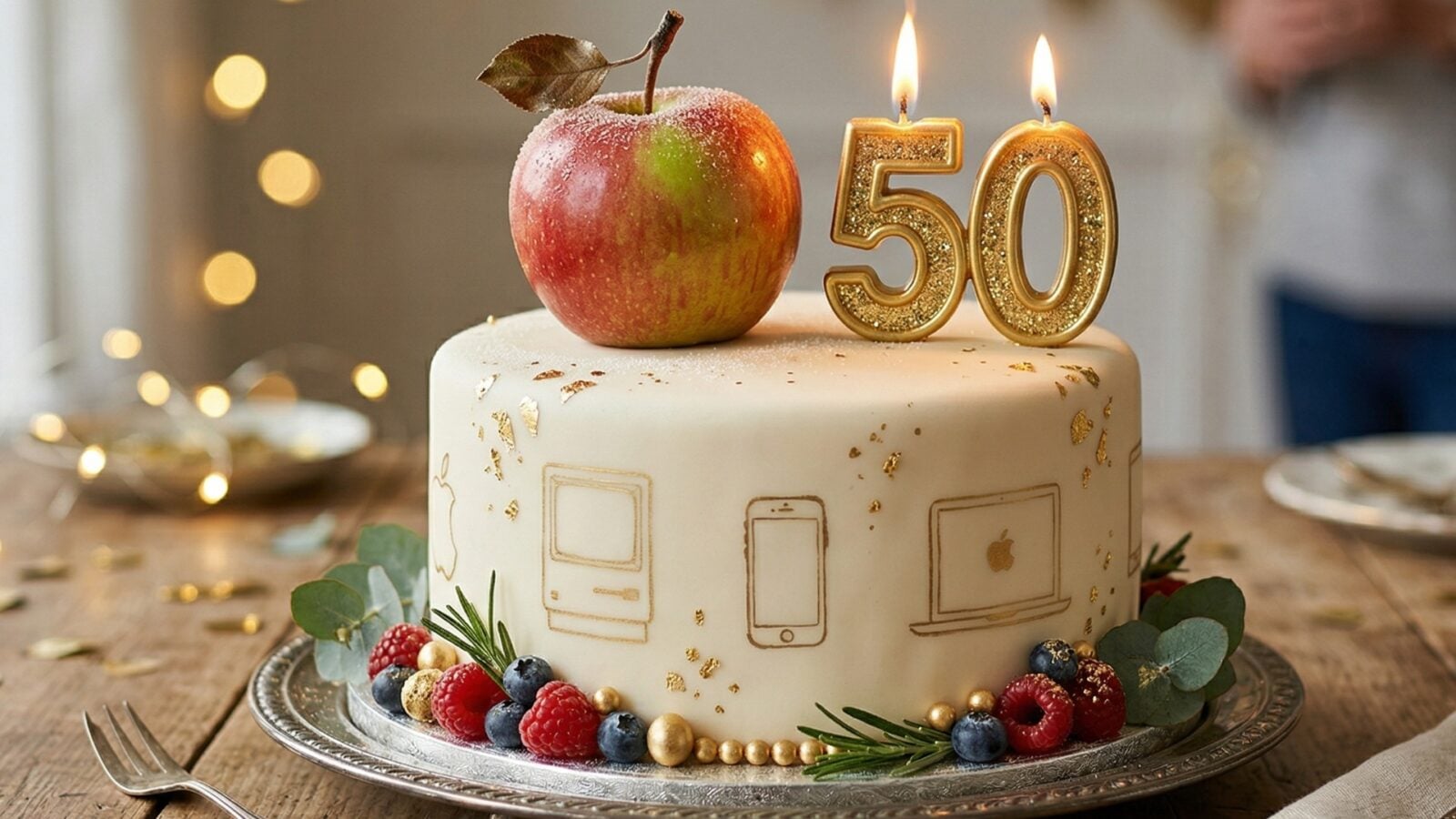
Fifty years is both short and endless for a technology company. The time of a human existence in a sector where decades resemble centuries. Apple not only survived, it killed industries, founded new ones, came close to bankruptcy twice, and imposed its aesthetic on the entire world. A look back at five decades and five products that changed everything.
Garages on Wall Street: the genesis of a myth
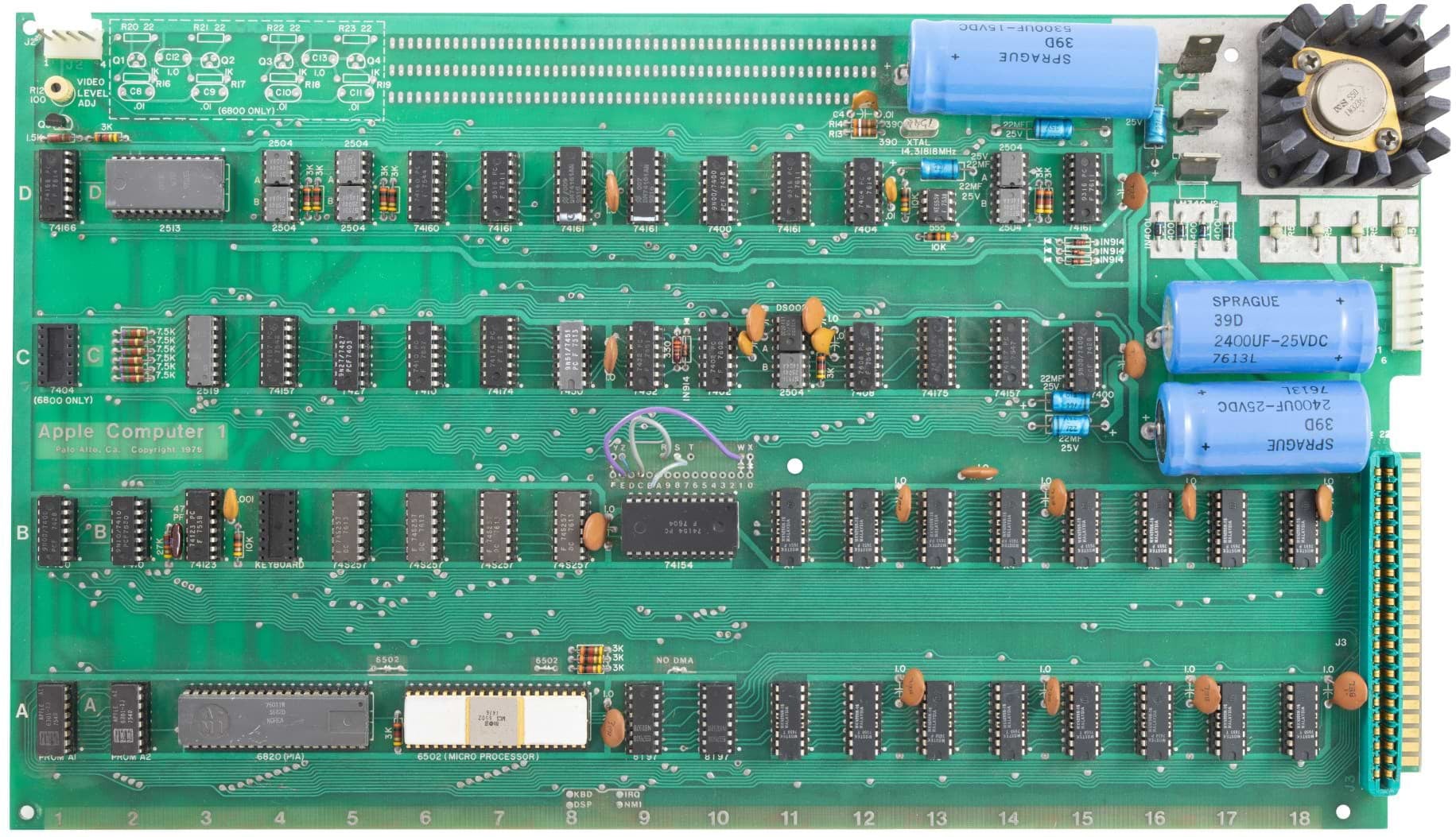
Steve Jobs, Steve Wozniak and Ronald Wayne founded Apple Computer on April 1, 1976. The date makes you smile. Wozniak, the true technical genius of the trio, has already designed the Apple I in his head, a motherboard sold bare, without case or keyboard, intended for hobbyists. 200 units at $666.66 each. The company is built on a product that no one really asked for.
The Apple II, in 1977, changed the situation. It was the first personal computer sold with a case, keyboard and color output. It enters American homes, then classrooms. The VisiCalc spreadsheet, launched in 1979, transformed it into a professional tool. Apple went public in December 1980, shares opened at $22, and in a matter of hours the company became one of the most lucrative IPOs in Wall Street history. Jobs is 25 years old.

1984: the Macintosh, or when an ad changed everything
On January 22, 1984, during the Super Bowl, Apple broadcast an advertisement directed by Ridley Scott. A woman in red runs into a room where people in gray are watching a screen broadcasting Big Brother propaganda. She throws a hammer. The screen explodes. The next day, the Macintosh was introduced to the world. Reality rarely surpasses fiction, but on this day it came close.
The Macintosh inaugurates the graphical interface for the general public: mouse, icons, windows. It borrows ideas from the Xerox Alto, which Jobs and his team were allowed to visit in exchange for Apple stock, a deal Xerox never really profited from. The Mac is slow, expensive ($2,495, or about $7,500 in today’s money) and its hard drive is optional. It still sells, because it makes it feel like the future has already begun.
But Jobs was thrown out of Apple in 1985, after a conflict with CEO John Sculley, whom he himself recruited. The company then entered what historians of the sector modestly call its “years of crossing the desert”.

Subscribe to WorldOfSoftware
1985-1997: exile and near-bankruptcy
Without Jobs, Apple makes a series of strategic errors. The range is fragmenting, prices remain high, the operating system is aging poorly compared to Windows. Market share is collapsing. In 1997, Apple was a few weeks away from bankruptcy, this was Jobs’s own estimate, formulated after his return. Cash flow is exhausted, projects pile up without coherence, and Microsoft dominates the market with a brutality that no one really disputes.
Apple is buying NeXT, the company Jobs founded after his departure, for $427 million. The official pretext is technical, Apple wants to recover a modern operating system. The real reason is to repatriate Jobs. He returns first as an advisor, then takes the reins without his title of CEO being formalized for months. His first decision was to call Bill Gates and ask him for $150 million in investment. Microsoft accepts, in exchange for a cross-licensing agreement!


1998: the iMac G3, or color as a manifesto
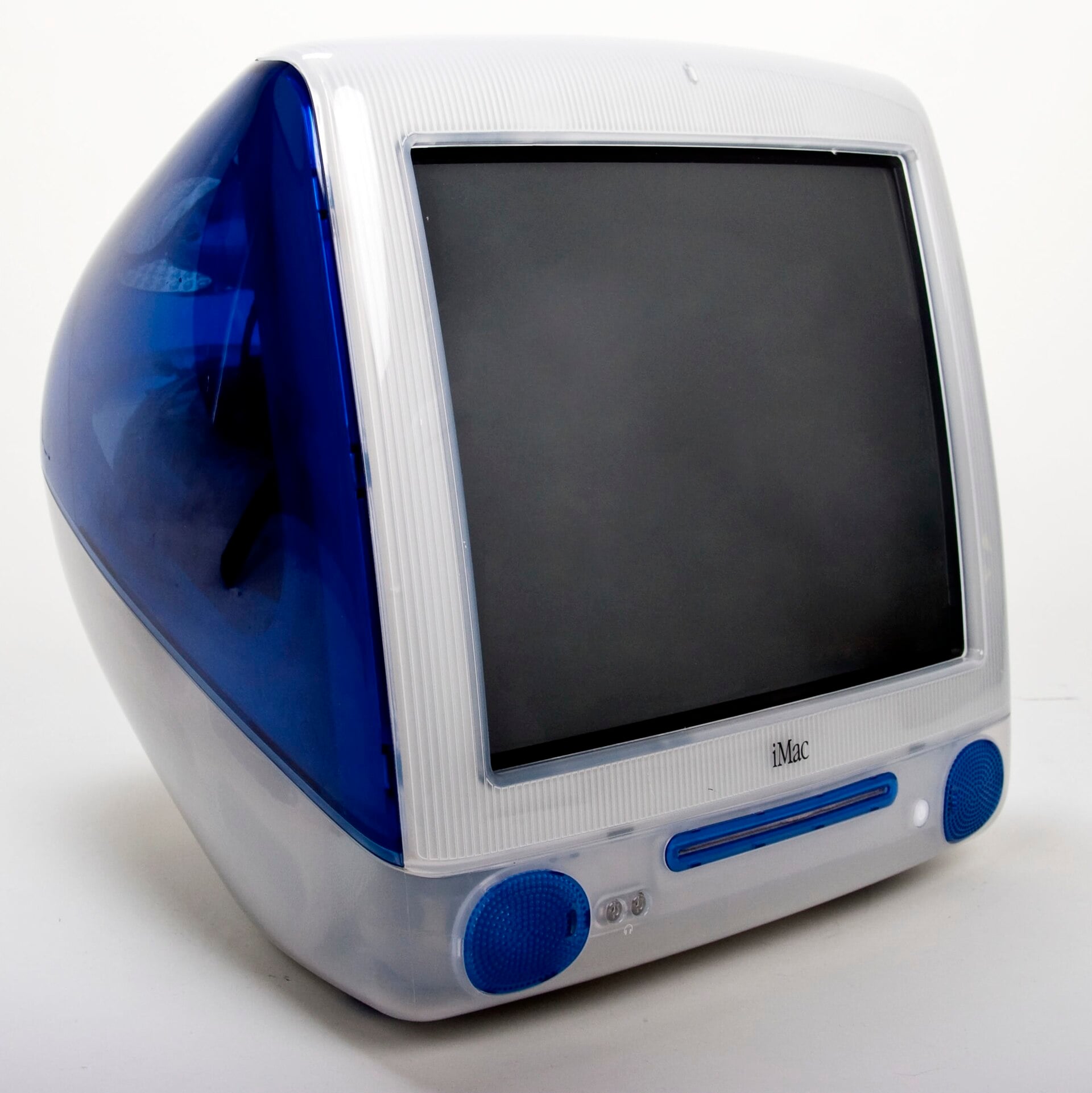
When the iMac G3 appeared in 1998, it was translucent blue. Not beige. Not gray. Translucent blue with an integrated cathode ray screen, a design by Jony Ive, and the slogan “Think different” in the background. Apple no longer just sells a computer, it sells a belonging. The iMac does without a floppy disk drive, Jobs deletes dead formats without warning, and puts everything on USB, which was not very common at the time. Peripheral manufacturers are adopting USB in droves. Apple sets a standard by creating demand.
In six weeks, the iMac sold 278,000 units. Apple becomes profitable again. Ive and Jobs found a common language that would define the aesthetic of the following decade. Color, transparency, form before function, but never at the expense of function. This is the beginning of a doctrine.

2001-2003: the iPod and iTunes reshape the music industry
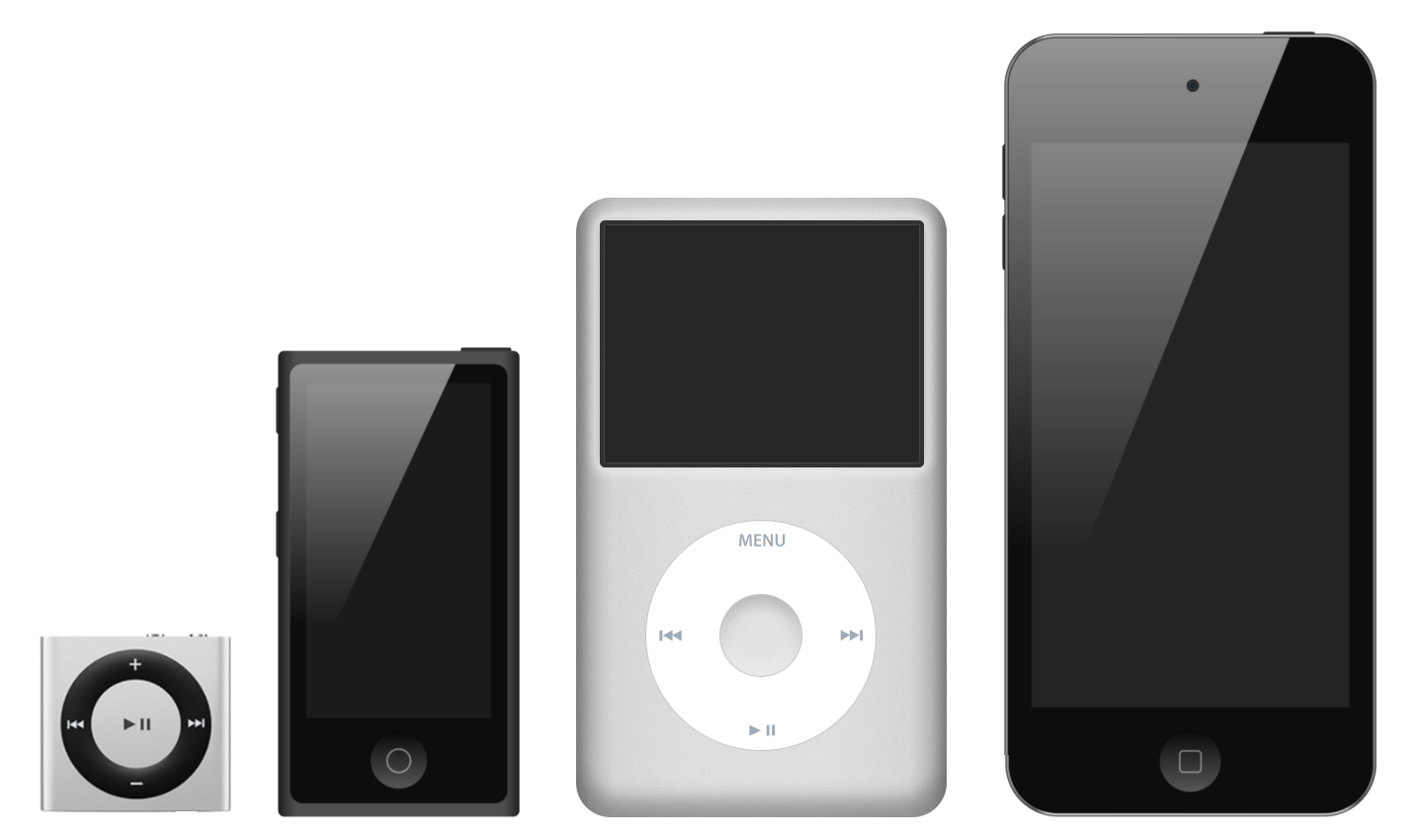
In October 2001, Jobs introduced the iPod with a phrase that went down in history: “1,000 songs in your pocket.” The device costs $399, which is expensive. It is reserved for Macs, which is restrictive. And it looks absolutely stunning, with its steel wheel and sleek interface.
But the iPod alone is not enough. In 2003, Apple launched the iTunes Music Store: $0.99 per song, catalog of 200,000 titles upon opening, agreement signed with the five music majors. In two years, iTunes became the leading music distributor in the United States, ahead of Walmart. Record companies gave up their digital rights in the belief that they would contain piracy. They actually ceded control of their distribution to a Californian IT company. The industry never really recovered.

2007: the iPhone, the absolute breakthrough
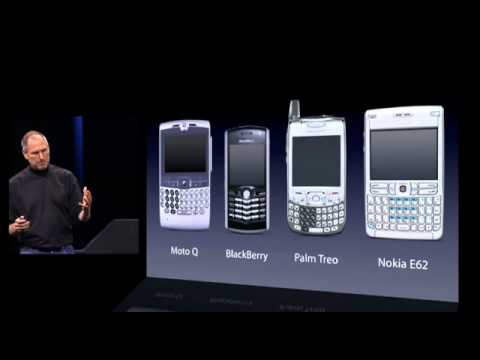
On January 9, 2007, Jobs took the stage and announced that Apple would release “a revolutionary phone.” He takes out of his pocket a rectangle of glass and aluminum without a physical keyboard. In the room, executives from Nokia, Motorola and RIM applaud politely. Two years later, most are trying to catch up that they will never catch up on.
The iPhone did not invent the smartphone, it had existed for years in various forms. He invents the desirable, usable smartphone structured around a fluid tactile experience. Its ARM processor, its multi-touch capacitive screen, and its operating system from the Mac make it a pocket computer at a time when no one yet thought in these terms. The App Store, launched in 2008, created a $1 trillion economy in fifteen years. Developers create the products, Apple receives 30% of each transaction. The model is contested, regulated, challenged in court, and still in place.
Today, the iPhone represents around 50% of Apple’s annual turnover, or between 180 and 200 billion dollars depending on the year!
2011-2026: the Cook era, between growth and criticism
Steve Jobs died on October 5, 2011. Tim Cook, his successor, is not a visionary, he says so himself. He is an operational person, a logistician, the man who transformed Apple’s supply chain into a decisive competitive advantage. Under his leadership, capitalization increased from 350 billion to 3,000 billion dollars. Criticisms of missing innovation have been piling up since 2013, but the financial results speak for themselves.
The Apple Watch (2015), AirPods (2016), Apple Silicon (2020) and Vision Pro (2023) are the big releases of the Cook era. None caused the iPhone to break up, but all built or strengthened markets. Apple Silicon, in particular, marks the definitive move to in-house ARM processors, a decision that repositions Apple as one of the most efficient chipmakers in the world, ahead of giants like Intel on power per watt.
At 50 years old, Apple is less a technology company than a closed, integrated system, profitable to a degree that industrial history has never before documented. Its net profit margins regularly exceed 25%, in a sector where 10% is already considered performance.


What Apple’s History Really Teaches Us
Five products, two falls, two resurrections, and a man whose absence paradoxically nourished the myth as much as his presence. Apple’s trajectory is too singular to draw universal lessons from it; you don’t reproduce Jobs, you don’t recreate 1984 or 2007 by deciding to do so.
What we can say, however, is that Apple has never been the first in its markets. Not on personal computers, not on music players, not on phones. She simply decided, repeatedly, to do things with a level of care that her competitors deemed superfluous. This decision, repeated over fifty years, produced one of the most profitable companies in history.
The question for the next fifty years (artificial intelligence, spatial reality, connected health) is whether this discipline is a question of culture or of people. And if it survives those who founded it.

🟣 To not miss any news on the WorldOfSoftware, follow us on Google and on our WhatsApp channel. And if you love us, .