Robert Triggs / Android Authority
Everyone from Google and Samsung to OnePlus and Xiaomi made headlines at some point in 2025. Most of these headlines were expected, such as Samsung’s conservative Galaxy S25 series and the well-received Pixel 9a.
However, 2025 also saw more than its fair share of headlines that were simply hard to believe. So with that in mind, we’re taking a look at some of the most unbelievable stories of the year.
What was the most unbelievable news story of 2025?
11 votes
1. Samsung downgrades the S Pen

Hadlee Simons / Android Authority
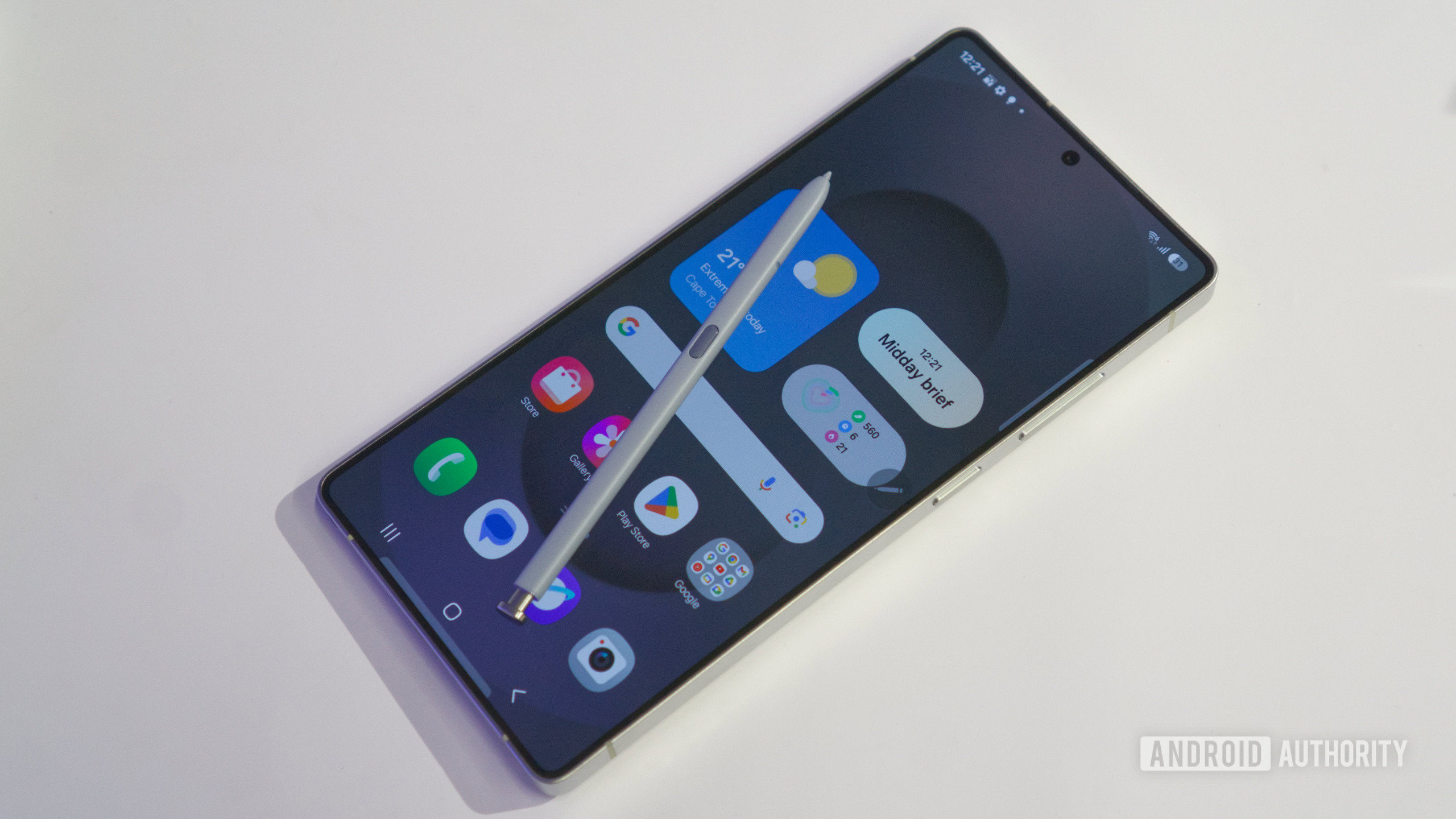
Samsung has offered the S Pen on the Galaxy Ultra line since 2022’s Galaxy S22 Ultra, and the accessory has been battling for space with the battery ever since. At this point, I thought the company’s only viable options were to double down on the S Pen’s importance or ditch it altogether.
It was an unexpected decision to me, as I thought Samsung would either retain the feature to appease Ultra fans or ditch it and use the extra space for other features (e.g., a bigger battery). But alas, we got this fence-sitting move.
2. The Pixel 10’s weird GPU choice

Robert Triggs / Android Authority
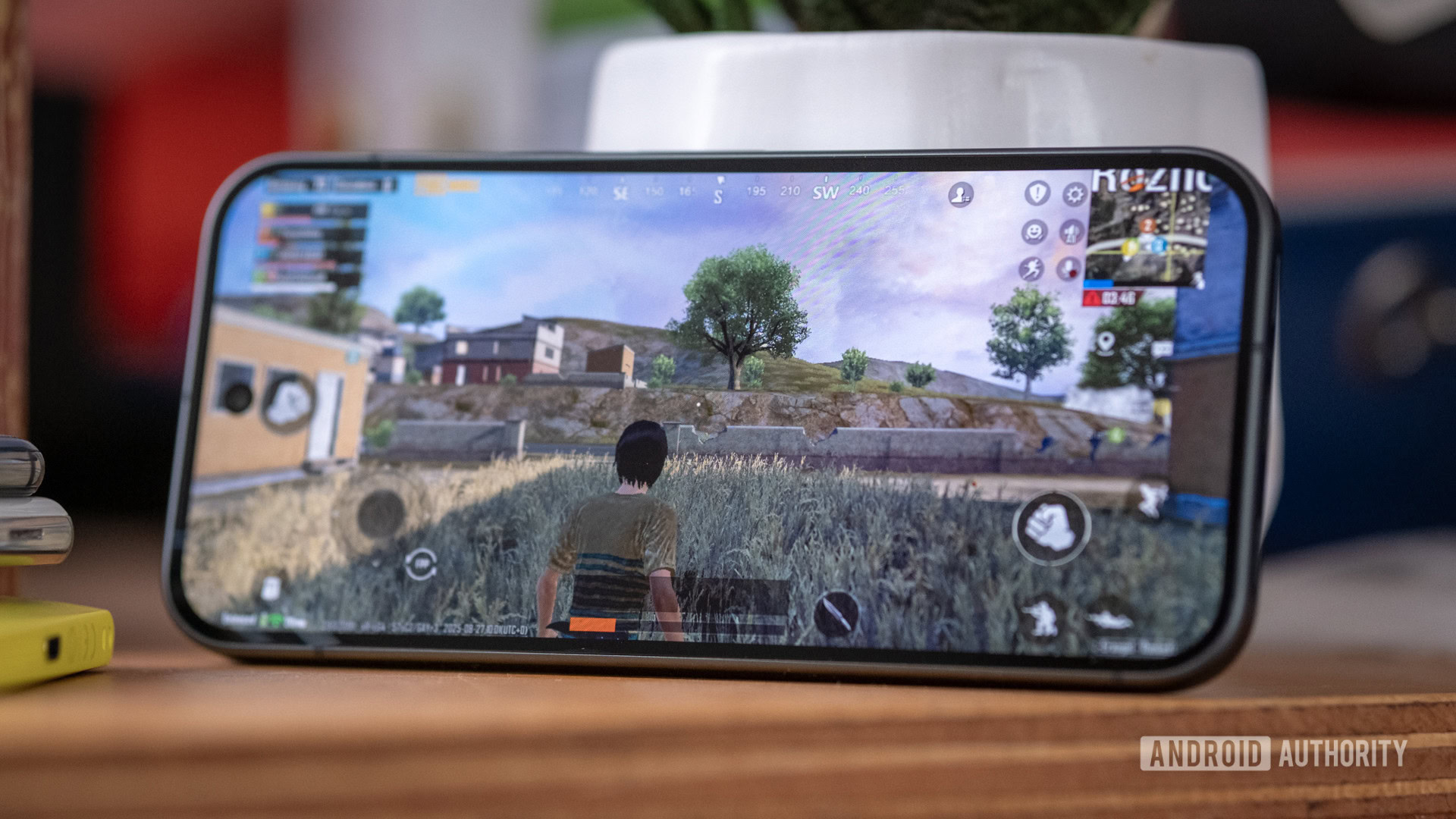
We exclusively reported in 2024 that the Pixel 10 series would have an IMG PowerVR DXT-48-1536 GPU, after years of using Arm’s popular Mali graphics. I expected this to be a downgrade for emulation, but this proved to be a downgrade in several ways for Pixel phones.
Our own Pixel 10 benchmarks revealed that the Tensor G5 processor had better peak GPU performance than the Pixel 9 and its Tensor G4 chip. However, the older phone offered more stable performance and lower temperatures in stress tests. Meanwhile, colleague Rob Triggs confirmed that the Pixel 10 was a disaster for emulation compared to the Pixel 9 series.
Of course, there’s more to a GPU than sustained performance and emulation. The good news is that the vast majority of games run just fine, if not better than on the Pixel 9 series, and recent GPU driver updates have improved performance. Still, we’re looking at a step back from 2024’s Pixels in a few ways. And it’s not like those older phones had top-tier silicon in the first place.
3. Google tries to kill sideloading, hobbles custom ROMs
Mishaal Rahman / Android Authority
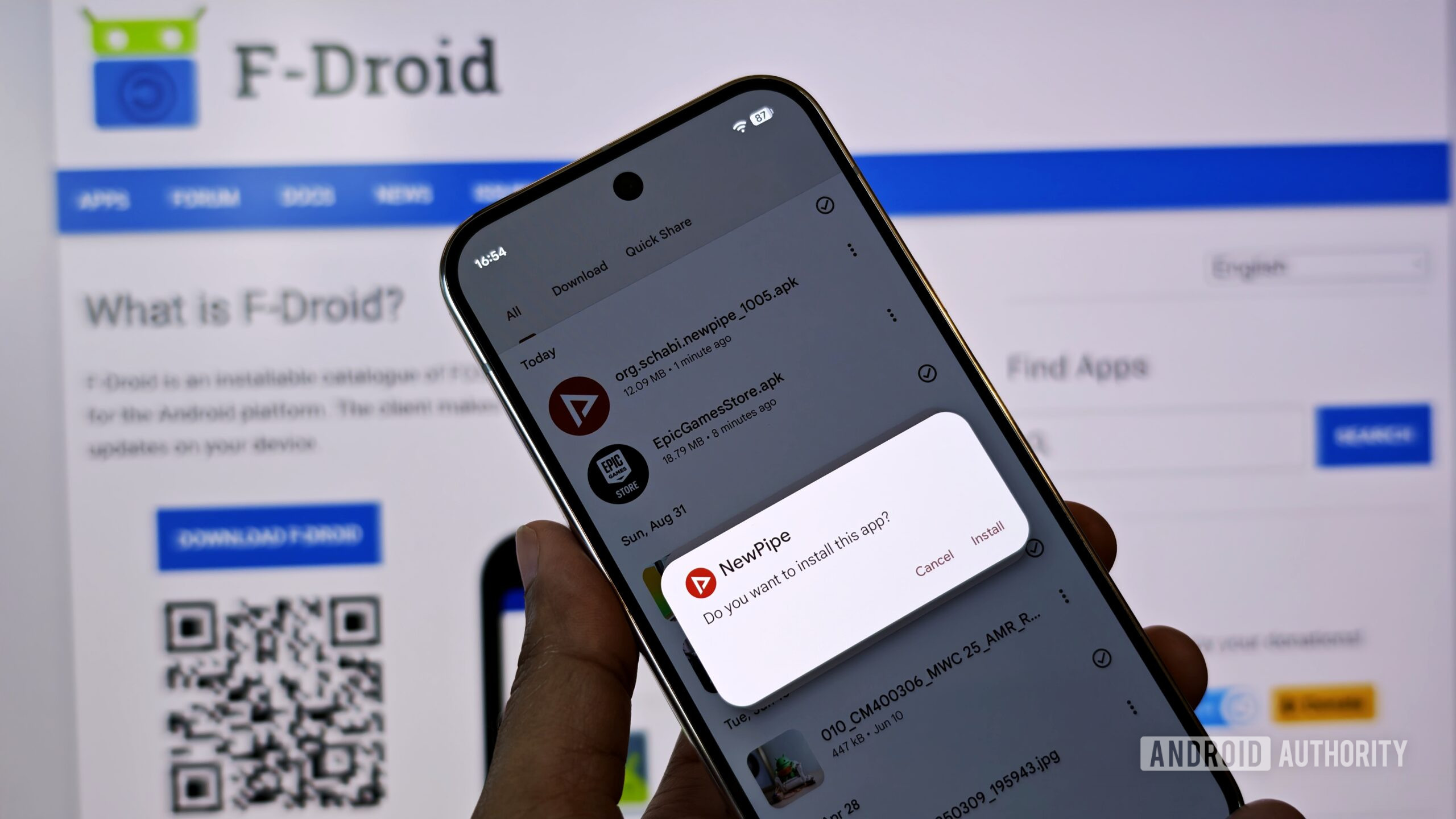
Google has long shown that it’s not afraid to ruffle a few feathers when it comes to the Android OS itself. Unfortunately, it ruffled the whole bird in 2025. For one, the company announced controversial changes to sideloading in August. More specifically, Google would verify the identities of Android app developers in a bid to thwart malware. This meant Android would bar users from installing apps by unverified developers, even if these apps were on alternative app stores.
This decision ignited a firestorm, and users criticized Google for trying to change one of Android’s key features. Alternative app store F-Droid sharply criticized the search giant for claiming that sideloading wouldn’t go away, as developers now need to have Google’s blessing in the first place (regardless of the app source). Thankfully, Google relented somewhat and announced a new “advanced flow” for users who want to install unverified apps in the first place.
This wasn’t the only time Google caught flak for changes to Android in 2025. The company also made technical changes to Android development that make it harder for developers to make custom ROMs on Pixel phones. It’s clearly getting harder and harder to tinker with your phone.
4. PS3 emulators hit Android

Hadlee Simons / Android Authority
One of my favorite stories of the year is also one of the most unexpected. A Chinese developer released the first PlayStation 3 emulator in early 2025, dubbed aPS3e, although there was some controversy over the source code. However, another team followed up with the RPCS3-Android emulator, which has effectively been renamed RPCSX-UI-Android.
This was an unforeseen turn of events because the PlayStation 3 is a technically demanding console to emulate on PC, let alone smartphones. I thought we’d be waiting a lot longer to see PS3 emulators on mobile.
To be fair, the most advanced games don’t work right now, so you aren’t going to play Killzone 2 or the Uncharted games. But I can still play 3D Dot Game Heroes and Afterburner Climax on an Android device. I would’ve called you delusional if you told me this a year ago.
5. Pixel battery defects

David Imel / Android Authority
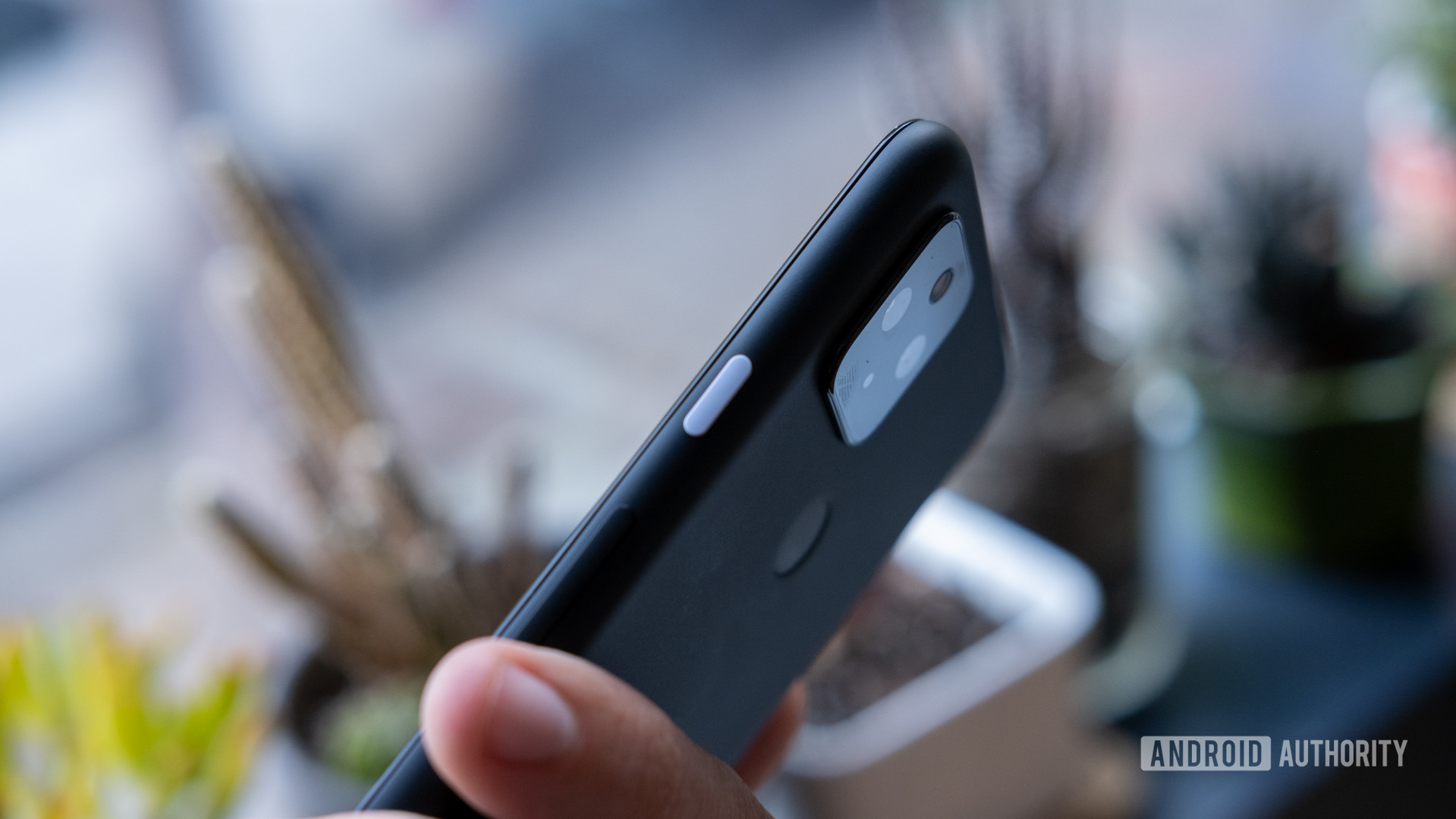
Another massive story in 2025 was the continued saga of Pixel phones experiencing battery issues. It started with the innocuously named Battery Performance Program update for select Pixel 4a models, which dramatically reduced battery life. Google offered compensation for affected users or a free battery replacement, but didn’t reveal the specific issue. Then the Australian consumer watchdog issued an alert, finally revealing that some Pixel 4a units were at risk of overheating batteries.
Don’t want to miss the best from Android Authority?


It didn’t end here. Some Pixel 6a units also received this battery-nerfing update due to defective batteries, prompting the Australian and UK consumer watchdogs to post alerts. We even saw reports of at least five Pixel 6a fires that may have been due to this issue. Google also acknowledged that some Pixel 7a units have battery swelling problems, prompting the company to offer a free battery replacement.
Google’s questionable battery practices extended to new phones. The firm announced that its Battery Health Assistance (BHA) feature is now mandatory on the Pixel 9a and Pixel 10 series. This “feature” throttles battery capacity and charging speed over time on top of regular battery degradation. I could understand one defective device, but the sheer number of affected phones, Google’s BHA feature, and the lack of transparency in general made for a deeply concerning and unexpected story.
6. Samsung has the world’s lightest (and thinnest?) foldable
C. Scott Brown / Android Authority
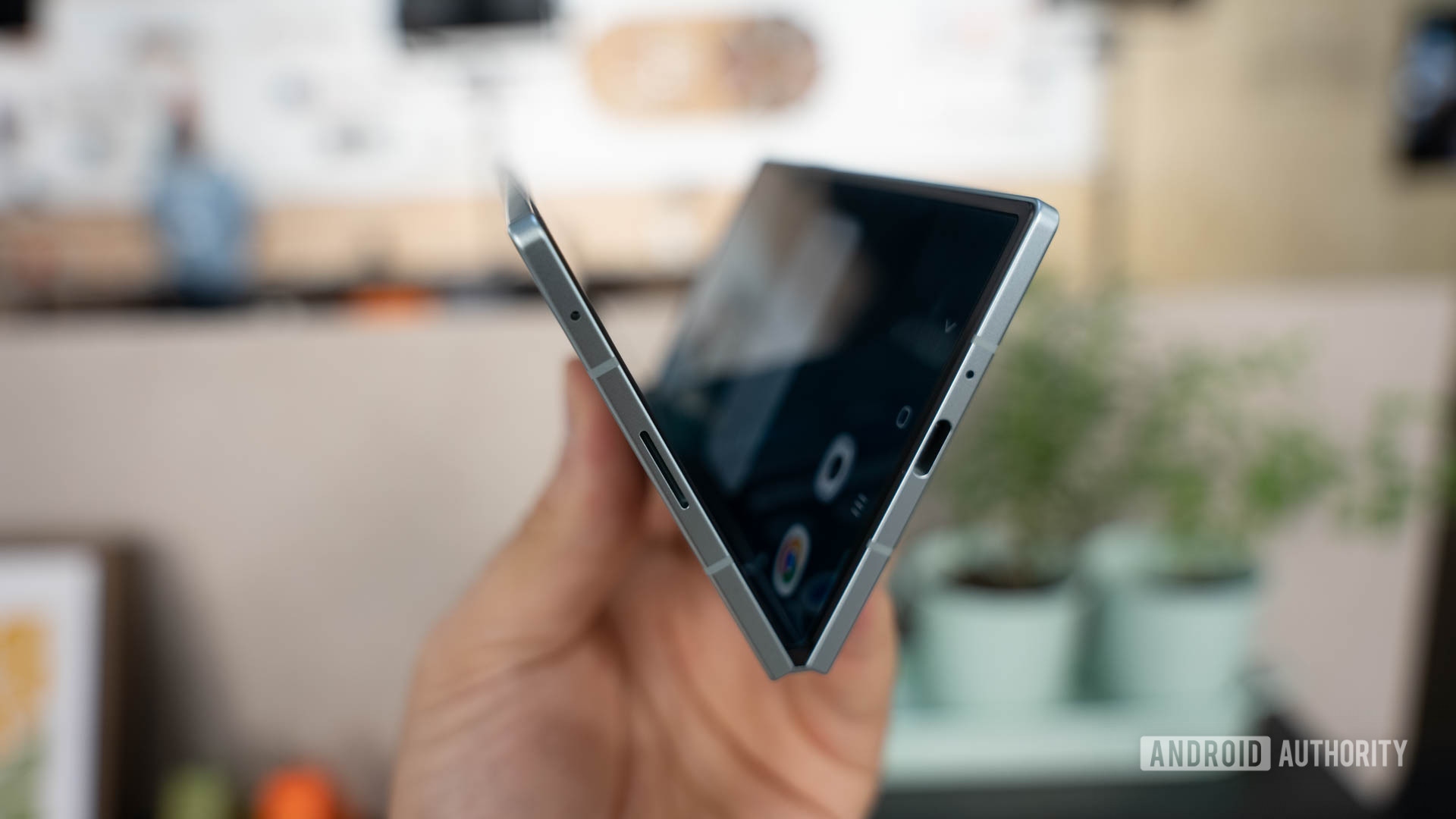
Samsung’s previous Galaxy Z Fold models have all been very chunky and relatively heavy compared to the competition. So if you told me a year ago that the Galaxy Z Fold 7 would be the lightest and thinnest book-style foldable, I wouldn’t have believed you.
But that’s almost exactly what happened with the Galaxy Z Fold 7, as it’s the lightest Fold device on the market. In fact, Samsung’s phone might also be the thinnest Fold on the market because rival brands use dubious measurement methods. Will Samsung bring this same magic to the Galaxy S26 series? I’m not counting on it.
7. Google offers the world’s first IP68 foldable
Joe Maring / Android Authority
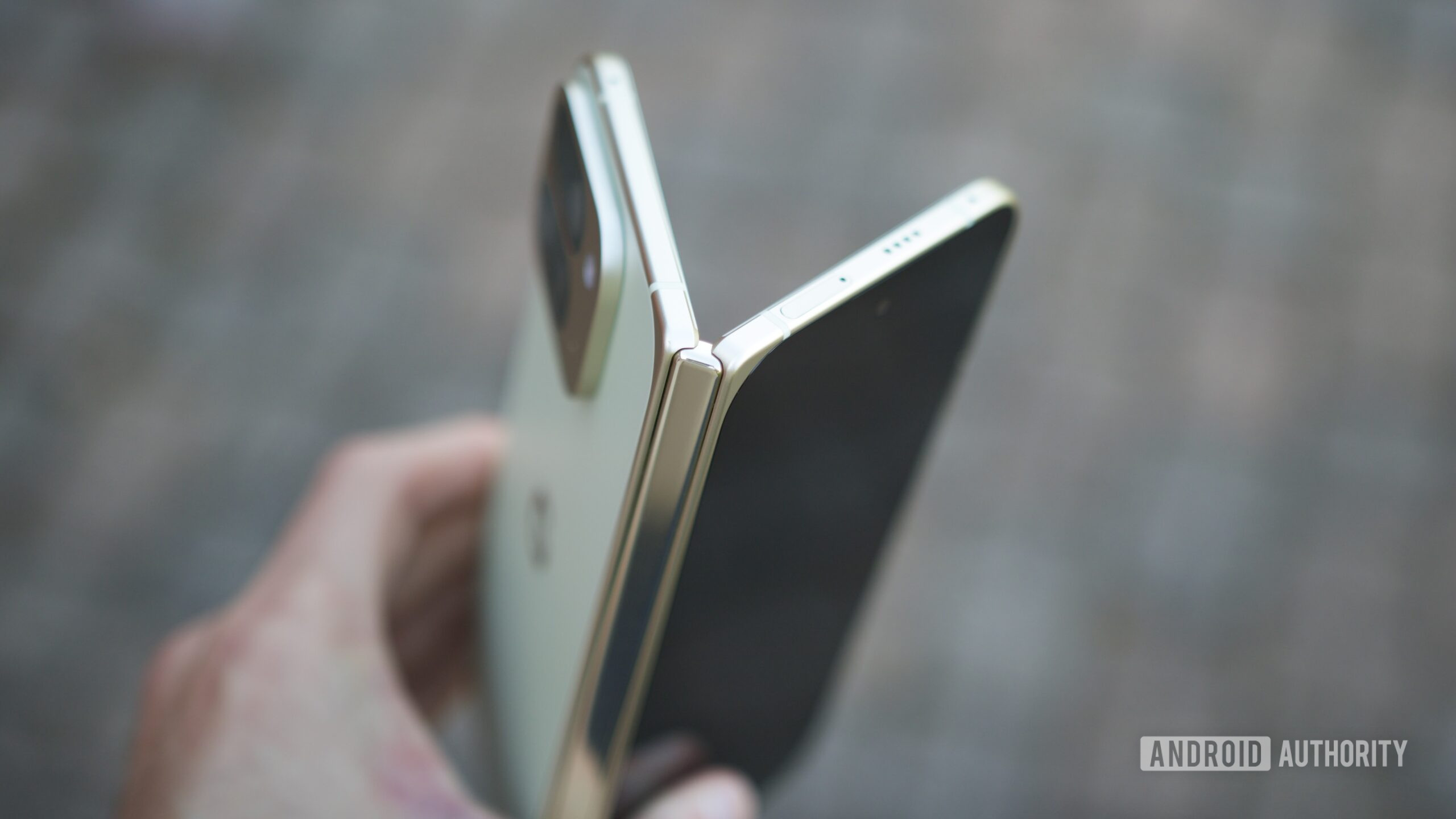
I expect Google to be first with new software tricks, but I don’t think of the Pixel maker as a hardware innovator. So color me shocked when it emerged that the Pixel 10 Pro Fold was the world’s first foldable phone with an IP68 rating for dust and water resistance. Not Samsung, Xiaomi, HONOR, or vivo, but Google. Yes, this durability rating came at the expense of a thin design, but it’s still a huge achievement for foldable phones.
Google also became the second Android brand to offer Qi2 magnets in its phones with the Pixel 10 series. By contrast, phones like the Galaxy S25 Ultra and OnePlus 13 required a separate case if you wanted to use magnetically attached chargers and accessories. Furthermore, the Pixel 10 Pro Fold was the first foldable phone with Qi2 magnets.
The company’s hardware innovation also extended to other product lines, as it made the Pixel Watch 4 and Pixel Buds 2a repairable. This was particularly great news for the Pixel Watch 4, as previous Pixel Watches couldn’t be repaired at all. Seriously.
8. The OnePlus 13 is our phone of the year
Joe Maring / Android Authority
OnePlus generally produces good or even great flagship phones, but these devices often fall behind their rivals in terms of camera quality and/or IP ratings. You only need to take a look at the OnePlus 11 and 12 for proof of this.
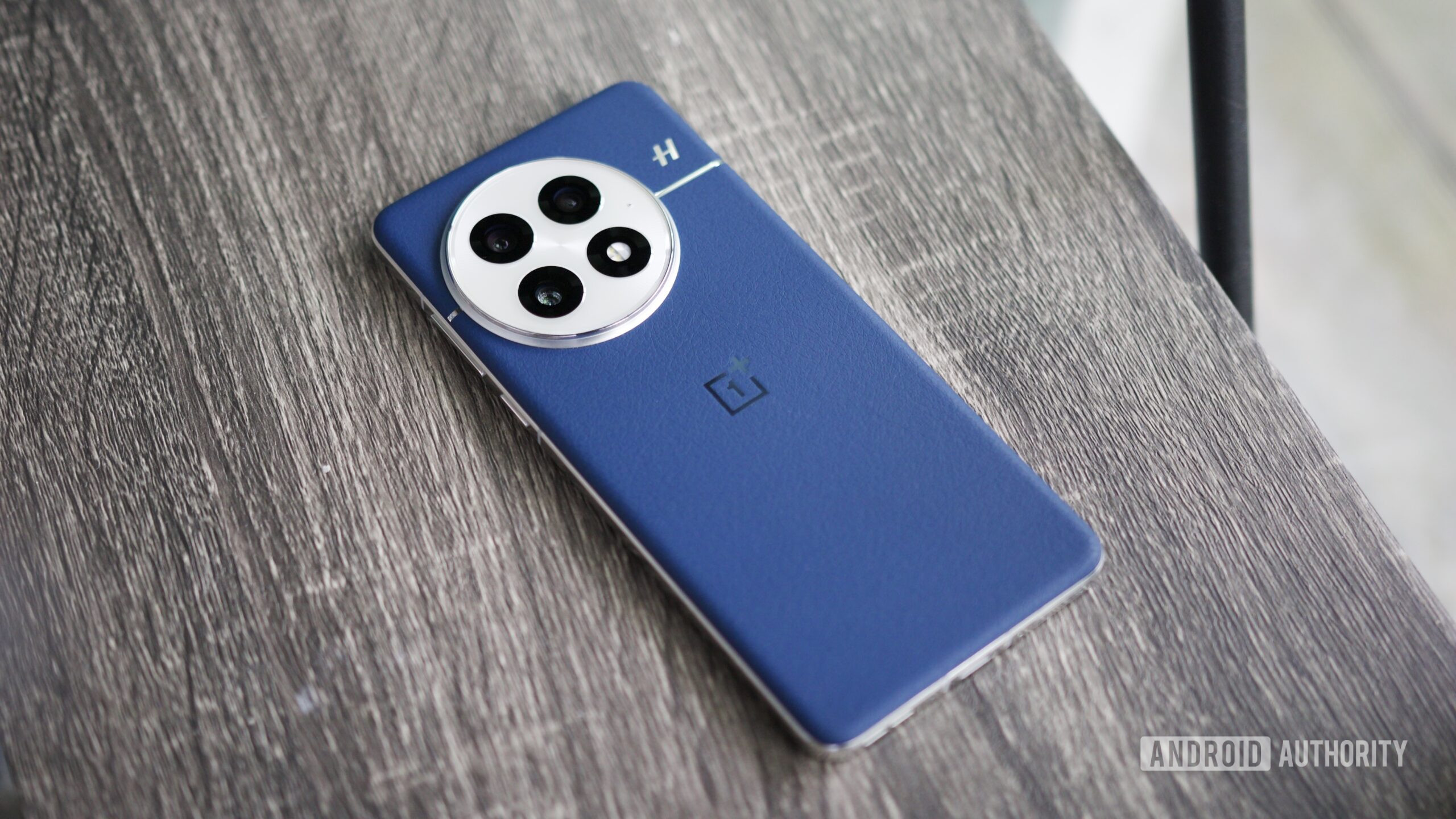
Color us surprised with the OnePlus 13, then. Colleagues Ryan Haines and C Scott Brown both praised the phone when it was launched globally in January 2025. In fact, Scott said in April that this was already his phone of the year.
Better yet, we collectively picked the OnePlus 13 as our Android Authority phone of the year, breaking several years of Pixel dominance. We really couldn’t have predicted this back in January. It’s just a shame that the OnePlus 15 upped the battery ante but delivered a compromised camera experience.
9. 7,000mAh+ phones go mainstream
Paul Jones / Android Authority
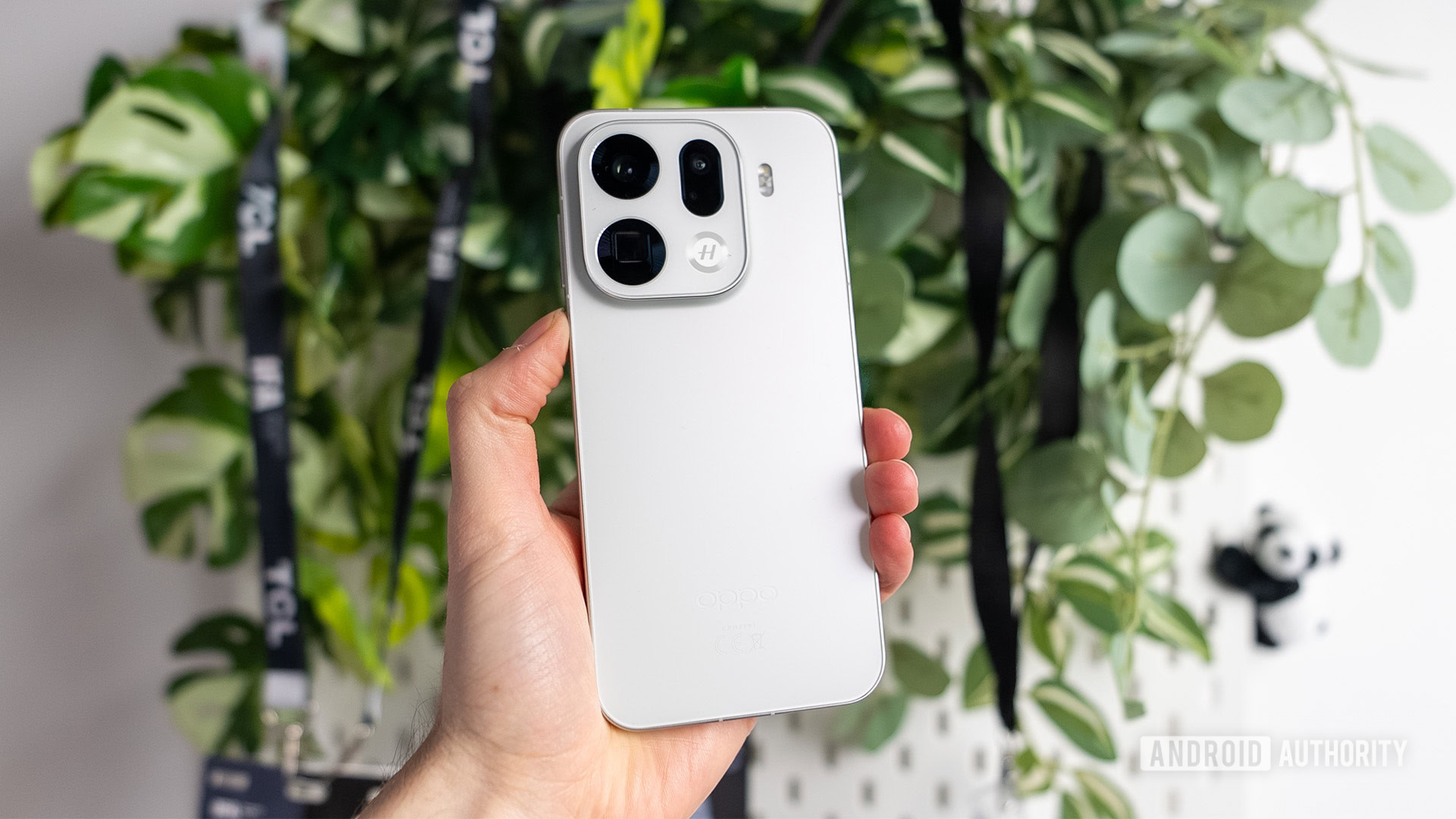
I’ve been tracking the development of silicon-carbon batteries for a while now, and 2025 was the first year when the tech was embraced by a variety of phone makers. This technology enables more capacity for the same physical battery size or a smaller physical size without affecting battery capacity. This resulted in high-end phones with 5,500mAh to 6,500mAh batteries, like the OnePlus 13, vivo X200 Pro, realme GT7 Pro, and OPPO Find X8 Pro.
What I didn’t foresee was that smartphone makers would quickly and dramatically increase the size of their flagship phone batteries. The OnePlus 15 features a 7,300mAh battery, while the realme GT8 Pro offers a 7,000mAh battery, and the OPPO Find X9 Pro boasts a 7,500mAh battery. I really expected many flagship phones to stick with 5,500mAh to 6,500mAh batteries for a while yet.
In saying so, Samsung and Google haven’t embraced silicon-carbon batteries just yet. So don’t be surprised if future Galaxy and Pixel handsets offer more pedestrian battery capacities.
Thank you for being part of our community. Read our Comment Policy before posting.