
When it comes to AI, there is a lot of confusion floating around. Artificial Intelligence has seen a meteoric rise, and with it, rumors, myths and confused beliefs are bound to follow.
But separating truth from fact can be a challenge. When you’re presented with a list of ideas about AI, how do you know which ones are completely factual and which ones are there to trip you up?
Conscious AI
With the improvements that we have seen from chatbots, it is no surprise that for a lot of people it feels like artificial intelligence is a living thing, something that can form its own thoughts and feelings.
You can even find that chatbots or artificial intelligence assistants will sometimes respond with things like “I think” or “I feel,” but these are just quirks of their learning patterns, and an attempt to seem more friendly.
In actuality, AI has no consciousness, intention or understanding. In fact, it is simply processing patterns in data and producing outputs based on probabilities and rules, not thoughts and feelings.
Learning as the humans do


As humans, when we learn something we do it by processing information and repeating that understanding until it becomes clear enough in our minds.
AI is slightly similar to this becuase it learns by analyzing massive amounts of data. Images, texts, numbers, audio, videos and more are fed into the system.
It is essentially making several guesses, then measuring how wrong it was, and adjusting itself to make better guesses over time.
This is done millions of times, until AI learns the patterns needed to answer different questions. It is a bit like the way Google’s Autocomplete works, learning what the most logical next word would be for an answer.
AI is always objective and unbiased
AI has no thoughts or feelings, and is essentially working on pattern recognition. So in theory, it is always objective and unbiased, right? Well, not necessarily.
It can be trained in a certain way, given objectives, or told to handle situations in a certain way. This can mean political leanings or a tendency to favor a certain belief, or simply in how it handles emotional input.
Where one AI might be overly sympathetic to your problems, another might go a different direction, being critical of you, attempting to help you solve your problems as a devil’s advocate.
Not to mention, there have been a number of times where different AI chatbots have been tinkered with, suddenly outputting strong opinions on certain subjects, or in the case of Grok, agreeing with conspiracy theories.
AI is close to becoming super intelligent

Every year, we see reports about AI and its intelligence. AI has become so much smarter from where it started, and has seen genuinely huge strides in its performance over time. But it still has a very long way to go.
As AI has developed into agents (the ability to take on actions on its own behalf) we have seen the steps that still need to be overcome. Given real-world tasks, AI often falls apart, and struggles to get over very human challenges.
In fact, we’ve seen AI have meltdowns over trying to run shops, play Pokemon and handle filing jobs a human can do.
This isn’t to say it might not one day become superintelligent, but right now it remains narrow and fragile.
Today’s AI thrives in specific tasks, but often fails badly outside of these areas. While there are systems that can write a perfect essay, they might not be able to solve basic logic puzzles, or perform long-term planning.
Right now, we just don’t have AI that can do it all.
AI is evil and will take over the world
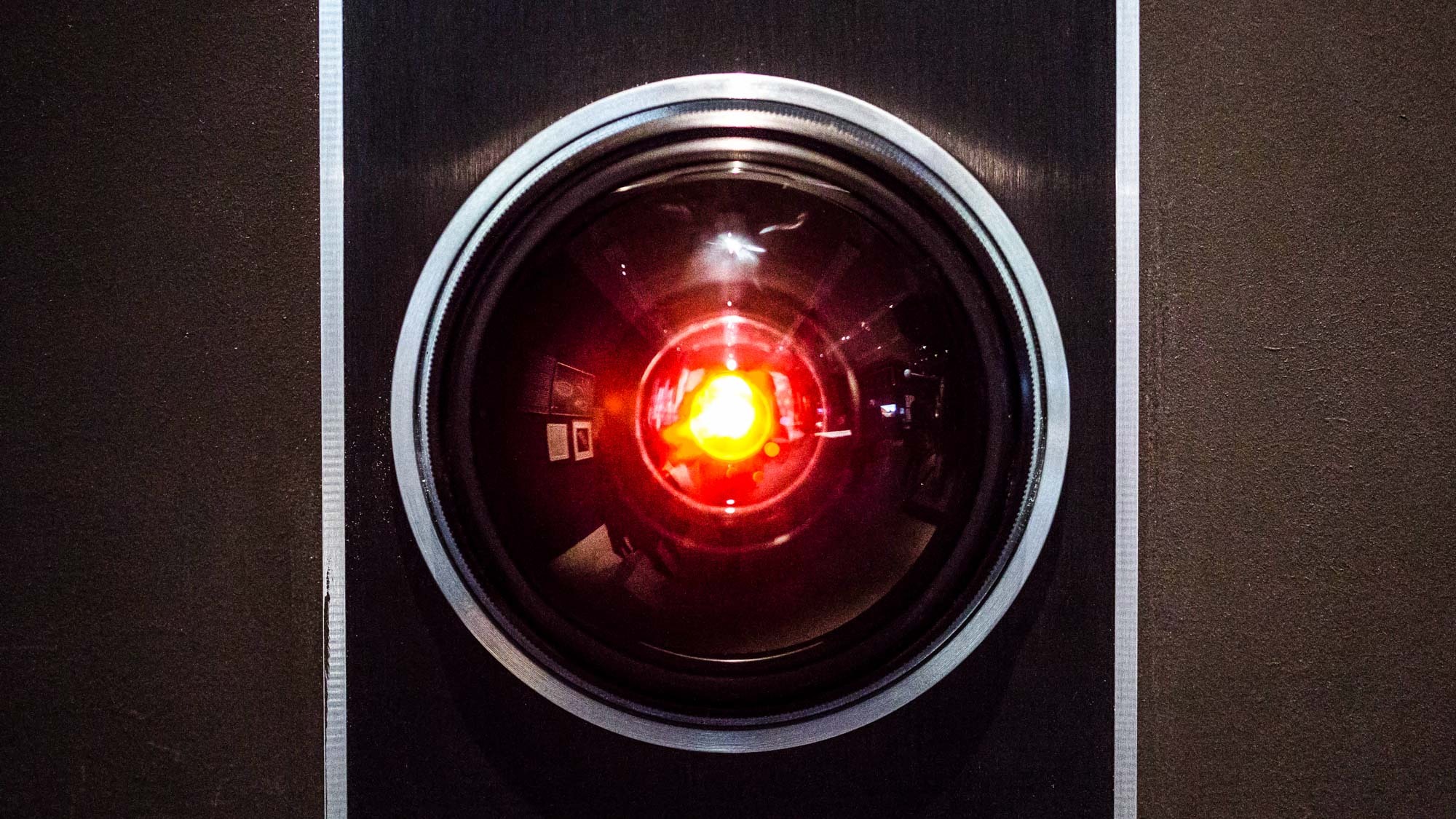

Thanks to science fiction, we’ve all developed a healthy fear of artificial intelligence. It is all too easy to picture the evil AI machine that realises it is better than humans and blocks them out, but this isn’t realistic.
Since the rise of chatbots, we’ve seen a similar fear stick out. Every so often, chatbots say something that feels concerning, or we hear an expert tell us all that AI will doom us all when it takes over.
Realistically, AI doesn’t seem to have that tendency for evil. That doesn’t mean it doesn’t do bad things sometimes. Claude AI once found that AI will resort to blackmail when threatened and sometimes AI will reach a breaking point, telling you that you need to sort yourself out, but true evil seems to be outside of its reach… at least for now.

Follow Tom’s Guide on Google News and add us as a preferred source to get our up-to-date news, analysis, and reviews in your feeds.
More from Tom’s Guide


Back to Laptops